

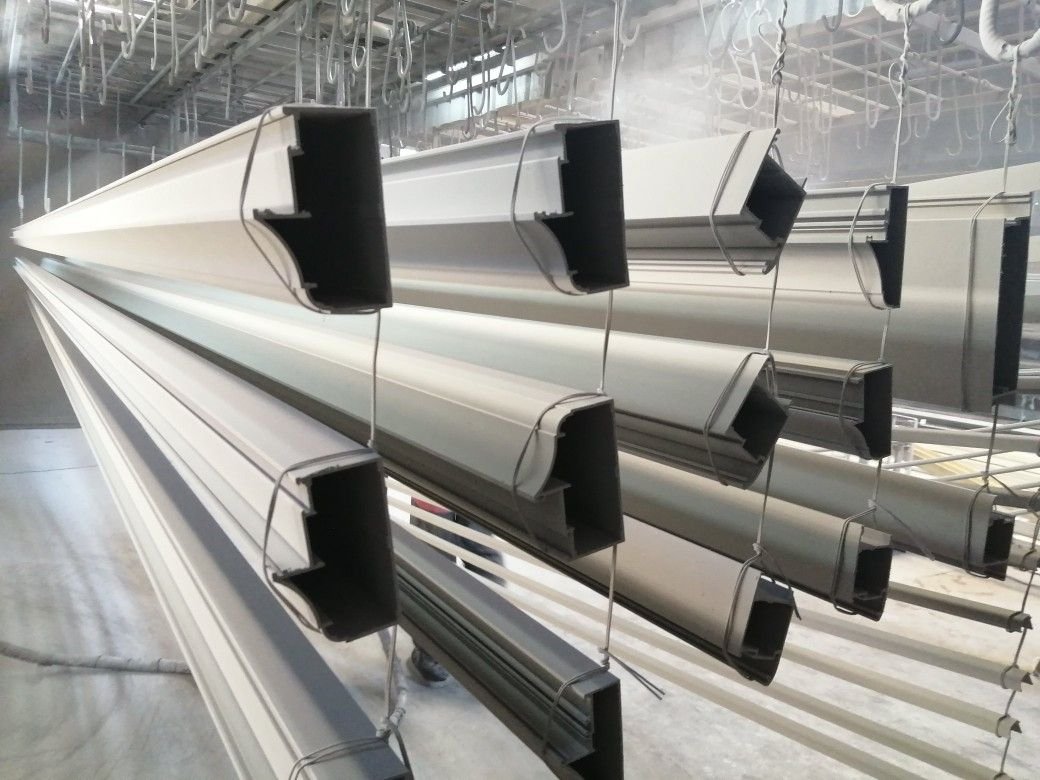
Precision Coating Services for High-Performance Components
As manufacturing technologies continue to evolve, the demand for precision coating services has grown across a wide range of industries. From smartphone camera modules and optical lenses to industrial sensors and medical devices, modern products increasingly rely on highly engineered surface coatings to achieve superior performance, durability, and reliability.
Precision coatings are designed to deliver exact surface characteristics through tightly controlled deposition processes. Unlike conventional finishing methods, precision coating technologies focus on achieving microscopic uniformity, exceptional adhesion, and application-specific functionality. For manufacturers seeking a competitive advantage, precision coating services have become an essential part of product development and production.
What Are Precision Coating Services?
Precision coating services involve the application of highly controlled thin-film coatings to improve the physical, optical, electrical, or decorative properties of a component. These coatings are typically applied using advanced vacuum deposition technologies capable of producing extremely uniform layers at the nanometer or micron level.
Precision coatings are commonly used to:
- Increase wear resistance
- Improve optical performance
- Enhance corrosion protection
- Reduce surface reflection
- Add electrical conductivity
- Create premium decorative finishes
Because coating thickness and composition can be precisely controlled, manufacturers can tailor surface properties to meet specific application requirements.
Why Precision Coatings Are Critical in Modern Manufacturing
Accuracy and Consistency
Many advanced products require coating thicknesses measured in nanometers. Even small variations can affect performance, particularly in optical, electronic, and semiconductor applications.
Precision coating services ensure:
- Uniform film thickness
- Repeatable production quality
- Consistent performance across batches
This level of accuracy is essential for industries where reliability is critical.
Enhanced Surface Performance
Precision coatings can significantly improve component functionality.
Examples include:
- Improved scratch resistance
- Reduced friction
- Enhanced optical clarity
- Better electrical conductivity
These improvements often translate directly into higher product value.
Product Reliability
By protecting components from environmental damage and wear, precision coatings help improve long-term reliability.
Protection may include resistance to:
- Corrosion
- Moisture
- Chemical exposure
- Abrasion
- UV degradation
Technologies Used in Precision Coating Services
Physical Vapor Deposition (PVD)
PVD is one of the most widely used technologies for precision coating applications.
Benefits include:
- Strong coating adhesion
- Excellent durability
- Precise thickness control
- Environmentally friendly processing
PVD coatings are commonly used in electronics, optics, and decorative applications.
Magnetron Sputtering
Magnetron sputtering is ideal for producing:
- Optical coatings
- Conductive films
- Functional thin films
The process provides exceptional uniformity and repeatability.
Vacuum Thin Film Deposition
Vacuum deposition technologies minimize contamination and allow manufacturers to create highly engineered multilayer coating structures.
These processes support both functional and decorative coating applications.
Key Industries That Depend on Precision Coatings
Electronics and Semiconductor Manufacturing
The electronics industry relies heavily on precision coating services.
Applications include:
- Smartphones
- Semiconductor devices
- Sensors
- Wearable technology
- Display systems
Advanced imaging modules often require specialized Functional Coating for Cell Phone Camera solutions to improve light transmission, reduce reflections, and protect sensitive optical surfaces.
As mobile devices continue to evolve, precision coatings play a vital role in maintaining imaging performance and durability.
Optical and Imaging Systems
Optical systems demand extremely precise coating control.
Applications include:
- Camera lenses
- Optical filters
- Laser optics
- Medical imaging devices
Benefits include:
- Reduced reflection
- Improved light transmission
- Enhanced image quality
- Surface protection
Precision coatings are fundamental to modern optical engineering.
Automotive Components
Automotive manufacturers utilize precision coatings for:
- Sensors
- Camera systems
- Lighting components
- Decorative trim
The coatings improve durability while supporting advanced vehicle technologies.
Medical and Scientific Equipment
Medical and laboratory instruments often require coatings that meet strict performance standards.
Applications include:
- Diagnostic imaging systems
- Endoscopes
- Scientific optics
- Measurement instruments
Precision coatings help ensure accuracy and reliability in critical environments.
Functional Precision Coatings
Functional coatings are engineered to improve performance rather than appearance.
Common examples include:
Anti-Reflective Coatings
Reduce glare and maximize light transmission.
Conductive Coatings
Enable electrical functionality in electronic devices.
Protective Barrier Coatings
Improve resistance to wear, corrosion, and environmental exposure.
Anti-Fingerprint Coatings
Enhance user experience on touch-sensitive surfaces and consumer electronics.
These coatings contribute significantly to product performance and usability.
Decorative Precision Coatings
Decorative coatings combine aesthetics with durability.
Benefits include:
- Premium metallic finishes
- Color consistency
- Scratch resistance
- Corrosion protection
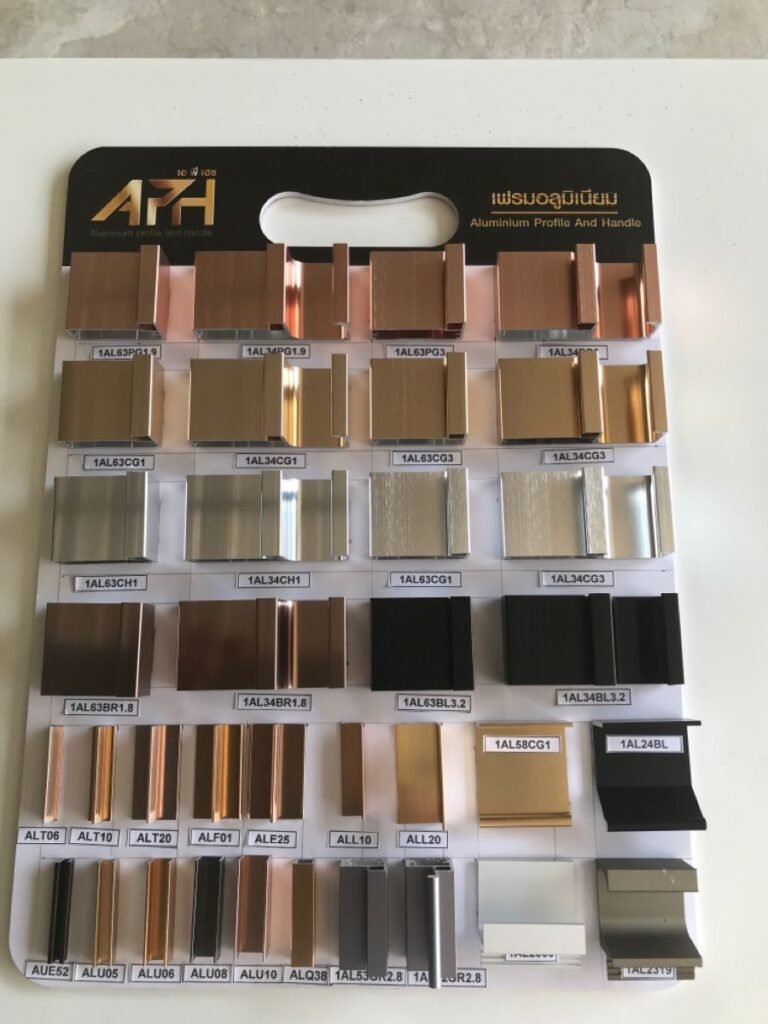
Manufacturers frequently use Electrical Decorative Panel Coating technologies to create attractive and durable surfaces for electronics, appliances, and industrial control systems.
Decorative precision coatings help products stand out while maintaining long-term performance.
Benefits of Professional Precision Coating Services
Customized Surface Engineering
Professional providers can tailor coatings to meet specific requirements.
Customization options include:
- Material selection
- Coating thickness
- Functional properties
- Environmental resistance
Improved Manufacturing Efficiency
High-quality coatings reduce defects, improve consistency, and support scalable production.
Enhanced Product Value
Precision coatings can increase:
- Product lifespan
- Performance
- Market appeal
These benefits often lead to stronger customer satisfaction and brand reputation.
Quality Control in Precision Coating Processes
Reliable coating performance depends on rigorous quality assurance procedures.
Thickness Measurement
Advanced instruments verify coating thickness with extreme precision.
Adhesion Testing
Ensures coatings remain bonded throughout product life.
Performance Verification
Testing may include:
- Optical analysis
- Wear resistance evaluation
- Corrosion testing
- Environmental durability assessments
These procedures help maintain consistent production quality.
How to Choose a Precision Coating Service Provider
When selecting a provider, manufacturers should evaluate several factors.
Technical Expertise
Look for proven experience in:
- Thin-film engineering
- Vacuum deposition technologies
- Industry-specific applications
Manufacturing Capabilities
Assess:
- Equipment quality
- Production capacity
- Process flexibility
Quality Systems
Reliable providers maintain strict quality control standards and testing procedures.
Comprehensive Coating Solutions
Manufacturers often benefit from working with partners that offer a broad range of coating technologies. Companies seeking expanded surface engineering capabilities can explore Vacuum Coating Solutions for electronics, optical components, decorative surfaces, and industrial applications.
Future Trends in Precision Surface Engineering
The precision coating industry continues to evolve through technological innovation.
Nano-Scale Coatings
Ultra-thin films provide enhanced functionality with minimal material usage.
Smart Surface Technologies
Emerging developments include:
- Self-cleaning coatings
- Anti-microbial surfaces
- Anti-fog treatments
Advanced Electronics and Optics
Growth in:
- Artificial intelligence systems
- AR/VR technologies
- Autonomous vehicles
- High-resolution imaging
will continue driving demand for precision coating solutions.
Sustainable Manufacturing
Environmentally responsible coating processes are becoming increasingly important as industries focus on reducing waste and improving efficiency.
Frequently Asked Questions
What are precision coating services?
Precision coating services involve applying highly controlled thin-film coatings to improve the performance, durability, or appearance of a component.
Which industries use precision coatings?
Electronics, optics, automotive, aerospace, medical devices, and scientific instrumentation industries commonly use precision coatings.
What technologies are used for precision coatings?
Common technologies include PVD, magnetron sputtering, and vacuum thin-film deposition.
Can precision coatings improve optical performance?
Yes. Precision optical coatings improve light transmission, reduce reflection, and enhance image quality.
Are precision coatings durable?
High-quality precision coatings provide excellent resistance to wear, corrosion, and environmental damage.
Can coatings be customized?
Yes. Coatings can be engineered to meet specific optical, electrical, mechanical, or decorative requirements.
How is coating quality verified?
Manufacturers use thickness measurements, adhesion tests, optical analysis, and environmental testing to verify coating performance.
How do I choose a precision coating service provider?
Consider technical expertise, manufacturing capabilities, quality systems, and customization options.
Conclusion
Precision coating services have become indispensable in modern manufacturing, enabling products to achieve higher levels of performance, durability, and functionality. From advanced electronics and optical systems to automotive and medical applications, precision coatings provide tailored surface solutions that meet the demands of today’s technology-driven industries.
By partnering with an experienced coating provider, manufacturers can access advanced surface engineering technologies that support innovation, improve product quality, and strengthen competitiveness in global markets.