

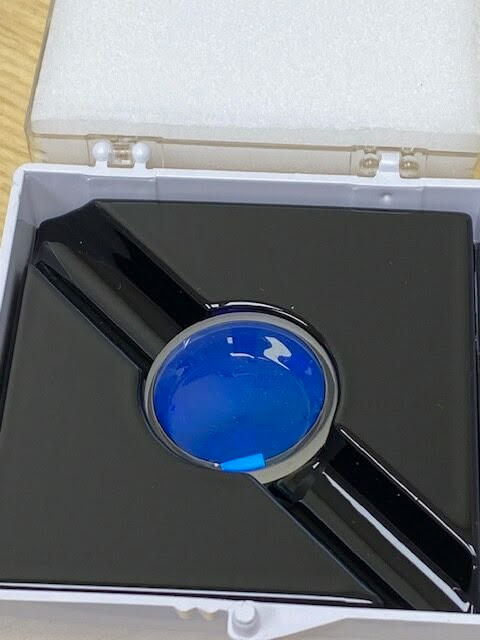
ODM Hard Coating: From Coating Development to Production-Ready Surface Solutions
Introduction
Modern manufacturers increasingly require surface coatings that do more than improve hardness. Products may need to combine scratch resistance, abrasion protection, chemical durability, optical performance, and a carefully controlled appearance. Achieving these requirements often involves close cooperation between product designers, materials engineers, coating specialists, and manufacturing teams.
This is where ODM hard coating becomes relevant. In an Original Design Manufacturing (ODM) arrangement, coating development can extend beyond applying an existing finish. Depending on the supplier’s capabilities and the agreement between the parties, the project may involve translating product requirements into a customized coating solution, selecting compatible materials, developing process parameters, validating performance, and preparing the process for repeatable production.
For manufacturers of consumer electronics, optical components, decorative panels, and other precision products, this development-oriented approach can help connect surface design with manufacturing feasibility.
Understanding how ODM hard coating works can help buyers evaluate suppliers, communicate technical requirements, and reduce uncertainty during product development.
What Is ODM Hard Coating?
ODM hard coating refers to a coating development and manufacturing arrangement in which a supplier helps develop or adapt a hard coating solution for a customer’s product requirements.
The exact scope varies by supplier and contract. Some projects may involve adapting an established coating process to a new substrate or product geometry. Others may require more extensive work on coating structure, surface appearance, deposition parameters, and validation methods.
Typical project activities can include:
- Reviewing the component’s functional and aesthetic requirements
- Evaluating substrate compatibility
- Selecting an appropriate coating approach
- Developing or adapting process parameters
- Producing prototype samples
- Testing adhesion and mechanical durability
- Assessing optical or decorative performance where applicable
- Optimizing the process for repeatability
- Establishing quality control requirements
- Supporting transfer to production
The defining characteristic is the integration of coating development with manufacturing planning. Rather than selecting a coating solely from a catalogue, the customer and supplier work toward a solution that fits the intended product.
ODM vs. OEM Hard Coating
ODM and OEM are related business models, but they describe different approaches to product development and manufacturing.
| Aspect | ODM Hard Coating | OEM Hard Coating |
|---|---|---|
| Development approach | The supplier may contribute to solution design and process development | The supplier primarily manufactures to customer-defined specifications |
| Technical input | May include coating selection, optimization, and application engineering | Often focuses on executing an agreed specification |
| Design responsibility | Shared or supplier-led within the agreed scope | Primarily defined by the customer |
| Customization | May include development of a tailored coating approach | May adapt production to the customer’s established requirements |
| Validation | May involve collaborative testing and iterative development | Usually verifies conformity to agreed requirements |
| Best fit | Projects requiring technical development or process adaptation | Projects with relatively mature specifications ready for production |
These distinctions are general rather than universal. A supplier may offer both ODM and OEM services, and responsibilities should be explicitly documented before a project begins.
For buyers, the important question is not simply whether a supplier uses the ODM label. It is whether the supplier can provide the specific design, engineering, testing, and manufacturing support the project requires.
Why ODM Hard Coating Matters for Product Development
A coating influences how a component looks, feels, performs, and withstands use. If coating selection is delayed until the end of product development, manufacturers may discover compatibility or reliability problems after the component design is already established.
An ODM-oriented process brings coating considerations into earlier development stages.
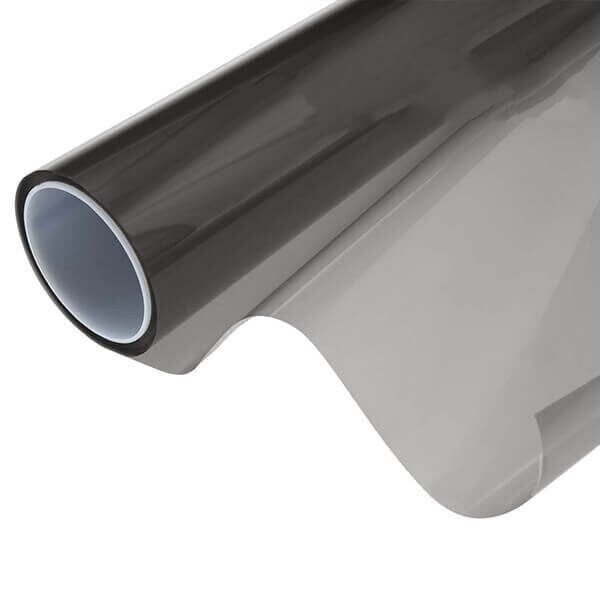
1. Better Alignment Between Design and Function
A product may require a matte finish, a distinctive texture, high scratch resistance, or controlled optical properties. These requirements can interact with one another.
For example, a coating intended to improve surface hardness must also remain compatible with the component’s appearance and substrate. Early collaboration helps identify trade-offs before they become costly production issues.
2. Substrate-Specific Development
Glass, sapphire, metal, ceramic, and engineering polymers have different physical and surface characteristics. A process suitable for one substrate may not work equally well on another.
ODM development can include substrate evaluation, surface preparation adjustments, and deposition parameter optimization to improve compatibility.
3. More Structured Performance Validation
A coating specification should describe measurable outcomes rather than rely on broad terms such as premium, durable, or super hard.
Depending on the application, validation may cover adhesion, scratch resistance, abrasion resistance, chemical exposure, optical transmission, reflection, or appearance consistency.
4. A Clearer Path to Manufacturing
Prototype performance is only one part of the process. The coating must also be manufacturable at the required scale with acceptable consistency.
Development work can identify process sensitivities, inspection needs, and production constraints before volume manufacturing begins.
Applications of ODM Hard Coating
ODM hard coating can support a range of product categories, provided the supplier has the relevant material, equipment, and process capabilities.
Consumer Electronics
Smartphones, wearable devices, and other consumer electronics often combine decorative requirements with mechanical durability.
Coating development may focus on scratch resistance, surface texture, color consistency, fingerprint visibility, or compatibility with the underlying substrate.
For camera-related applications, the requirements can be more demanding because surface protection must not compromise the optical system’s intended performance.
Optical Components
Optical windows, camera cover elements, and other optical components may require hard coatings alongside controlled transmission, reflection, and surface quality.
In these applications, coating thickness, uniformity, refractive behavior, and compatibility with other optical films need careful consideration.
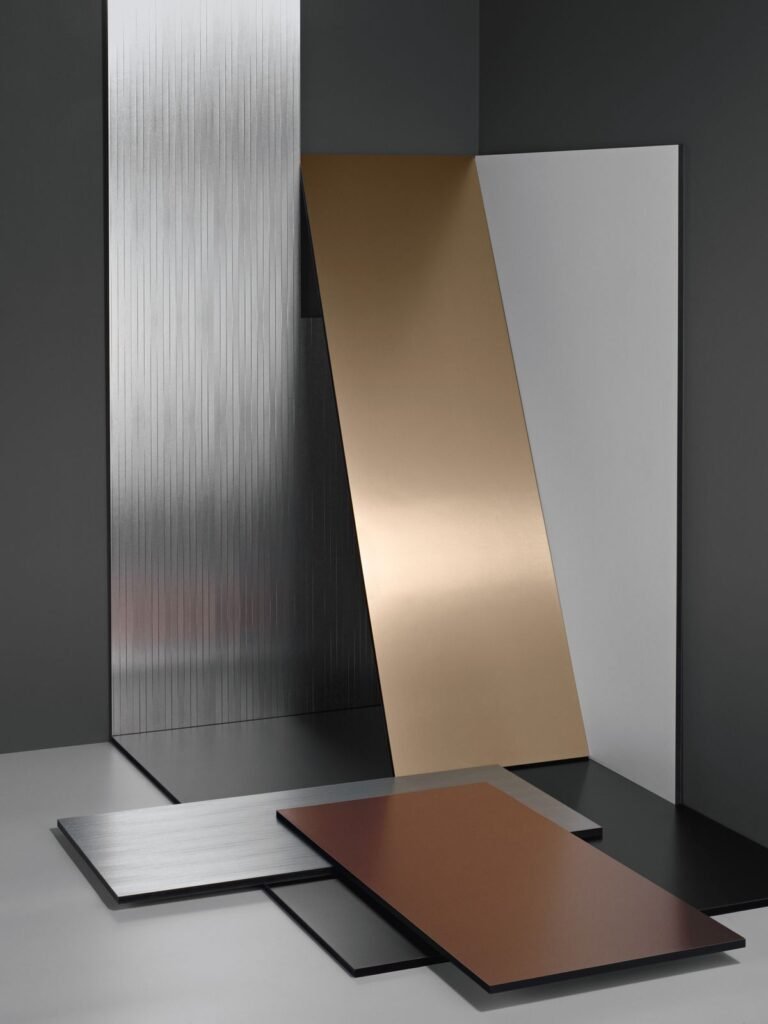
Decorative Panels
Decorative panels used in consumer products may need a consistent visual finish across multiple production batches.
An ODM coating project may address surface appearance, texture, reflectivity, adhesion, and resistance to routine cleaning or handling.
Precision and Functional Components
Some components need coatings that support specific performance objectives, such as improved wear resistance or protection against environmental exposure.
The coating design should follow the component’s actual operating conditions rather than relying on a generic hardness target.
The ODM Hard Coating Development Process
A structured development workflow helps customers and suppliers make decisions using defined requirements and test results.
Step 1: Define the Product Requirements
The project should begin with a clear description of the component and its intended use.
Useful information includes:
- Substrate material and grade
- Component dimensions and geometry
- Required surface appearance
- Mechanical durability expectations
- Chemical and environmental exposure
- Optical requirements, if relevant
- Expected production volume
- Applicable inspection standards
Requirements should be specific enough to guide material selection and testing. If the final test limits have not yet been established, the development phase should include agreement on how success will be measured.
Step 2: Evaluate the Substrate
Substrate evaluation determines whether the proposed coating approach is compatible with the base material.
The assessment may consider surface roughness, cleanliness, thermal sensitivity, geometry, and the substrate’s ability to withstand the selected deposition conditions.
For sensitive optical or polymer components, thermal exposure and dimensional stability can be particularly important.
Step 3: Select the Coating Technology
Vacuum deposition technologies may be considered for thin-film hard coating applications. Depending on the required properties and material system, potential methods include magnetron sputtering and evaporation-based deposition.
The appropriate method depends on the substrate, coating composition, required film properties, component geometry, and production requirements.
No single process is optimal for every coating application.
Step 4: Develop the Coating Structure and Parameters
The coating may use a single layer or a more complex structure, depending on the application.
Development variables may include:
- Coating material or material combination
- Film thickness
- Deposition conditions
- Surface preparation
- Layer sequence
- Adhesion requirements
- Residual stress
- Surface appearance
For some applications, a multilayer or nanocomposite approach may help balance properties that are difficult to achieve with a single material.
The final design should be determined through engineering evaluation and testing rather than assumptions about material hardness alone.
Step 5: Produce Prototype Samples
Prototype samples allow the team to assess the proposed coating before committing to production.
Where possible, samples should use representative substrates, surface preparation, and processing conditions. Testing on an unrelated material may not accurately predict performance on the final component.
The prototype stage also allows the customer to review appearance, fit, optical behavior, and other product-specific requirements.
Step 6: Validate Performance
Testing should reflect the coating’s intended function.
Potential evaluation methods include:
- Adhesion testing
- Scratch testing
- Abrasion testing
- Film thickness measurement
- Optical transmission or reflection measurement
- Chemical resistance testing
- Humidity or temperature exposure
- Surface appearance inspection
The relevant methods and acceptance limits should be agreed upon in advance. Results should be documented so that design revisions can be evaluated objectively.
Step 7: Optimize for Production
A successful prototype does not guarantee consistent results at higher volumes.
Production optimization may involve fixture design, component loading, deposition uniformity, cleaning procedures, process monitoring, inspection frequency, and handling controls.
The objective is to establish a repeatable process that produces the required coating characteristics across production batches.
Step 8: Establish Quality Control
Before regular production begins, the supplier and customer should define how coating conformity will be assessed.
A quality plan may specify inspection points, test frequency, sampling rules, acceptance criteria, documentation, and procedures for handling nonconforming products.
This provides a consistent basis for production release and ongoing quality review.
Key Technical Factors in ODM Hard Coating
A coating development project is more likely to succeed when its technical requirements are considered as a connected system.
Hardness and Scratch Resistance
Hardness describes resistance to localized deformation under a particular test method. Scratch resistance, however, also depends on adhesion, film structure, substrate support, and the type of contact involved.
A coating with a high hardness value may still fail if it is brittle, poorly bonded, or incompatible with the substrate.
Adhesion and Film Stress
Adhesion helps the coating remain attached during handling and service. Internal stress can influence cracking, deformation, and delamination.
Surface preparation, material selection, and deposition parameters all contribute to the final result.
Thickness and Uniformity
Thickness affects protection, film stress, and—in optical applications—light interaction with the coating.
Uniformity across the component is essential when consistent mechanical performance or optical behavior is required.
Chemical and Environmental Durability
The coating may need to withstand cleaning agents, moisture, temperature changes, or other environmental factors.
Testing should represent the expected exposure. A coating that performs well in a short laboratory test may not necessarily retain its properties throughout the product’s service life.
Appearance and Texture
Decorative applications introduce additional requirements, including color consistency, gloss, matte appearance, and texture.
These characteristics can depend on the substrate, surface preparation, coating structure, and process conditions. They should be evaluated alongside mechanical durability rather than treated as separate concerns.
How to Choose an ODM Hard Coating Partner
Choosing a development partner requires more than comparing prices or reviewing a coating sample.
Assess Technical Capability
Ask whether the supplier has experience with the relevant substrate, coating technology, and application. Confirm which development and testing activities the supplier can perform in-house and which require external support.
Review Equipment and Process Control
Relevant equipment may include vacuum coating systems, cleaning equipment, thickness measurement tools, and mechanical or environmental testing instruments.
The supplier should be able to explain how these resources support the specific requirements of the project.
Examine Testing and Documentation
Request information about test methods, acceptance criteria, sample traceability, and production inspection.
Clear documentation makes it easier to compare prototypes, investigate failures, and maintain consistent quality.
Confirm Development Responsibilities
ODM projects can involve shared design responsibilities. The contract should clarify who owns the coating specification, who approves design changes, how intellectual property is handled, and what deliverables are expected at each stage.
Evaluate Scale-Up Readiness
Discuss production capacity, batch consistency, lead-time planning, yield expectations, and quality controls. These topics are important even when the initial project involves only a small number of samples.
Consider Total Project Cost
The lowest initial quotation may not represent the lowest overall cost.
Prototype iterations, tooling or fixture requirements, testing, process optimization, rejection rates, and production stability can all influence the total project expense.
A clear technical scope makes supplier quotations more meaningful and helps prevent misunderstandings later.
Common ODM Hard Coating Challenges
Unclear Specifications
Terms such as high hardness, premium appearance, and long-lasting protection are difficult to verify without measurable criteria.
Practical approach: Define the relevant test methods, environmental conditions, and acceptance limits before validation begins.
Poor Substrate Compatibility
A coating may fail to adhere or may introduce unwanted stress when applied to an unsuitable substrate or inadequately prepared surface.
Practical approach: Evaluate the actual substrate and establish a suitable cleaning and deposition process.
Conflicting Performance Requirements
A thicker film may improve one property while adversely affecting another. A decorative coating may also need to satisfy demanding scratch or chemical resistance requirements.
Practical approach: Prioritize the critical performance requirements and evaluate trade-offs through controlled trials.
Prototype-to-Production Variation
A coating may perform well on a few samples but vary when component loading or production volume changes.
Practical approach: Validate representative production conditions and establish process monitoring and inspection plans.
Incomplete Supplier Communication
Unclear ownership of design changes, testing, and approval can delay development.
Practical approach: Establish project milestones, documentation requirements, responsibilities, and approval procedures at the beginning.
SRNC’s Role in Advanced Coating Applications
SRNC specializes in vacuum coating technology and the development and manufacturing of nanocomposite materials and advanced coating equipment. Its product range includes coating solutions for electronic and decorative applications.
For projects that require advanced surface hardness and protection, explore SRNC’s Sapphire Super Hard Coating.
For camera-related applications where functional surface properties and optical requirements must be considered together, see Functional Coating for Cell Phone Camera.
These pages provide starting points for understanding SRNC’s relevant coating technologies. Specific ODM project scope, customization options, performance targets, and manufacturing arrangements should be confirmed directly with the company.
Conclusion
ODM hard coating offers a development-oriented approach to creating protective surface solutions for products with demanding technical requirements.
By integrating substrate evaluation, coating technology selection, prototype development, performance validation, and production planning, an ODM project can connect product design with practical manufacturing needs.
The most important factors are not simply coating hardness or the ODM label. They are technical compatibility, measurable performance, reliable adhesion, process repeatability, and clear cooperation between the customer and supplier.
For manufacturers developing advanced electronics, optical components, decorative panels, or precision parts, a structured coating development process can help turn surface performance goals into a production-ready solution.