01 / INPUTS
Review the part
Substrate, drawing, geometry and intended use.
Discuss appearance and surface-function requirements for refrigerator panels and control surfaces. Identify the panel material, finish reference and cleaning conditions before evaluation.
Discuss your component →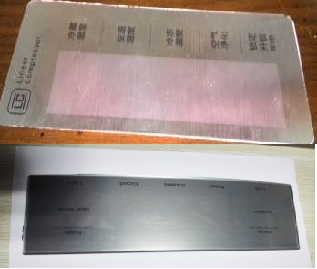
PANEL SAMPLES / EXISTING SRNC MEDIA
Start with the component, substrate and intended use. Coating requirements need to be reviewed against geometry, process constraints and the agreed validation methods.
Specify different components separately when they have different performance objectives or test conditions.
Prepare your specification →These inputs help structure the first review. Share the requirements you know and identify any points that still need evaluation.
| Topic | Useful information |
|---|---|
| Panel material & geometry | Material, dimensions, formed areas, coated surfaces and masking requirements. |
| Appearance & interface | Colour, gloss, texture, graphics and display or touch-interface requirements where applicable. |
| Cleaning & durability | Intended cleaning products, contact conditions, abrasion, adhesion and environmental test methods. |
| Evaluation & quantity | Reference samples, sample quantities, production needs and agreed acceptance criteria. |
Compatibility and achievable performance depend on substrate, coating structure, geometry and test conditions. Sample scope, timing and commercial terms are agreed for each project.
Substrate, drawing, geometry and intended use.
Optical or surface targets and the applicable test methods.
Samples, acceptance conditions, timing and responsibilities.
Further evaluation, development or production requirements.
Start with non-confidential information and discuss confidentiality arrangements before exchanging sensitive project documents.
Share the material, drawing, surface finish reference, intended cleaning conditions and the tests required for the appliance.
Define the display or touch interface separately from decorative requirements, including any transparency or appearance limits.
A photo is a starting point. Agree reference samples, viewing conditions and durability tests before confirming the finish.
Use the technical articles to prepare questions about materials, coating targets and evaluation methods.
Substrate, drawing, coating objective and test methods.