

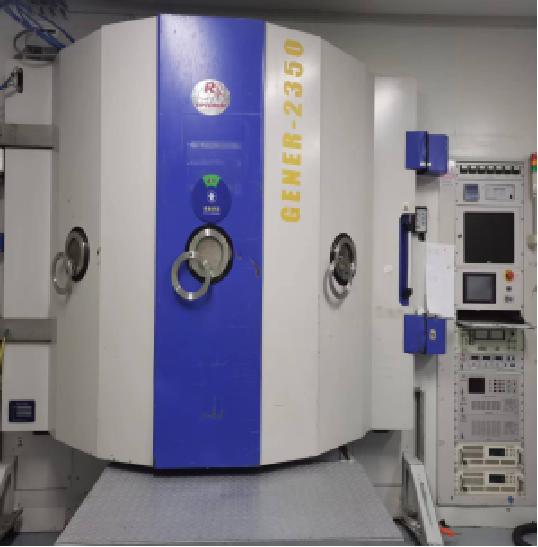
Optical Component Coating: Advanced Vacuum Thin-Film Solutions for High-Performance Optical Systems
As optical technology advances, manufacturers demand components that deliver exceptional image quality, high transmission efficiency, and long-term reliability. Whether used in smartphone cameras, automotive sensors, medical imaging devices, or scientific instruments, optical components must perform consistently under increasingly demanding conditions. One of the most effective ways to achieve these goals is through optical component coating.
Optical component coating is a precision vacuum deposition process that applies ultra-thin functional films to lenses, prisms, mirrors, optical filters, glass substrates, and sensors. These engineered coatings optimize how light interacts with optical surfaces, improving transmission, minimizing reflections, controlling wavelength response, and protecting components from environmental damage. By combining advanced thin-film engineering with precise process control, manufacturers can significantly enhance both optical performance and product longevity.
Today, optical component coating is an essential manufacturing technology for industries that rely on high-performance imaging, sensing, and photonic systems.
What Is Optical Component Coating?
Optical component coating refers to depositing one or more microscopic thin-film layers onto optical parts using high-vacuum coating equipment.
Depending on application requirements, these coatings can be engineered to:
- Increase light transmission
- Reduce surface reflections
- Improve color accuracy
- Control spectral characteristics
- Enhance scratch resistance
- Protect against moisture and corrosion
Many advanced optical components utilize multilayer coating systems with carefully designed film structures measured in nanometers.
Why Optical Component Coating Is Essential
Improving Light Transmission
Every optical surface naturally reflects part of incoming light.
Precision optical coatings reduce these losses, allowing:
- Higher transmission efficiency
- Improved sensor sensitivity
- Better low-light performance
- Sharper images
This is particularly important for modern imaging systems.
Reducing Reflection and Optical Loss
Unwanted reflections often cause:
- Lens flare
- Ghost images
- Reduced contrast
- Lower image quality
Anti-reflective coatings effectively minimize these optical issues.
Increasing Durability and Reliability
Protective optical coatings shield components from:
- Scratches
- Dust
- Moisture
- Fingerprints
- Chemical exposure
These properties extend product lifespan while maintaining stable optical performance.
Vacuum Technologies Used for Optical Component Coating
Magnetron Sputtering
Magnetron sputtering offers:
- Excellent coating uniformity
- Strong film adhesion
- Precise thickness control
- High-volume manufacturing capability
It is widely used for precision optical production.
Electron Beam Evaporation
Electron beam evaporation enables high-purity deposition of dielectric materials commonly used in optical thin films.
Ion-Assisted Deposition
Ion-assisted deposition improves coating density, adhesion, and environmental stability for demanding applications.
Types of Optical Component Coatings
Anti-Reflective Coatings
These coatings maximize transmission while minimizing surface reflections.
Typical applications include:
- Camera lenses
- Optical sensors
- Medical optics
- Display glass
High-Reflective Coatings
Used for:
- Laser mirrors
- Optical instruments
- Scientific equipment
Optical Filter Coatings
Designed to selectively transmit or block specific wavelength ranges for imaging, sensing, and analytical applications.
Protective Functional Coatings
Protective thin films improve resistance to:
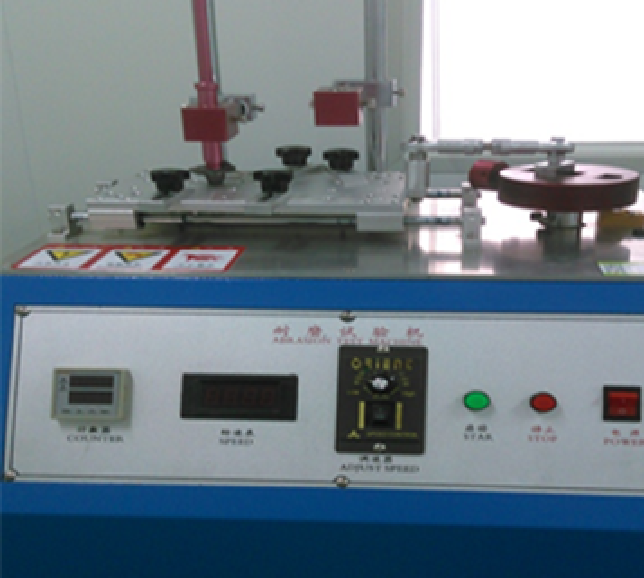
- Abrasion
- Moisture
- Chemical corrosion
- Environmental contamination
Applications Across Industries
Smartphone Camera Modules
Today’s smartphone cameras contain multiple coated optical elements that require precise control of transmission and reflection.
Manufacturers frequently implement Functional Coating for Cell Phone Camera solutions to improve image clarity, reduce internal reflections, increase lens durability, and support advanced computational photography. Precision multilayer coatings also help maintain consistent imaging performance across different lighting conditions.
Consumer Electronics
Optical component coatings are widely used in:
- Smartphones
- Tablets
- Smart watches
- AR and VR devices
- Display modules
These coatings improve optical efficiency while increasing product durability.
Automotive Vision Systems
Modern vehicles depend on coated optical components for:
- ADAS cameras
- LiDAR systems
- Driver monitoring cameras
- Head-up displays
Reliable coatings improve both optical performance and environmental resistance.
Medical Imaging Equipment
Applications include:
- Endoscopes
- Surgical microscopes
- Diagnostic imaging devices
- Laboratory instruments
Precision coatings support accurate diagnosis and reliable long-term operation.
Scientific and Industrial Optics
Optical component coatings are essential for:
- Spectrometers
- Microscopes
- Laser systems
- Machine vision
- Semiconductor inspection equipment
Materials Used in Optical Component Coating
Frequently used coating materials include:
- Silicon dioxide (SiO₂)
- Titanium dioxide (TiO₂)
- Magnesium fluoride (MgF₂)
- Aluminum oxide (Al₂O₃)
- Tantalum pentoxide (Ta₂O₅)
Material selection depends on optical performance targets, wavelength requirements, substrate compatibility, and environmental conditions.
How to Choose an Optical Component Coating Partner
Selecting the right supplier is critical to achieving reliable product performance.
Advanced Vacuum Deposition Equipment
Look for manufacturers with modern sputtering and evaporation systems capable of producing highly uniform multilayer coatings.
Thin-Film Engineering Expertise
Experienced engineering teams can optimize:
- Coating materials
- Layer design
- Optical transmission
- Manufacturing efficiency
Comprehensive Quality Assurance
Professional manufacturers typically perform:
- Spectral transmission testing
- Reflectance measurement
- Adhesion verification
- Thickness monitoring
- Environmental durability testing
Integrated Vacuum Coating Capabilities
Choosing a supplier with expertise in optical, decorative, and functional vacuum coatings provides greater flexibility for future product development. Companies seeking comprehensive surface engineering services can explore Vacuum Coating Solutions for optical components, consumer electronics, appliance panels, and industrial applications.
Future Trends in Optical Component Coating
Ultra-Low Reflection Films
Advanced multilayer coatings continue reducing reflection while increasing transmission efficiency.
Multi-Functional Thin Films
Future coating systems increasingly combine:
- Anti-reflection
- Hydrophobic protection
- Anti-fingerprint performance
- Scratch resistance
within a single multilayer structure.
AI Imaging and Smart Vision
Artificial intelligence, robotics, and autonomous vehicles continue driving demand for increasingly sophisticated optical coatings.
Sustainable Manufacturing
Manufacturers are adopting energy-efficient vacuum coating systems that reduce environmental impact while maintaining exceptional production quality.
Frequently Asked Questions
What is optical component coating?
Optical component coating is a vacuum thin-film process that improves the optical performance, durability, and reliability of lenses, filters, mirrors, sensors, and other precision optical parts.
Why is optical component coating important?
It increases light transmission, reduces reflections, enhances image quality, and protects optical surfaces from environmental damage.
Which industries use optical component coatings?
Consumer electronics, automotive, medical devices, aerospace, scientific research, industrial automation, and telecommunications all rely on precision optical coatings.
Can optical coatings improve smartphone camera performance?
Yes. Advanced coatings improve image clarity, reduce lens flare, increase transmission efficiency, and protect delicate camera lenses.
Which vacuum coating technologies are commonly used?
Magnetron sputtering, electron beam evaporation, and ion-assisted deposition are among the leading technologies.
Can optical component coatings be customized?
Absolutely. Thin-film structures can be optimized according to wavelength requirements, substrate materials, operating environments, and application goals.
How do I choose an optical coating manufacturer?
Evaluate engineering expertise, manufacturing capability, quality control systems, customization experience, and production capacity.
Why are vacuum deposition processes preferred?
Vacuum coating provides excellent film uniformity, precise thickness control, superior adhesion, and highly repeatable manufacturing quality.
Conclusion
Optical component coating is a critical technology that enables today’s advanced optical systems to achieve superior image quality, higher transmission efficiency, improved durability, and long-term reliability. By applying precision-engineered thin films through advanced vacuum deposition processes, manufacturers can optimize the performance of lenses, sensors, mirrors, and optical filters for a wide range of applications.
As global demand for high-performance optics continues to grow, partnering with an experienced optical component coating provider ensures access to customized thin-film solutions, advanced manufacturing capabilities, and scalable production that supports innovation across consumer electronics, automotive, medical, and industrial markets.