

Camera Lens Coating: Advanced Optical Thin-Film Technology for Superior Image Quality
Modern imaging systems rely heavily on precision optics to deliver sharp, clear, and accurate images. Whether in smartphones, professional cameras, automotive vision systems, or medical devices, the quality of captured images depends not only on the lens design but also on the surface treatment applied to the lens. This is where camera lens coating becomes essential.
Camera lens coating refers to the application of ultra-thin functional layers on optical lenses using advanced vacuum deposition technologies. These coatings are designed to control how light interacts with the lens surface, improving transmission, reducing reflections, minimizing flare, and protecting the lens from environmental damage. By engineering multilayer thin films at the nanometer scale, manufacturers can significantly enhance image clarity, contrast, and durability.
As demand for high-resolution imaging and computational photography continues to grow, camera lens coatings have become a critical component in modern optical manufacturing.
What Is Camera Lens Coating?
Camera lens coating is a precision thin-film process that applies one or more layers of optical materials onto the surface of a lens using vacuum coating technology.
These coatings are designed to:
- Increase light transmission
- Reduce reflections and glare
- Improve contrast and color accuracy
- Enhance scratch resistance
- Protect against moisture and fingerprints
Each coating layer is engineered to optimize specific optical properties.
Why Camera Lens Coating Is Important
Improving Light Transmission
Without coating, a portion of incoming light is reflected at each lens surface.
Coatings reduce these losses, resulting in:
- Brighter images
- Better low-light performance
- Improved sensor efficiency
- Higher image clarity
Reducing Reflection and Lens Flare
Unwanted reflections can cause:
- Lens flare
- Ghost images
- Reduced contrast
- Color distortion
Advanced coatings significantly reduce these optical issues.
Enhancing Durability and Protection
Camera lens coatings also protect against:
- Scratches
- Dust
- Fingerprints
- Moisture
- Chemical exposure
This ensures long-term optical performance stability.
How Camera Lens Coating Works
Thin-Film Interference Principle
Camera lens coatings work by controlling how light waves interact with multiple thin layers, reducing reflection and enhancing transmission.
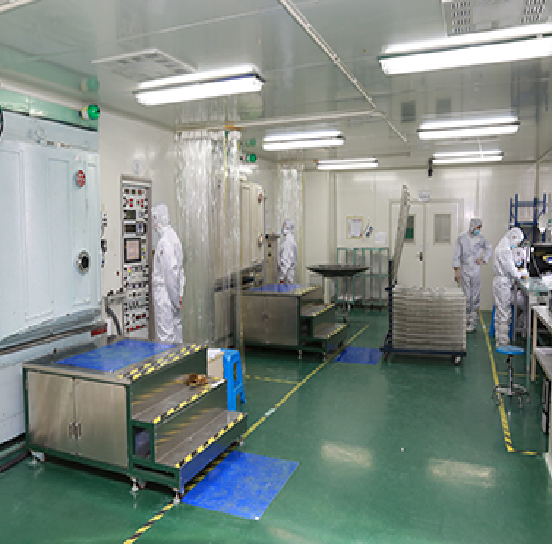
Vacuum Deposition Process
Coatings are applied inside a vacuum chamber using techniques such as:
- Magnetron sputtering
- Electron beam evaporation
- Ion-assisted deposition
These processes ensure high precision and uniform film quality.
Multilayer Optical Design
Modern coatings often consist of multiple layers, each with a specific function:
- Optical tuning
- Reflection control
- Surface protection
Types of Camera Lens Coatings
Anti-Reflective (AR) Coating
AR coatings minimize surface reflection and maximize light transmission.
Used in:
- Smartphone cameras
- DSLR lenses
- Optical sensors
Hydrophobic Coating
Repels water, oil, and fingerprints, keeping lenses cleaner for longer.
Scratch-Resistant Coating
Improves mechanical durability and protects against everyday wear.
Infrared and UV Control Coating
Filters unwanted wavelengths to improve image accuracy and reduce interference.
Applications of Camera Lens Coating
Smartphone Camera Systems
Modern smartphones rely heavily on advanced coated lenses.
Manufacturers often use Functional Coating for Cell Phone Camera solutions to improve light transmission, reduce internal reflections, enhance image sharpness, and protect miniature camera modules from scratches and environmental exposure. These coatings are essential for delivering high-quality computational photography and multi-lens imaging systems.
DSLR and Professional Cameras
High-end cameras require extremely precise coatings to ensure:
- Accurate color reproduction
- Minimal optical distortion
- High contrast imaging
Automotive Cameras
Used in:
- ADAS systems
- Rear-view cameras
- Driver monitoring systems
Coatings ensure performance under varying weather and lighting conditions.
Security and Surveillance Cameras
Enhance image clarity in low-light and outdoor environments.
Medical Imaging Devices
Used in endoscopes and diagnostic equipment where clarity and precision are critical.
Materials Used in Camera Lens Coating
Common materials include:
- Silicon dioxide (SiO₂)
- Titanium dioxide (TiO₂)
- Magnesium fluoride (MgF₂)
- Hafnium oxide (HfO₂)
- Aluminum oxide (Al₂O₃)
Each material is selected based on optical and environmental requirements.
Benefits of Advanced Vacuum Coating Technology
Vacuum coating ensures:
- High precision film thickness control
- Excellent coating uniformity
- Strong adhesion
- High durability
- Repeatable mass production quality
These advantages make it ideal for high-performance optical manufacturing.
How to Choose a Camera Lens Coating Manufacturer
When selecting a supplier, consider:
Technical Expertise
Experience in optical thin-film design and vacuum coating processes.
Manufacturing Capability
Ability to support prototype, small batch, and mass production.
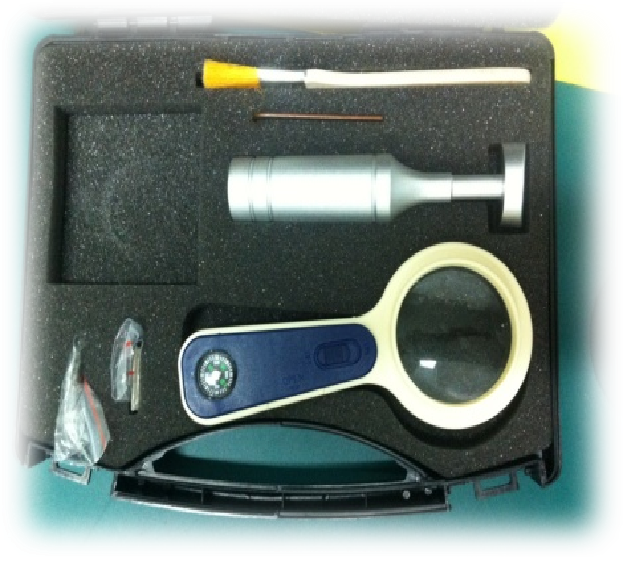
Quality Control
Includes:
- Optical transmission testing
- Adhesion testing
- Environmental durability testing
Integrated Coating Solutions
Suppliers offering multiple vacuum coating technologies can better support complex product needs. For broader applications, explore Vacuum Coating Solutions covering optical components, consumer electronics, and industrial surface engineering.
Future Trends in Camera Lens Coating
Ultra-Low Reflection Coatings
Further reduction in glare and reflection for high-end imaging systems.
Multi-Functional Coatings
Combining anti-reflective, hydrophobic, and scratch-resistant properties.
AI-Optimized Optical Design
Using artificial intelligence to design more efficient multilayer coatings.
Advanced Mobile Imaging Systems
Driven by computational photography and multi-camera architectures.
Frequently Asked Questions
What is camera lens coating?
Camera lens coating is a thin-film layer applied to optical lenses to improve light transmission, reduce reflections, and enhance durability.
Why is lens coating important?
It improves image clarity, reduces flare, and protects the lens surface from environmental damage.
Which devices use camera lens coatings?
Smartphones, DSLR cameras, automotive cameras, surveillance systems, and medical imaging devices.
Can lens coatings improve smartphone photography?
Yes, they significantly enhance clarity, contrast, and low-light performance.
What technologies are used for coating lenses?
Magnetron sputtering, electron beam evaporation, and ion-assisted deposition.
Are camera lens coatings durable?
Yes, high-quality coatings are resistant to scratches, moisture, and environmental wear.
Conclusion
Camera lens coating is a fundamental technology that enables modern imaging systems to achieve high clarity, excellent light transmission, and long-term durability. Through advanced vacuum deposition processes and precision thin-film engineering, manufacturers can significantly improve optical performance across a wide range of applications.
As imaging technology continues to evolve, camera lens coatings will remain essential for delivering sharper images, better low-light performance, and more reliable optical systems across global industries.