In this article
Introduction: Why Abrasion Resistance Matters
Surfaces experience repeated contact throughout their service life. Smartphone components rub against pockets and accessories, optical windows encounter cleaning materials, and decorative electronic panels are exposed to routine handling. Over time, these interactions can produce scratches, scuff marks, surface roughness, gloss changes, and visible wear.
For manufacturers, these effects are more than cosmetic concerns. Surface degradation can affect product appearance, increase maintenance requirements, reduce customer satisfaction, and, in some optical applications, interfere with light transmission or image quality.
An anti abrasion coating is designed to improve a surface’s resistance to material loss and damage caused by repeated mechanical contact. By engineering the outermost surface, manufacturers can improve durability without necessarily changing the dimensions or bulk properties of the underlying component.
However, abrasion resistance is not determined by hardness alone. The coating’s composition, thickness, adhesion, microstructure, substrate compatibility, and operating environment all contribute to its performance.
This guide explains how anti-abrasion coatings work, which factors influence their effectiveness, how manufacturers evaluate wear resistance, and what B2B buyers should consider when selecting a coating solution.
1. What Is an Anti Abrasion Coating?
An anti-abrasion coating is a protective surface layer engineered to resist wear caused by friction, rubbing, sliding contact, or interaction with abrasive particles.
Unlike a treatment designed primarily for appearance, an abrasion-resistant coating has a functional objective: reducing surface degradation during repeated mechanical exposure.
Depending on the application, a coating may be developed to provide several related properties:
- Wear resistance: Reducing material removal during repeated contact.
- Scratch resistance: Limiting damage from localized contact with a harder or sharp object.
- Surface hardness: Increasing resistance to indentation and certain forms of mechanical deformation.
- Adhesion: Keeping the coating securely attached to the substrate.
- Chemical resistance: Helping the surface tolerate specified cleaning agents, oils, or other chemicals.
- Appearance retention: Maintaining the required color, gloss, texture, or transparency during service.
These properties are related, but they are not interchangeable. A coating can be hard yet vulnerable to cracking, or it can resist light scratching but wear relatively quickly under continuous sliding contact.
For this reason, coating selection should begin with the actual wear mechanism and operating conditions rather than a single headline specification.
2. How Does Anti-Abrasion Coating Work?
Abrasion occurs when two surfaces interact and mechanical forces cause deformation, scratching, or material removal. The exact damage mechanism depends on the contact pressure, relative movement, surface roughness, hardness of contacting materials, and presence of abrasive particles.
A properly engineered coating helps manage these interactions through its material properties and surface structure.
2.1 Increasing Surface Resistance
One approach is to develop a surface layer with sufficient hardness to resist penetration, plowing, and deformation. Hard protective films can help reduce damage from repeated contact, particularly when the coating is matched to the substrate and the intended application.
However, maximum hardness is not always the best design objective. A very hard but brittle film may crack under impact or deformation if the substrate cannot adequately support it.
2.2 Reducing Material Loss
Abrasion-resistant coatings can reduce wear by changing how the contacting surfaces respond to friction. Depending on the coating system, relevant factors include hardness, cohesion, microstructure, surface finish, and friction behavior.
In some applications, a low-friction surface is beneficial because it reduces mechanical interaction. In others, the primary goal is to prevent the coating from being removed even when friction cannot be eliminated.
The appropriate strategy depends on whether the component experiences sliding, rubbing, particle impact, repeated handling, or another specific wear condition.
2.3 Maintaining Film Integrity
A coating must remain intact to provide long-term protection. If the film separates from the substrate, develops cracks, or contains defects, its protective performance may deteriorate rapidly.
Adhesion, uniformity, residual stress, and substrate preparation therefore play important roles in the overall performance of an anti-abrasion system.
2.4 Protecting the Functional Surface
For consumer electronics and optical components, the coating must protect the surface without compromising its other functions.
A transparent component may require controlled optical transmission and reflection. A decorative panel may need to preserve its color and texture. A precision component may require tight dimensional tolerances.
The best coating is therefore one that balances abrasion resistance with the component’s complete set of performance requirements.
3. Common Types of Anti-Abrasion Coating
Anti-abrasion protection can be achieved through different coating technologies. The right choice depends on the substrate, required durability, manufacturing process, and end-use conditions.
3.1 Polymer-Based Protective Coatings
Polymer coatings are used in applications where flexibility, surface feel, chemical resistance, or ease of application is important.
Depending on their formulation, they can provide protection against scuffing and routine handling. Some are designed to deliver soft-touch or decorative finishes alongside functional properties.
Their limitations depend on the specific chemistry and curing process. Certain polymer systems may be less suitable for high-temperature environments or severe abrasive contact than specialized hard films.
3.2 Ceramic-Based Coatings
Ceramic coating systems are associated with high hardness and resistance to many forms of surface wear. Their properties depend on the ceramic composition, deposition or application method, microstructure, and substrate.
They may be suitable for components that require a hard, stable surface. Nevertheless, brittleness, coating adhesion, processing temperature, and substrate compatibility must be considered during development.
3.3 PVD and Other Vacuum-Deposited Thin Films
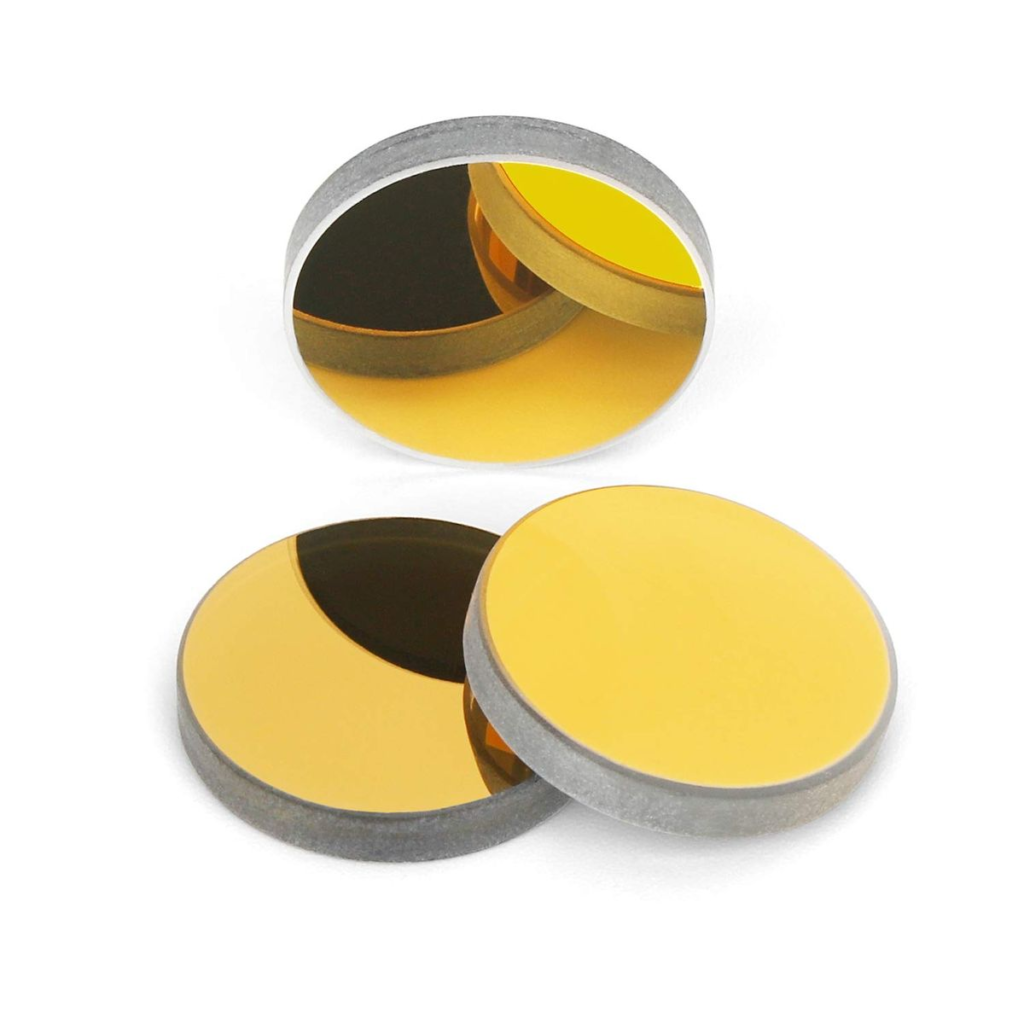
Physical vapor deposition (PVD) is a family of processes used to create thin films by transporting material through a vapor phase and depositing it onto a substrate.
Vacuum-deposited films can provide controlled surface properties while adding relatively little thickness compared with many conventional protective layers. Depending on the process and film composition, these properties may include hardness, wear resistance, optical behavior, and decorative appearance.
PVD is not a single coating material, and not every PVD film has the same abrasion performance. Film composition, deposition conditions, substrate preparation, and the intended contact environment determine whether a particular system is suitable.
For manufacturers evaluating advanced thin-film technologies, SRNC’s Sapphire Super Hard Coating provides a relevant reference for exploring hard-surface protection.
3.4 Multilayer and Engineered Thin-Film Systems
Some applications require a combination of properties that is difficult to achieve with a single homogeneous layer.
Multilayer designs can be developed to balance adhesion, hardness, stress, optical performance, or other functional requirements. The specific architecture must be selected according to the substrate and performance targets.
A multilayer structure is not automatically superior to a single-layer coating. Its value depends on whether the additional complexity produces measurable improvements under the intended service conditions.
4. Key Factors That Determine Abrasion Resistance
When comparing coating options, buyers should look beyond a general claim of durability. Several technical factors influence actual performance.
4.1 Coating Hardness
Hardness indicates resistance to localized deformation under a defined test method. It can help explain how a coating responds to indentation or certain contact conditions.
However, hardness alone does not establish abrasion life. A hard film may still experience wear, cracking, or delamination if its microstructure, adhesion, or mechanical support is inadequate.
For meaningful comparisons, hardness results should be interpreted alongside wear testing and the intended application.
4.2 Film Thickness and Uniformity
Thickness influences the amount of coating material available to withstand wear, but thicker is not always better.
Excessive thickness may increase residual stress or affect dimensional and optical requirements. Insufficient thickness may leave the substrate inadequately protected or fail to meet the intended durability target.
Uniformity also matters. Variations across a component can create inconsistent performance, especially on large panels, curved surfaces, or parts with complex geometries.
The appropriate thickness must be established through process development and validation rather than selected using a universal value.
4.3 Adhesion to the Substrate
Adhesion is critical because the coating needs to remain attached while experiencing mechanical stress.
Factors that influence adhesion include substrate composition, surface contamination, cleaning effectiveness, surface condition, interfacial chemistry, and deposition parameters.
A coating with strong intrinsic wear resistance may still fail early if its interface with the substrate is weak.
4.4 Substrate Properties
Glass, metal, polymer, and composite substrates respond differently to mechanical loading and coating processes.
A rigid coating on a flexible or easily deformed substrate may experience stress when the component bends or changes temperature. Surface preparation and process conditions must also be compatible with the substrate’s thermal and chemical limitations.
Substrate selection and coating design should therefore be treated as one engineering decision.
4.5 Surface Roughness and Contact Conditions
The roughness of both the coated surface and the contacting material can influence wear. Sharp asperities may create localized stress, while abrasive particles can introduce three-body abrasion between two surfaces.
Contact pressure, sliding speed, movement frequency, temperature, and contamination also affect performance.
This explains why a coating that performs well in one standardized test may behave differently in actual service.
4.6 Environmental Stability
Moisture, temperature variation, cleaning chemicals, oils, and other environmental factors may change coating performance or affect the substrate-coating interface.
Where products are used in demanding environments, abrasion tests should be supplemented with relevant environmental and chemical evaluations.
5. Applications of Anti-Abrasion Coatings
Anti-abrasion coatings are used across multiple industries, but each application has different priorities.
5.1 Smartphones and Consumer Electronics
Smartphone housings, camera-related components, decorative panels, and other frequently handled surfaces can experience abrasion from everyday contact.
A suitable coating can help maintain the component’s appearance and surface integrity. However, the performance requirements differ by location.
A decorative back panel may prioritize texture and color retention, while a camera cover requires close attention to optical behavior. A protective layer used on a touch-sensitive surface must also preserve the relevant touch and optical functions.
SRNC’s Texture Coating for Cell Phone Back Panel is relevant when surface appearance and texture are part of the design objective.
5.2 Optical Components and Camera Systems
Optical components must retain their required light transmission, reflection characteristics, and surface quality.
An abrasion-resistant coating may help protect an optical surface during cleaning and routine handling. However, the coating must be engineered so that it does not introduce unacceptable optical losses, haze, reflection changes, or other unwanted effects.
Optical performance should be evaluated using application-specific criteria rather than inferred from a general abrasion rating.
5.3 Decorative Panels and Consumer Products
Decorative panels are judged by their appearance as well as their mechanical durability. Repeated contact can change gloss, reduce surface uniformity, or damage a textured finish.
A successful coating system must preserve the intended visual effect while meeting durability requirements. For textured surfaces, testing should consider whether the texture remains consistent after repeated wear.
5.4 Industrial and Precision Components
Industrial parts may experience repeated sliding, handling, or contact with abrasive materials. In these applications, coating selection must reflect the severity and type of wear.
Some components may prioritize low friction, while others require resistance to localized damage or stable performance under specific environmental conditions.
A coating should be selected only after its material properties and test results are matched to the operating environment.
6. How to Evaluate Anti-Abrasion Coating Performance
A reliable evaluation program connects laboratory testing with the component’s actual service requirements.
6.1 Taber Abrasion Testing
Taber abrasion testing uses rotating abrasive wheels under defined conditions to assess wear behavior. The test may be useful for materials and surfaces where the method is appropriate.
Depending on the application and standard, results can be evaluated through changes such as mass loss, appearance, haze, or other defined performance measures.
Test conditions must be reported consistently. Different wheels, loads, cycle counts, and endpoint criteria can produce results that are not directly comparable.
6.2 Reciprocating or Linear Abrasion Testing
These methods simulate repeated back-and-forth contact between a surface and a specified counterface.
They can help assess the effect of repeated rubbing or sliding, particularly when the motion resembles the component’s service conditions.
Important variables include contact force, stroke length, speed, counterface material, and cycle count.
6.3 Scratch and Hardness Testing
Scratch testing evaluates how a surface responds to a moving stylus under specified conditions. Depending on the method, the evaluation may consider the onset of damage, cracking, penetration, or coating failure.
Hardness testing provides complementary information, but it should not be treated as a direct substitute for abrasion testing.
6.4 Adhesion Testing
Adhesion evaluations help determine whether the coating remains attached to the substrate under the conditions defined by the test method.
Cross-cut or related adhesion tests may be appropriate for certain coating and substrate combinations. Other systems require alternative methods.
Because results depend on the coating structure and substrate, test selection should follow the relevant product specifications and applicable standards.
6.5 Environmental and Appearance Testing
For products exposed to temperature changes, humidity, cleaning agents, or corrosive conditions, environmental testing can help identify potential weaknesses.
Appearance should also be evaluated when gloss, color, transparency, haze, or surface texture is important.
The objective is not simply to obtain a passing result in one test, but to verify that the coating retains its required functions under a realistic combination of service conditions.
7. The Manufacturing Process: From Preparation to Quality Control
Coating performance depends on manufacturing consistency as much as material selection. A well-designed coating may fail to meet expectations if preparation, deposition, or inspection varies between production batches.
Step 1: Substrate Inspection
Incoming materials should be checked for relevant defects, dimensions, contamination, and surface conditions.
Substrate variation can influence coating adhesion and final appearance, so acceptance criteria should be established before production.
Step 2: Cleaning and Surface Preparation
Oil, dust, fingerprints, and other contaminants can interfere with film formation or adhesion.
Cleaning methods must be suitable for the substrate and coating process. Handling controls are also important because contamination can occur again after cleaning.
Step 3: Coating Deposition or Application
The selected coating is applied using a process compatible with the material and required properties.
For vacuum-deposited systems, process parameters may influence film composition, thickness, uniformity, and structure. Appropriate control helps reduce variation between components and batches.
Step 4: Process Inspection
Inspection can identify visible defects, uneven coverage, and other deviations from established requirements.
For functional coatings, visual inspection alone is insufficient. The process should include relevant measurements and performance tests.
Step 5: Performance Verification
Testing should reflect the coating’s intended function. Depending on the application, this may include abrasion resistance, hardness, adhesion, optical measurements, contact angle, environmental stability, or other specified characteristics.
Not every test is necessary for every coating. The inspection plan should be based on product requirements and validated risks.
Step 6: Packaging and Handling
Even a finished coating can be damaged during handling, transport, or assembly.
Suitable packaging and handling procedures help prevent scuffing, contamination, and accidental contact before the component reaches the customer.
8. Common Causes of Premature Coating Wear
Understanding failure mechanisms helps manufacturers avoid unnecessary rework and improve long-term performance.
Selecting a coating based only on hardness. Hardness does not fully describe resistance to repeated wear, impact, or interfacial failure. Evaluate the coating under representative conditions.
Inadequate surface preparation. Residual contamination or an unsuitable substrate condition can weaken adhesion and cause early failure.
Incorrect process parameters. Changes in deposition conditions can affect film thickness, composition, structure, and stress.
Poor substrate compatibility. Differences in thermal expansion, flexibility, or surface chemistry may create problems during manufacturing or service.
Unrepresentative testing. A test that does not reproduce the actual contact mechanism may give a misleading picture of service life.
Insufficient production controls. A coating that performs well on a prototype may not deliver the same results at larger volumes unless process consistency is verified.
Addressing these factors early is usually more effective than trying to correct wear problems after mass production begins.
9. How to Choose an Anti-Abrasion Coating Supplier
For B2B buyers, supplier evaluation should cover both technical capability and manufacturing reliability.
Review the Supplier’s Application Experience
Ask whether the supplier has experience with similar substrates, component geometries, coating functions, and performance requirements.
Experience with decorative surfaces does not automatically establish suitability for precision optical components. The supplier should be able to explain how its process relates to the intended application.
Examine Process Control
A reliable supplier should be able to describe the production workflow, critical process parameters, inspection stages, and procedures for managing deviations.
Consistency matters because coating quality must be maintained across repeated production batches, not just during initial qualification.
Request Relevant Test Evidence
Ask for test methods, sample conditions, acceptance criteria, and actual results where available.
Comparisons are meaningful only when the coating system, substrate, test conditions, and evaluation criteria are sufficiently aligned.
Validate the Coating on the Actual Substrate
Where possible, test representative components rather than relying entirely on generic sample coupons.
Component geometry, edge conditions, surface preparation, and the underlying material can influence the final result.
Plan for Scale-Up
Prototype success is an important milestone, but it does not guarantee mass-production consistency.
Qualification should consider batch repeatability, inspection capacity, packaging, handling, and the ability to maintain critical specifications as volumes increase.
For organizations exploring advanced surface protection for electronic components, SRNC’s website provides an overview of its coating technology and product focus.
10. Future Directions in Abrasion-Resistant Surface Engineering
As consumer electronics and precision components become more compact and functionally integrated, coatings must satisfy increasingly specific requirements.
Several development priorities are particularly relevant.
Multifunctional performance: Manufacturers increasingly seek surfaces that combine wear resistance with optical, decorative, chemical, or other functional properties.
More application-specific testing: Instead of relying on a single universal metric, engineering teams can develop test plans that reflect actual contact conditions and failure risks.
Improved production consistency: Better process monitoring and structured inspection help reduce variation and support more predictable manufacturing outcomes.
Substrate-aware coating design: Coating architecture and deposition conditions must account for the mechanical, thermal, chemical, and optical characteristics of the underlying material.
Lifecycle-focused evaluation: Initial test results are important, but retention of performance after repeated wear, environmental exposure, cleaning, and assembly may be equally important.
These trends reinforce a central principle: effective abrasion resistance comes from designing the complete surface system around its real operating requirements.
Conclusion
Anti-abrasion coatings help manufacturers improve the durability and appearance retention of surfaces exposed to repeated mechanical contact. Their performance depends on more than hardness. Adhesion, film structure, thickness, substrate compatibility, environmental stability, and test methodology all influence the final result.
For B2B buyers, the most effective selection process begins with a clear definition of the wear mechanism, followed by appropriate coating development, representative testing, and production validation.
Whether the application involves consumer electronics, optical components, decorative panels, or precision parts, a coating should be judged by its ability to maintain the required surface functions throughout its intended service life.
SRNC’s focus on vacuum coating technology and advanced coating products provides a starting point for manufacturers investigating protective surface solutions. By matching coating design and quality control to application-specific requirements, engineering teams can make more informed decisions about durability, production consistency, and long-term product performance.
Frequently Asked Questions
What is the difference between anti-abrasion coating and scratch-resistant coating?
Anti-abrasion coating generally focuses on reducing surface wear caused by repeated contact or rubbing. Scratch-resistant coating focuses on limiting damage from localized contact. The two functions overlap, but their performance should be evaluated using tests appropriate to the intended damage mechanism.
Does a harder coating always provide better abrasion resistance?
No. Hardness is only one factor. Adhesion, toughness, film structure, residual stress, substrate support, and contact conditions can all affect wear performance.
Which coating technology is best for abrasion resistance?
There is no universally best technology. Polymer-based, ceramic, and vacuum-deposited thin-film systems offer different combinations of properties. The appropriate choice depends on the substrate, service environment, required appearance, and validated test results.
How can manufacturers verify coating durability?
Manufacturers should use a defined test plan that may include abrasion, scratch, hardness, adhesion, environmental, and appearance evaluations. Test methods and acceptance criteria should reflect the component’s intended use.
Can anti-abrasion coatings be used on optical components?
Yes, provided the coating system is compatible with the optical substrate and preserves the required optical properties. Transmission, reflection, haze, and other relevant parameters should be evaluated alongside mechanical durability.
What should buyers ask a coating supplier before production?
Buyers should ask about substrate compatibility, coating technology, process controls, relevant test data, batch consistency, inspection methods, and validation on representative components. These details help establish whether a coating can meet both performance and manufacturing requirements.