

Anti Abrasion Coating: Engineering Surfaces for Long-Term Wear Resistance
What Is Anti Abrasion Coating?
An anti abrasion coating is a specially engineered surface coating designed to reduce material loss and surface damage caused by repeated mechanical contact, rubbing, sliding, or particle interaction.
Abrasion is different from a single scratch event. In many products, the surface experiences thousands or millions of repeated contacts during normal use. A smartphone may be repeatedly placed on tables or inside pockets. An optical component may be cleaned regularly. An industrial component may experience continuous sliding contact. Even when individual contact events are relatively mild, cumulative wear can gradually change the surface.
An effective anti-abrasion system therefore needs to do more than provide a hard surface. It must combine suitable coating properties with strong adhesion, controlled thickness, appropriate substrate preparation, and consistent manufacturing conditions.
Modern thin-film technologies, including vacuum deposition and PVD-based processes, make it possible to engineer surface properties without substantially changing the dimensions of the underlying component.
For manufacturers of advanced electronics, optical components, glass products, metal parts, and precision components, this provides a practical way to improve surface durability while maintaining the required appearance or functional performance.
Why Abrasion Resistance Matters
Abrasion can affect both the appearance and functionality of a component.
Repeated mechanical contact may cause:
- Fine surface marks
- Loss of gloss or surface texture
- Haze or visible wear
- Material removal
- Changes in surface roughness
- Reduced optical performance
- Contamination retention
- Exposure of the underlying substrate
- Degradation of decorative finishes
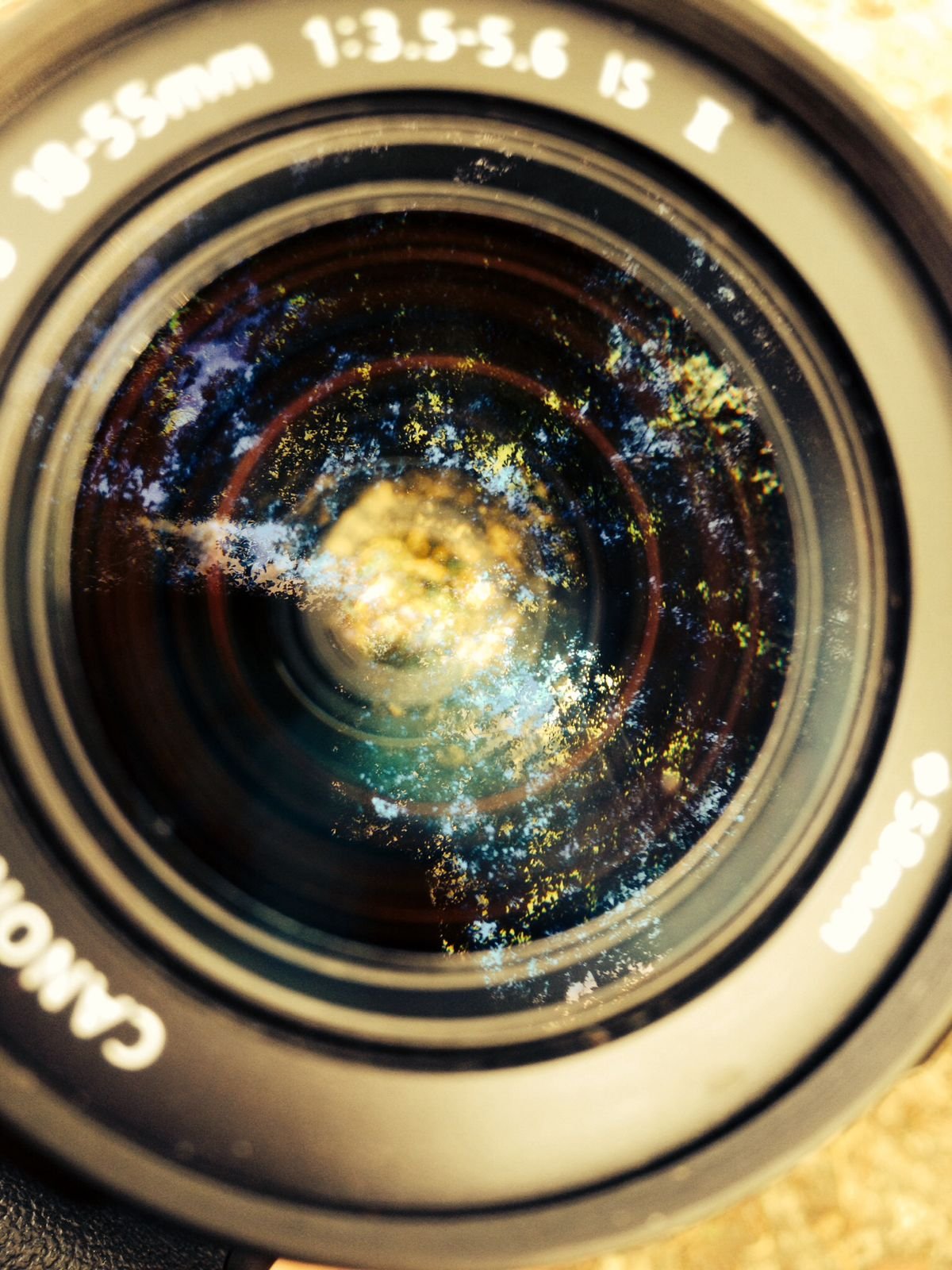
For consumer electronics, visible wear can negatively affect the perceived quality of a product. For optical components, even small amounts of surface damage or contamination can become more important because the surface forms part of the optical path.
In industrial components, abrasion can gradually change dimensions or surface characteristics.
This is why abrasion resistance should be considered as part of the complete surface engineering strategy rather than treated as an isolated material specification.
Abrasion Resistance vs. Hardness
Hardness and abrasion resistance are closely related, but they are not identical.
A harder surface can generally provide better resistance to certain forms of mechanical damage. However, real-world abrasion performance depends on several interacting factors.
These include:
- Coating hardness
- Coating adhesion
- Film thickness
- Elastic and residual stress
- Substrate hardness
- Surface roughness
- Coefficient of friction
- Counter-body material
- Contact pressure
- Number of contact cycles
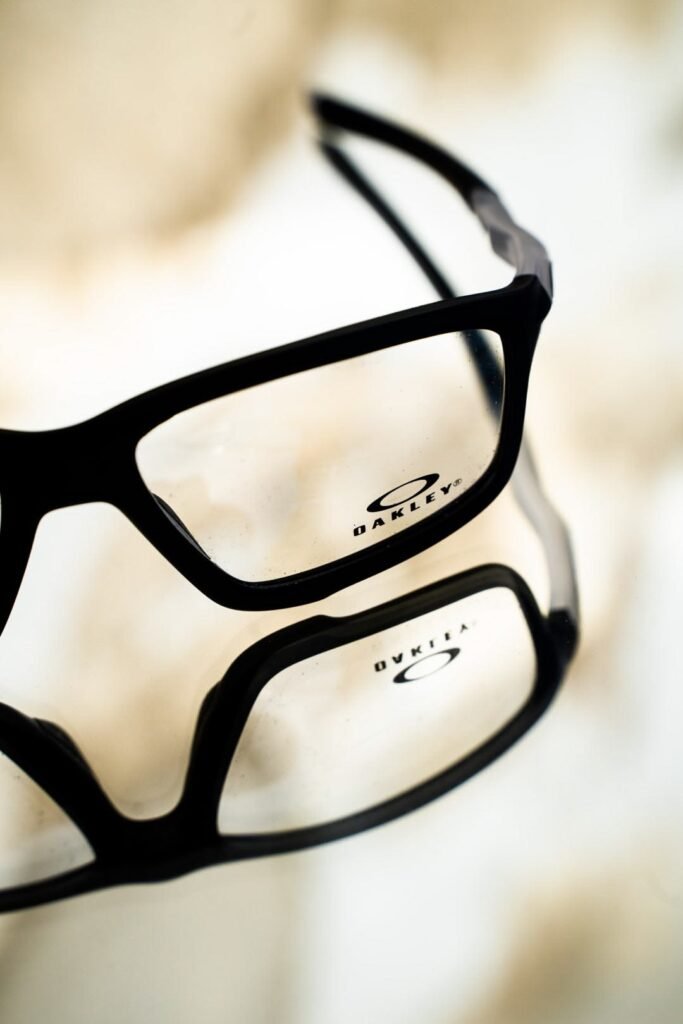
For example, a very hard coating with poor adhesion may fail prematurely if repeated mechanical loading causes the coating to crack or delaminate.
Likewise, increasing coating thickness does not automatically guarantee better wear performance. The coating structure and its relationship with the substrate must also be considered.
A well-designed anti-abrasion coating is therefore a system rather than simply a hard material deposited onto a surface.
How Does an Anti Abrasion Coating Work?
The basic principle is to introduce a durable engineered layer between the substrate and the source of mechanical wear.
During repeated contact, the coating absorbs or resists part of the mechanical stress that would otherwise be transferred directly to the substrate.
Depending on the coating architecture, several mechanisms can contribute to improved performance.
1. Increased Surface Hardness
A hard thin film can resist plastic deformation caused by contact.
When a relatively soft surface is exposed to repeated mechanical interaction, microscopic deformation can accumulate. A harder coating can reduce this deformation and help maintain surface integrity.
2. Reduced Material Removal
Abrasion occurs when material is gradually removed from a surface.
A properly engineered coating can reduce the rate at which material is displaced or removed during repeated sliding and rubbing.
3. Stronger Interface Protection
The coating-substrate interface is critical.
If adhesion is insufficient, repeated mechanical loading can produce cracking, peeling, or delamination. Surface preparation and deposition conditions therefore have a direct influence on abrasion performance.
4. Controlled Surface Friction
In some applications, reducing friction can help reduce mechanical interaction between surfaces.
The exact friction behavior depends on the coating composition, surface morphology, counter material, contact conditions, and environment.
5. Multilayer or Nanocomposite Structures
Advanced coating architectures can combine different material characteristics within a controlled thin-film structure.
Multilayer and nanocomposite approaches can be used to balance hardness, toughness, adhesion, stress, and environmental stability.
The optimal architecture depends on the substrate and application requirements.
PVD Technology for Anti Abrasion Applications
Physical vapor deposition, commonly known as PVD, is an important technology for producing advanced thin-film coatings.
In a vacuum environment, coating materials are transformed into a vapor or energetic species and deposited onto prepared substrates.
Different PVD approaches can be selected according to the required performance and product geometry. Magnetron sputtering and other vacuum deposition technologies can provide controlled thin films with high repeatability.
One of the advantages of vacuum coating is that the deposited layer can be engineered at a relatively small thickness while still providing meaningful surface functionality.
For precision components, this can be particularly valuable because the coating should improve surface performance without significantly altering the component’s original dimensions.
The Importance of Substrate Preparation
A high-performance anti abrasion coating starts with a properly prepared substrate.
Contamination, oil, particles, moisture, or inappropriate surface conditions can weaken the coating-substrate interface.
A typical production sequence may include:
- Incoming material inspection
- Surface cleaning
- Removal of contaminants
- Surface conditioning
- Loading into the coating system
- Vacuum treatment
- Thin-film deposition
- Process inspection
- Final quality inspection
The exact process depends on the substrate material and product requirements.
Glass, sapphire, stainless steel, aluminum, ceramic, and engineering plastics can behave differently during coating. Surface preparation must therefore be adapted to the material rather than treated as a universal procedure.
Anti Abrasion Coating for Glass
Glass is widely used in consumer electronics, optical products, displays, covers, and other precision components.
Although glass can provide useful surface hardness, it can still experience scratching and abrasion during handling and everyday use.
An engineered coating can add another level of surface protection.
Potential benefits include:
- Improved resistance to repeated contact
- Better retention of surface appearance
- Reduced susceptibility to fine abrasion
- Compatibility with optical requirements
- Support for additional functional surface treatments
For optical glass, the coating must also be carefully engineered so that improved durability does not compromise optical performance.
This makes film thickness, refractive behavior, uniformity, and surface quality important considerations.
Anti Abrasion Coating for Sapphire
Sapphire is already recognized for its high hardness and is used in demanding optical and protective applications.
However, sapphire components may still require engineered surface treatments depending on the application’s mechanical, optical, or functional requirements.
A specialized coating system can be designed to complement the substrate rather than simply replace its inherent properties.
SRNC’s Sapphire Super Hard Coating focuses on advanced surface protection for applications where hardness and durability are important performance considerations.
The key is to evaluate the complete substrate-coating system, including adhesion, film structure, surface condition, and service environment.
Anti Abrasion Coating for Consumer Electronics
Consumer electronics provide a particularly demanding environment for surface coatings.
Products are frequently:
- Handled repeatedly
- Placed on different surfaces
- Cleaned with cloths
- Exposed to fingerprints
- Exposed to cosmetic or household contaminants
- Subjected to friction during transportation
- Exposed to environmental humidity and temperature changes
Smartphones, cameras, wearable devices, optical components, and other electronics can therefore benefit from carefully engineered surface protection.
For smartphone camera components, abrasion resistance may need to work together with optical transparency and other functional requirements.
SRNC’s Functional Coating for Cell Phone Camera is an example of a coating application where surface functionality and optical requirements must be considered together.
Anti Abrasion Coating and Optical Performance
For transparent or optical components, durability cannot be evaluated independently from light transmission.
A coating may provide strong mechanical protection but still be unsuitable if it introduces excessive reflection, absorption, haze, or scattering.
Optical applications therefore require attention to:
- Film thickness
- Refractive index
- Layer structure
- Surface uniformity
- Optical transmission
- Reflection
- Scattering
- Wavelength range
- Angle of incidence
This is particularly important for camera cover glass, optical windows, lenses, and other components where the coated surface interacts directly with transmitted light.
The design objective is not simply to make the surface harder. It is to create a coating system that meets both mechanical and optical requirements.
Film Thickness and Uniformity
Coating thickness has a direct relationship with performance.
If a film is too thin, it may not provide sufficient protection. If it is excessively thick, internal stress, dimensional considerations, optical effects, or other process challenges may become more significant.
Uniformity is equally important.
A component with inconsistent coating thickness may show variations in:
- Abrasion resistance
- Appearance
- Optical performance
- Surface color
- Adhesion
- Functional behavior
For complex geometries, maintaining consistent deposition conditions across the usable surface becomes an important manufacturing challenge.
Testing Anti Abrasion Performance
Coating performance should be validated through controlled testing rather than evaluated only by visual inspection.
Depending on the application, manufacturers may evaluate:
Abrasion Testing
Repeated mechanical contact is used to assess how well the coating maintains its surface condition.
Scratch Testing
Controlled mechanical contact can be used to determine resistance to scratching and surface damage.
Adhesion Testing
Adhesion evaluation helps determine whether the coating remains attached to the substrate after mechanical or environmental stress.
Surface Hardness Testing
Hardness measurements can provide useful information about the resistance of the coating to deformation.
Environmental Testing
Temperature, humidity, chemical exposure, and other environmental conditions can be incorporated into qualification programs.
SRNC’s manufacturing capabilities include coating inspection and testing equipment such as film abrasion testers, reflection testers, automatic contact angle testers, cross-cutting testers, resistance testers, constant temperature and humidity testing equipment, and salt spray testing equipment.
The exact test method should be selected according to the product’s actual application and customer specification.
Abrasion Resistance Is Not the Same as Scratch Resistance
These terms are often used together, but they describe different forms of mechanical damage.
A scratch is generally associated with a localized event where a harder object creates a visible groove or mark.
Abrasion typically involves repeated contact that gradually wears the surface.
A coating can therefore be evaluated for both scratch resistance and abrasion resistance, but the two tests should not automatically be considered interchangeable.
For a product exposed to repeated rubbing, abrasion testing may provide more relevant information.
For a component that may encounter sharp particles or hard objects, scratch testing can be particularly important.
The right evaluation method should reflect the actual failure mechanism expected during product use.
Designing a Reliable Anti Abrasion Coating System
A successful coating specification should begin with the application rather than the coating name.
Manufacturers should first define:
- Substrate material
- Product geometry
- Surface area
- Expected contact conditions
- Contact frequency
- Counter-body material
- Environmental conditions
- Optical requirements
- Appearance requirements
- Expected service life
- Required testing standards
This information helps determine the appropriate coating architecture and process.
For example, an optical component may prioritize transmission and surface quality, while a decorative metal component may place greater emphasis on abrasion resistance, appearance retention, and chemical resistance.
A single coating specification cannot necessarily optimize every application.
Why Production Consistency Matters
Laboratory samples can demonstrate that a coating concept works, but mass production introduces additional challenges.
Production coating must maintain consistent:
- Cleaning conditions
- Vacuum conditions
- Deposition parameters
- Film thickness
- Surface preparation
- Fixture positioning
- Process timing
- Inspection procedures
Small variations can become significant when thousands or millions of components are manufactured.
For this reason, selecting an anti abrasion coating supplier should involve evaluating not only coating technology but also production capability, process control, testing resources, and quality management.
Choosing an Anti Abrasion Coating Supplier
When evaluating suppliers, manufacturers should consider several technical questions.
Can the supplier work with your substrate?
Different substrates require different preparation and deposition strategies.
Can the supplier control coating uniformity?
Uniform film thickness is important for predictable performance.
Can the supplier provide testing?
A coating supplier should be able to support meaningful performance verification.
Can the process scale from samples to production?
Prototype success is only one stage of qualification. The supplier should also demonstrate a practical path toward stable mass production.
Can the supplier integrate multiple requirements?
Many modern components need abrasion resistance together with optical, decorative, hydrophobic, chemical, or other functional properties.
A supplier capable of addressing the complete surface requirement can simplify development and qualification.
From Surface Protection to Surface Engineering
The role of advanced coating technology is increasingly moving beyond basic protection.
A modern thin-film system can be designed to provide multiple surface characteristics within one engineered solution.
Depending on the application, these may include:
- High hardness
- Abrasion resistance
- Scratch resistance
- Optical control
- Chemical resistance
- Corrosion resistance
- Hydrophobic properties
- Oleophobic properties
- Decorative appearance
- Controlled surface texture
This broader approach is often described as surface engineering.
Instead of treating the coating as an additional layer added at the end of manufacturing, engineers can treat the surface as an engineered functional component.
Conclusion
An anti abrasion coating is most effective when it is designed as part of a complete substrate-and-coating system.
Hardness is important, but long-term abrasion performance also depends on adhesion, film structure, thickness, surface preparation, friction, environmental conditions, and manufacturing consistency.
For glass, sapphire, metal, ceramic, optical components, and consumer electronics, vacuum deposition and advanced thin-film technologies provide practical ways to improve surface durability while maintaining important functional or aesthetic characteristics.
For manufacturers, the most useful approach is to define the actual wear mechanism and service environment first, then select the coating structure, deposition process, and testing program around those requirements.
A technically capable coating partner can help connect material selection, surface preparation, thin-film deposition, testing, and production control into one repeatable manufacturing process. That is what turns an abrasion-resistant coating concept into a reliable industrial surface solution.