In this article
A custom optical coating project starts with the component and its acceptance requirements. Prepare the substrate, dimensions, coated and masked areas, wavelength range, angle of incidence, target transmission or reflection, quantity and intended operating environment. This guide focuses on project preparation and supplier evaluation; our optical vacuum coating overview explains the process background.
SRNC reviews each enquiry individually. The proposed solution, sample scope, applicable tests, quotation, order quantity and delivery schedule are agreed after technical review. Please share your target dates as requirements for assessment.
Unlike traditional surface treatment methods, vacuum deposition technology creates extremely thin and uniform coating layers inside a controlled vacuum environment. These coatings can enhance reflection control, light transmission, scratch resistance, and product reliability.
SRNC specializes in customized optical coating solutions for global manufacturers. Our vacuum coating service for optical components by SRNC supports different industries requiring high-precision coating performance.
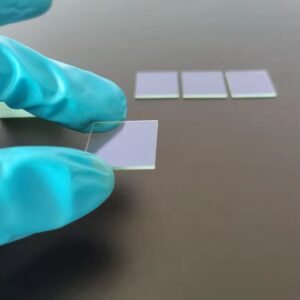
1. Prepare the component brief
Identify the part and its intended use. Provide the substrate, dimensions, drawing revision, surface condition, coated faces and any masking or handling constraints. Begin with non-confidential information; discuss confidentiality arrangements before sharing sensitive drawings.
2. Turn optical targets into acceptance requirements
Specify the wavelength interval, angle of incidence, polarisation and target transmission or reflection. Identify the measurement conditions and whether limits apply to the coating, a single surface or the finished component. Share existing curves or reference samples when available, and mark unknown requirements for discussion.
3. Define a useful sample evaluation
Explain what the sample stage must establish: compatibility, spectral response, appearance, adhesion or another application-specific requirement. Agree the sample substrate, preparation, quantity, test conditions and acceptance criteria before starting. A result from a different substrate or test condition does not automatically establish suitability for your component.
4. Evaluate a supplier against the actual project
Ask how the supplier will review your substrate and geometry, document the agreed targets and report evaluation results. Request evidence relevant to the proposed process and application. Confirm which measurements are included and whether any external testing needs separate agreement.
5. Confirm the technical and commercial proposal
A project-specific proposal should identify the specification revision, scope of work, samples, testing, deliverables and each party’s responsibilities. Quotation, order quantity, payment terms and sample or production schedule are agreed after review of the actual requirements.
6. Plan the transition from samples to production
Before the next stage, review the evaluation results and any unresolved requirements. Agree how changes to the substrate, drawing, coating target or test method will be assessed. Confirm production inspection, packaging and handling requirements for the intended component.
Start a project review
You can begin with an incomplete brief if the unknowns are clearly identified. Read the optical vacuum coating overview for process background, or send a custom optical coating enquiry. Technical feasibility and commercial terms remain subject to individual project review.