

AR Coating vs Anti Glare Coating: Differences, Applications, and Selection Guide

Modern optical and electronic products require advanced surface technologies to improve visibility, performance, and user experience.
When selecting a surface treatment for glass, lenses, displays, and optical components, manufacturers often compare AR coating vs anti glare coating to determine the best solution.
Although both coatings help improve optical performance, they work in different ways.
AR coating (Anti-Reflective Coating) is designed to reduce surface reflection and increase light transmission.
Anti-glare coating (AG coating) is designed to reduce unwanted glare by scattering reflected light.
Understanding the differences between AR coating and anti-glare coating helps manufacturers select the right coating technology for their specific applications.
What Is AR Coating?
AR coating, also known as anti-reflective coating, is an optical thin-film coating designed to reduce light reflection from a surface.
When light reaches an untreated glass or optical surface, part of the light is reflected back. This reflection can reduce:
- Light transmission
- Image clarity
- Optical efficiency
AR coating uses carefully designed thin-film layers to control light interference and minimize reflection.
Common applications include:
- Camera lenses
- Optical windows
- Display glass
- Microscope components
- Precision optical systems
What Is Anti Glare Coating?
Anti-glare coating, also called AG coating, is a surface treatment designed to reduce glare caused by external light sources.
Instead of minimizing reflection through optical interference, anti-glare coatings create a controlled surface texture that scatters reflected light.
This helps reduce:
- Bright reflections
- Screen glare
- Visual discomfort
Common applications include:
- Display panels
- Touch screens
- Electronic devices
- Industrial monitors
AR Coating vs Anti Glare Coating: Main Differences
| Feature | AR Coating | Anti Glare Coating |
|---|---|---|
| Full name | Anti-Reflective Coating | Anti-Glare Coating |
| Main function | Reduce reflection | Reduce glare |
| Working principle | Optical interference | Light scattering |
| Main benefit | Higher light transmission | Better viewing comfort |
| Surface appearance | Clear and transparent | Slightly matte finish |
| Common applications | Cameras, lenses, optical parts | Displays, monitors, touch panels |
How AR Coating Works
AR coating uses multiple thin-film layers with carefully controlled thickness and material properties.
The coating works by creating interference between reflected light waves.
The result:
- Less reflected light
- More transmitted light
- Improved optical efficiency
AR coatings are especially valuable in applications where maximum light transmission is important.
Examples:
- Camera lenses
- Optical sensors
- Precision imaging systems
How Anti Glare Coating Works
Anti-glare coating modifies the surface characteristics to scatter reflected light.
Instead of creating sharp reflections, incoming light is distributed in different directions.
Benefits include:
- Reduced bright spots
- Improved screen readability
- Better viewing comfort
This makes AG coating especially useful for displays and electronic devices used under different lighting conditions.
AR Coating vs Anti Glare Coating: Application Comparison
Camera Lens Applications
For camera and imaging systems, AR coating is usually preferred because optical clarity and light transmission are critical.
Benefits:
- Reduced lens reflection
- Improved image quality
- Better low-light performance
Display Applications
For displays, anti-glare coating is commonly selected.
Benefits:
- Reduced screen reflection
- Improved outdoor visibility
- More comfortable viewing experience
Electronic Glass Applications
Modern electronic products may require both technologies.
For example:
A display cover glass may use:
- AR coating for optical transparency
- Anti-glare coating for reflection control
The final solution depends on product requirements.
Advantages of AR Coating
Improved Light Transmission
AR coating allows more light to pass through the surface.
This improves optical efficiency in:
- Lenses
- Sensors
- Imaging systems
Better Image Quality
Reducing unwanted reflections helps improve:
- Contrast
- Clarity
- Optical performance
Professional Optical Performance
AR coatings are widely used in precision optical applications requiring controlled light transmission.
Advantages of Anti Glare Coating
Reduced Visual Discomfort
Anti-glare coatings help reduce harsh reflections from surrounding light sources.
Better Screen Visibility
AG coating improves readability in environments with:
- Office lighting
- Outdoor light
- Strong reflections
Improved User Experience
This makes it suitable for:
- Touch displays
- Industrial monitors
- Consumer electronics
Can AR Coating and Anti Glare Coating Be Combined?
Yes.
In many advanced applications, AR and anti-glare technologies are combined to achieve multiple functions.
For example:
Display cover glass may require:
- Anti-reflective performance
- Reduced glare
- Surface protection
A customized coating structure can provide both optical enhancement and user comfort.
Choosing Between AR Coating and Anti Glare Coating
Choose AR coating when your priority is:
- Maximum light transmission
- Optical clarity
- Lens performance
- Imaging quality
Choose anti-glare coating when your priority is:
- Reducing reflections
- Improving display readability
- User viewing comfort
For some applications, a combination of both technologies provides the best performance.
Optical Coating Processing for Customer-Supplied Components
At SRNC, we specialize in advanced surface coating processing for customer-supplied components.
We do not manufacture lenses, displays, glass products, or finished electronic devices.
Instead, customers provide their own components, and SRNC applies customized coating solutions designed to improve:
- Optical performance
- Surface functionality
- Reflection control
- Appearance consistency
Our coating processing capabilities support applications including:
- Camera lens components
- Optical glass
- Display-related glass components
- Sapphire and quartz materials
- Precision optical parts
By focusing on coating technology, SRNC helps customers achieve reliable surface performance while maintaining the original precision requirements of their components.
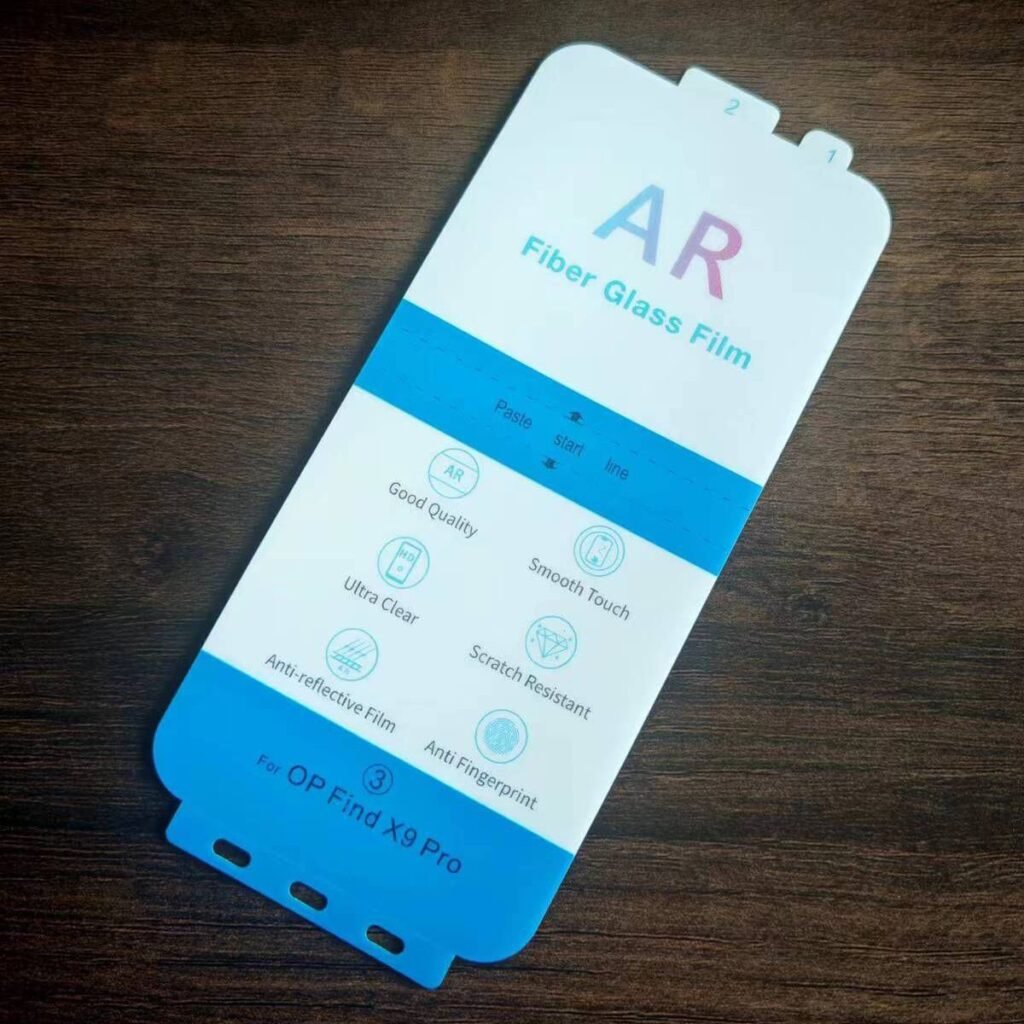
Future Trends in AR and Anti Glare Coating Technology
As optical and electronic products continue to evolve, coating requirements are becoming more advanced.
Future developments include:
- Multi-functional optical coatings
- AR + AG combined solutions
- Improved durability
- Better environmental resistance
- Advanced thin-film structures
These technologies will continue supporting innovation in:
- Consumer electronics
- Optical devices
- Displays
- Imaging systems
Conclusion
AR coating vs anti glare coating represents two different approaches to improving optical surface performance.
AR coating focuses on reducing reflection and increasing light transmission, making it ideal for optical components such as lenses and imaging systems.
Anti-glare coating focuses on reducing reflected glare and improving viewing comfort, making it suitable for displays and electronic glass applications.
The correct choice depends on the final application requirements.
For companies requiring professional optical coating processing, SRNC provides customized coating solutions for customer-supplied components, helping improve optical performance and surface functionality.