

What Materials Can Be Texture Coated? A Guide to Compatible Substrates
Introduction
When developing a textured surface for a new product, one of the first technical questions is: what materials can be texture coated?
Texture coating can be applied to a wide range of substrates, but there is no universal coating process that works identically on every material. Glass, metal, ceramic, polymers, and composite materials have different surface characteristics, thermal behavior, chemical properties, and adhesion requirements.
The substrate therefore plays an important role in determining how the texture coating should be designed and applied.
For consumer electronics, the choice can be particularly important. A smartphone back panel, for example, may use glass, ceramic, polymer-based materials, or other engineered substrates. Each material can require a different surface preparation and coating strategy to achieve consistent appearance, adhesion, durability, and tactile performance.
This guide explains the major material categories that can be texture coated and the factors manufacturers should consider before selecting a coating system.
What Is a Texture-Coated Material?
A texture-coated material is a substrate that receives a controlled surface treatment designed to create a specific visual or tactile finish.
The texture may contribute to:
- Matte appearance
- Satin appearance
- Fine surface patterns
- Controlled gloss
- Decorative effects
- Tactile differentiation
- Reduced visual visibility of minor surface marks
- Product-specific aesthetic characteristics
Texture coating is therefore not limited to one particular material.
The important question is not simply whether a material can be coated, but whether the substrate and coating system can be engineered to work together.
Factors such as surface energy, roughness, cleanliness, thermal sensitivity, dimensional stability, and chemical compatibility all influence the result.
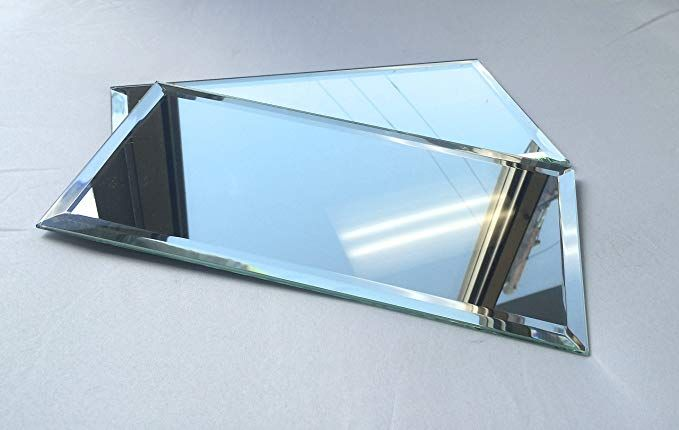
1. Glass
Glass is one of the important substrates for advanced decorative and functional surface coatings.
It is widely used in consumer electronics because of its optical appearance, dimensional stability, and premium surface characteristics.
Texture coating can be used on glass to create finishes such as:
- Matte surfaces
- Satin effects
- Frosted visual effects
- Fine decorative textures
- Controlled reflective appearance
However, glass surfaces must be properly prepared before coating.
Contamination, particles, fingerprints, or residues can interfere with coating adhesion and produce visible defects.
The coating system also needs to be compatible with the glass surface and the intended application.
For smartphone components, this can be particularly important because the finished surface may be exposed to frequent handling, friction, cleaning, and environmental conditions.
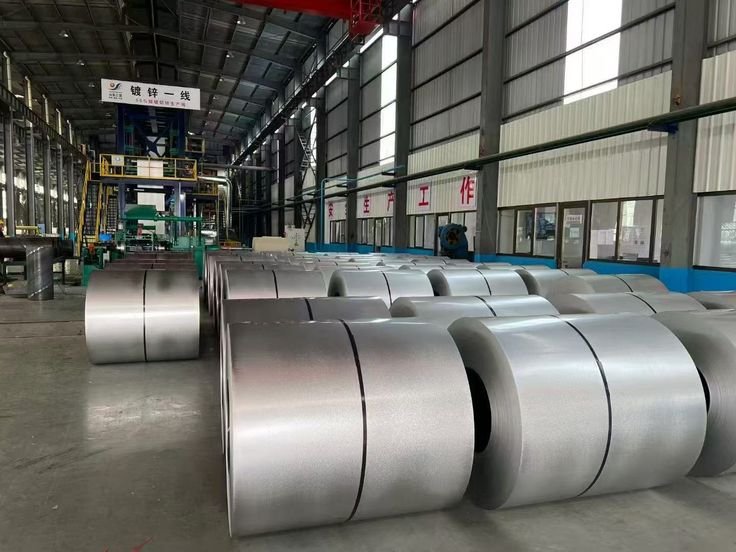
2. Metal
Metal is another major category of texture-coatable substrates.
Potential metal substrates include materials such as:
- Aluminum
- Stainless steel
- Other engineering metals
Metal surfaces can be textured to produce both functional and decorative effects.
A textured metal surface may be designed to provide a particular visual appearance, tactile response, or surface characteristic.
However, metal substrates introduce their own considerations.
Different metals have different:
- Surface chemistry
- Oxide characteristics
- Thermal behavior
- Surface roughness
- Adhesion behavior
- Corrosion characteristics
As a result, surface preparation needs to be matched to the specific metal.
Cleaning and activation can be particularly important because oils, oxides, machining residues, and other contaminants can affect the coating interface.
For advanced metal components, coating selection should also consider whether the final surface needs additional resistance to scratching, abrasion, chemicals, or corrosion.
3. Aluminum
Aluminum deserves separate consideration because it is widely used in consumer electronics and industrial components.
Its relatively low density and useful mechanical properties make it attractive for lightweight product designs.
Texture coating can change the appearance and tactile characteristics of aluminum surfaces.
Possible design objectives include:
- Matte metallic appearance
- Fine texture
- Satin finish
- Decorative surface effects
- Improved visual differentiation
However, aluminum naturally forms an oxide layer. The condition of this surface can influence coating adhesion and consistency.
Therefore, cleaning and surface preparation are critical before applying the coating.
The coating process should also account for the geometry and thermal characteristics of the aluminum component.
4. Stainless Steel
Stainless steel can also receive textured surface treatments.
It is frequently selected when designers need a combination of mechanical strength, corrosion resistance, and premium appearance.
Texture coating can modify the surface character of stainless steel without changing the underlying material.
Depending on the process, manufacturers can develop surfaces with:
- Fine matte effects
- Satin finishes
- Decorative patterns
- Controlled visual contrast
The surface condition of stainless steel is especially important.
Oil, fingerprints, polishing residues, and other contaminants can affect the coating interface. Proper cleaning and preparation are therefore essential.
The required coating system should also be evaluated against the intended mechanical and environmental conditions.
5. Ceramic
Ceramic is another substrate that can be considered for advanced texture coating.
Ceramic components can provide:
- High surface hardness
- Distinctive appearance
- Dimensional stability
- Premium tactile characteristics
In consumer electronics, ceramic can be used where designers want a different appearance or feel from conventional glass or metal.
However, ceramic surfaces can vary significantly depending on their composition and manufacturing process.
Surface porosity, roughness, glazing, and finishing condition can all affect coating behavior.
Consequently, ceramic coating development normally requires substrate-specific testing rather than simply transferring a coating recipe from another material.
6. Engineering Plastics and Polymers
Can plastic be texture coated?
Yes, certain polymers and engineering plastics can receive textured surface treatments, but the process often requires greater consideration of thermal and chemical compatibility.
Polymers can have different characteristics from glass and metal, including:
- Lower temperature resistance
- Different surface energy
- Different coefficient of thermal expansion
- Greater sensitivity to solvents or process conditions
- Different adhesion behavior
These factors can influence coating selection and processing conditions.
A coating process suitable for a rigid glass substrate may not be directly transferable to a polymer component.
For polymer-based products, manufacturers should therefore evaluate:
- Substrate temperature limitations
- Surface preparation requirements
- Coating adhesion
- Dimensional stability
- Chemical compatibility
- Long-term durability
With appropriate process development, textured polymer surfaces can be used in consumer products and other applications where appearance and tactile characteristics are important.
7. Composite Materials
Composite materials can also be candidates for texture coating.
Composites are engineered from multiple materials, which means their surface behavior can be different from that of a single homogeneous substrate.
Potential challenges include:
- Different surface compositions
- Variable surface energy
- Local differences in roughness
- Thermal expansion differences
- Resin-rich or fiber-rich regions
- Complex finishing requirements
Before coating a composite component, manufacturers should characterize the actual surface that will receive the coating.
The coating process should then be developed around that specific substrate rather than assuming that the material will behave like conventional metal, glass, or plastic.
Why Does the Substrate Matter So Much?
The substrate is not simply a support structure beneath the coating.
It forms one half of the coating interface.
The interaction between substrate and coating can influence:
- Adhesion
- Surface appearance
- Durability
- Scratch resistance
- Wear resistance
- Chemical resistance
- Environmental stability
- Texture consistency
For example, two materials may receive the same coating material but produce different results because their surface chemistry and thermal behavior are different.
This is why experienced coating manufacturers evaluate the substrate before defining the final process.
How Surface Preparation Changes With Material
One of the most important answers to what materials can be texture coated is that different substrates require different preparation strategies.
Glass
The primary concerns often include cleanliness, surface condition, particles, and adhesion.
Metal
Cleaning, oxide condition, surface roughness, and activation can be important.
Ceramic
Surface composition, roughness, porosity, and finishing condition may require evaluation.
Polymer
Temperature sensitivity, surface energy, chemical compatibility, and adhesion can be particularly important.
Composite
The actual surface composition and uniformity need to be understood before coating.
This means substrate preparation is not a standardized step that can simply be copied between products.
Can Texture Coating Be Applied to Different Shapes?
The material is only one consideration.
Component geometry can also affect coating results.
A part may include:
- Flat surfaces
- Curved surfaces
- Edges
- Corners
- Recessed areas
- Openings
- Complex three-dimensional geometries
Coating uniformity can become more challenging as geometry becomes more complex.
For vacuum coating processes, equipment configuration, component positioning, and process parameters can influence deposition uniformity.
Therefore, both material and geometry should be considered during coating development.
Texture Coating for Smartphone Back Panels
Smartphone back panels demonstrate why substrate selection is so important.
A manufacturer may choose different materials depending on product design and performance objectives. Once the substrate has been selected, the coating system needs to be adapted to that material.
The finished back panel may need to combine:
- Attractive appearance
- Controlled texture
- Comfortable tactile characteristics
- Scratch resistance
- Wear resistance
- Chemical resistance
- Strong coating adhesion
- Consistent color
- Uniform surface appearance
This makes smartphone texture coating a multidisciplinary process involving materials engineering, surface preparation, coating technology, design, and quality control.
SRNC’s Texture Coating for Cell Phone Back Panel is specifically relevant to this application area.
How Vacuum Coating Works With Different Substrates
Advanced texture coating can involve vacuum deposition technologies.
A simplified process may include:
Substrate Preparation → Cleaning → Loading → Vacuum Pumping → Surface Treatment → Film Deposition → Inspection
During deposition, parameters such as vacuum conditions, material selection, deposition rate, substrate temperature, and film thickness can affect the final coating.
For some products, multilayer thin-film structures may be used to achieve a particular combination of appearance and performance.
The substrate must remain compatible with these processing conditions.
For example, a temperature-sensitive polymer may require a different process window from a glass or metal component.
This is why coating development should always consider the complete substrate-and-coating system.
What Makes a Good Substrate for Texture Coating?
There is no single material that is universally “best” for texture coating.
Instead, a suitable substrate should be evaluated according to the final product requirements.
Important factors include:
Surface Quality
A stable and appropriately prepared surface provides a better foundation for coating.
Thermal Stability
The substrate should tolerate the relevant processing conditions.
Adhesion Compatibility
The coating must form a reliable interface with the substrate.
Dimensional Stability
The component should maintain its required dimensions throughout processing.
Mechanical Requirements
The substrate and coating should work together under expected handling and use conditions.
Environmental Resistance
The complete surface system should tolerate the expected humidity, temperature, chemicals, and mechanical exposure.
Testing Texture Coatings on Different Materials
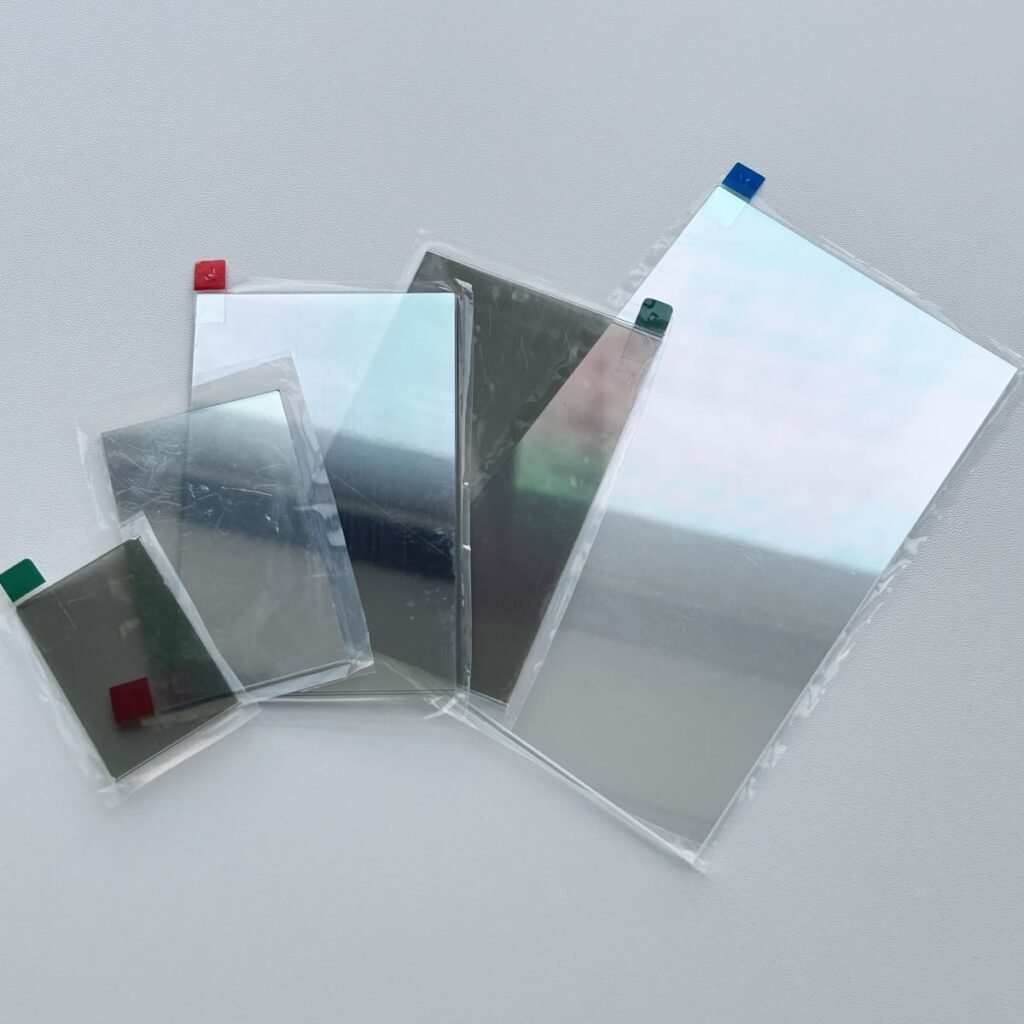
Because substrates behave differently, testing is an important part of coating development.
Potential evaluations include:
- Adhesion testing
- Scratch resistance
- Abrasion resistance
- Chemical resistance
- Surface appearance
- Gloss or reflection
- Contact-angle measurement
- Environmental testing
- Thickness measurement
SRNC’s broader coating technology portfolio includes Sapphire Super Hard Coating, illustrating how surface engineering can be designed around demanding durability requirements.
Testing should be performed on the actual substrate whenever possible.
A coating that performs well on glass should not automatically be assumed to perform identically on aluminum, ceramic, or polymer.
How to Select a Texture Coating for Your Material
When developing a textured component, manufacturers can use the following process:
Step 1: Identify the substrate
Determine whether the component is glass, metal, ceramic, polymer, or composite.
Step 2: Define the surface objective
Specify the required texture, gloss, color, tactile effect, and visual appearance.
Step 3: Define performance requirements
Establish requirements for scratch resistance, abrasion, chemical resistance, adhesion, and environmental durability.
Step 4: Evaluate surface preparation
Determine what cleaning and pre-treatment the substrate requires.
Step 5: Select the coating technology
Choose a suitable deposition or surface-treatment method.
Step 6: Produce samples
Test the coating on the actual substrate and geometry.
Step 7: Validate performance
Compare the sample against defined appearance and performance specifications.
Step 8: Scale to production
Establish repeatable process parameters and quality-control procedures before mass production.
This approach reduces the risk of discovering substrate compatibility problems after production has already begun.
Conclusion
So, what materials can be texture coated?
A wide range of substrates can potentially receive texture coating, including glass, aluminum, stainless steel, other metals, ceramic, engineering plastics, polymers, and composite materials.
However, the fact that a material can be coated does not mean that the same coating process will work equally well on every substrate.
The surface chemistry, roughness, thermal characteristics, dimensional stability, and adhesion behavior of each material must be considered. Proper cleaning and surface preparation are essential, while coating parameters may need to be adjusted according to the substrate.
For consumer electronics, particularly smartphone back panels, texture coating should be developed as a complete surface engineering system. The objective is to combine the desired appearance and tactile effect with reliable adhesion, durability, and production consistency.
For manufacturers evaluating a new textured surface, working with a coating partner that understands both substrate behavior and coating technology can simplify development and improve the transition from prototype to mass production.
Related SRNC resources: