

What Is Texture Coating? A Complete Guide to Surface Texture, Materials, and Applications
What Is Texture Coating?
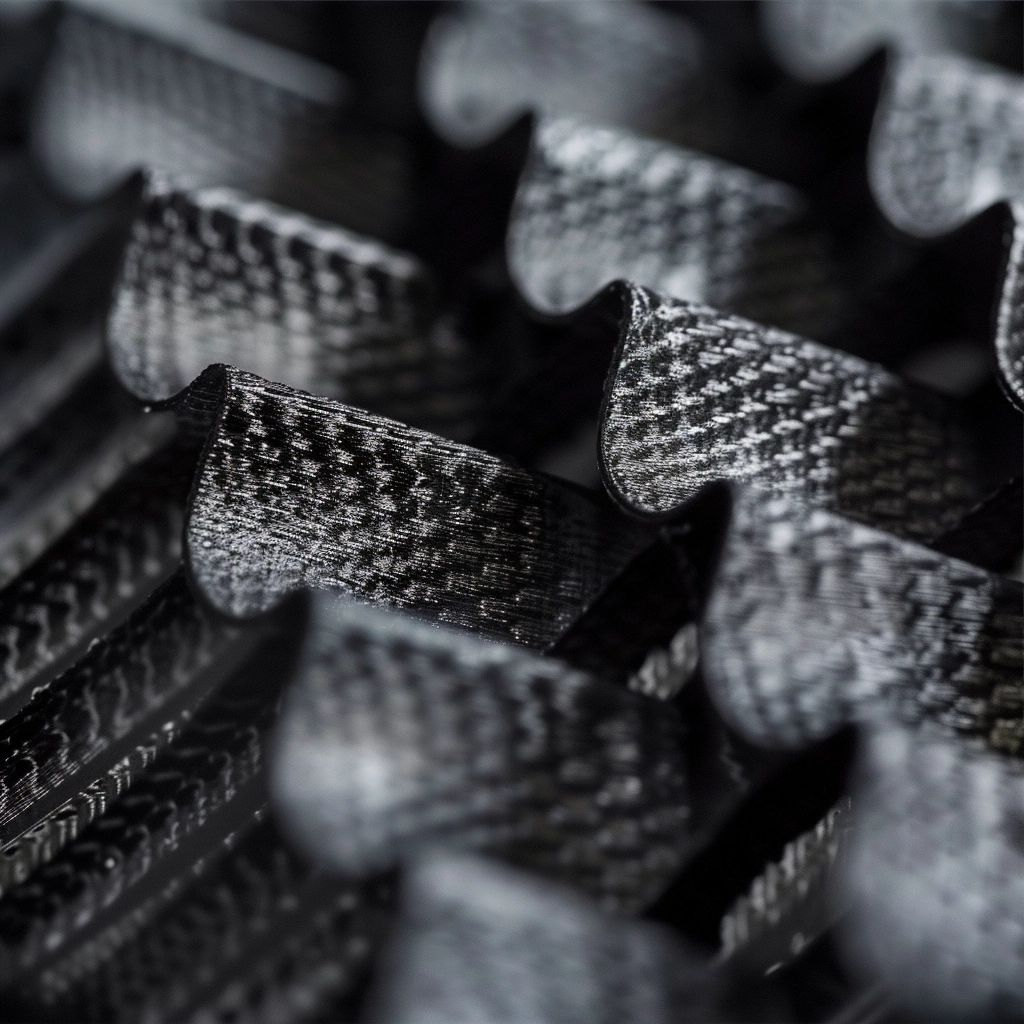
If you are researching what is texture coating, the simplest definition is that it is a surface coating or finishing system engineered to create a controlled visual and tactile texture on a material.
Unlike a conventional smooth coating, a texture coating is designed to modify the surface appearance and feel. Depending on the coating system, substrate, application method, and desired design effect, the finished surface may appear matte, satin, frosted, metallic, fine-grained, or otherwise textured.
Texture coating is particularly important in consumer electronics because product surfaces are no longer judged only by technical performance. Smartphone manufacturers, for example, also need to consider how a device looks and feels when consumers hold it.
A well-engineered texture coating can therefore contribute to several product characteristics at the same time:
- Surface appearance
- Tactile feel
- Visual depth
- Surface uniformity
- Scratch and wear resistance
- Fingerprint visibility
- Product differentiation
- Compatibility with the underlying substrate
For manufacturers, texture coating is not simply a decorative layer. It is a controlled surface-engineering process that must meet appearance, adhesion, durability, and production-consistency requirements.
How Does Texture Coating Work?
To understand what texture coating is, it is useful to look at the relationship between the substrate, coating material, surface structure, and manufacturing process.
A typical textured surface begins with a substrate such as glass, metal, plastic, ceramic, or another engineered material. The substrate must first be prepared so that the coating can achieve the required adhesion and surface quality.
The coating system is then applied using an appropriate manufacturing process. Depending on the application, texture may be produced through coating formulation, surface preparation, controlled deposition, pattern formation, or a combination of finishing technologies.
For advanced electronics, vacuum coating technologies can provide precise control over thin-film layers and surface appearance. The exact process depends on the substrate and the functional and cosmetic requirements of the final product.
The general process can include:
- Substrate inspection
- Surface cleaning
- Surface preparation
- Coating or thin-film deposition
- Texture and appearance control
- Process inspection
- Performance testing
- Final inspection and packaging
The objective is not simply to produce a rough surface. Instead, the texture needs to be controlled so that the finished product has consistent appearance and tactile characteristics across production batches.
What Is the Difference Between Texture Coating and Smooth Coating?
The main difference is the intended surface structure and appearance.
A smooth coating is generally designed to create a relatively uniform surface with minimal visible texture. Texture coating, by contrast, deliberately creates a specific visual or tactile effect.
For example, a smooth surface may provide a glossy appearance, while a texture coating may create:
- Matte finishes
- Satin finishes
- Frosted effects
- Fine textures
- Metallic visual effects
- Micro-textured surfaces
- Special decorative appearances
The choice depends on the product design and the required user experience.
For smartphones and other consumer electronics, surface texture can also influence how light interacts with the product. A controlled textured surface may diffuse reflected light differently from a highly polished surface, creating a particular visual character.
Why Is Texture Coating Important for Smartphones?
Smartphone manufacturers operate in an extremely design-sensitive market. A device may contain sophisticated electronics internally, but the external surface is one of the first things a customer sees and touches.
This makes the back panel particularly important.
Texture coating can be used to help create a distinctive surface appearance while providing a controlled tactile experience. The coating may be engineered for different substrate materials and design objectives.
A textured smartphone back panel can help manufacturers achieve:
1. A Distinctive Appearance
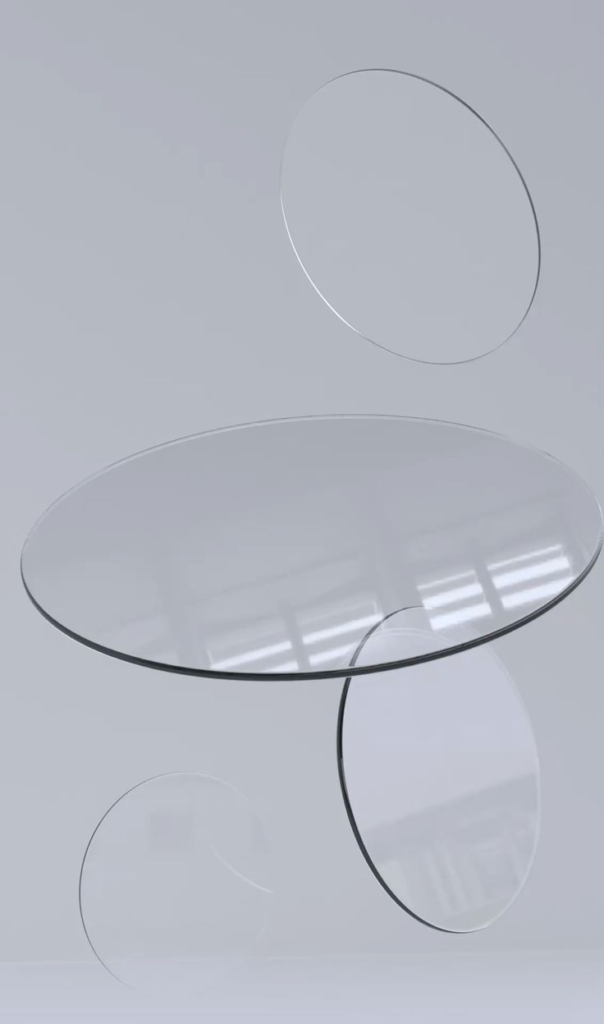
Texture provides designers with more options than a conventional smooth finish.
Different surface structures can create different levels of reflection, diffusion, and visual depth. This allows manufacturers to develop product finishes that look different from standard glossy surfaces.
2. A Controlled Tactile Experience
Texture affects how a surface feels when it is touched.
Depending on the coating structure, a textured finish can provide a more refined or distinctive tactile sensation compared with a completely smooth surface.
3. Reduced Visibility of Certain Surface Marks
A highly glossy surface can make fingerprints and minor surface marks particularly noticeable.
A carefully designed matte or textured finish can change how reflected light interacts with these marks, potentially making them less visually prominent.
This does not mean every texture coating is automatically fingerprint-resistant. Fingerprint performance depends on the coating chemistry, surface structure, contamination, and the specific product design.
4. Product Differentiation
Texture can become part of a product’s visual identity.
For manufacturers producing multiple models or product families, different textures can help establish distinct design languages without fundamentally changing the underlying substrate.
Texture Coating Is More Than Decoration
One common misunderstanding is that texture coating is purely decorative.
In modern electronics manufacturing, a coating can be designed to provide multiple surface characteristics simultaneously.
For example, a coating system may need to provide:
- A particular appearance
- Controlled surface texture
- Good adhesion
- Scratch resistance
- Wear resistance
- Chemical resistance
- Environmental stability
- Consistent optical characteristics
- Compatibility with the substrate
This is why texture coating should be viewed as a surface-engineering technology rather than simply a cosmetic treatment.
The coating designer needs to consider how the coating interacts with the substrate, how the surface will be used, and how the finish will behave during the expected product lifecycle.
What Materials Can Receive Texture Coating?
Texture coating can be applied to different substrates depending on the coating technology and application requirements.
Common substrate categories include:
Glass
Glass is widely used in consumer electronics and can require carefully engineered surface treatments.
When coating glass, substrate cleanliness and surface preparation are especially important because contamination can affect adhesion and appearance.
Metal
Aluminum and other metals can be used for electronic housings and structural components.
A texture coating on metal may provide both visual differentiation and additional surface-performance characteristics.
Plastic
Engineering plastics can also be used in electronic products.
Because plastics have different thermal, chemical, and surface properties from glass and metal, coating compatibility needs to be evaluated carefully.
Ceramic
Ceramic substrates may be selected for specific electronic and decorative applications. Their hardness and surface characteristics can create different coating requirements compared with glass or metal.
The correct coating process therefore cannot be selected solely according to the desired appearance. The substrate is equally important.
What Creates the Texture?
A key question after asking what is texture coating is how the texture itself is created.
There is no single universal method.
Surface texture can result from different combinations of:
- Coating material properties
- Surface morphology
- Deposition conditions
- Surface preparation
- Micro-scale structures
- Layer architecture
- Finishing processes
In advanced vacuum coating applications, thin-film deposition can be carefully controlled to produce a particular surface performance and appearance.
The required texture may be extremely fine. What appears to be a simple matte or satin finish to the consumer can involve controlled surface characteristics at a much smaller scale.
This is one reason production consistency is important. A small change in process conditions can potentially change the appearance of a finished component.
Texture Coating and Vacuum Deposition
Vacuum coating technology is an important approach for producing advanced surface finishes.
Vacuum-based processes can include technologies such as sputtering and evaporation. These processes deposit thin films onto prepared substrates under controlled conditions.
The advantages of controlled vacuum deposition can include:
- Precise thin-film control
- Repeatable deposition conditions
- Compatibility with advanced functional coatings
- Controlled appearance
- Multilayer coating possibilities
- High process repeatability when properly managed
For high-value consumer electronics, the coating process needs to be integrated with substrate preparation, process monitoring, inspection, and testing.
Learn more about SRNC’s Texture Coating for Cell Phone Back Panel technology for smartphone surface applications.
Texture Coating vs. Surface Treatment
The terms “texture coating” and “surface treatment” are related but not identical.
Surface treatment is a broad term covering processes used to modify a material’s surface properties.
These may include:
- Cleaning
- Polishing
- Etching
- Surface activation
- Coating
- Plating
- Thin-film deposition
- Other surface modification techniques
Texture coating is more specific. Its primary purpose is to create a controlled surface appearance and/or tactile structure, often while providing additional performance characteristics.
In other words, texture coating can be considered one category within the broader field of surface engineering and surface treatment.
What Performance Factors Should Manufacturers Evaluate?
When selecting a texture coating system, appearance should not be the only consideration.
A production-ready coating needs to satisfy both aesthetic and engineering requirements.
Adhesion
The coating must remain securely attached to the substrate.
Poor adhesion can result in peeling, delamination, or other surface failures during use.
Scratch Resistance
Consumer electronics are frequently exposed to contact with other objects.
The coating should therefore be evaluated for its resistance to scratching under relevant conditions.
For advanced hard-surface applications, SRNC also develops Sapphire Super Hard Coating as part of its surface-protection technology portfolio.
Abrasion Resistance
Repeated contact and rubbing can gradually change the appearance of a textured surface.
Abrasion testing helps determine whether the coating can retain its intended characteristics after mechanical wear.
Chemical Resistance
Smartphone and electronic surfaces may come into contact with skin oils, cleaning agents, cosmetics, and other substances.
Chemical resistance is therefore an important consideration for coatings intended for frequent handling.
Environmental Stability
Temperature and humidity can affect both substrates and coatings.
Testing under controlled environmental conditions can help manufacturers evaluate whether the coating maintains its appearance and adhesion during service.
Appearance Uniformity
A texture coating must also look consistent.
Color, gloss, texture, reflectivity, and surface uniformity may need to remain within defined production tolerances.
Why Coating Thickness Matters
Coating thickness is another important factor in texture coating development.
A coating that is too thin may not deliver the required performance or appearance. A coating that is unnecessarily thick may introduce other problems, including changes in optical characteristics, internal stress, process efficiency, or dimensional behavior.
The optimal thickness depends on:
- Coating material
- Substrate
- Deposition technology
- Required appearance
- Mechanical performance
- Optical requirements
- Product geometry
- Production conditions
For this reason, coating thickness should be treated as an engineering parameter rather than a simple specification.
Uniformity across the entire component is equally important. Large variations can result in visible differences between different areas of the same product.
How Is Texture Coating Tested?
A professional coating development program normally combines visual inspection with physical and environmental testing.
Depending on the application, manufacturers may evaluate:
- Surface appearance
- Gloss
- Color consistency
- Adhesion
- Scratch resistance
- Abrasion resistance
- Chemical resistance
- Contact angle
- Environmental stability
- Surface uniformity
For example, an abrasion test can help evaluate whether repeated mechanical contact changes the surface.
An adhesion test can help determine whether the coating remains attached to the substrate.
Environmental testing can provide information about coating behavior under temperature and humidity exposure.
The exact testing program should be determined according to the application and customer specifications.
Texture Coating for Cell Phone Back Panels
One of the most recognizable applications of texture coating is the smartphone back panel.
The back panel has to balance several requirements simultaneously:
Design: The surface must support the intended visual identity of the device.
Tactile performance: The finish should provide a controlled user experience.
Durability: The surface needs to withstand normal handling and contact.
Consistency: Large production volumes require stable appearance from batch to batch.
Substrate compatibility: The coating must work with the selected panel material.
This combination makes smartphone texture coating a specialized manufacturing discipline rather than a simple finishing operation.
How to Choose a Texture Coating Supplier
For OEMs, ODMs, and consumer electronics manufacturers, choosing a texture coating supplier should involve more than comparing price.
Important qualification criteria include:
Technical Capability
Can the supplier work with the required substrate and coating architecture?
Process Control
Does the manufacturer have controlled processes for cleaning, coating, inspection, and quality control?
Testing Capability
Can the supplier evaluate adhesion, abrasion, appearance, environmental stability, and other relevant characteristics?
Customization
Can the coating be developed around a specific texture, appearance, or product requirement?
Production Consistency
Can the supplier maintain stable results during repeated production?
Scale-Up Experience
A laboratory sample and mass-produced component are not the same challenge. The supplier should be able to translate development parameters into repeatable manufacturing conditions.
Communication
Coating development often requires several rounds of sampling and optimization. Clear technical communication between the product manufacturer and coating supplier can significantly improve the development process.
Texture Coating in Modern Surface Engineering
The answer to what is texture coating has evolved as modern manufacturing has become more sophisticated.
Today, texture coating can be part of a broader surface-engineering strategy in which appearance, tactile properties, durability, and functionality are designed together.
For consumer electronics, this is particularly important because product surfaces must satisfy both engineering teams and industrial designers.
The coating is therefore not simply the final decorative step. It can influence how the product looks, feels, performs, and maintains its appearance throughout its service life.
For manufacturers looking to develop advanced coated components, SRNC combines vacuum coating technology with coating development, manufacturing, and testing capabilities for specialized surface applications.
Conclusion
So, what is texture coating?
Texture coating is a surface-engineering technology used to create controlled visual and tactile characteristics on materials such as glass, metal, plastic, and ceramic. Modern texture coatings can combine aesthetic effects with properties such as adhesion, scratch resistance, abrasion resistance, chemical resistance, and environmental stability.
For smartphones and consumer electronics, texture coating provides manufacturers with a practical way to create distinctive surfaces while meeting demanding production and durability requirements.
The most effective approach is to treat texture coating as an engineered system rather than simply a decorative layer. Substrate selection, surface preparation, coating architecture, deposition parameters, thickness, testing, and production control all contribute to the final result.
For OEM and ODM manufacturers, this engineering approach helps turn a surface-design concept into a repeatable, production-ready finish.