

Wear Resistant Coating: Extending the Service Life of Industrial and Consumer Components
Surface wear is one of the most common causes of component failure in both industrial equipment and consumer products. Continuous friction, repeated contact, and demanding operating environments gradually damage metal surfaces, reducing performance and shortening product life.
A wear resistant coating provides an effective solution by creating a durable protective layer that minimizes surface degradation while maintaining the original dimensions of the component. Today, wear-resistant coatings are widely used in precision manufacturing, consumer electronics, tooling, automotive parts, and many other industries where reliability and durability are essential.
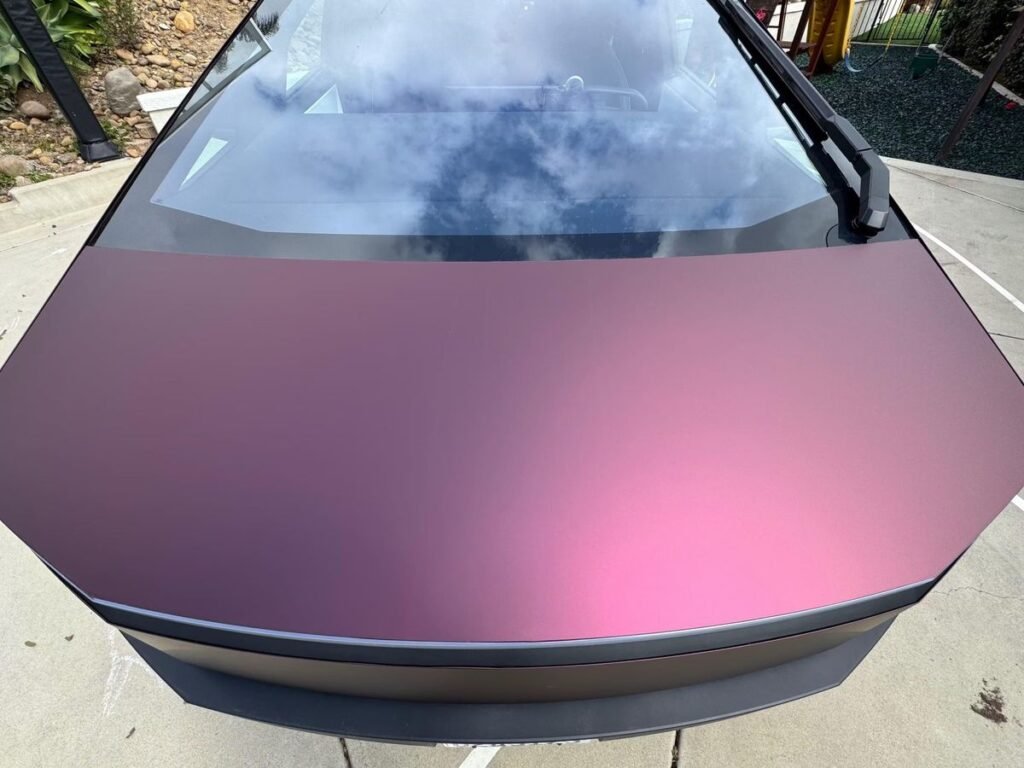
What Is a Wear Resistant Coating?
A wear resistant coating is an engineered surface layer designed to improve a component’s resistance to abrasion, friction, and mechanical wear. Rather than changing the material itself, the coating enhances the surface properties, allowing the component to perform more effectively under demanding conditions.
Depending on the application, wear-resistant coatings can also improve hardness, reduce friction, increase corrosion resistance, and enhance thermal stability.
The goal is not only to protect the component but also to improve its overall performance throughout its service life.
Why Wear Resistance Matters
Every metal component experiences some level of wear during operation. Over time, surface damage can lead to reduced efficiency, dimensional changes, poor appearance, and even premature failure.
In manufacturing environments, excessive wear often results in:
- Increased maintenance costs
- More frequent component replacement
- Lower production efficiency
- Reduced machining accuracy
- Higher operating expenses
Applying a wear resistant coating helps minimize these issues while improving the long-term reliability of the product.
Common Applications
Wear-resistant coatings are used across a wide range of industries, including:
- Cutting tools
- Molds and dies
- Precision mechanical components
- Consumer electronic housings
- Camera decorative rings
- Home appliance metal panels
- Industrial machine parts
- Automotive components
- Aerospace parts
Although the operating conditions differ, all of these applications require surfaces capable of resisting continuous wear without sacrificing appearance or functionality.
Key Benefits of Wear Resistant Coatings
Longer Component Life
A harder and more durable surface significantly reduces wear, allowing components to remain in service for a longer period before replacement becomes necessary.
Reduced Friction
Many wear-resistant coatings are engineered to lower the coefficient of friction, resulting in smoother operation and reduced energy loss.
Improved Product Reliability
Maintaining a stable surface condition helps ensure consistent product performance throughout the entire operating cycle.
Lower Maintenance Costs
By reducing wear-related failures, manufacturers can decrease maintenance frequency and minimize unexpected downtime.
Better Surface Appearance
For decorative components, wear-resistant coatings help preserve the original finish, preventing scratches and surface damage caused by daily use.
Factors to Consider When Selecting a Wear Resistant Coating
Choosing the appropriate coating depends on several technical considerations, including:
- Base material
- Operating temperature
- Load conditions
- Friction requirements
- Environmental exposure
- Surface finish expectations
- Component geometry
A coating that performs well for industrial cutting tools may not be suitable for decorative electronic components. Selecting the correct coating process requires understanding the actual operating environment and performance objectives.
Surface Coating Processing for Customer-Supplied Components
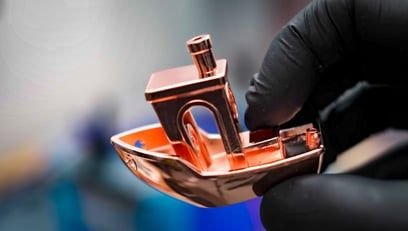
Many manufacturers already produce precision components but require specialized surface treatment to improve durability and extend product life.
At SRNC, we specialize in advanced surface coating processing for customer-supplied components. Rather than manufacturing the parts, we apply customized coating solutions that enhance wear resistance, surface hardness, and long-term reliability.
Our coating processing services support projects involving consumer electronics, decorative metal parts, precision hardware, industrial tooling, and other applications where surface performance plays a critical role.
By carefully selecting coating technologies based on the customer’s material and performance requirements, we help improve product quality while maintaining consistent processing standards.
The Future of Wear Resistant Coating Technology
As manufacturing continues to advance, wear-resistant coatings are evolving beyond simple surface protection. Modern coating technologies are increasingly designed to combine multiple functions, including wear resistance, corrosion protection, low friction, decorative appearance, and chemical stability.
This integrated approach allows manufacturers to improve both product performance and customer satisfaction while supporting longer service life and more sustainable production.
Conclusion
A wear resistant coating is an essential part of modern surface engineering, helping manufacturers improve durability, reduce maintenance, and enhance overall product performance.
Whether applied to industrial tooling, precision mechanical parts, or decorative consumer products, the right coating solution can significantly extend component life while maintaining appearance and functionality.
For manufacturers seeking reliable coating processing for customer-supplied components, working with an experienced surface coating specialist ensures that each project receives a solution tailored to its technical and operational requirements.