

Vacuum Optical Coating: Enhancing Optical Performance with Precision Thin-Film Technology
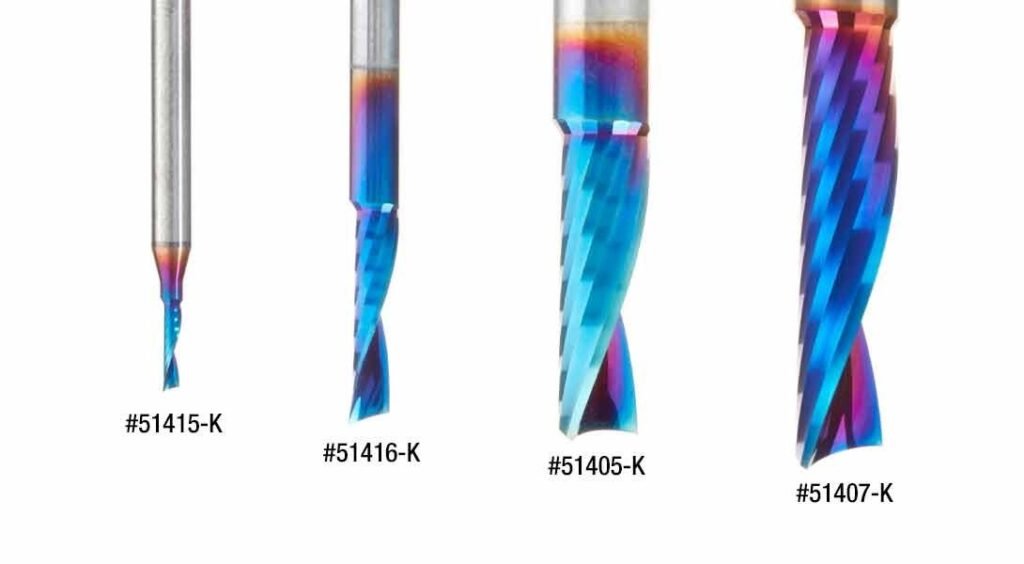
As optical technologies continue to evolve, manufacturers require surface treatments that deliver exceptional optical performance while maintaining long-term durability. Whether used in consumer electronics, display systems, optical sensors, or precision instruments, coated optical components must perform consistently under demanding operating conditions.
Vacuum optical coating has become one of the most advanced surface engineering technologies for improving optical performance without changing the dimensions or design of the original component. By depositing extremely thin and uniform films in a controlled vacuum environment, manufacturers can achieve precise optical characteristics while enhancing surface protection.
What Is Vacuum Optical Coating?
Vacuum optical coating is a thin-film deposition process carried out inside a high-vacuum chamber. During the process, coating materials are vaporized and deposited onto the surface of optical components, creating highly uniform films with excellent adhesion and precise thickness control.
Because the coating is applied in a vacuum environment, contamination is minimized, allowing manufacturers to achieve consistent optical performance across production batches.
Vacuum optical coatings are commonly used to improve:
- Light transmission
- Reflection control
- Surface hardness
- Environmental durability
- Optical stability
- Surface cleanliness
The exact coating structure depends on the intended application and required optical performance.
Why Vacuum Optical Coating Is Important
Modern optical products require more than high transparency. Components must also resist scratches, environmental exposure, and repeated handling while maintaining stable optical performance.
Vacuum optical coating provides a reliable solution by combining optical enhancement with functional surface protection.
For manufacturers, this means:
- Better product quality
- Longer component service life
- Improved optical consistency
- Reduced maintenance requirements
- Greater manufacturing reliability
These advantages make vacuum optical coating an essential technology in precision manufacturing.
Typical Applications
Vacuum optical coating is widely used in industries where optical performance and surface quality are critical.
Common applications include:
- Display cover glass
- Smartphone camera components
- Optical lenses
- Camera protective windows
- Touchscreen panels
- Medical optical equipment
- Automotive optical sensors
- Industrial vision systems
- Smart wearable devices
- Precision optical instruments
Each application requires a coating process optimized for its material, operating environment, and performance objectives.
Advantages of Vacuum Optical Coating
Excellent Optical Performance
Highly controlled thin-film deposition improves light transmission while reducing unwanted reflection, helping optical systems achieve better image quality and measurement accuracy.
Uniform Coating Thickness
Vacuum deposition technology allows extremely consistent coating thickness, which is essential for maintaining reliable optical performance across every component.
Enhanced Surface Durability
Many vacuum optical coatings also improve scratch resistance, wear resistance, and environmental protection, helping sensitive optical surfaces withstand daily use.
Strong Adhesion
Proper surface preparation combined with controlled deposition conditions produces coatings that adhere securely to the substrate, supporting long-term reliability.
Factors to Consider When Selecting Vacuum Optical Coating
Every optical application has different performance requirements. Before selecting a coating solution, manufacturers should evaluate:
- Component material
- Optical performance targets
- Environmental conditions
- Mechanical durability
- Surface finish requirements
- Production volume
- Industry standards
Choosing the right coating process helps ensure that the finished component performs reliably throughout its intended service life.
Vacuum Optical Coating Processing for Customer-Supplied Components
Many manufacturers design and produce their own optical components but rely on specialized coating partners to complete the surface treatment process.
At SRNC, we specialize in advanced vacuum coating processing for customer-supplied components. We do not manufacture optical parts. Instead, we apply customized coating solutions that improve optical performance, surface durability, and functional characteristics according to each customer’s technical requirements.
Our coating processing services support projects involving consumer electronics, display technologies, decorative hardware, precision metal components, and other applications requiring high-quality surface engineering.
By combining advanced coating equipment with strict quality control, we help customers achieve stable coating performance and consistent production results.
Why Manufacturers Choose Vacuum Optical Coating
Compared with many conventional surface treatment methods, vacuum optical coating offers several important advantages:
- High coating uniformity
- Excellent optical precision
- Stable production quality
- Minimal impact on component dimensions
- Compatibility with complex precision parts
- Long-term coating reliability
These characteristics make vacuum optical coating suitable for industries where performance and consistency are essential.
Conclusion
As optical products continue to demand greater precision and durability, vacuum optical coating has become a key technology in advanced manufacturing.
By improving optical performance, protecting delicate surfaces, and extending component life, vacuum coating helps manufacturers produce reliable products for a wide range of industries.
For companies seeking professional coating processing for customer-supplied components, working with an experienced coating specialist ensures that every project receives a solution tailored to its application, performance goals, and quality requirements.