

Vacuum Coating Technology: Process, Applications, and Industrial Benefits
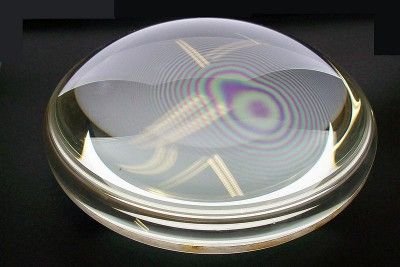
Surface treatment technology plays an important role in modern manufacturing. As products become more precise and functional, traditional surface finishing methods are often unable to meet requirements for durability, appearance, and performance. Vacuum coating has become an important technology for improving surface properties in industries such as optics, electronics, automotive components, and precision tools.
Unlike traditional coating methods that rely on liquid materials, vacuum coating is performed in a controlled vacuum environment. Through physical or chemical processes, a thin layer of material is deposited onto the surface of a component, creating improved characteristics such as wear resistance, corrosion resistance, optical performance, and decorative effects.
What Is Vacuum Coating?
Vacuum coating is a surface treatment process that deposits a thin film material onto a substrate inside a vacuum chamber. By removing air and controlling pressure conditions, coating materials can be transformed into atoms, ions, or molecular particles and deposited evenly onto the target surface.
The technology allows manufacturers to apply extremely thin and uniform coatings while maintaining the original dimensions and precision of components. This makes vacuum coating suitable for products where surface performance is critical but dimensional changes must be minimized.
For companies looking for professional coating technologies, SRNC Vacuum Coating Solutions provides solutions related to advanced coating applications, including precision surface treatment and thin film technologies.
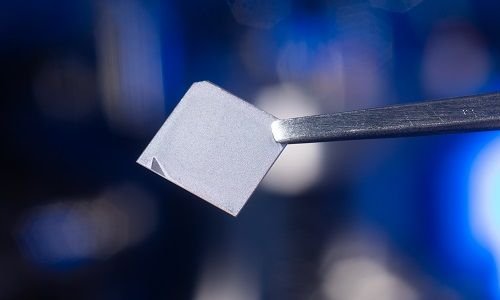
How Does the Vacuum Coating Process Work?
The vacuum coating process generally includes several important steps.
1. Surface Preparation
Before coating, the substrate surface must be carefully cleaned. Any dust, oil, or contamination may affect coating adhesion and final performance. Different materials such as glass, metal, ceramics, and plastics require different preparation methods.
2. Creating a Vacuum Environment
The components are placed inside a vacuum chamber where air is removed to create a low-pressure environment. This controlled atmosphere allows coating materials to move efficiently and form a consistent film layer.
3. Material Deposition
During the coating stage, source materials are converted into particles through methods such as evaporation or sputtering. These particles travel through the vacuum environment and gradually accumulate on the substrate surface.
Different coating materials can provide different functions. For example, optical coatings can control light reflection and transmission, while protective coatings can improve hardness and wear resistance.
4. Quality Inspection
After coating, components are tested for thickness, adhesion, optical performance, and surface quality. These inspections ensure that the coating meets the requirements of specific applications.
Common Applications of Vacuum Coating
Vacuum coating technology is widely used across many industries because of its flexibility and high performance.
Optical Industry
Optical components often require precise control of light transmission and reflection. Vacuum coating is used for lenses, optical windows, camera components, and other precision optical products.
For example, anti-reflective coatings can reduce unwanted reflections, improving image quality and optical efficiency. This is especially important in cameras, sensors, and advanced optical systems.
Consumer Electronics
Modern electronic devices require both attractive appearance and functional surfaces. Vacuum coating is commonly used for smartphone components, camera modules, display parts, and decorative surfaces.
Coatings can provide scratch resistance, color effects, and improved surface durability while maintaining a premium appearance.
Automotive Components
Automotive manufacturers use vacuum coating for interior and exterior components where appearance and durability are important. The technology can improve resistance against wear, environmental exposure, and surface damage.
Precision Tools and Industrial Parts
In industrial manufacturing, coatings can improve tool performance by increasing hardness and reducing friction. PVD coating technology is often applied to cutting tools, molds, and precision components.
Advantages of Vacuum Coating
Compared with traditional surface treatment methods, vacuum coating offers several advantages:
Better Environmental Performance
The process reduces the use of chemical solutions commonly found in some traditional coating methods.
High Precision
Vacuum environments allow manufacturers to control coating thickness accurately, making the technology suitable for precision components.
Multiple Functional Options
Different coating materials and processes can achieve different goals, including optical control, protection, decoration, and improved durability.
Wide Material Compatibility
Vacuum coating can be applied to various substrates, including metals, glass, ceramics, and some polymer materials.
Vacuum Coating and Future Manufacturing Trends
As industries continue to demand smaller, lighter, and more powerful products, surface engineering technologies will become increasingly important. Vacuum coating provides manufacturers with a way to enhance product performance without changing the basic structure of components.
The growth of optical devices, smart electronics, and advanced manufacturing will continue to drive demand for thin film and vacuum coating technologies. More industries are exploring customized coating solutions to achieve specific performance requirements.
Conclusion
Vacuum coating is more than a surface decoration method. It is an advanced manufacturing technology that improves the functional performance of products through precise thin film deposition.
From optical components and consumer electronics to industrial tools and automotive parts, vacuum coating helps manufacturers achieve better durability, appearance, and performance. With continuous development in coating materials and processes, this technology will continue to play an important role in modern manufacturing.
For more information about advanced coating technologies and applications, SRNC Optical Coating Technology provides industry-focused coating solutions for different application requirements.Surface treatment technology plays an important role in modern manufacturing. As products become more precise and functional, traditional surface finishing methods are often unable to meet requirements for durability, appearance, and performance. Vacuum coating has become an important technology for improving surface properties in industries such as optics, electronics, automotive components, and precision tools.