

The Ultimate Guide to Vacuum Coating Service: 15 Powerful Benefits, Applications, and Industry Solutions
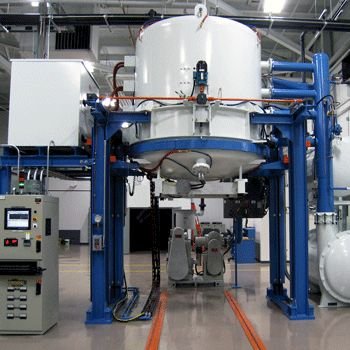
In today’s advanced manufacturing landscape, vacuum coating service has become one of the most important technologies for improving product performance, aesthetics, and durability. From consumer electronics and automotive components to decorative panels and optical devices, vacuum coating plays a critical role in creating high-performance surfaces that meet modern industry standards.
As manufacturers seek environmentally friendly, cost-effective, and highly durable finishing solutions, vacuum coating technology continues to gain popularity worldwide. This comprehensive guide explores everything you need to know about vacuum coating services, including their benefits, processes, applications, materials, and future trends.
What Is Vacuum Coating Service?
A vacuum coating service refers to the process of depositing thin layers of material onto a substrate within a vacuum environment. By removing air and contaminants from the coating chamber, manufacturers can achieve highly uniform, precise, and durable coatings.
These coatings may serve decorative purposes, improve corrosion resistance, enhance conductivity, increase hardness, or provide optical functionality.
Vacuum coating is widely used on:
- Metals
- Plastics
- Glass
- Ceramics
- Composite materials
The technology allows manufacturers to create high-quality finishes while maintaining strict control over thickness, adhesion, and surface properties.
How Vacuum Coating Technology Works
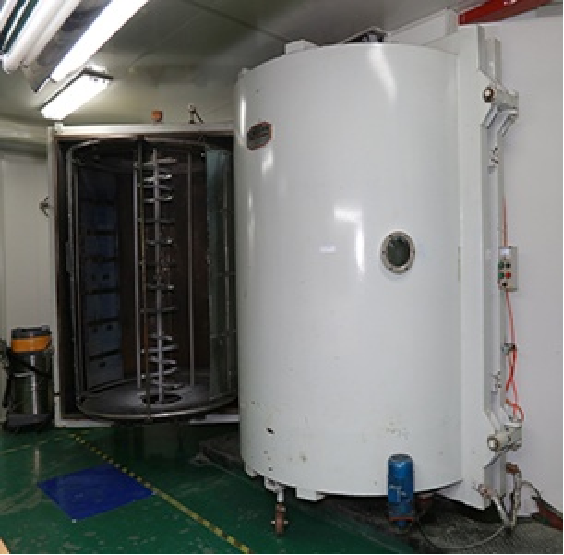
The vacuum coating process involves placing components inside a sealed chamber where air pressure is significantly reduced. Materials are then vaporized or ionized and deposited onto the target surface.
The Science Behind Vacuum Deposition
The vacuum environment minimizes contamination and enables coating particles to travel freely toward the substrate.
Benefits include:
- Improved coating uniformity
- Strong adhesion
- Better process control
- Enhanced coating performance
The result is a high-quality finish with superior durability and functionality.
Types of Vacuum Coating Processes
Several methods fall under the umbrella of vacuum coating technology:
Physical Vapor Deposition (PVD)
PVD uses evaporation or sputtering to deposit thin films.
Applications include:
- Decorative coatings
- Tool coatings
- Electronics
- Automotive components
Chemical Vapor Deposition (CVD)
CVD relies on chemical reactions to create coatings.
Common uses include:
- Semiconductor manufacturing
- Optical coatings
- Protective industrial layers
Magnetron Sputtering
This advanced technique provides excellent coating uniformity and adhesion.
It is widely used in:
- Touchscreen manufacturing
- Optical lenses
- Architectural glass
Key Benefits of Vacuum Coating Service
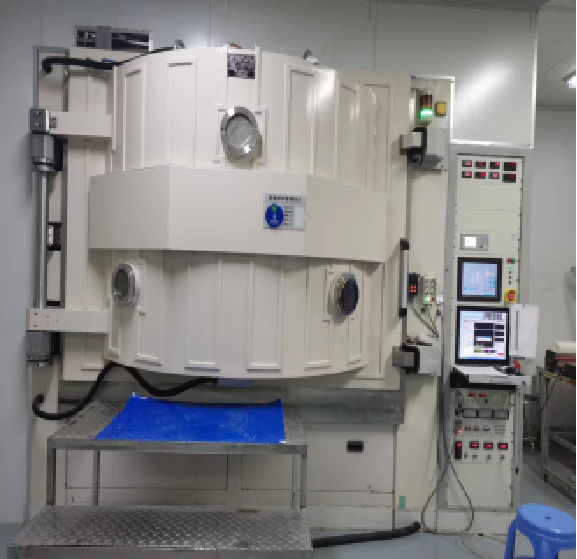
Manufacturers choose vacuum coating because it delivers numerous performance advantages.
Enhanced Durability
Vacuum-coated surfaces resist:
- Scratching
- Wear
- Abrasion
- Mechanical damage
This extends product lifespan and reduces maintenance costs.
Improved Appearance
Decorative finishes can achieve:
- Metallic effects
- Mirror-like surfaces
- Premium textures
- Color consistency
For example, decorative electronic components often utilize specialized solutions such as the Electrical Decorative Panel Coating service available from SRNC, which combines visual appeal with long-lasting protection.
Explore the solution here:
👉 Electrical Decorative Panel Coating
Superior Corrosion Resistance
Many vacuum coatings act as protective barriers against:
- Moisture
- Chemicals
- Salt exposure
- Oxidation
This makes them ideal for outdoor and industrial applications.
Environmental Advantages
Compared with conventional wet painting processes, vacuum coating often:
- Produces fewer emissions
- Uses fewer hazardous chemicals
- Generates less waste
- Supports sustainable manufacturing goals
Common Vacuum Coating Materials
The choice of coating material depends on the intended application.
Popular materials include:
| Material | Typical Application |
|---|---|
| Aluminum | Reflective surfaces |
| Titanium | Decorative and wear-resistant coatings |
| Chromium | Corrosion protection |
| Nickel | Conductive layers |
| Copper | Electronics |
| Silver | Optical coatings |
| Gold | Semiconductor and electronic applications |
| Silicon Oxides | Optical enhancement |
Each material offers unique performance characteristics.
Industries That Rely on Vacuum Coating Service
Electronics Industry
Electronics manufacturers use vacuum coating for:
- Smartphones
- Tablets
- Wearable devices
- Connectors
- Circuit components
Benefits include improved conductivity, durability, and visual appeal.
As electronic devices become more compact and sophisticated, advanced coating technologies become increasingly essential.
Automotive Industry
Automotive manufacturers use vacuum-coated components for:
- Interior trims
- Exterior decorations
- Lighting systems
- Reflective surfaces
Advantages include:
- Weight reduction
- Enhanced durability
- Premium aesthetics
Consumer Products
Vacuum coating is common in:
- Home appliances
- Luxury goods
- Cosmetics packaging
- Sporting equipment
Manufacturers value the technology for its ability to create high-end finishes at scale.
Architectural Applications
Architectural glass often uses vacuum coatings to improve:
- Energy efficiency
- Solar control
- Reflectivity
- Appearance
These coatings help modern buildings meet sustainability objectives.
Vacuum Coating for Decorative Panels
Decorative panel manufacturing represents one of the fastest-growing applications for vacuum coating service.
Today’s consumers expect:
- Attractive finishes
- Long-lasting durability
- Scratch resistance
- Modern design aesthetics
Vacuum coating allows manufacturers to create premium surfaces without the environmental concerns associated with traditional plating methods.
Applications include:
- Home appliances
- Control panels
- Elevator interiors
- Consumer electronics
- Automotive dashboards
Advanced decorative coating solutions can replicate the appearance of metals while maintaining lightweight construction.
Functional Coatings for Optical Components
Optical applications require extreme precision.
Vacuum coating is essential for producing:
- Camera lenses
- Sensors
- Optical filters
- Laser components
These coatings can:
- Reduce glare
- Improve light transmission
- Increase image quality
- Protect sensitive surfaces
For smartphone imaging systems, specialized solutions like SRNC’s Functional Coating for Cell Phone Camera help manufacturers achieve superior optical performance while maintaining durability.
Learn more here:
👉 Functional Coating for Cell Phone Camera
As smartphone cameras continue to evolve, advanced vacuum coating technologies remain a critical component of image quality improvement.
Comparing Vacuum Coating with Traditional Coating Methods
| Feature | Vacuum Coating | Traditional Painting |
|---|---|---|
| Durability | High | Moderate |
| Environmental Impact | Low | Higher |
| Precision | Excellent | Limited |
| Appearance | Premium | Standard |
| Thickness Control | Precise | Variable |
| Material Waste | Low | Higher |
This comparison highlights why many manufacturers are transitioning to vacuum coating solutions.
Factors Affecting Coating Quality
Several variables influence coating performance.
Substrate Preparation
Proper cleaning removes:
- Oils
- Dust
- Oxides
- Contaminants
Poor preparation can lead to coating failure.
Vacuum Level
Stable vacuum conditions improve:
- Uniformity
- Adhesion
- Film quality
Coating Material Selection
The coating must align with the product’s intended use.
Process Parameters
Critical parameters include:
- Temperature
- Deposition rate
- Chamber pressure
- Coating thickness
Experienced providers carefully optimize these variables.
How to Choose a Professional Vacuum Coating Service Provider
Selecting the right partner is crucial.
Consider the following factors:
Industry Experience
Look for providers with proven expertise in your sector.
Technical Capabilities
Evaluate:
- Equipment quality
- Process options
- Quality control systems
Customization Support
Every project has unique requirements.
A reliable provider should offer:
- Design consultation
- Material recommendations
- Performance testing
Quality Assurance
Certifications and rigorous testing procedures help ensure consistent results.
Production Capacity
Global manufacturers often require large-scale production with tight deadlines.
Choose a supplier capable of supporting future growth.
To explore a broader range of advanced coating solutions, manufacturers can browse the complete SRNC portfolio here:
Emerging Trends in Vacuum Coating Technology
The vacuum coating industry continues to evolve rapidly.
Key trends include:
Nano-Coatings
Ultra-thin coatings provide enhanced performance with minimal material usage.
Smart Functional Surfaces
Future coatings may include:
- Self-cleaning capabilities
- Anti-fingerprint properties
- Antimicrobial functions
Energy-Efficient Manufacturing
Manufacturers increasingly seek sustainable production processes that reduce environmental impact.
Advanced Optical Technologies
Emerging optical applications require increasingly sophisticated coating solutions for sensors, cameras, and autonomous systems.
Industry 4.0 Integration
Automation and data analytics are improving:
- Process consistency
- Production efficiency
- Quality monitoring
These innovations are expected to further expand the global demand for vacuum coating services.
Frequently Asked Questions
1. What is a vacuum coating service used for?
Vacuum coating service is used to improve durability, appearance, conductivity, corrosion resistance, and optical performance across various industries.
2. Is vacuum coating environmentally friendly?
Yes. Compared with many traditional finishing methods, vacuum coating generally produces less waste and fewer emissions.
3. Which industries benefit most from vacuum coating?
Electronics, automotive, consumer products, architecture, optics, aerospace, and industrial manufacturing all rely heavily on vacuum coating technologies.
4. How durable are vacuum-coated surfaces?
Properly applied coatings can significantly improve wear resistance, scratch resistance, and long-term durability.
5. Can vacuum coating be applied to plastic components?
Yes. Many modern vacuum coating processes are specifically designed for plastic substrates used in electronics and consumer products.
6. What is the difference between PVD and CVD coating?
PVD physically deposits material onto a surface, while CVD uses chemical reactions to form the coating layer.
7. Are vacuum coatings suitable for optical devices?
Absolutely. Vacuum coating is essential for camera lenses, optical sensors, filters, and many advanced imaging systems.
8. How do I select the right vacuum coating service provider?
Evaluate experience, technical capabilities, quality assurance systems, customization options, and production capacity before making a decision.
Conclusion
As global manufacturing continues to demand higher performance, better aesthetics, and greater sustainability, vacuum coating service has emerged as one of the most valuable surface engineering technologies available today.
From decorative electronic panels and automotive components to advanced optical systems and consumer products, vacuum coating enables manufacturers to achieve exceptional durability, precision, and visual appeal. By partnering with an experienced provider and leveraging the latest coating technologies, businesses can improve product quality, enhance competitiveness, and meet evolving customer expectations.
Organizations seeking reliable decorative, functional, and industrial coating solutions can benefit from exploring SRNC’s specialized coating services and product portfolio to support their next-generation manufacturing projects.