

Vacuum Coating Process: How Advanced Thin Film Coating Technology Works
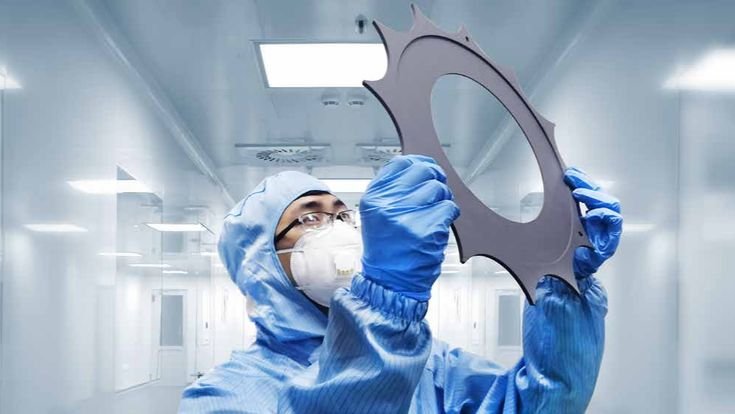
Modern industries increasingly require advanced surface technologies to improve component performance, durability, and functionality.
The vacuum coating process is one of the most important surface treatment technologies used for applying thin and uniform coating layers onto different materials.
Unlike traditional wet coating methods, vacuum coating is performed inside a controlled vacuum environment, allowing manufacturers to achieve precise coating thickness, excellent surface quality, and advanced functional properties.
Today, vacuum coating technology is widely used in:
- Optical components
- Electronic products
- Display glass
- Precision metal parts
- Industrial components
- Decorative applications
Understanding how the vacuum coating process works helps manufacturers select the right coating solution for their products.
What Is the Vacuum Coating Process?
The vacuum coating process is a surface treatment method that deposits a thin material layer onto a component inside a vacuum chamber.
During the process, coating materials are transformed into vapor, atoms, or ions and then deposited onto the surface of the customer-supplied component.
Because the process takes place in a controlled vacuum environment, it allows:
- High coating purity
- Precise thickness control
- Uniform layer distribution
- Improved surface performance
Vacuum coating is widely considered an advanced thin-film technology for modern manufacturing.
Main Steps of the Vacuum Coating Process
The vacuum coating process usually includes several important stages.
1. Component Preparation and Cleaning
Surface preparation is one of the most critical steps in vacuum coating.
Before coating, components must be carefully cleaned to remove:
- Dust
- Oil contamination
- Surface particles
- Manufacturing residues
A clean surface helps ensure:
- Strong coating adhesion
- Uniform coating quality
- Long-term performance stability
For precision components, proper cleaning directly affects final coating results.
2. Loading Components Into the Vacuum Chamber
After preparation, customer-supplied components are placed inside the vacuum coating chamber.
The arrangement of components must consider:
- Surface coverage requirements
- Coating uniformity
- Component geometry
Proper positioning helps achieve consistent coating thickness across the entire surface.
3. Creating a Vacuum Environment
The chamber is then evacuated to create a controlled low-pressure environment.
The vacuum environment provides several advantages:
- Reduces contamination
- Allows controlled particle movement
- Improves coating purity
- Enables stable deposition conditions
This is a key difference between vacuum coating and traditional coating methods.
4. Coating Material Vaporization
During this stage, the coating material is converted into a vapor or plasma state.
Common vacuum coating methods include:
Physical Vapor Deposition (PVD)
PVD uses physical processes to vaporize coating materials and deposit them onto the component surface.
Common PVD technologies include:
- Sputtering
- Vacuum evaporation
- Ion plating
PVD is widely used for:
- Decorative coatings
- Wear-resistant coatings
- Optical coatings
- Precision components
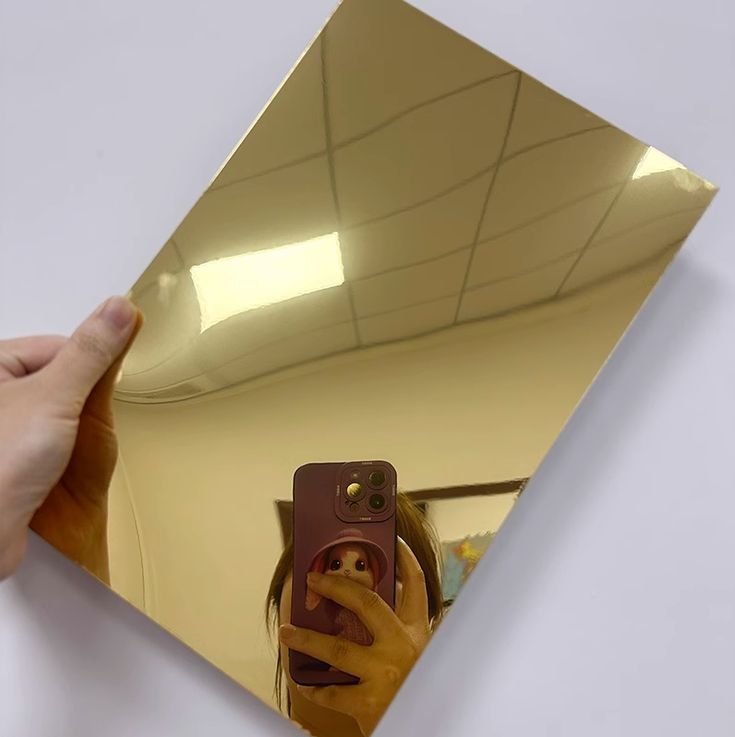
Other Vacuum Deposition Technologies
Depending on application requirements, vacuum coating may also include other deposition technologies designed for specific material combinations and performance targets.
5. Thin Film Deposition
Once vaporized particles are generated, they travel through the vacuum environment and attach to the component surface.
The deposited particles gradually form a thin coating layer.
The coating structure can be designed according to requirements such as:
- Optical performance
- Surface hardness
- Wear resistance
- Appearance
- Functional properties
6. Quality Inspection
After coating, components undergo inspection to verify coating performance.
Typical inspection factors include:
- Coating thickness
- Surface uniformity
- Adhesion quality
- Appearance consistency
- Functional performance
Quality control ensures the coating meets customer specifications.
Types of Vacuum Coating Technologies
PVD Vacuum Coating
PVD is one of the most commonly used vacuum coating technologies.
Advantages:
- Excellent hardness
- Good wear resistance
- Precise thin-film control
- Suitable for many materials
Applications:
- Cutting tools
- Electronic components
- Decorative parts
- Precision components
Vacuum Optical Coating
Optical vacuum coating is designed to control light interaction with surfaces.
Applications include:
- Camera lenses
- Optical glass
- Display components
- Sapphire and quartz parts
Functions include:
- Anti-reflective performance
- Reflection control
- Improved light transmission
Sputtering Coating
Sputtering uses plasma energy to remove material from a target source and deposit it onto the substrate.
It is widely used for:
- Optical coatings
- Electronic components
- Functional thin films
Advantages of Vacuum Coating Process
Precise Thin Film Control
Vacuum coating allows accurate control of:
- Layer thickness
- Coating structure
- Material composition
This is essential for precision applications.
Improved Surface Performance
Depending on the coating material, vacuum coatings can provide:
- Better wear resistance
- Enhanced optical performance
- Improved durability
- Functional surface properties
High-Quality Appearance
Vacuum coating can create consistent and premium surface finishes.
Applications include:
- Consumer electronics
- Decorative components
- High-end products
Suitable for Advanced Materials
Vacuum coating can be applied to various substrates, including:
- Glass
- Metal
- Ceramic
- Sapphire
- Quartz
Applications of Vacuum Coating Process
Optical Industry
Applications:
- Camera lens components
- Optical windows
- Precision glass parts
Benefits:
- Reflection control
- Improved optical performance
Electronics Industry
Applications:
- Smartphone components
- Display-related parts
- Electronic housings
Benefits:
- Functional surfaces
- Premium appearance
- Surface protection
Industrial Components
Applications:
- Precision mechanical parts
- Tools
- Wear-resistant components
Benefits:
- Improved durability
- Longer service life
Vacuum Coating Process for Customer-Supplied Components
At SRNC, we specialize in advanced surface coating processing for customer-supplied components.
We do not manufacture glass products, electronic devices, optical parts, or industrial components.
Instead:
Customers provide their own materials → SRNC performs professional coating processing.
Our vacuum coating solutions support applications including:
- Optical components
- Electronic products
- Precision metal parts
- Glass and crystal materials
- Functional surface enhancement projects
By focusing on coating technology, SRNC helps customers improve surface performance while maintaining the original design and precision requirements of their components.
Factors Affecting Vacuum Coating Quality
Several factors influence the final coating performance:
Surface Condition
Clean and properly prepared surfaces improve coating adhesion.
Material Compatibility
The coating material must match the substrate and application requirements.
Coating Thickness
Different applications require different coating thickness levels.
Process Control
Stable vacuum conditions and precise equipment control are essential for consistent results.
Future Development of Vacuum Coating Technology
Vacuum coating technology continues to evolve as industries demand higher performance materials.
Future developments include:
- Multi-layer thin film structures
- Advanced optical coatings
- Functional surface engineering
- Improved environmental performance
- Customized coating solutions
These technologies will continue supporting innovation in:
- Electronics
- Optics
- Precision manufacturing
- Industrial engineering
Conclusion
The vacuum coating process is an advanced surface treatment technology that enables manufacturers to improve the performance, appearance, and functionality of precision components.
Through controlled vacuum deposition, manufacturers can achieve high-quality thin-film coatings for optical, electronic, and industrial applications.
For companies requiring professional coating processing services, SRNC provides customized vacuum coating solutions for customer-supplied components, helping improve surface performance while maintaining component accuracy and quality requirements.