

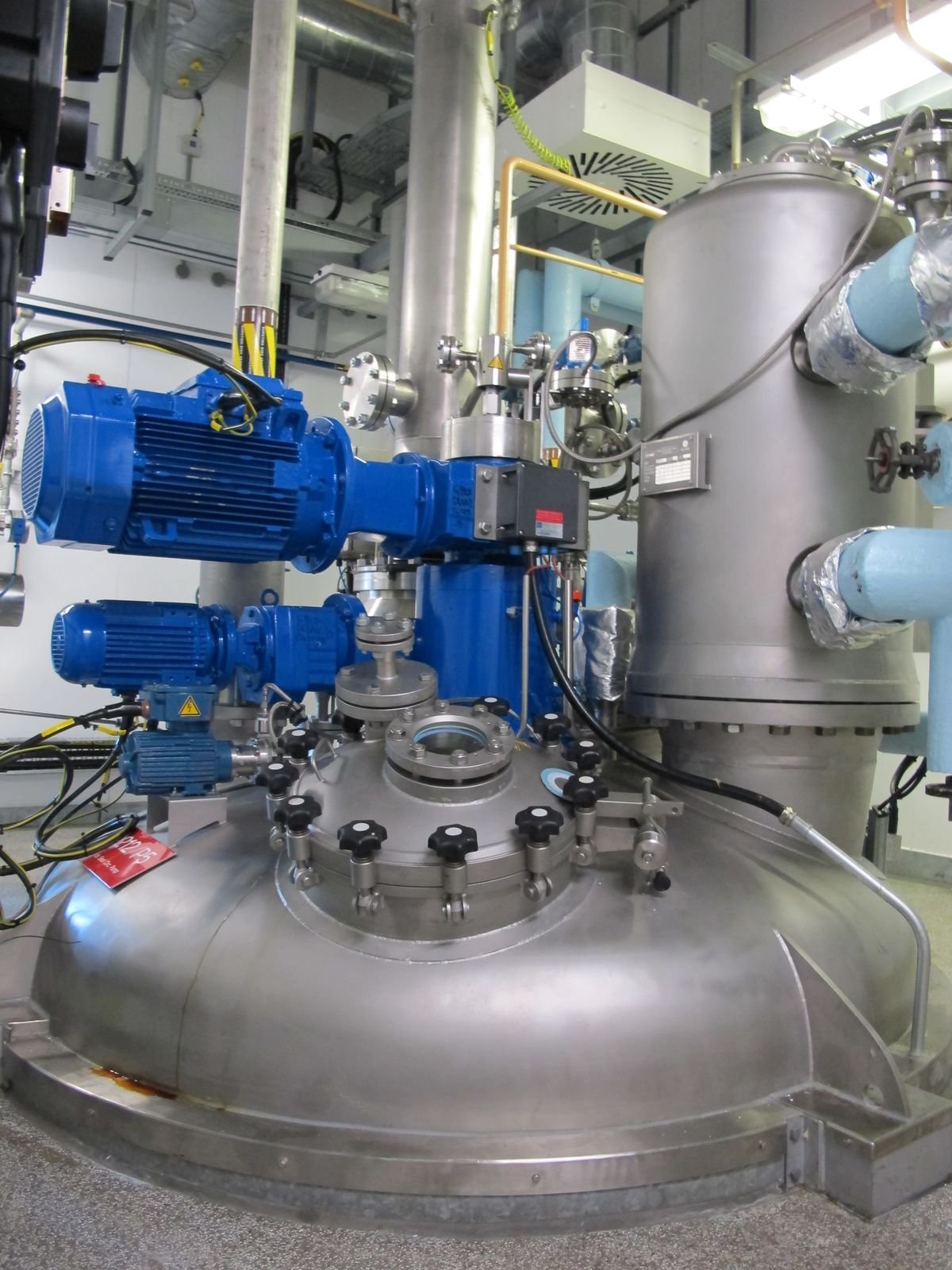
Vacuum Coating Manufacturer: Precision Coating Solutions for Global Industries
In today’s highly competitive manufacturing environment, selecting the right vacuum coating manufacturer can significantly impact product quality, durability, and market competitiveness. From smartphones and automotive components to decorative panels and optical systems, vacuum coating technology has become an essential part of modern production.
As industries demand thinner, stronger, and more functional surface treatments, vacuum coating manufacturers play a critical role in delivering advanced solutions that improve product performance while meeting strict quality standards. This guide explores vacuum coating manufacturing, its technologies, applications, benefits, and how businesses can choose the ideal coating partner.
What Is a Vacuum Coating Manufacturer?
A vacuum coating manufacturer specializes in applying thin-film coatings to various substrates using advanced vacuum deposition technologies. These manufacturers operate specialized equipment that deposits precise layers of material onto surfaces in a controlled vacuum environment.
The resulting coatings can provide:
- Wear resistance
- Corrosion protection
- Decorative finishes
- Optical enhancement
- Electrical conductivity
- Anti-reflective properties
Vacuum coating manufacturers serve a wide range of industries where performance and appearance are equally important.
Understanding Vacuum Coating Technology
Vacuum coating involves depositing materials onto a substrate within a vacuum chamber. The low-pressure environment eliminates contaminants and allows coating particles to travel efficiently toward the target surface.
The Principles of Vacuum Deposition
The process begins by creating a high-vacuum environment. Coating materials are then transformed into vapor or plasma form before being deposited onto the component surface.
This controlled environment ensures:
- Uniform thickness
- Strong adhesion
- Precise coating composition
- High-quality surface finishes
Because contamination is minimized, vacuum coatings often outperform traditional finishing methods.
Major Vacuum Coating Processes
Several technologies are commonly used by vacuum coating manufacturers:
Physical Vapor Deposition (PVD)
PVD is one of the most popular coating methods.
Benefits include:
- Excellent durability
- Decorative appearance
- Environmentally friendly operation
- Consistent coating quality
Chemical Vapor Deposition (CVD)
CVD creates coatings through chemical reactions inside the vacuum chamber.
Applications include:
- Semiconductor production
- High-temperature components
- Advanced industrial coatings
Magnetron Sputtering
This method uses plasma to eject coating material onto the substrate.
Advantages include:
- Superior film uniformity
- High deposition efficiency
- Excellent optical performance
Why Manufacturers Choose Vacuum Coating
Modern manufacturers increasingly rely on vacuum coating technologies because of their versatility and performance advantages.
Improved Surface Performance
Vacuum coatings enhance resistance against:
- Scratches
- Wear
- Corrosion
- Oxidation
These improvements extend product lifespan and reduce maintenance costs.
Enhanced Product Appearance
Vacuum coatings can create:
- Metallic finishes
- Mirror effects
- Satin textures
- Custom colors
Decorative coatings help products achieve a premium look without adding significant weight.
Extended Product Lifespan
Protective coatings reduce environmental damage caused by:
- Humidity
- Chemicals
- UV exposure
- Mechanical wear
As a result, products maintain their appearance and functionality longer.
Industries Served by Vacuum Coating Manufacturers
Electronics Industry
Electronics manufacturing is one of the largest markets for vacuum coating technology.
Applications include:
- Smartphones
- Tablets
- Wearables
- Connectors
- Sensors
Manufacturers require coatings that improve both functionality and aesthetics.
For example, advanced optical and functional coatings used in smartphone imaging systems help enhance lens performance and durability. Solutions such as Functional Coating for Cell Phone Camera are designed specifically for modern camera modules that require exceptional optical precision and protection.
Explore the solution here:
Optical Components Industry
Vacuum coatings are essential in optical manufacturing.
Common applications include:
- Camera lenses
- Optical filters
- Laser systems
- Medical imaging equipment
These coatings can improve:
- Light transmission
- Reflection control
- Surface protection
- Image quality
As optical technology advances, coating precision becomes increasingly important.
Automotive Industry
Automotive manufacturers use vacuum coatings for:
- Interior trim pieces
- Lighting components
- Decorative accents
- Sensors
Benefits include improved durability and premium visual appeal.
Consumer Products
Consumer goods often rely on vacuum-coated surfaces to achieve a high-end appearance.
Examples include:
- Home appliances
- Luxury packaging
- Personal electronics
- Sporting equipment
Key Vacuum Coating Technologies
PVD Coating
PVD remains the most widely adopted vacuum coating technology.
Advantages include:
- Thin, uniform coatings
- Strong adhesion
- Decorative flexibility
- Environmentally friendly production
Sputtering Technology
Sputtering offers exceptional coating consistency.
Industries using sputtering include:
- Semiconductor manufacturing
- Display technology
- Optical systems
Evaporation Coating
Evaporation coating is ideal for reflective and decorative applications.
Benefits include:
- Fast deposition rates
- Cost efficiency
- High reflectivity
Decorative Coating Solutions
Decorative coatings are increasingly important across consumer-facing industries.
Products featuring decorative coatings often achieve:
- Premium aesthetics
- Scratch resistance
- Color stability
- Corrosion protection
One example is decorative panel manufacturing, where advanced coating technologies help create attractive, durable surfaces for electronics and appliances.
Solutions like Electrical Decorative Panel Coating combine visual appeal with long-term performance for demanding applications.
Learn more:
Manufacturers can achieve sophisticated finishes while maintaining production efficiency and product reliability.
Functional Coating Solutions
While decorative coatings improve appearance, functional coatings focus on performance.
Functional coatings may provide:
- Anti-reflective properties
- Electrical conductivity
- Hydrophobic behavior
- Anti-fingerprint protection
- Thermal management
These capabilities are especially valuable in electronics and optical systems where precision performance is critical.
Modern vacuum coating manufacturers often develop customized solutions tailored to specific customer requirements.
Quality Control in Vacuum Coating Manufacturing
Quality assurance is a key differentiator among vacuum coating manufacturers.
Material Verification
Raw materials must meet strict specifications.
Process Monitoring
Manufacturers continuously monitor:
- Chamber pressure
- Temperature
- Deposition rate
- Coating thickness
Performance Testing
Coated products undergo testing for:
- Adhesion
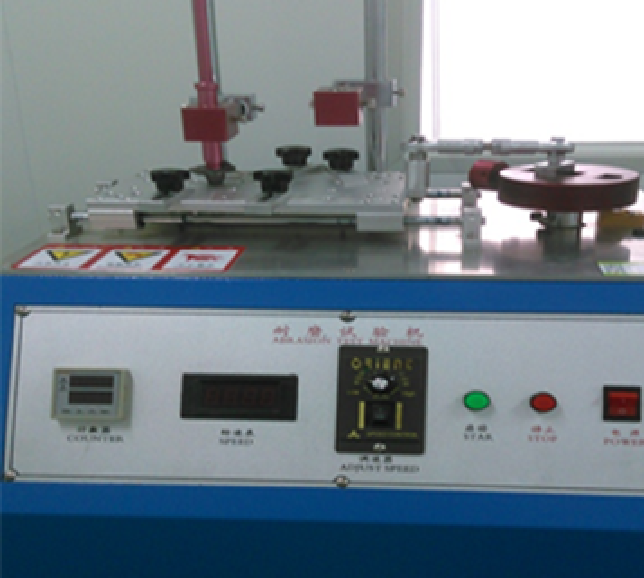
- Abrasion resistance
- Corrosion resistance
- Optical performance
These measures help ensure consistent production quality.
How to Choose the Right Vacuum Coating Manufacturer
Selecting the right partner requires careful evaluation.
Technical Expertise
Look for manufacturers with experience in your specific industry.
Customization Capabilities
Every project has unique requirements.
An ideal supplier should offer:
- Material recommendations
- Prototype development
- Process optimization
Quality Certifications
Certifications demonstrate commitment to quality and consistency.
Production Capacity
Global businesses need reliable suppliers capable of scaling production.
A comprehensive coating partner should also provide a broad portfolio of solutions for different industries and applications.
Explore additional coating technologies and manufacturing capabilities through the SRNC product portfolio:
Future Trends in Vacuum Coating Manufacturing
The vacuum coating industry continues to evolve rapidly.
Nano-Coatings
Nano-scale coatings provide enhanced functionality while using minimal material.
Smart Surface Technologies
Emerging coatings offer:
- Self-cleaning surfaces
- Antimicrobial protection
- Anti-fingerprint performance
Sustainable Manufacturing
Manufacturers increasingly prioritize:
- Reduced emissions
- Lower material consumption
- Improved energy efficiency
Advanced Optical Applications
Growing demand for:
- Smartphone cameras
- Autonomous vehicle sensors
- AR/VR devices
will continue driving innovation in coating technology.
Frequently Asked Questions
What does a vacuum coating manufacturer do?
A vacuum coating manufacturer applies thin-film coatings to materials using advanced vacuum deposition technologies to improve appearance, durability, and functionality.
What industries use vacuum coating services?
Industries include electronics, automotive, optics, aerospace, medical devices, and consumer products.
What is the difference between PVD and traditional coating?
PVD creates highly uniform and durable coatings with minimal environmental impact compared to many traditional coating methods.
Can vacuum coatings improve product durability?
Yes. Vacuum coatings enhance wear resistance, corrosion resistance, and overall product lifespan.
Why are vacuum coatings important for optical devices?
They improve light transmission, reduce reflection, and protect sensitive optical surfaces.
How do I choose a reliable vacuum coating manufacturer?
Consider technical expertise, quality certifications, customization capabilities, and production capacity.
Are vacuum coatings environmentally friendly?
Many vacuum coating processes generate less waste and use fewer hazardous materials than traditional finishing methods.
Can vacuum coatings be customized?
Yes. Most professional manufacturers develop coatings tailored to specific performance and design requirements.
Conclusion
Choosing an experienced vacuum coating manufacturer is essential for companies seeking advanced surface solutions that enhance product performance, appearance, and durability. Whether applied to electronics, optical components, decorative panels, or industrial products, vacuum coatings provide significant advantages over conventional finishing methods.
As technology continues to evolve, vacuum coating manufacturers will remain at the forefront of innovation, helping global industries meet increasing demands for quality, sustainability, and functionality. Businesses looking to improve product value and competitiveness should consider partnering with an experienced coating specialist capable of delivering both decorative and functional solutions on a global scale.