


Thin Film Hard Coating: Precision Surface Protection for Advanced Optical Applications
As electronic devices become thinner, more powerful, and more design-focused, the demand for durable surface protection continues to increase. Components such as sapphire windows, optical lenses, camera cover glass, and precision glass parts must maintain their appearance and performance despite constant exposure to friction, cleaning, and environmental factors.
Thin film hard coating provides an advanced solution by creating an ultra-thin protective layer that improves surface hardness, scratch resistance, and wear durability without significantly affecting the original properties of the substrate.
Through precise vacuum coating technology, manufacturers can enhance the reliability of optical and electronic components while maintaining excellent transparency, smooth surface quality, and premium appearance.
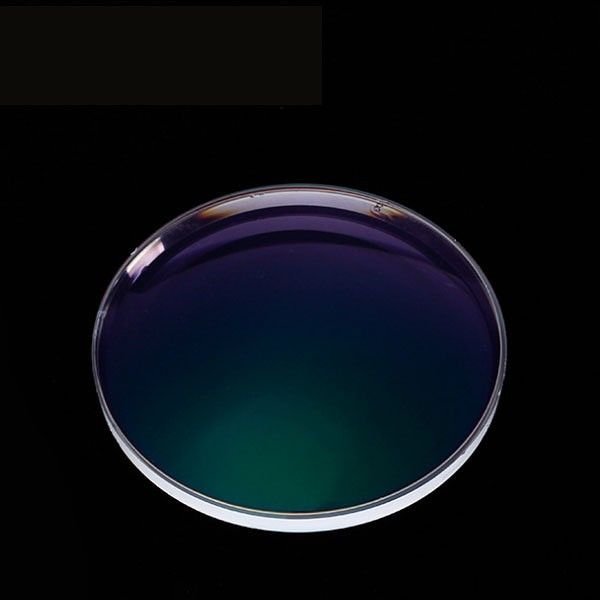
Why Thin Film Protection Is Essential for Modern Components
Many advanced devices rely on optical surfaces that must remain clear and durable throughout their service life. Even small surface damage can negatively affect appearance and functionality.
Common causes of surface wear include:
- Repeated contact during daily use
- Dust and environmental particles
- Frequent cleaning procedures
- Mechanical friction
- Long-term exposure to harsh conditions
For premium products, surface damage can lead to:
- Visible scratches
- Reduced optical clarity
- Lower product value
- Shorter service life
A protective coating helps manufacturers overcome these challenges while preserving the original design quality.
What Is Thin Film Hard Coating?
A thin film hard coating is a specially engineered protective layer deposited onto a substrate surface at a microscopic or nanometer scale. Unlike traditional thick protective materials, thin-film coatings provide enhanced surface performance without adding significant thickness or weight.
These coatings are typically created using advanced vacuum deposition technologies, allowing precise control over:
- Film thickness
- Layer structure
- Surface hardness
- Optical performance
- Adhesion strength
The result is a lightweight but highly effective protective layer suitable for demanding applications.
How Thin Film Hard Coating Improves Surface Performance
The main purpose of thin-film hard coating technology is to strengthen the surface while maintaining the functional properties of the original material.
Key advantages include:
- Improved scratch resistance
- Enhanced abrasion protection
- Strong coating adhesion
- High optical transparency
- Stable surface performance
- Long-term durability
For optical components, the coating can be customized to provide protection without interfering with light transmission or image quality.
Thin Film Hard Coating for Sapphire Applications
Sapphire is widely recognized for its excellent hardness, transparency, and chemical resistance. It is commonly used in applications that require reliable optical performance and strong physical protection.
However, advanced surface engineering can further improve sapphire performance in demanding environments.
Sapphire Super Hard Coating enhances sapphire surfaces with strong scratch resistance, excellent wear protection, uniform finishing quality, and customized coating solutions designed for high-end mobile devices and optical applications.
By combining sapphire substrates with advanced hard coating technology, manufacturers can achieve superior durability while maintaining a premium appearance.
Applications of Thin Film Hard Coating
Smartphone Camera Components
Modern smartphone cameras require optical surfaces that remain clean and damage-free. Thin-film coatings help protect camera cover glass and optical components while maintaining imaging performance.
Optical Glass and Lenses
Precision optical systems depend on clear and durable surfaces. Thin film hard coatings improve reliability for lenses used in imaging, industrial, and scientific applications.
Consumer Electronics
Premium smartphones, tablets, and wearable devices benefit from protective coatings that improve durability without changing product design.
Industrial Optical Equipment
Manufacturing equipment, sensors, and inspection systems require coatings that withstand continuous operation and environmental exposure.
Important Properties of High-Quality Thin Film Hard Coatings
When selecting a coating solution, manufacturers evaluate multiple performance factors.
| Property | Importance |
|---|---|
| Surface Hardness | Protects against scratches and wear |
| Film Adhesion | Ensures long-term coating stability |
| Optical Transparency | Maintains clear light transmission |
| Thickness Control | Provides consistent performance |
| Chemical Resistance | Improves environmental durability |
| Production Stability | Supports large-scale manufacturing |
A successful coating solution must balance mechanical strength, optical performance, and manufacturing reliability.
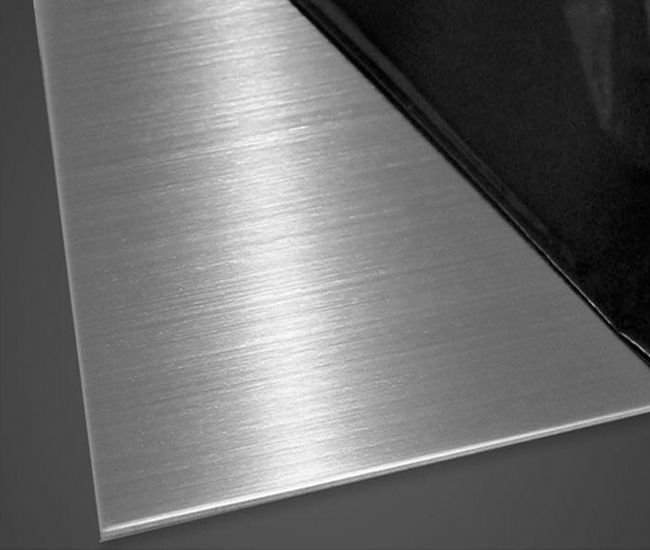
The Role of Vacuum Coating Technology
The performance of a thin-film coating depends heavily on deposition accuracy. Advanced vacuum coating technologies allow manufacturers to create highly controlled protective layers with excellent consistency.
Benefits of modern vacuum coating processes include:
- Nanometer-level thickness control
- Uniform coating coverage
- Strong bonding with substrates
- Repeatable production results
- Customized multilayer structures
These capabilities make vacuum coating an ideal technology for high-performance optical and electronic applications.
Customized Thin Film Coating Solutions
Different industries require different levels of protection. A smartphone camera component may prioritize transparency and optical performance, while industrial parts may require maximum hardness and wear resistance.
A professional coating supplier should provide:
- Customized coating designs
- Material compatibility analysis
- Application-specific solutions
- Stable mass production
- Quality inspection support
SRNC provides advanced vacuum coating solutions for optical and electronic industries, helping manufacturers develop high-performance coatings tailored to specific product requirements.
Future Trends in Thin Film Hard Coating Technology
As consumer electronics and optical industries continue to advance, thin-film coating technology is expected to develop further.
Future innovations may include:
- Harder and more durable protective layers
- Multi-functional coatings
- Improved optical efficiency
- Better environmental resistance
- Sustainable coating processes
- Advanced nano-engineered surfaces
These developments will support future generations of smartphones, optical systems, and precision electronic products.
Frequently Asked Questions
What is thin film hard coating?
Thin film hard coating is an ultra-thin protective layer applied to a surface to improve hardness, scratch resistance, and wear durability while maintaining the original material properties.
Why are thin film hard coatings used on sapphire?
They provide additional surface protection and enhance sapphire’s durability for demanding optical and electronic applications.
Does thin film hard coating affect optical clarity?
No. Properly designed coatings maintain high transparency and can be optimized for optical performance.
What materials can use thin film hard coating?
Common substrates include sapphire, optical glass, camera cover glass, lenses, and various electronic components.
How is thin film hard coating applied?
It is typically applied using advanced vacuum deposition technologies that precisely control coating thickness and layer structure.
Conclusion
As advanced devices demand stronger, lighter, and more reliable materials, thin film hard coating has become an essential surface protection technology. It provides excellent scratch resistance, improved wear durability, and reliable performance while maintaining optical clarity and premium appearance.
Through Sapphire Super Hard Coating, SRNC delivers advanced coating solutions for sapphire and optical components, helping manufacturers achieve superior surface protection and long-term reliability.
Supported by comprehensive vacuum coating solutions, SRNC enables global electronics and optical manufacturers to develop next-generation products with enhanced durability, precision, and performance.