

Texture Coating Supplier: How to Choose the Right Partner for Phone Back Panels
The surface of a smartphone back panel does more than protect the device.
It contributes to the way the phone looks, feels, and interacts with light.
A smooth surface can produce a clean and reflective appearance, while a textured coating can introduce controlled visual depth and a distinctive tactile character.
For manufacturers developing consumer electronics, choosing the right texture coating supplier is therefore an important part of product development.
The challenge is that texture coating isn’t simply about creating a rough surface.
A successful coating needs to deliver a controlled appearance while maintaining adhesion, durability, consistency, and compatibility with the selected back-panel material.
For production projects, the supplier’s process capability can be just as important as the coating itself.
What Is Texture Coating for a Cell Phone Back Panel?
Texture coating is a surface treatment designed to create a controlled visual or tactile texture on a component.
For a cell phone back panel, the coating can be engineered to influence:
- Surface appearance
- Light reflection
- Surface feel
- Visual depth
- Gloss level
- Surface uniformity
- Scratch resistance
The final appearance depends on more than coating chemistry.
It can also be influenced by:
- Substrate material
- Surface preparation
- Coating thickness
- Texture structure
- Deposition conditions
- Curing or finishing conditions
This makes process control particularly important.
Why Texture Matters on a Smartphone Back Panel
Smartphone design has become increasingly focused on surface aesthetics.
Manufacturers may want a back panel that feels:
- Refined
- Premium
- Distinctive
- Smooth but tactile
- Matte or subtly textured
Texture can also influence the way light interacts with the surface.
Instead of producing a uniform reflection, a textured surface can scatter light in a controlled manner.
This can create a different visual effect from a conventional glossy finish.
What Should a Texture Coating Supplier Provide?
A capable supplier should be able to discuss more than the coating material.
A useful supplier evaluation should cover at least five areas:
- Texture and appearance
- Substrate compatibility
- Process control
- Durability
- Production consistency
If a supplier focuses only on color or visual samples without discussing these factors, it may be difficult to predict how the coating will behave in mass production.
1. Texture and Appearance Control
Texture is not necessarily a single standardized finish.
Different products may require different visual effects.
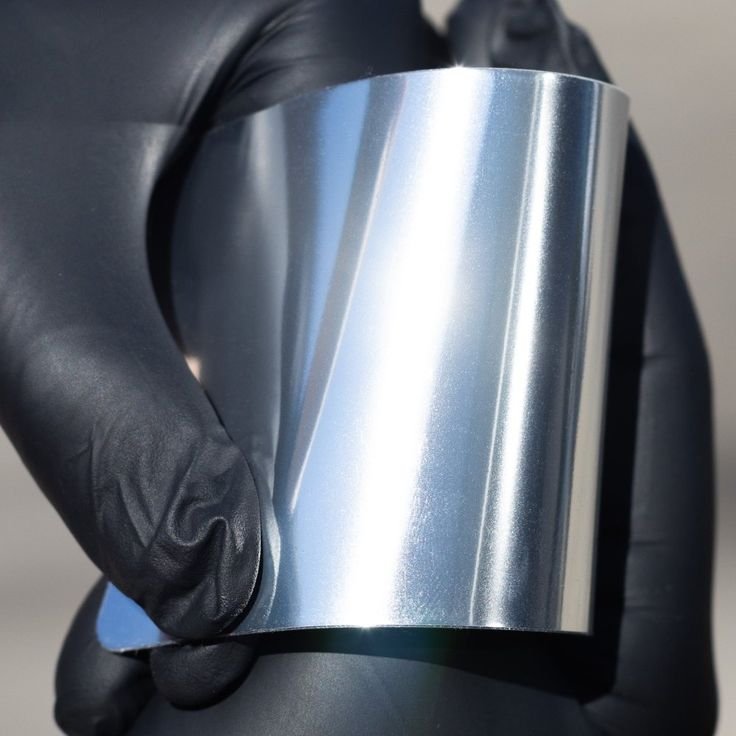
For example, a manufacturer may be looking for:
- Fine texture
- Medium texture
- Matte texture
- Satin appearance
- Micro-textured surface
- Controlled light scattering
A texture coating supplier should be able to work from defined appearance requirements rather than relying only on subjective descriptions.
Useful specifications may include:
- Gloss
- Surface roughness
- Texture uniformity
- Color appearance
- Visual defect limits
The more clearly the appearance is defined, the easier it becomes to reproduce.
2. Substrate Compatibility
The same texture coating cannot automatically be applied to every back-panel material.
Potential substrates include:
- Glass
- Metal
- Aluminum
- Stainless steel
- Engineering plastics
- Composite materials
Each material has different surface characteristics.
Adhesion, thermal behavior, surface energy, and preparation requirements can all affect the final result.
This is why a supplier should understand the substrate before recommending a coating process.
Texture Coating for Glass Back Panels
Glass provides a smooth and stable substrate for many decorative and functional surface treatments.
A texture coating can modify the surface appearance while preserving the underlying structural role of the glass.
Important considerations can include:
- Adhesion
- Surface cleanliness
- Coating uniformity
- Optical appearance
- Scratch resistance
The coating architecture should be selected according to the desired finish and durability requirements.
Texture Coating for Metal Back Panels
Metal presents a different coating challenge.
Aluminum and stainless steel surfaces may require specific pretreatment to establish reliable coating adhesion.
Surface preparation can involve processes such as:
- Cleaning
- Degreasing
- Surface activation
- Plasma treatment
- Other application-specific pretreatments
A coating supplier with experience across different substrates can help manufacturers identify a more appropriate process window.
Texture Coating for Plastic Housings
Plastic housings introduce additional considerations.
Compared with glass or metal, polymers may have:
- Different thermal limits
- Different surface energy
- Different dimensional stability
- Different adhesion characteristics
The coating process therefore needs to be compatible with the plastic substrate and its manufacturing conditions.
Temperature-sensitive materials may require a different process strategy from glass or metal components.
3. Coating Adhesion
A beautiful texture has little value if it doesn’t remain attached to the back panel.
Adhesion can be affected by:
- Surface contamination
- Substrate chemistry
- Pretreatment
- Coating composition
- Film thickness
- Curing conditions
A texture coating supplier should have a clear method for evaluating coating adhesion.
Depending on the application, testing may include standardized adhesion methods or application-specific evaluations.
4. Scratch and Abrasion Resistance
Smartphone back panels are handled constantly.
They may encounter:
- Pockets
- Bags
- Tables
- Clothing
- Dust
- Other devices
- Repeated wiping
The texture itself should remain visually stable under expected use.
Abrasion can change the appearance of a textured surface, particularly if the surface structure or topcoat is gradually worn down.
This makes abrasion testing an important part of supplier qualification.
5. Fingerprint and Contamination Behavior
A textured surface can change the way fingerprints and oils interact with the panel.
Depending on the surface structure, manufacturers may want to control:
- Oil adhesion
- Fingerprint visibility
- Water behavior
- Dust adhesion
- Cleanability
A texture coating can therefore be combined with additional functional surface properties when the application requires it.
6. Consistency Between Batches
This is one of the most important differences between a sample supplier and a production-ready supplier.
A prototype panel may look excellent.
The real challenge is reproducing that appearance across:
- Multiple production lots
- Different component batches
- Different coating runs
- Large quantities of finished panels
Small variations in coating thickness or process conditions can change the final appearance.
A supplier should therefore have appropriate process monitoring and quality-control procedures.
What Makes Texture Coating Difficult to Reproduce?
Texture is affected by multiple variables.
For example:
Substrate → Surface Preparation → Coating Deposition → Texture Formation → Finishing → Inspection
A change at any stage can influence the final appearance.
Even apparently minor variations in:
- Surface cleanliness
- Coating viscosity or deposition conditions
- Film thickness
- Temperature
- Processing time
- Fixture position
may produce visible differences.
This is why repeatability needs to be considered during development rather than after mass production begins.
How to Evaluate a Texture Coating Supplier
A practical supplier assessment can follow several steps.
Step 1: Send the Actual Substrate
Provide representative back-panel materials rather than evaluating the coating on an unrelated sample.
Step 2: Define the Desired Texture
Describe the target finish using measurable parameters wherever possible.
Step 3: Request Coating Samples
Evaluate appearance, texture, adhesion, and tactile characteristics.
Step 4: Perform Durability Testing
Test the coating under expected mechanical and environmental conditions.
Step 5: Review Process Capability
Ask how the supplier controls:
- Coating thickness
- Surface cleanliness
- Process parameters
- Batch consistency
- Finished-product inspection
Step 6: Validate Production Repeatability
Before full-scale production, confirm that the supplier can reproduce the approved reference sample consistently.
Texture Coating Supplier vs. Generic Coating Supplier
A general coating company may be able to apply a film.
That doesn’t necessarily mean it has the process knowledge required for a textured consumer-electronics surface.
A specialized texture coating supplier should understand the relationship between:
Surface structure + optical appearance + tactile response + durability + manufacturing repeatability
This integrated understanding can reduce development problems later in the project.
Texture Coating and Surface Roughness
Surface roughness can be used to help characterize a textured surface.
However, roughness measurements alone don’t fully describe visual texture.
Two surfaces can have similar roughness values but produce different appearances because their surface structures differ.
For this reason, texture development may combine:
- Roughness measurement
- Gloss measurement
- Visual inspection
- Microscopic analysis
- Tactile evaluation
The appropriate combination depends on the product requirements.
Texture Coating and Gloss
Gloss is another useful parameter for defining appearance.
A high-gloss surface reflects light strongly and directionally.
A textured or matte surface scatters light more broadly.
Texture coating can therefore be used to create a controlled reduction in gloss without necessarily making the surface visually dull.
The target gloss level should be defined using a suitable measurement method and reference standard.
Texture Coating for Premium Consumer Electronics
For consumer electronics, the coating often needs to satisfy several goals at once.
The back panel should look distinctive but not inconsistent.
It should feel refined without becoming difficult to handle.
It should maintain its appearance after repeated use.
This creates a balancing act between aesthetics and performance.
A coating that produces an attractive texture but has poor abrasion resistance may not be suitable for a commercial product.
Durability Tests for Textured Back Panels
Depending on the final application, a coating qualification program may include:
| Test | Purpose |
|---|---|
| Adhesion | Evaluates coating bonding |
| Scratch resistance | Evaluates resistance to localized damage |
| Abrasion | Evaluates repeated rubbing |
| Chemical resistance | Evaluates exposure to selected substances |
| Humidity | Evaluates environmental stability |
| Temperature cycling | Evaluates thermal durability |
| Water exposure | Evaluates surface behavior |
| Fingerprint testing | Evaluates contamination characteristics |
Testing should be matched to the actual expected use conditions.
Common Problems When Choosing a Texture Coating Supplier
Inconsistent Appearance
The texture may vary from one batch to another.
Weak Adhesion
The coating can peel or deteriorate during use.
Excessive Surface Roughness
A texture that is too aggressive may negatively affect the tactile experience.
Poor Abrasion Resistance
Repeated contact can gradually alter the surface appearance.
Color or Gloss Variation
Small process changes can produce visible differences.
Difficult Scale-Up
A coating that works on a small prototype may not reproduce consistently in larger production runs.
These issues are why supplier qualification should include both technical and manufacturing evaluation.
Questions to Ask a Texture Coating Supplier
Before starting a production project, manufacturers can ask:
Can the coating be applied to my specific substrate?
How is the target texture defined and controlled?
What surface-preparation process is required?
How is coating thickness controlled?
What adhesion testing is available?
What abrasion testing can be performed?
How is batch-to-batch consistency monitored?
Can the approved texture be reproduced at production scale?
What inspection criteria are used for finished panels?
These questions can reveal whether a supplier has a controlled manufacturing process or is mainly providing sample-based coating services.
Why Process Development Matters
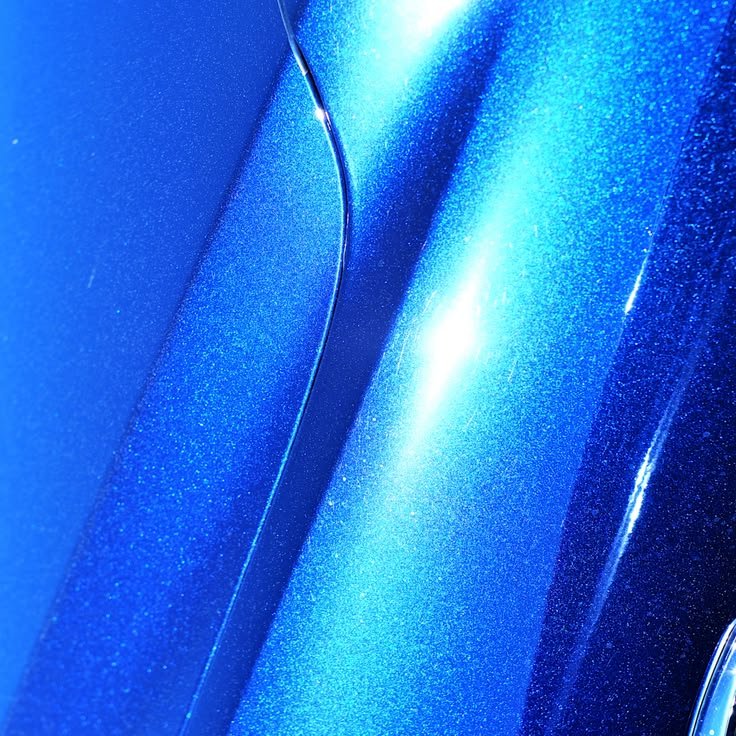
Texture coating development is often an iterative process.
A typical development cycle may look like:
Target Appearance → Sample Coating → Measurement → Durability Testing → Process Adjustment → Approval → Production Validation
This approach allows the manufacturer and coating supplier to establish a repeatable process before mass production.
It also helps identify potential problems early.
SRNC Texture Coating for Cell Phone Back Panels
For manufacturers looking for a specialized surface treatment for mobile-device housings and back panels, SRNC provides Texture Coating for Cell Phone Back Panel.
The coating can be evaluated around the specific requirements of the target substrate, appearance, surface functionality, and durability.
For related housing applications, manufacturers can also consider surface solutions for plastic housing coating and metal housing coating, depending on the component material and coating objectives.
Frequently Asked Questions
What should I look for in a texture coating supplier?
Look for experience with the target substrate, controlled texture development, reliable adhesion, durability testing, process monitoring, and the ability to reproduce an approved finish consistently at production scale.
Can texture coating be applied to glass phone back panels?
Yes. Glass can be used as a substrate for texture coating, provided the coating system and surface preparation are compatible with the specific glass.
Can texture coating be applied to metal?
Yes. Aluminum, stainless steel, and other metals can be considered for textured surface treatments, although pretreatment and adhesion requirements vary.
Can plastic phone housings be texture coated?
Yes. The coating and process need to be selected according to the plastic material, thermal limitations, surface characteristics, and required durability.
How is texture coating durability tested?
Testing can include scratch, abrasion, adhesion, chemical, humidity, temperature, and other application-specific evaluations.
Does texture coating affect gloss?
Yes. Surface texture can modify how light is reflected and scattered, which can change the perceived and measured gloss of the back panel.
How can texture consistency be controlled?
Texture consistency can be supported by controlling substrate preparation, coating parameters, film thickness, processing conditions, and finished-surface inspection.
Can texture coating provide both appearance and protection?
Yes. A coating system can be designed to combine decorative texture with properties such as abrasion resistance, chemical resistance, and surface cleanability.
Conclusion
Choosing a texture coating supplier is ultimately about more than finding a company that can create an attractive surface sample.
For a cell phone back panel, the coating needs to perform consistently across the entire manufacturing process.
The supplier should understand how substrate selection, surface preparation, coating structure, texture, gloss, adhesion, durability, and process conditions interact with one another.
A reliable development process typically starts with a clearly defined appearance target, followed by representative samples, measurable specifications, durability testing, and production-scale validation.
That approach helps turn an attractive prototype into a repeatable commercial finish.
For mobile-device manufacturers, SRNC’s Texture Coating for Cell Phone Back Panel is a dedicated solution for developing textured surfaces on cell phone back panels.
The right texture coating supplier should ultimately be able to deliver not just the desired texture, but the repeatability, adhesion, durability, and process control needed to keep that texture consistent from the first approved sample through production.