

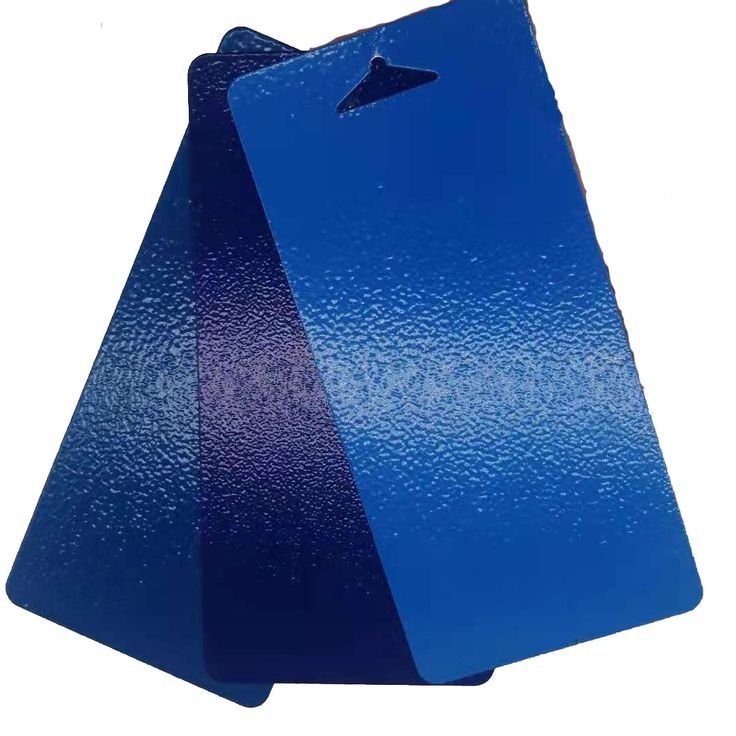
Texture Coating Manufacturer for Smartphone Back Panels: From Surface Design to Mass Production
The surface finish of a smartphone can have a surprisingly large impact on how users perceive the product. Color may attract attention first, but texture, gloss, friction, and hand feel often determine whether the device feels truly premium.
For manufacturers, achieving a consistent surface finish isn’t simply a matter of choosing a coating material. It requires control over substrate preparation, coating application, texture formation, curing, inspection, and long-term durability.
That’s why selecting the right texture coating manufacturer is an important part of smartphone back-panel development.
A capable coating partner should be able to translate a design concept into a repeatable industrial process. The objective isn’t just to produce one attractive sample. The real challenge is reproducing the same surface appearance and functional performance across large production volumes.
For cell phone back panels, texture coating may be used on glass, plastic, metal, ceramic, and other suitable substrates. Depending on the design, it can create matte, satin, frosted, micro-textured, soft-touch, or other customized finishes.
What Does a Texture Coating Manufacturer Do?
A texture coating manufacturer develops and produces coating systems that modify the surface characteristics of a component.
For smartphone back panels, the manufacturer’s responsibilities may include:
- Coating formulation
- Substrate preparation
- Surface texture development
- Coating application
- Process optimization
- Curing or post-treatment
- Appearance inspection
- Durability testing
- Production quality control
A professional manufacturer should understand both the visual and functional requirements of the final surface.
The coating isn’t successful simply because it looks good.
It also needs to meet requirements for adhesion, wear resistance, chemical resistance, and production consistency.
Why Texture Matters on Smartphone Back Panels
Smartphone surfaces are highly visible and frequently touched.
A carefully engineered texture can change the way a device looks and feels.
It can influence:
- Light reflection
- Gloss
- Surface friction
- Fingerprint visibility
- Tactile response
- Perceived product quality
For example, a fine micro-texture can scatter reflected light and create a softer visual appearance than a polished surface.
A textured finish can also give a phone a distinctive identity in a crowded market.
Choosing a Texture Coating Manufacturer
Not every coating supplier has the same capabilities.
When evaluating a manufacturer, buyers should look beyond a product catalog and examine the company’s ability to support the complete development process.
1. Experience With the Target Substrate
The manufacturer should understand how the coating behaves on the selected substrate.
Different materials have different surface characteristics.
Glass
Glass requires reliable coating adhesion and excellent surface uniformity.
Plastic
Plastic may require specific surface preparation to achieve adequate adhesion and durability.
Metal
Metal substrates may require pretreatment to improve coating bonding and corrosion resistance.
Ceramic
Ceramic surfaces can require specialized coating compatibility and process control.
A coating that works well on one substrate isn’t automatically suitable for another.
2. Texture Development Capability
A manufacturer should be able to control the texture rather than simply apply a generic rough coating.
Important parameters may include:
- Surface roughness
- Texture depth
- Pattern consistency
- Gloss level
- Visual uniformity
The target texture should be defined with measurable specifications whenever possible.
3. Prototype Development
Product development often begins with samples.
A good manufacturing partner should be able to help move from:
Concept → Sample → Testing → Process Optimization → Mass Production
This development path reduces the risk of discovering production problems after the design has already been finalized.
Texture Coating Manufacturer and Surface Customization
Smartphone brands often require distinctive finishes rather than standard coating specifications.
A coating manufacturer may therefore need to support customization in areas such as:
- Texture
- Gloss
- Color
- Tactile feel
- Surface appearance
- Functional performance
Different textures can create very different product experiences.
| Finish | Typical Character |
|---|---|
| Fine matte | Soft, diffuse appearance |
| Satin | Balanced gloss and texture |
| Frosted | Light diffusion and premium look |
| Micro-textured | Subtle tactile and visual effect |
| Soft-touch | Smooth and comfortable feel |
| Decorative texture | Strong product differentiation |
The exact finish should be developed according to the product’s industrial design.
Functional Performance Beyond Texture
A texture coating manufacturer should also consider what happens to the surface after repeated use.
Smartphone back panels may need to resist:
- Scratches
- Abrasion
- Sweat
- Skin oils
- Cosmetics
- Cleaning chemicals
- Repeated handling
For this reason, texture should not be evaluated independently from durability.
A surface that looks excellent on day one but wears quickly may not be suitable for a commercial product.
Scratch Resistance
A hard coating can help reduce visible scratches and wear.
Chemical Resistance
The coating should remain stable when exposed to substances encountered during normal use and cleaning.
Anti-Fingerprint Performance
Surface texture and dedicated anti-fingerprint treatments can help reduce the visibility or adhesion of fingerprints.
Easy Cleaning
Lower surface contamination can make routine cleaning easier.
Wear Resistance
Repeated contact should not quickly change the texture, gloss, or appearance of the coating.
Texture Coating Manufacturer for Cell Phone Back Panels
Cell phone back panels have particularly demanding requirements because they combine appearance and functionality.
The coating may need to maintain:
- Consistent color
- Uniform texture
- Stable gloss
- Strong adhesion
- Good scratch resistance
- Reliable chemical resistance
- Consistent tactile properties
SRNC’s Texture Coating for Cell Phone Back Panel focuses on this type of application, providing surface coating solutions for smartphone back-panel designs.
The coating approach can be adapted according to the substrate, texture requirements, and intended surface performance.
From Sample to Mass Production
One of the biggest differences between a coating developer and a production-ready texture coating manufacturer is process scalability.
A laboratory sample may be relatively easy to produce.
Mass production is a different ball game.
Large-scale manufacturing requires control over:
- Coating thickness
- Application conditions
- Surface preparation
- Texture consistency
- Curing conditions
- Production speed
- Defect rates
Small process variations can become visible across thousands or millions of components.
Therefore, production repeatability should be evaluated during supplier selection.
Quality Control for Texture Coatings
A professional coating manufacturer should establish clear inspection criteria.
Typical quality checks include:
| Quality Check | Purpose |
|---|---|
| Visual inspection | Identifies appearance defects |
| Gloss measurement | Confirms gloss consistency |
| Roughness measurement | Controls surface texture |
| Adhesion testing | Evaluates coating bonding |
| Hardness testing | Measures scratch resistance |
| Abrasion testing | Evaluates wear resistance |
| Chemical testing | Checks resistance to chemicals |
| Cleaning tests | Evaluates surface maintenance |
| Environmental testing | Checks long-term stability |
For high-volume smartphone manufacturing, automated or standardized inspection methods can improve consistency.
Surface Preparation Is Critical
Even a high-performance coating can fail if the substrate isn’t properly prepared.
Before coating, the surface may need to undergo:
- Cleaning
- Degreasing
- Particle removal
- Surface activation
- Pretreatment
The exact process depends on the material.
Proper preparation improves the probability of achieving strong adhesion and consistent coating performance.
Coating Technologies Used in Electronics
Depending on the desired finish, coating manufacturers may use different technologies.
Potential approaches include:
- Spray coating
- Vacuum coating
- PVD
- Thin-film deposition
- Surface modification
- Texture-forming techniques
The technology should be selected according to the required appearance, substrate, coating material, production volume, and performance targets.
There isn’t a single coating process that works best for every smartphone surface.
How to Evaluate a Texture Coating Supplier
Before starting a project, buyers should ask several practical questions.
Can the manufacturer work with my substrate?
Confirm experience with glass, plastic, metal, ceramic, or the specific material being used.
Can the texture be customized?
Ask whether the supplier can develop a specific gloss, roughness, pattern, or tactile effect.
Can the supplier provide samples?
Prototype samples allow the design team to evaluate appearance and hand feel before mass production.
What durability testing is available?
Check whether the manufacturer can test hardness, abrasion, adhesion, and chemical resistance.
Can the process scale to mass production?
This is critical for smartphone applications.
A successful supplier should be able to maintain consistent results as production volume increases.
Why Texture Coating Should Be Developed With the Product
Coating shouldn’t be treated as the final step of product development.
Ideally, the coating manufacturer works with the product and engineering teams early in the design process.
This allows the team to consider:
- Substrate selection
- Texture design
- Coating thickness
- Surface performance
- Assembly requirements
- Durability targets
- Production constraints
Early cooperation can prevent costly redesigns later.
Texture Coating Manufacturer and Premium Surface Design
Surface texture has become an important part of consumer electronics differentiation.
A premium smartphone may use a carefully engineered finish to create a specific combination of:
Visual depth + tactile comfort + fingerprint control + durability.
The coating manufacturer plays a key role in converting this design concept into a repeatable manufacturing process.
For manufacturers looking for additional high-performance surface solutions, SRNC also provides Sapphire Super Hard Coating for applications requiring enhanced surface hardness and protection.
Frequently Asked Questions
What is a texture coating manufacturer?
A texture coating manufacturer develops and produces coatings designed to create controlled surface textures and functional properties on products such as smartphone back panels and electronic housings.
What materials can a texture coating manufacturer coat?
Depending on the coating technology, suitable substrates can include glass, plastic, metal, ceramic, and other engineered materials.
Can texture coating be customized?
Yes. Texture, gloss, roughness, appearance, and tactile characteristics can often be customized according to the product specification.
What is the difference between texture coating and decorative coating?
Decorative coating primarily focuses on visual appearance, while texture coating specifically modifies the surface structure and tactile or optical characteristics. The two functions can be combined.
Can texture coating improve scratch resistance?
Yes. A properly designed coating system can provide increased hardness and resistance to everyday abrasion and scratching.
Can texture coating reduce fingerprints?
Certain textures can make fingerprints less visible, and specialized anti-fingerprint treatments can further reduce oil adhesion.
How does a manufacturer ensure texture consistency?
Consistency requires controlled substrate preparation, coating application, texture parameters, curing conditions, and final inspection.
Can texture coating be used for mass-produced smartphones?
Yes. The coating process can be engineered for high-volume production, provided that process repeatability, quality control, and substrate compatibility are properly established.
What should I ask a texture coating manufacturer before placing an order?
Important questions include substrate compatibility, customization capability, prototype support, durability testing, production capacity, quality-control procedures, and mass-production consistency.
Conclusion
Choosing a texture coating manufacturer is about more than finding a supplier that can produce an attractive sample.
For smartphone back panels, the coating partner needs to understand surface design, material compatibility, texture control, durability, testing, and high-volume manufacturing.
The ideal coating system should deliver a consistent combination of appearance and function. Texture, gloss, tactile feel, scratch resistance, chemical resistance, fingerprint behavior, and cleanability all need to be considered together.
SRNC’s Texture Coating for Cell Phone Back Panel provides a dedicated solution for manufacturers developing textured and functional smartphone back-panel surfaces.
For components requiring a harder protective surface, Sapphire Super Hard Coating offers an additional advanced coating solution.
With the right development and manufacturing partner, surface texture can move beyond a simple decorative feature and become a carefully engineered part of the smartphone’s appearance, tactile experience, durability, and product identity.