

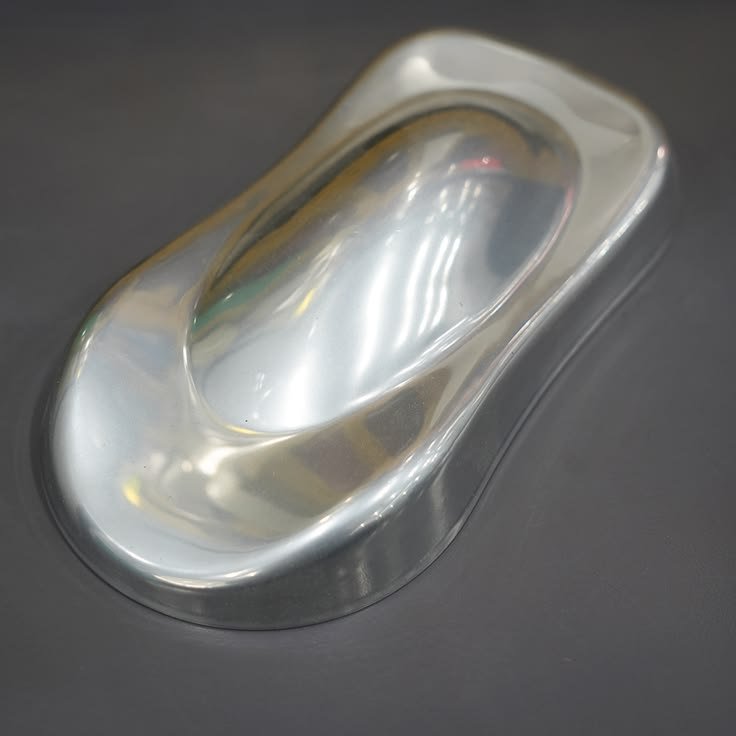
Stainless Steel Coating for Cell Phone Back Panels
As consumer electronics continue to evolve, the surface finish of a cell phone back panel has become an important part of product design and manufacturing. In addition to providing an attractive appearance, the surface coating needs to support consistent production, distinctive textures, and reliable surface performance.
Stainless steel coating is one surface treatment approach that can be considered for applications where manufacturers want to create a premium metallic appearance and controlled surface effects. Combined with vacuum coating and texture coating technologies, it can provide manufacturers with more flexibility when developing decorative finishes for cell phone back panels.
SRNC provides coating technology and equipment solutions for surface treatment applications, including its Texture Coating for Cell Phone Back Panel solution.
What Is Stainless Steel Coating?
Stainless steel coating generally refers to a surface coating process designed to create a metallic stainless-steel appearance or specific functional and decorative characteristics on a substrate.
For consumer electronics, the coating process can be used as part of a broader surface finishing system. Depending on the substrate, coating materials, pretreatment, texture design, and process parameters, manufacturers can develop different visual effects and surface finishes.
For cell phone back panels, the objective is not simply to create a metallic color. Manufacturers may also need to control:
- Surface texture and visual depth
- Metallic appearance
- Color consistency
- Surface uniformity
- Coating adhesion
- Wear resistance
- Production repeatability
This makes the selection of coating technology an important consideration during product development and mass production.
Stainless Steel Coating for Cell Phone Back Panels
Cell phone back panels are highly visible components, so their surface appearance can have a significant influence on the perceived quality of the finished device.
A stainless steel coating can help create a refined metallic surface effect while supporting different decorative design requirements. When combined with texture coating technology, the surface can be designed with patterns or textures that distinguish one product from another.
For manufacturers, the coating process should be evaluated together with the substrate material, pretreatment process, coating system, texture requirements, and production volume.
SRNC’s Texture Coating for Cell Phone Back Panel is designed around the surface finishing requirements of cell phone back panel applications.

How Vacuum Coating Can Enhance Surface Finishing
Vacuum coating is widely used in advanced decorative and functional surface treatment applications because it enables controlled deposition of coating materials in a vacuum environment.
For consumer electronics components, vacuum coating technology can be integrated into a surface finishing process to achieve consistent decorative effects and controlled coating characteristics.
The final result depends on multiple factors, including substrate preparation, coating material, chamber conditions, deposition parameters, and post-treatment processes. For this reason, a complete coating solution should be considered rather than selecting a coating material alone.
For manufacturers evaluating stainless steel coating, understanding how vacuum coating technology interacts with the substrate and texture design is particularly important.
Texture Coating and Metallic Surface Effects
A metallic appearance does not have to mean a completely smooth surface. Texture can be used to create a more distinctive visual and tactile experience.
Texture coating for cell phone back panels can support surface designs such as fine patterns, directional textures, or other customized visual effects, depending on the production process and design requirements.
Combining texture with a stainless steel coating concept can help manufacturers explore different product finishes while maintaining a consistent design language across a product series.
The coating system should therefore be selected according to the desired surface effect rather than simply the color or appearance of the finished component.
Key Considerations When Choosing Stainless Steel Coating Technology
Before selecting a coating solution for cell phone back panels, manufacturers should evaluate several factors.
1. Substrate Compatibility
The substrate material and its existing surface condition can directly influence coating adhesion and final appearance. Surface preparation and pretreatment should be considered as part of the complete coating process.
2. Surface Design
The required texture, gloss level, metallic effect, and visual uniformity should be defined before selecting the coating process. Different surface designs may require different process configurations.
3. Coating Uniformity
For consumer electronics production, consistent appearance across large quantities of components is essential. Equipment configuration and process control can play an important role in maintaining production consistency.
4. Production Requirements
Manufacturers should consider production capacity, cycle time, component dimensions, loading requirements, and process repeatability when evaluating coating equipment.
5. Application Requirements
The coating solution should match the end-use requirements of the component. Decorative appearance, surface durability, adhesion, and other performance requirements should all be considered during process development.
Applications of Stainless Steel Coating in Consumer Electronics
Stainless steel coating and related metallic surface finishing technologies can be considered for a range of consumer electronics applications where appearance and surface quality are important.
Potential applications include:
- Cell phone back panels
- Smartphone components
- Consumer electronic housings
- Decorative electronic components
- Portable device components
- Other precision components requiring metallic decorative finishes
For each application, the appropriate coating process depends on the substrate, design, required surface properties, and manufacturing conditions.
Why Choose SRNC for Surface Coating Solutions?
For manufacturers developing advanced surface finishes, coating equipment is only one part of the overall solution. Process requirements, substrate characteristics, coating technology, texture design, and production objectives should be considered together.
SRNC focuses on vacuum coating technology, coating equipment manufacturing, and nanocomposite material applications, providing technology-oriented solutions for industrial surface treatment requirements.
For cell phone manufacturers and component suppliers looking for specialized surface finishing solutions, the SRNC Texture Coating for Cell Phone Back Panel provides a starting point for evaluating texture coating applications for mobile device components.
FAQ About Stainless Steel Coating
What is stainless steel coating used for?
Stainless steel coating can be used to create metallic decorative effects and controlled surface finishes on different substrates. Its suitability depends on the substrate, coating system, and application requirements.
Can stainless steel coating be used on cell phone back panels?
Yes, stainless steel coating concepts can be considered for cell phone back panel applications where a metallic appearance or specific decorative surface effect is required. The appropriate process depends on the back panel material and required finish.
What is the relationship between stainless steel coating and vacuum coating?
Vacuum coating is a coating technology that can be used to deposit thin films under controlled vacuum conditions. It can be part of a surface finishing process for achieving metallic and decorative effects.
Why is texture important for cell phone back panels?
Texture can create distinctive visual and tactile characteristics. It can also help manufacturers develop differentiated surface designs for different consumer electronics products.
How do I select a coating solution for a cell phone back panel?
The selection should consider the substrate material, desired appearance, texture, coating performance, production capacity, and process requirements. A coating equipment manufacturer can help evaluate the appropriate process configuration for the specific application.

Conclusion
Stainless steel coating can be an effective surface finishing approach for manufacturers seeking metallic and distinctive finishes for cell phone back panels. When combined with texture coating and controlled vacuum coating technology, it provides opportunities to develop customized decorative surfaces for modern consumer electronics.
For manufacturers evaluating coating solutions for mobile device components, understanding the relationship between substrate preparation, coating technology, texture design, and production requirements is essential for achieving consistent results.
Explore SRNC’s Texture Coating for Cell Phone Back Panel solution to learn more about surface coating technology for cell phone back panel applications.