

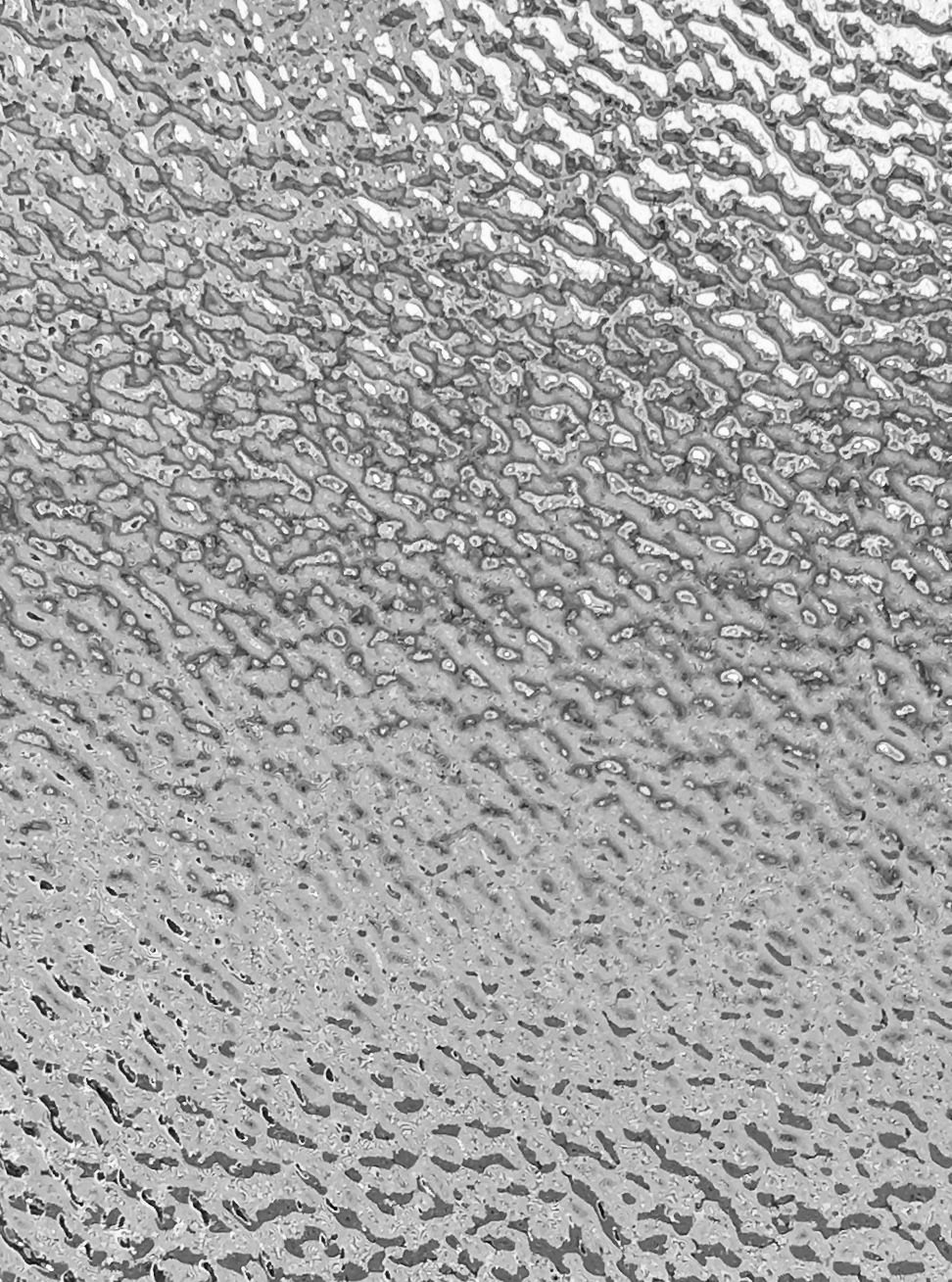
Texture Coating: Creating Premium Smartphone Back Panels with Superior Surface Performance
The smartphone back panel has evolved from a simple protective cover into a defining design element that influences both product appearance and user experience. Consumers expect mobile devices to offer not only elegant finishes but also resistance to scratches, fingerprints, and daily wear. Texture coating has become an ideal solution for manufacturers looking to combine premium aesthetics with long-lasting durability.
Using advanced vacuum coating technology, texture coatings create refined surface finishes while improving hardness, wear resistance, and tactile comfort. Whether producing a matte finish, frosted effect, or customized texture, this coating technology helps smartphone brands differentiate their products in today’s competitive consumer electronics market.
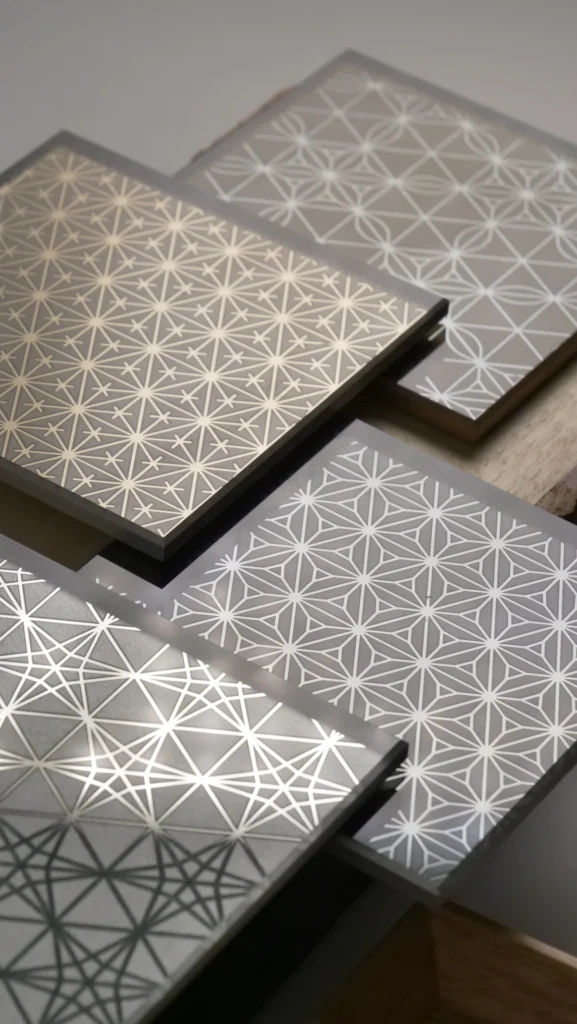
What Is Texture Coating?
Texture coating is a specialized surface treatment that creates decorative textures while improving the durability of smartphone back panels. Unlike conventional painting or printing processes, vacuum-deposited texture coatings provide a uniform finish with excellent adhesion and long-term stability.
The coating can be applied to various materials, including:
- Glass back panels
- Aluminum alloy
- Stainless steel
- Ceramic materials
- Composite panels
- Engineering plastics
Manufacturers can customize the surface appearance without changing the overall design or dimensions of the product.
Key Benefits of Texture Coating
Premium Surface Appearance
Texture coating allows manufacturers to create a wide variety of decorative finishes, including:
- Matte finishes
- Frosted textures
- Satin surfaces
- Metallic effects
- Fine micro-textures
These finishes give smartphones a modern and premium appearance while strengthening brand identity.
Improved Scratch Resistance
Daily contact with keys, coins, and other hard objects can easily damage untreated back panels. Texture coating forms a durable protective layer that helps reduce visible scratches and preserves the original finish.
Excellent Wear Resistance
Frequent handling causes gradual surface wear. A high-quality texture coating improves abrasion resistance, allowing devices to maintain their appearance throughout years of use.
Enhanced Tactile Experience
Surface texture directly affects how a smartphone feels in the user’s hand. Carefully engineered coatings improve grip while providing a comfortable and premium touch.
Advanced Vacuum Coating Technology
Precision Thin-Film Deposition
Modern texture coatings are produced using advanced vacuum coating technologies such as:
- Magnetron sputtering
- Plasma-enhanced deposition
- Multi-layer thin-film coating
These processes ensure:
- Uniform coating thickness
- Excellent adhesion
- Stable production quality
- Consistent decorative finishes
Environmentally Responsible Manufacturing
Vacuum coating technology minimizes material waste while delivering highly repeatable coating performance suitable for large-scale production.
Applications Across Multiple Industries
Smartphone Back Panels
Premium smartphones increasingly require decorative surfaces that remain attractive after prolonged daily use.
Manufacturers developing flagship mobile devices often choose Texture Coating for Cell Phone Back Panel to create elegant matte finishes, customized textures, and highly durable exterior surfaces that enhance both appearance and user experience.
Consumer Electronics
Texture coating is also widely applied to:
- Tablets
- Laptop covers
- Smartwatches
- Wireless charging devices
- Smart home products
Automotive Interior Components
Decorative texture coatings are commonly used on:
- Dashboard trim
- Center console panels
- Display bezels
- Interior decorative parts
These applications require excellent wear resistance while maintaining a premium appearance.
Industrial Electronic Products
Handheld terminals, industrial control panels, and smart devices benefit from textured coatings that improve durability and provide a comfortable surface finish.
Integrated Surface Coating Solutions
Modern electronic products often combine multiple coating technologies to optimize different product components.
For smartphone camera modules requiring outstanding optical performance, Functional Coating for Cell Phone Camera improves light transmission and reduces reflections while protecting precision optical components.
Manufacturers seeking complete vacuum coating solutions can integrate decorative, optical, and protective coatings into a single manufacturing process, ensuring consistent quality across the entire product.
Choosing the Right Texture Coating Supplier
Consumer Electronics Experience
An experienced supplier understands the demanding requirements of smartphone manufacturers, including appearance consistency, durability, and high-volume production.
Advanced Manufacturing Equipment
Reliable coating partners should offer:
- Automated vacuum coating systems
- Precision process control
- Customized texture development
- Stable production capacity
- Consistent color management
Comprehensive Quality Assurance
Professional testing typically includes:
- Scratch resistance testing
- Abrasion resistance evaluation
- Adhesion testing
- Surface hardness measurement
- Environmental durability testing
- Appearance inspection
Future Trends in Texture Coating
As smartphone design continues to evolve, texture coating technology is advancing toward:
- Ultra-matte finishes
- Anti-fingerprint surfaces
- Soft-touch textures
- Sustainable coating materials
- Customized decorative effects
- Eco-friendly manufacturing processes
These innovations will help manufacturers create products that combine premium aesthetics with long-term durability.
Industry Resources
Learn more about surface engineering and vacuum coating technologies:
These organizations provide valuable technical information on vacuum deposition, thin-film coatings, and advanced surface engineering.
Frequently Asked Questions
What is texture coating?
Texture coating is a decorative and protective surface treatment that creates premium finishes while improving scratch resistance and wear performance.
Why is texture coating used on smartphone back panels?
It enhances appearance, improves grip, increases scratch resistance, and helps maintain the premium look of the device throughout daily use.
Which materials can receive texture coating?
Glass, aluminum, stainless steel, ceramics, engineering plastics, and composite materials are commonly used with texture coating technology.
Is texture coating durable?
Yes. Vacuum-deposited texture coatings offer excellent adhesion, wear resistance, and long-term durability under everyday operating conditions.
Why choose vacuum coating for texture coating?
Vacuum coating provides precise thickness control, uniform finishes, strong adhesion, and environmentally friendly manufacturing, making it ideal for premium consumer electronics.
Conclusion
As smartphone manufacturers continue to pursue innovative designs and premium user experiences, texture coating has become an essential technology for enhancing both the appearance and durability of back panels. By combining decorative flexibility with outstanding scratch resistance and wear protection, texture coatings help products maintain their premium quality throughout their lifecycle.
With advanced Texture Coating for Cell Phone Back Panel technology, together with Functional Coating for Cell Phone Camera and comprehensive vacuum coating solutions, manufacturers can create stylish, durable, and high-performance consumer electronic products for global markets.