

Surface Coating Manufacturer: Engineering Advanced Finishes for Consumer Electronics
Surface Coating Is More Than a Decorative Layer
In modern consumer electronics, the surface of a product is part of its engineering identity.
Smartphone back panels, electronic housings, decorative panels, and other visible components must often satisfy several requirements simultaneously. They need to look attractive, feel consistent in the hand, withstand daily handling, and maintain their appearance through production, assembly, transportation, and use.
This is why choosing a capable surface coating manufacturer involves much more than finding a company that can apply a color or finish.
Advanced surface coating is an engineered process involving substrate preparation, coating material selection, vacuum deposition, texture development, process control, and performance testing. The final appearance is the result of many interconnected parameters rather than a single coating step.
For consumer electronics manufacturers, the right coating partner can therefore contribute to both product aesthetics and manufacturing reliability.
What Does a Surface Coating Manufacturer Actually Do?
A professional surface coating manufacturer provides the technology and production capability required to transform a prepared substrate into a finished surface with specified visual and functional characteristics.
Depending on the application, this can include:
- Decorative color development
- Texture creation
- Gloss and reflectivity control
- Metallic visual effects
- Matte or satin finishes
- Scratch and abrasion resistance
- Adhesion improvement
- Surface protection
- Optical effects
- Hydrophobic or other functional characteristics
- Consistent large-volume production
The process normally begins long before coating equipment is turned on.
The manufacturer must first understand the substrate, intended appearance, environmental conditions, performance requirements, and production volume. These factors influence the appropriate coating architecture and manufacturing process.
For a smartphone back panel, for example, the desired visual effect may need to work together with the mechanical characteristics of glass, metal, ceramic, composite materials, or other substrates.
This makes surface coating an interdisciplinary manufacturing activity combining materials science, surface engineering, vacuum technology, process engineering, and quality management.
From Surface Design to Manufacturing Specification
One of the biggest challenges in advanced coating projects is converting a visual concept into a repeatable manufacturing specification.
A product designer may describe a surface as:
- Fine textured
- Satin
- Frosted
- Metallic
- Soft-looking
- High-end
- Low-gloss
- Brushed
- Layered
- Subtly reflective
These descriptions communicate design intent, but production requires measurable parameters.
A capable coating manufacturer helps translate the desired appearance into engineering requirements.
Depending on the project, this can involve evaluating:
- Surface roughness
- Gloss level
- Color
- Reflectivity
- Texture scale
- Layer structure
- Coating thickness
- Adhesion
- Abrasion resistance
- Environmental resistance
- Substrate compatibility
This translation between design language and production parameters is particularly important for OEM and ODM consumer electronics programs.
The objective is not simply to make one sample look correct. The objective is to develop a process capable of reproducing the intended appearance across production batches.
Why Substrate Compatibility Matters
A coating cannot be evaluated independently from the material beneath it.
Different substrates respond differently to cleaning, pretreatment, heating, deposition energy, and coating materials. Surface characteristics also influence adhesion and the final appearance of the deposited layers.
Common substrates in consumer electronics can include:
- Glass
- Aluminum
- Stainless steel
- Ceramic
- Composite materials
- Engineering plastics
- Other specialty materials
Each substrate may require a different preparation and process strategy.
For example, surface cleanliness is critical because contaminants can interfere with adhesion or create visual defects. Surface energy can influence coating behavior, while the thermal characteristics of the substrate may affect process selection.
A professional surface coating manufacturer therefore evaluates the substrate as part of the complete coating system rather than treating coating as an isolated operation.
This approach is especially valuable when customers are developing a new product platform or changing substrate materials during product development.
Vacuum Coating for Advanced Surface Engineering
Vacuum deposition is an important technology for producing sophisticated surface finishes for consumer electronics.
Compared with conventional surface-finishing approaches, vacuum coating can provide precise control over thin-film layers and enable combinations of decorative and functional characteristics.
Depending on the required application and coating architecture, vacuum technologies can include processes such as sputtering and evaporation.
A typical production concept may involve several stages:
- Substrate preparation
- Cleaning
- Surface activation or pretreatment
- Loading
- Vacuum generation
- Film deposition
- Layer or color development
- Process inspection
- Final quality testing
- Packaging and shipment
Every stage can influence the final result.
Vacuum level, deposition conditions, substrate positioning, film composition, process timing, and equipment configuration may all affect the appearance and performance of the finished coating.
For this reason, advanced coating manufacturing depends heavily on process repeatability.
Texture Coating for Smartphone Back Panels
Smartphone manufacturers increasingly use surface treatments to create product differentiation.
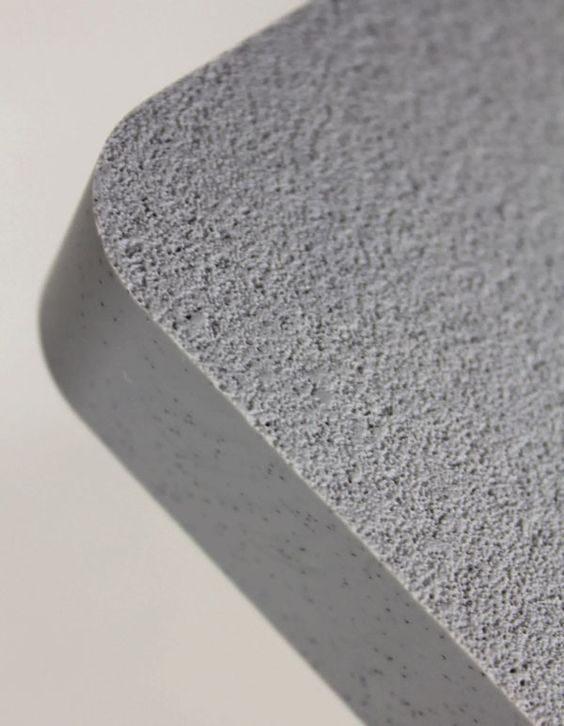
Texture can change how a device looks, reflects light, and feels when handled. Even subtle differences can create a significantly different visual identity.
Texture coating can support finishes such as:
- Fine matte surfaces
- Satin textures
- Frosted effects
- Metallic textures
- Fine decorative patterns
- Controlled reflective surfaces
The challenge is maintaining the intended texture while meeting mechanical and manufacturing requirements.
For more information about this application, see SRNC’s Texture Coating for Cell Phone Back Panel.
The development process should consider both visual and technical targets. A texture that looks attractive under controlled lighting may behave differently under production lighting or after handling and assembly.
Therefore, texture development is best treated as an engineering process rather than simply a visual finishing exercise.
Balancing Appearance and Durability
A premium-looking surface has limited value if its appearance deteriorates quickly.
Consumer electronics are exposed to repeated contact with hands, pockets, bags, tables, cleaning materials, and other objects. Back panels can experience friction, scratches, fingerprints, and environmental exposure throughout their service life.
A coating development program may therefore evaluate:
Scratch Resistance
Scratch resistance helps maintain the visual quality of the product when the surface encounters hard or abrasive objects.
Abrasion Resistance
Repeated rubbing can gradually alter gloss, texture, or color. Abrasion testing can help determine whether the coating maintains its intended characteristics.
Adhesion
Strong adhesion between the coating system and substrate is essential for long-term reliability. Poor adhesion can lead to peeling, delamination, or other coating failures.
Environmental Resistance
Depending on the application, coatings may need to withstand temperature and humidity changes or other environmental stresses.
Surface Appearance
Color, gloss, reflectivity, and texture should remain within the defined specification from batch to batch.
These properties are interconnected. Increasing one characteristic may influence another, so coating development requires controlled optimization rather than isolated testing.
Quality Control Begins Before Coating
Reliable coating production starts with incoming material inspection.
If substrate dimensions, surface condition, cleanliness, or other characteristics vary significantly, coating consistency can become difficult to maintain.
A controlled production workflow can include:
Incoming Material Inspection → Loading → Cleaning → Coating → Process Inspection → Packaging → Outgoing Inspection → Shipping
Each stage provides an opportunity to prevent defects from moving further through the production process.
Cleaning is particularly important because particles, oils, fingerprints, and other contaminants can affect coating adhesion and appearance.
After deposition, inspection can focus on characteristics such as:
- Color consistency
- Surface appearance
- Adhesion
- Abrasion performance
- Reflectivity
- Contact angle
- Electrical characteristics where applicable
- Environmental resistance
The exact inspection program should be matched to the customer’s product requirements.
Production Equipment Matters
Advanced surface coating requires appropriate equipment, but equipment alone does not guarantee a successful coating.
A manufacturing system may include different vacuum coating platforms for different product geometries, materials, and process requirements.
Relevant equipment can include:
- Optical coating systems
- Multifunctional evaporation equipment
- Magnetron sputtering systems
- Continuous sputtering lines
- Surface cleaning equipment
- Automated film laminating equipment
The advantage of having multiple process capabilities is flexibility.
Different customer projects can require different combinations of deposition methods, substrate handling, coating structures, and production conditions.
The manufacturer’s engineering team must determine which process configuration is appropriate for each application.
Testing Turns Coating Quality Into Measurable Data
Visual inspection is important, but advanced coating manufacturing should not rely exclusively on appearance.
Testing equipment can help convert coating performance into measurable results.
Typical testing capabilities may include:
- Film abrasion testing
- Reflection testing
- Contact angle measurement
- Cross-cut adhesion testing
- Resistance testing
- Constant temperature and humidity testing
- Salt spray testing
- Drying or curing evaluation
These tests provide objective information about the coating system.
For a consumer electronics customer, this can make supplier qualification and production control more systematic. Instead of evaluating a coating only by whether it “looks right,” engineers can compare measurable performance against defined requirements.
Consistency Is the Real Manufacturing Challenge
Producing one excellent sample is very different from producing thousands or millions of consistent parts.
This distinction is one of the most important factors when evaluating a surface coating manufacturer.
During sample development, engineers can adjust parameters until the desired result is achieved. Mass production introduces additional challenges:
- Batch-to-batch variation
- Substrate variation
- Equipment loading differences
- Process drift
- Material variation
- Production speed
- Yield management
- Inspection requirements
A robust manufacturing process therefore requires controlled parameters and repeatable procedures.
Production consistency should be evaluated across both appearance and performance.
A successful coating program should deliver a repeatable surface rather than a one-time visual result.
Why Process Development Should Start Early
Coating decisions made late in product development can create unnecessary engineering problems.
If the substrate, dimensions, texture, appearance, and mechanical requirements are already fixed, there may be fewer opportunities to optimize the coating system.
Early collaboration allows the coating manufacturer to participate in:
- Substrate evaluation
- Surface preparation planning
- Texture development
- Layer architecture development
- Sample production
- Performance testing
- Process optimization
- Production validation
This can shorten development cycles and reduce the risk of discovering coating limitations after the product has already entered advanced engineering stages.
For OEM and ODM projects, early technical communication can therefore be particularly valuable.
How to Evaluate a Surface Coating Manufacturer
When comparing potential coating partners, purchasing teams should look beyond price.
Several questions can help determine whether a supplier is suitable for a demanding project.
1. Does the manufacturer understand the substrate?
The supplier should be able to discuss how different materials influence coating adhesion, appearance, and process conditions.
2. Can it support customization?
Consumer electronics often require proprietary colors, textures, finishes, or coating structures. A supplier should have an engineering process for turning specifications into production samples.
3. Does it have suitable coating technology?
The appropriate deposition technology depends on the application. A supplier with broader process capabilities may have more options when solving difficult surface requirements.
4. How does it control quality?
Ask what characteristics are inspected, which tests are available, and how production consistency is monitored.
5. Can it support mass production?
A supplier should be evaluated not only on development capability but also on production capacity, process repeatability, yield control, and delivery reliability.
6. Can engineering teams communicate effectively?
Surface coating development often involves multiple rounds of samples and technical adjustments. Clear communication can significantly reduce development friction.
Surface Coating for More Than Appearance
Modern coating systems increasingly combine decorative and functional objectives.
A single finished surface may need to provide visual differentiation while also improving resistance to wear or environmental exposure.
This is particularly relevant in compact electronic products, where every surface must perform multiple roles.
For optical components such as smartphone cameras, coating technology can address specialized optical and functional requirements. SRNC’s Functional Coating for Cell Phone Camera provides another example of how coating technology can be tailored to a specific electronic component.
For applications requiring enhanced hardness and protection, advanced hard coating technology can also be considered. See Sapphire Super Hard Coating for another specialized coating application.
These examples illustrate an important point: surface coating is not a single standardized product. It is a technology platform that can be engineered for different substrates, components, and performance targets.
The Future of Surface Coating Manufacturing
As consumer electronics become more design-driven, surface engineering will continue to play an important role in product differentiation.
Future coating development is likely to focus on combinations of:
- More sophisticated textures
- Higher durability
- Better environmental resistance
- More precise optical effects
- Greater process repeatability
- More efficient production
- Material compatibility
- Customized surface aesthetics
- Integrated decorative and functional performance
Manufacturers will also face increasing pressure to make advanced finishes scalable.
A visually impressive coating is not enough if it cannot be reproduced economically and consistently at production volume.
The most valuable coating partners will therefore combine materials knowledge, vacuum deposition expertise, engineering development, testing capability, and manufacturing discipline.
Choosing the Right Manufacturing Partner
For product developers and procurement teams, selecting a surface coating manufacturer should be viewed as a technical partnership decision.
The best supplier is not necessarily the one offering the lowest initial quotation. A more important question is whether the manufacturer can successfully take a coating concept from development to stable mass production.
That requires a combination of:
- Material understanding
- Surface engineering
- Vacuum coating technology
- Customized development
- Production equipment
- Quality inspection
- Performance testing
- Process control
- Manufacturing scalability
For smartphone back panels and other consumer electronics components, these capabilities can directly influence both product appearance and manufacturing reliability.
A coating manufacturer with integrated R&D, production, testing, and process management can help customers move from surface concept to production-ready finish with fewer technical uncertainties.
Conclusion
Surface coating has evolved from a simple finishing operation into an important part of product engineering.
For consumer electronics, the right coating system can help create distinctive textures, colors, optical effects, and tactile characteristics while supporting durability and production requirements.
A capable surface coating manufacturer should therefore provide more than coating equipment and production capacity. It should offer the engineering expertise required to evaluate substrates, develop coating structures, optimize vacuum deposition processes, test performance, and maintain consistency during mass production.
For manufacturers developing premium smartphone back panels and other electronic components, this integrated approach can make the difference between a coating that merely looks good in a sample and a coating that performs reliably as a production product.