

PVD vs Electroplating: Understanding the Differences Between Advanced Coating Technologies

Surface treatment plSurface treatment plays an important role in improving the appearance, durability, and functionality of industrial and electronic components.
When selecting a coating technology, manufacturers often compare PVD vs electroplating to determine which process best meets their requirements.
Both PVD coating and electroplating can improve component surfaces, but they use completely different processing methods and provide different performance characteristics.
The right choice depends on factors such as:
- Application environment
- Required durability
- Surface appearance
- Material compatibility
- Functional requirements
Understanding the differences between PVD and electroplating helps manufacturers choose the most suitable surface treatment solution for their components.
What Is PVD Coating?
PVD (Physical Vapor Deposition) is an advanced vacuum coating technology that creates a thin film layer on a component surface.
During the PVD process, coating materials are vaporized inside a controlled vacuum environment and deposited onto the surface of the customer-supplied component.
Common PVD coating materials include:
- Titanium Nitride (TiN)
- Chromium Nitride (CrN)
- Titanium Carbon Nitride (TiCN)
- Aluminum Titanium Nitride (AlTiN)
PVD coatings are widely used for applications requiring:
- High hardness
- Wear resistance
- Low friction
- Premium surface appearance
- Functional performance
What Is Electroplating?
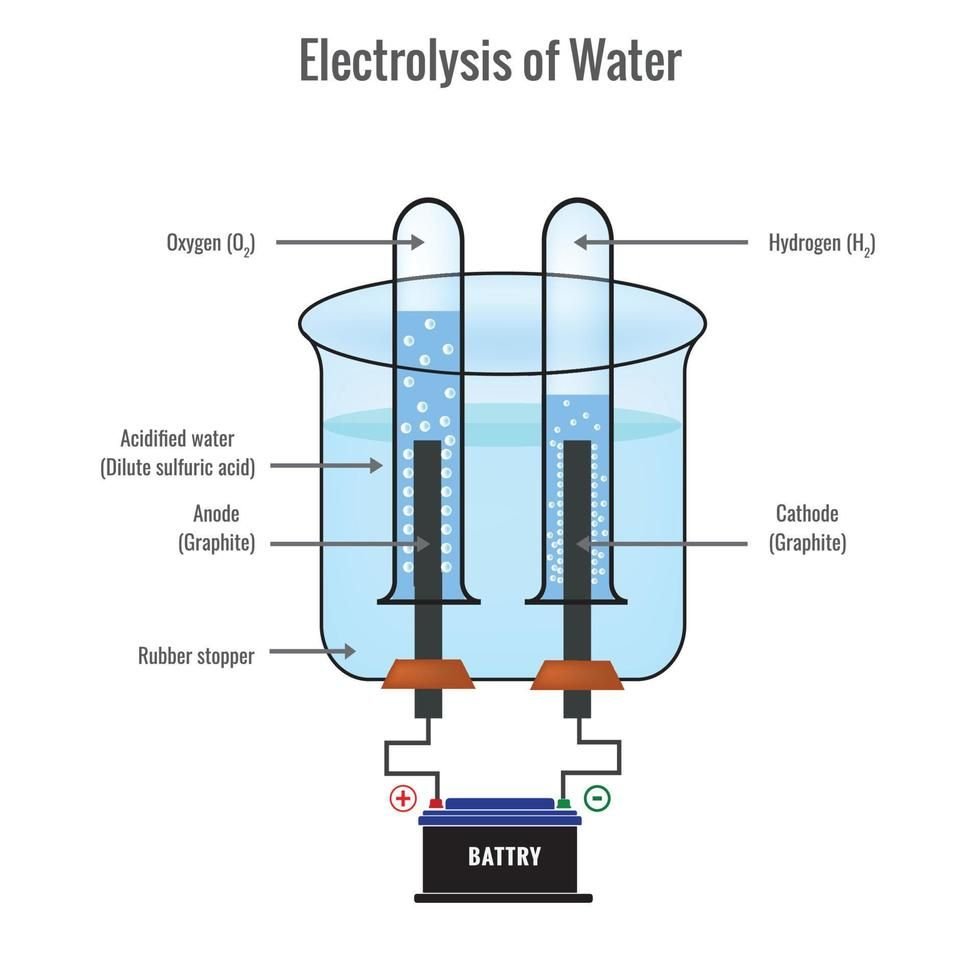
Electroplating is a traditional surface treatment process that uses electrical current to deposit a metal layer onto a component surface.
During electroplating, metal ions from a solution are deposited onto the substrate material.
Common electroplating materials include:
- Nickel
- Chromium
- Copper
- Gold
- Silver
Electroplating is commonly used for:
- Corrosion protection
- Decorative finishes
- Electrical conductivity improvement
- Large-area metal coating applications
PVD vs Electroplating: Main Differences
| Feature | PVD Coating | Electroplating |
|---|---|---|
| Coating method | Vacuum deposition | Electrochemical deposition |
| Process environment | Vacuum chamber | Liquid chemical solution |
| Coating thickness | Thin and precise | Usually thicker |
| Surface hardness | High | Depends on plated material |
| Environmental impact | Lower chemical waste | Requires plating solutions |
| Appearance | Premium decorative finishes | Wide range of metal finishes |
| Temperature impact | Requires controlled heating | Generally lower temperature |
| Common applications | Precision parts, tools, electronics | Decorative and protective metal plating |
PVD vs Electroplating: Process Difference
PVD Process
PVD uses a physical vapor deposition method.
The process generally includes:
- Component cleaning and preparation
- Vacuum chamber loading
- Material vaporization
- Thin-film deposition
- Quality inspection
Advantages:
- Precise coating control
- Strong surface performance
- Clean process environment
- Suitable for advanced components
Electroplating Process
Electroplating uses an electrolyte solution and electrical current.
The process generally includes:
- Surface preparation
- Chemical cleaning
- Immersion in plating solution
- Metal deposition
- Post-treatment
Advantages:
- Suitable for large production volumes
- Wide material selection
- Effective metal finishing
PVD vs Electroplating: Performance Comparison
Surface Hardness
PVD coatings generally provide higher hardness compared with many traditional plated finishes.
This makes PVD suitable for:
- Cutting tools
- Precision components
- Wear-resistant applications
Wear Resistance
PVD coatings are widely selected when components experience:
- Friction
- Mechanical contact
- Repeated operation
They can significantly improve surface durability.
Electroplating can also provide protection, but performance depends strongly on the plated material and thickness.
Appearance and Decorative Applications
Both technologies can create attractive finishes.
PVD is often preferred for premium products because it can provide:
- Metallic colors
- Consistent appearance
- High-end finishes
- Long-lasting surface quality
Applications include:
- Consumer electronics
- Decorative hardware
- Luxury components
PVD vs Electroplating Applications
PVD Applications
Common applications include:
Consumer Electronics
- Electronic housings
- Decorative metal parts
- Precision components
- Smart device parts
Industrial Components
- Wear-resistant parts
- Precision tools
- Mechanical components
Optical and Functional Components
- Surface enhancement applications
- Thin-film functional layers
Electroplating Applications
Common applications include:
- Automotive components
- Decorative hardware
- Electrical connectors
- General metal protection
Electroplating remains an important technology for many industries where metal deposition and corrosion protection are required.
Advantages of PVD Compared with Electroplating
Better Wear Performance
PVD coatings provide excellent resistance against abrasion and mechanical wear.
Cleaner Processing Technology
PVD does not rely on large chemical plating baths, making it a more environmentally friendly coating approach.
Precision Surface Control
PVD allows accurate control of:
- Coating thickness
- Layer structure
- Surface properties
This makes it suitable for precision components.
Premium Appearance
PVD provides stable decorative finishes for products where appearance is important.
When Should You Choose Electroplating Instead of PVD?
Electroplating may be more suitable when:
- A thicker metal layer is required
- Large surface areas need coating
- Electrical conductivity is a priority
- Traditional metal finishes are required
The best technology depends on the specific application requirements.
PVD Coating Processing for Customer-Supplied Components
At SRNC, we specialize in advanced surface coating processing for customer-supplied components.
We do not manufacture finished electronic products, metal parts, or components.
Instead, customers provide their own parts, and SRNC applies customized PVD coating solutions designed to improve:
- Surface durability
- Wear resistance
- Appearance
- Functional performance
Our coating processing services support applications including:
- Consumer electronics components
- Precision metal parts
- Industrial components
- Decorative surfaces
- Functional coating projects
By focusing on coating technology, SRNC helps customers achieve consistent surface performance while maintaining the original design requirements of their components.
Future Trends in PVD and Electroplating Technology
Both PVD and electroplating technologies continue to develop as industries demand higher performance and improved sustainability.
Future trends include:
- More environmentally friendly processes
- Advanced functional coatings
- Better surface performance
- Customized coating solutions
- Multifunctional thin-film technologies
The choice between PVD and electroplating will continue to depend on application requirements and product expectations.
Conclusion
PVD vs electroplating is not simply a comparison of which technology is better. Each process has its own advantages and suitable applications.
PVD coating provides excellent hardness, wear resistance, precision control, and premium appearance, making it suitable for advanced industrial, electronic, and decorative applications.
Electroplating remains a valuable technology for metal deposition, corrosion protection, and large-scale applications.
For manufacturers seeking professional surface treatment, selecting the correct coating technology depends on material requirements, performance expectations, and final application conditions.
SRNC provides customized PVD coating processing services for customer-supplied components, helping manufacturers improve surface performance and product quality.