

PVD Coating Technology Explained: Process, Types, and Industrial Applications
Modern manufacturing industries are constantly looking for ways to improve product performance, durability, and surface quality. Components used in demanding environments often require better resistance against wear, friction, corrosion, or environmental impact.
PVD coating is one of the most widely used surface treatment technologies developed to improve these properties. By creating a thin protective layer on the surface of a component, PVD coatings can enhance performance without changing the original structure or dimensions of the product.
Today, PVD coating technology is widely used in cutting tools, molds, optical components, automotive parts, electronics, and precision manufacturing industries.
For advanced coating applications, SRNC Vacuum Coating Solutions provides information about thin film technologies and surface treatment solutions for different industrial requirements.
What Is PVD Coating?
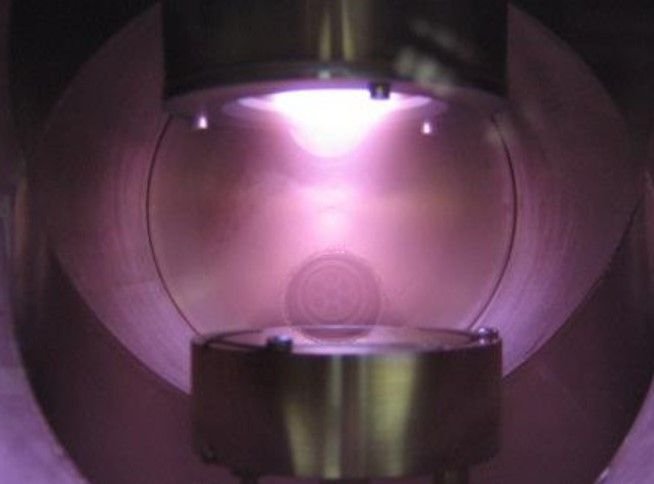
PVD coating, also known as Physical Vapor Deposition coating, is a vacuum-based coating process that deposits a thin layer of material onto a substrate surface.
During the process, solid coating materials are transformed into vapor or ionized particles in a vacuum environment. These particles then travel through the chamber and form a thin film layer on the target component.
Unlike traditional surface treatments that may involve chemical solutions or thicker coating layers, PVD coating creates a precise and durable film while maintaining the original size and shape of the component.
Common coating materials used in PVD processes include:
- Titanium nitride (TiN)
- Titanium carbon nitride (TiCN)
- Chromium nitride (CrN)
- Aluminum titanium nitride (AlTiN)
- Diamond-like carbon (DLC)
Different materials provide different performance characteristics depending on the application.
How Does the PVD Coating Process Work?
The PVD coating process usually involves several key steps.
1. Surface Cleaning and Preparation
Before coating, the substrate surface needs to be carefully cleaned.
Contaminants such as oil, dust, or oxidation can affect coating adhesion and final performance. Proper surface preparation helps ensure that the deposited film bonds effectively with the substrate.
The preparation method depends on the material being coated, including:
- Metals
- Glass
- Ceramics
- Precision components
- Industrial tools
2. Creating a Vacuum Environment
After preparation, components are placed inside a PVD coating chamber.
The chamber is evacuated to create a controlled vacuum environment. This reduces contamination and allows coating particles to move efficiently toward the substrate.
Vacuum conditions are important because they influence:
- Film quality
- Coating uniformity
- Adhesion strength
- Deposition efficiency
3. Vaporizing the Coating Material
During the deposition stage, the coating source material is converted into vapor or plasma.
Common PVD methods include:
Vacuum Evaporation
The coating material is heated until it evaporates. The vapor then condenses on the substrate surface, creating a thin film.
Magnetron Sputtering
In sputtering processes, energetic ions strike a target material and release atoms from the surface. These atoms are deposited onto the component to form a coating layer.
Cathodic Arc Deposition
This method uses an electric arc to generate highly ionized coating material, allowing dense and durable coatings to be produced.
4. Coating Formation and Inspection
As coating particles accumulate on the substrate, they form a thin protective layer.
During this stage, process parameters such as:
- Temperature
- Pressure
- Deposition speed
- Gas composition
must be carefully controlled.
After coating, components are inspected for:
- Film thickness
- Adhesion
- Surface quality
- Performance characteristics
Types of PVD Coating
Different PVD coating materials are selected according to specific application requirements.
TiN Coating
Titanium nitride (TiN) is one of the most recognized PVD coatings.
It provides:
- Good hardness
- Wear resistance
- Decorative gold appearance
It is commonly used for tools, molds, and decorative applications.
TiCN Coating
Titanium carbon nitride (TiCN) offers higher hardness compared with traditional TiN coatings.
It is often used for cutting tools that require improved wear resistance and longer service life.
CrN Coating
Chromium nitride (CrN) provides good corrosion resistance and stable performance.
It is suitable for:
- Mechanical components
- Automotive parts
- Decorative applications
DLC Coating
Diamond-like carbon coatings provide low friction and excellent wear resistance.
They are used in applications where reducing friction and improving durability are important.
Applications of PVD Coating
Cutting Tools and Industrial Equipment
One of the largest applications of PVD coating is the tooling industry.
Cutting tools operate under high temperatures, pressure, and friction. PVD coatings help improve:
- Tool life
- Wear resistance
- Cutting performance
Applications include:
- Drills
- Milling cutters
- Dies
- Molds
Optical Components
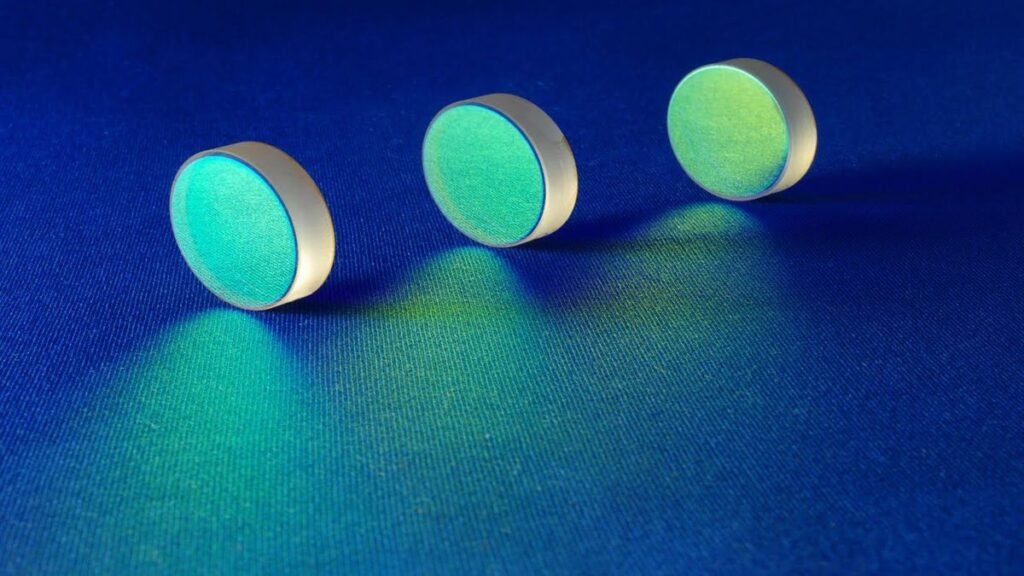
PVD coating technology is also used in optical applications.
Optical components often require precise thin film layers to control light reflection, transmission, and protection.
Applications include:
- Camera lenses
- Optical windows
- Sensors
- Imaging components
For optical and thin film coating applications, SRNC Optical Coating Technology provides information related to advanced coating solutions.
Consumer Electronics
Many electronic products use PVD coatings to improve appearance and durability.
Examples include:
- Smartphone components
- Camera modules
- Decorative metal parts
- Electronic housings
PVD allows manufacturers to achieve different surface colors and protective functions while maintaining a premium appearance.
Advantages of PVD Coating
High Durability
PVD coatings create hard and wear-resistant surfaces that can extend component service life.
Thin and Precise Film Layers
The coating thickness is usually very controlled, making PVD suitable for precision components.
Environmentally Friendly Process
Compared with some traditional plating methods, PVD reduces the use of chemical solutions during the coating process.
Wide Application Range
PVD technology can be applied to many materials and industries, from industrial tools to optical components.
PVD Coating vs Traditional Coating Methods
Compared with conventional coating technologies, PVD coating offers advantages in precision, durability, and material flexibility.
Traditional methods may create thicker layers or require chemical processing, while PVD focuses on forming controlled thin films under vacuum conditions.
This makes PVD particularly suitable for industries where surface performance and dimensional accuracy are important.
Future Development of PVD Coating Technology
As manufacturing industries move toward higher precision and longer product lifetimes, the demand for advanced coating technologies continues to increase.
Future PVD developments will focus on:
- More advanced coating materials
- Improved deposition efficiency
- Better surface performance
- Wider application fields
Industries such as electronics, optics, medical devices, and precision manufacturing are expected to continue adopting PVD coating technologies.
Conclusion
PVD coating is an advanced surface treatment technology that improves component performance through precise thin film deposition.
By enhancing hardness, wear resistance, corrosion resistance, and surface functionality, PVD coatings have become an important technology in modern manufacturing.
From industrial tools and automotive components to optical products and consumer electronics, PVD coating provides reliable solutions for improving surface performance.