

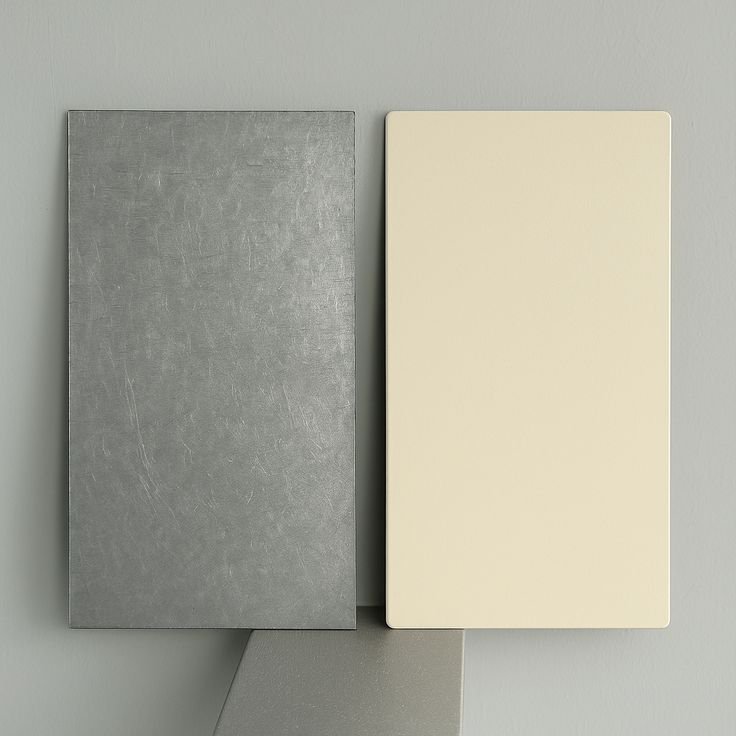
How to Choose a Reliable PVD Coating Supplier for Your Business
In today’s competitive manufacturing environment, choosing the right PVD coating supplier is essential for achieving superior product quality, durability, and performance. Physical Vapor Deposition (PVD) has become one of the most widely used coating technologies across industries because it delivers precise, environmentally friendly, and highly durable surface treatments.
From smartphone cameras and electronic components to decorative panels and automotive parts, PVD coatings provide solutions that enhance both functionality and appearance. This guide explains what a PVD coating supplier does, the technologies involved, key applications, and how businesses can select the right partner for long-term success.
What Is a PVD Coating Supplier?
A PVD coating supplier provides coating services using Physical Vapor Deposition technology. During the process, coating materials are vaporized inside a vacuum chamber and deposited onto a substrate, creating an extremely thin yet highly durable protective layer.
These coatings are used to improve:
- Surface hardness
- Wear resistance
- Corrosion protection
- Decorative appearance
- Optical performance
- Electrical functionality
Unlike traditional finishing methods, PVD coatings offer greater precision and environmental advantages.
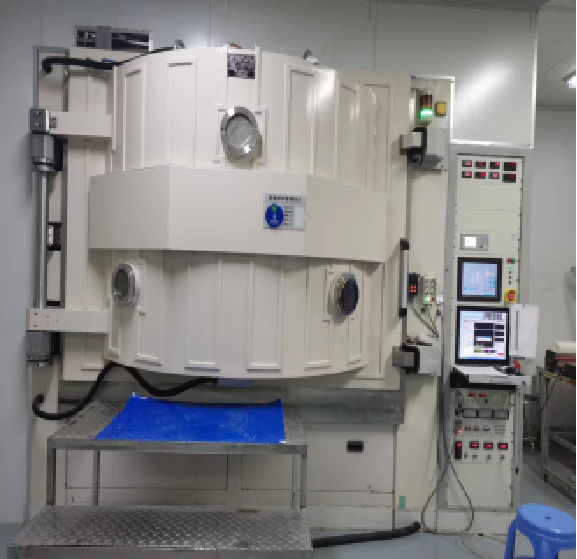
Understanding PVD Coating Technology
The Science Behind Physical Vapor Deposition
PVD technology works by converting coating materials into vapor within a vacuum environment. The vapor then condenses onto the target surface, forming a uniform thin-film coating.
The vacuum environment provides several benefits:
- Reduced contamination
- Improved adhesion
- Better coating consistency
- Precise thickness control
These characteristics make PVD one of the most advanced surface engineering technologies available.
Major PVD Coating Methods
Magnetron Sputtering
A highly controlled process used for optical coatings, electronic components, and precision applications.
Arc Evaporation
Produces dense and durable coatings suitable for demanding industrial environments.
Thermal Evaporation
Commonly used for decorative coatings and reflective surfaces.
Each process offers unique advantages depending on the application requirements.
Why Businesses Need a Reliable PVD Coating Supplier
A trusted supplier provides more than coating services. They contribute to product performance, manufacturing consistency, and long-term competitiveness.
Improved Product Quality
PVD coatings help products resist:
- Wear
- Scratches
- Corrosion
- Environmental damage
Enhanced Product Appearance
Manufacturers can achieve:
- Metallic finishes
- Decorative colors
- High-gloss surfaces
- Premium aesthetics
Consistent Production Standards
Professional suppliers maintain strict process controls to ensure repeatable quality across production batches.
Industries That Depend on PVD Coating Suppliers
Electronics Manufacturing
The electronics industry is a major consumer of PVD coating technology.
Applications include:
- Smartphones
- Tablets
- Wearables
- Connectors
- Sensors
Modern smartphone imaging systems often require specialized Functional Coating for Cell Phone Camera solutions that enhance lens durability, reduce reflection, and improve image quality.
As mobile devices become increasingly sophisticated, precision coatings play a vital role in performance optimization.
Optical and Imaging Applications
PVD coatings are widely used in optical industries.
Common applications include:
- Camera lenses
- Optical filters
- Medical imaging equipment
- Laser systems
Benefits include:
- Improved light transmission
- Reflection control
- Surface protection
- Optical clarity
These properties are essential for high-performance imaging systems.
Automotive Components
Automotive manufacturers use PVD coatings for:
- Interior trim
- Decorative accents
- Lighting systems
- Sensors
The coatings improve durability while maintaining a premium appearance.
Consumer Products
Many consumer products utilize PVD-coated surfaces.
Examples include:
- Home appliances
- Personal electronics
- Luxury accessories
- Cosmetic packaging
The combination of aesthetics and durability makes PVD an attractive solution for consumer-facing products.
Decorative PVD Coating Solutions
Decorative coatings focus on enhancing appearance while maintaining long-term durability.
Advantages include:
- Metallic effects
- Color consistency
- Scratch resistance
- Corrosion protection
Manufacturers frequently use Electrical Decorative Panel Coating solutions to create visually appealing surfaces for electronics, appliances, and industrial control panels.
These coatings help products stand out while maintaining excellent performance.
Functional PVD Coating Solutions
Functional coatings are engineered to improve product performance.
Examples include:
Anti-Reflective Coatings
Reduce glare and improve optical clarity.
Conductive Coatings
Support electrical performance in electronic devices.
Wear-Resistant Coatings
Extend product lifespan by reducing mechanical wear.
Anti-Fingerprint Coatings
Improve user experience on consumer electronics and touch-sensitive devices.
Functional coatings are becoming increasingly important as products become more sophisticated.
Benefits of Working with an Experienced Supplier
Technical Expertise
Experienced suppliers understand material behavior, coating chemistry, and process optimization.
Customization Capabilities
Coatings can be tailored for:
- Specific substrates
- Environmental conditions
- Performance requirements
Scalable Production
Professional suppliers can support:
- Prototype development
- Small-batch production
- High-volume manufacturing
This flexibility is critical for growing businesses.
Quality Standards in PVD Coating Production
Reliable suppliers implement comprehensive quality control measures.
Material Inspection
Raw materials must meet strict quality specifications.
Process Monitoring
Manufacturers continuously monitor:
- Chamber pressure
- Temperature
- Deposition rates
- Coating thickness
Performance Testing
Testing may include:
- Adhesion evaluation
- Wear resistance testing
- Corrosion testing
- Optical performance analysis
These procedures help ensure consistent results.
How to Evaluate a PVD Coating Supplier
When selecting a supplier, businesses should assess:
Industry Experience
Look for proven expertise in your target market.
Technology Capabilities
Evaluate:
- Equipment quality
- Process flexibility
- Engineering support
Quality Management Systems
Reliable suppliers maintain strict production standards and documented quality procedures.
Comprehensive Service Portfolio
Working with a supplier that offers multiple coating technologies can support future product development. Companies seeking broader coating capabilities can explore additional Vacuum Coating Solutions for electronics, decorative applications, and industrial manufacturing.
Emerging Trends in PVD Coating
The PVD industry continues to evolve through innovation.
Nano-Coatings
Nano-scale coatings provide advanced functionality while minimizing material consumption.
Smart Surfaces
Future coatings may offer:
- Self-cleaning properties
- Anti-microbial protection
- Fingerprint resistance
Sustainable Manufacturing
Manufacturers increasingly prioritize environmentally responsible production methods.
Advanced Electronics and Optics
Growing demand for sensors, AR/VR devices, and high-performance cameras continues to drive coating innovation.
Frequently Asked Questions
What does a PVD coating supplier do?
A PVD coating supplier provides thin-film coating solutions using Physical Vapor Deposition technology to improve durability, appearance, and performance.
What industries use PVD coatings?
Electronics, automotive, optics, aerospace, medical devices, and consumer products industries all use PVD coatings.
Why choose PVD coating over traditional finishing methods?
PVD coatings offer better durability, stronger adhesion, improved aesthetics, and lower environmental impact.
Can PVD coatings be customized?
Yes. Coatings can be tailored to specific materials, industries, and performance requirements.
Are PVD coatings environmentally friendly?
Generally, yes. PVD processes often generate less waste and use fewer hazardous chemicals than conventional methods.
Can PVD coatings improve optical performance?
Yes. Many optical devices use PVD coatings to enhance light transmission and reduce reflection.
How durable are PVD coatings?
PVD coatings are highly durable and provide excellent resistance to wear, scratches, and corrosion.
How do I choose the right PVD coating supplier?
Consider industry experience, technical capabilities, quality standards, and production scalability.
Conclusion
A reliable PVD coating supplier plays a critical role in helping manufacturers improve product quality, durability, and appearance. Through advanced vacuum deposition technologies, suppliers provide decorative and functional coatings that support innovation across electronics, optics, automotive, and consumer product industries.
As demand for high-performance surfaces continues to grow, businesses that partner with experienced suppliers gain access to advanced coating solutions that enhance competitiveness and support long-term success in global markets.