

PVD Coating for Stainless Steel: The Ultimate Solution for Durable and Decorative Surfaces
Stainless steel has long been valued for its strength, corrosion resistance, and clean appearance. It is widely used in industries ranging from consumer electronics and home appliances to architecture, automotive manufacturing, and industrial equipment. However, as product designs become more sophisticated and performance requirements increase, manufacturers often seek ways to further enhance the properties of stainless steel. This is where PVD coating for stainless steel has become a preferred solution.
Physical Vapor Deposition (PVD) is an advanced vacuum coating technology that deposits ultra-thin films onto stainless steel surfaces. These coatings improve hardness, wear resistance, corrosion protection, and visual appeal while maintaining the material’s dimensional accuracy. The result is a surface that not only performs better but also offers premium decorative finishes that meet modern design expectations.
As industries continue to prioritize durability and aesthetics, PVD-coated stainless steel has become a key material in high-value manufacturing applications worldwide.
What Is PVD Coating for Stainless Steel?
PVD coating for stainless steel is a vacuum-based process that applies a thin protective and decorative layer onto stainless steel components.
During the process:
- Stainless steel parts are thoroughly cleaned.
- Components are placed inside a vacuum chamber.
- Coating materials are vaporized.
- The vapor deposits onto the stainless steel surface.
- A highly durable thin film is formed.
The resulting coating becomes strongly bonded to the substrate and provides long-lasting performance.
Common coating materials include:
- Titanium nitride (TiN)
- Chromium nitride (CrN)
- Zirconium nitride (ZrN)
- Titanium carbon nitride (TiCN)
- Various metal oxide compounds
These materials can be selected to achieve specific functional or decorative properties.
Why Stainless Steel Benefits from PVD Coating
Enhanced Surface Hardness
Although stainless steel is already durable, many applications require additional protection against wear and abrasion.
PVD coatings help improve:
- Scratch resistance
- Surface hardness
- Abrasion resistance
- Long-term durability
This is particularly valuable for products exposed to frequent handling.
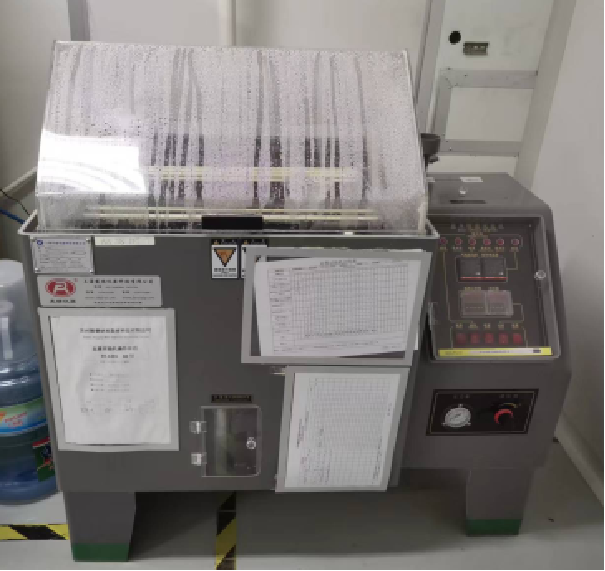
Improved Corrosion Resistance
Stainless steel naturally resists corrosion, but harsh environments can still cause degradation over time.
PVD coatings provide an additional protective barrier against:
- Moisture
- Salt exposure
- Cleaning chemicals
- Industrial contaminants
This helps extend service life in demanding conditions.
Premium Decorative Appearance
One of the biggest advantages of PVD technology is its ability to create attractive metallic finishes.
Manufacturers can achieve:
- Gold finishes
- Black surfaces
- Bronze tones
- Copper effects
- Custom colors
These finishes maintain their appearance much longer than many traditional coatings.
How the PVD Coating Process Works
Surface Preparation
Proper surface preparation is critical.
Components undergo:
- Cleaning
- Degreasing
- Polishing
- Surface activation
This ensures strong coating adhesion.
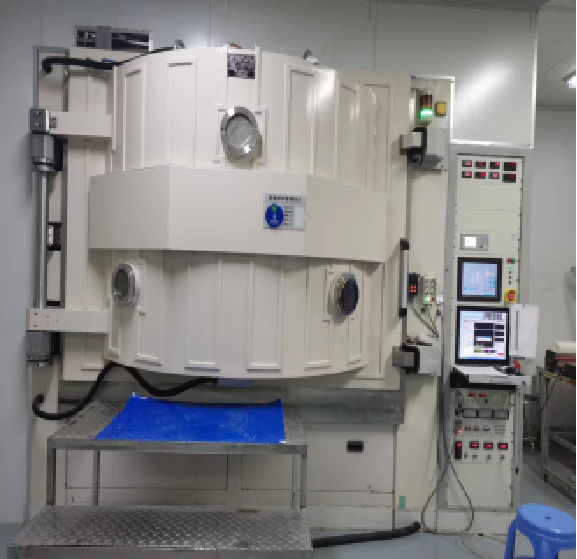
Vacuum Deposition Technology
The coating process takes place inside a vacuum chamber where contaminants are removed and deposition conditions are precisely controlled.
Popular deposition methods include:
- Magnetron sputtering
- Arc evaporation
- Electron beam evaporation
Thin Film Formation
The vaporized coating material condenses onto the stainless steel surface and forms a highly uniform thin film.
The coating thickness is carefully controlled to achieve optimal performance.
Popular PVD Coating Colors for Stainless Steel
Gold PVD Finish
Gold-colored PVD coatings offer a luxurious appearance and are widely used in premium products.
Applications include:
- Decorative hardware
- Consumer electronics
- Luxury appliances
Black PVD Coating
Black finishes are popular for modern and minimalist product designs.
Benefits include:
- Premium appearance
- Excellent durability
- Strong scratch resistance
Bronze and Copper Tones
These finishes create distinctive visual effects while maintaining the durability advantages of PVD technology.
Silver and Custom Finishes
Manufacturers can customize coatings to align with branding and product design goals.
Key Advantages of PVD Coating for Stainless Steel
Exceptional Wear Resistance
PVD-coated stainless steel withstands frequent use with minimal surface degradation.
Long-Term Color Stability
Unlike painted surfaces, PVD coatings resist:
- Fading
- Peeling
- Discoloration
Strong Adhesion
The coating forms a molecular bond with the substrate, improving durability.
Environmentally Friendly Process
PVD technology typically produces less waste and uses fewer hazardous chemicals than many traditional finishing methods.
Applications of PVD-Coated Stainless Steel
Consumer Electronics
Modern electronic devices frequently use stainless steel components for:
- Smartphone frames
- Smartwatch housings
- Decorative trims
- Buttons
Advanced consumer electronics often combine decorative PVD finishes with specialized Functional Coating for Cell Phone Camera technologies to improve optical performance, reduce reflections, and enhance camera durability.
This combination of functional and decorative coatings helps create premium electronic products.
Home Appliances
Stainless steel remains one of the most popular materials for modern appliances.
Manufacturers often utilize Electrical Decorative Panel Coating solutions to enhance appliance control panels, decorative trims, and stainless steel interfaces with durable metallic finishes.
These coatings improve appearance while protecting surfaces from everyday wear.
Architectural Hardware
Applications include:
- Door handles
- Railings
- Fixtures
- Decorative panels
PVD coatings help maintain appearance in high-traffic environments.
Automotive Components
Automotive manufacturers use PVD-coated stainless steel for:
- Interior trim
- Decorative accents
- Functional metal parts
These coatings combine durability with premium styling.
Industrial Equipment
Industrial machinery benefits from coatings that improve wear resistance and corrosion protection.
PVD Coating vs Traditional Stainless Steel Finishes
| Feature | PVD Coating | Traditional Finishes |
|---|---|---|
| Scratch Resistance | Excellent | Moderate |
| Corrosion Protection | Superior | Good |
| Color Stability | Outstanding | Variable |
| Decorative Options | Extensive | Limited |
| Environmental Impact | Lower | Higher |
| Long-Term Durability | Excellent | Moderate |
These advantages explain why PVD technology continues to gain popularity across industries.
Factors Affecting PVD Coating Quality
Substrate Quality
High-quality stainless steel provides a better foundation for coating performance.
Surface Preparation
Proper cleaning and polishing improve adhesion.
Coating Material Selection
Different materials provide different combinations of:
- Hardness
- Appearance
- Corrosion resistance
Process Control
Critical variables include:
- Chamber pressure
- Deposition rate
- Temperature
- Film thickness
Consistent control ensures reliable results.
How to Choose a PVD Coating Supplier
Technical Expertise
Look for experience in:
- Stainless steel coating
- Vacuum deposition
- Surface engineering
Manufacturing Capacity
Evaluate:
- Scalability
- Production flexibility
- Lead times
Quality Assurance Systems
Comprehensive testing helps ensure coating consistency.
Full-Service Surface Engineering
Manufacturers often benefit from working with suppliers that offer both decorative and functional coating technologies. Businesses seeking advanced coating capabilities can explore Vacuum Coating Solutions for stainless steel components, electronics, appliance panels, optical systems, and industrial products.
Future Trends in Stainless Steel Surface Engineering
Nano-Structured Coatings
Advanced nano-scale coatings offer enhanced performance while minimizing material usage.
Anti-Fingerprint Surfaces
Demand is increasing for coatings that keep stainless steel looking clean and attractive.
Smart Functional Surfaces
Emerging technologies include:
- Antimicrobial coatings
- Self-cleaning surfaces
- Enhanced corrosion barriers
Sustainable Manufacturing
PVD technology will continue gaining popularity as industries seek environmentally responsible production methods.
Frequently Asked Questions
What is PVD coating for stainless steel?
PVD coating is a vacuum deposition process that applies a durable thin film to stainless steel surfaces for improved performance and appearance.
Can PVD-coated stainless steel rust?
The coating significantly improves corrosion resistance, although performance depends on the environment and coating quality.
What colors are available for PVD-coated stainless steel?
Popular options include gold, black, bronze, copper, silver, and custom finishes.
Is PVD coating durable?
Yes. PVD coatings offer excellent scratch resistance, wear protection, and long-term color stability.
Where is PVD-coated stainless steel used?
Applications include consumer electronics, appliances, architecture, automotive components, and industrial equipment.
Is PVD coating environmentally friendly?
Compared with many traditional finishing methods, PVD technology generally has a lower environmental impact.
Can PVD coatings be customized?
Yes. Manufacturers can tailor coating colors, finishes, and performance characteristics.
How do I choose a coating supplier?
Evaluate technical expertise, production capabilities, quality systems, and industry experience.
Conclusion
PVD coating for stainless steel offers a powerful combination of durability, corrosion resistance, premium aesthetics, and environmental responsibility. By enhancing the natural strengths of stainless steel while adding decorative and functional benefits, PVD technology has become a preferred solution for manufacturers across a wide range of industries.
As demand for high-performance and visually appealing products continues to grow, PVD-coated stainless steel will remain an essential material for creating durable, attractive, and innovative products in the global marketplace.