

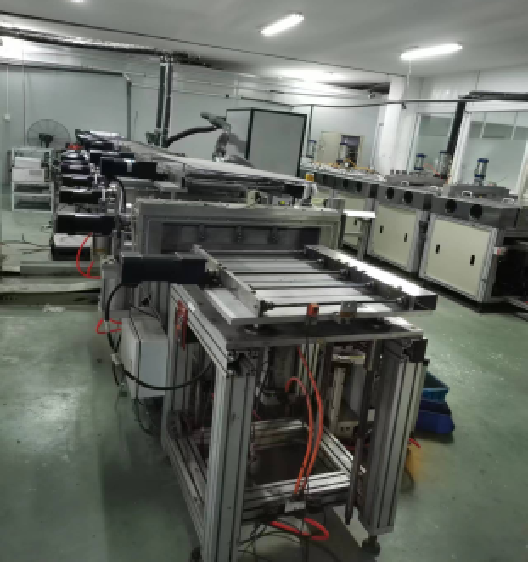
PVD Coating for Metal Parts: Why Manufacturers Choose Advanced Surface Engineering
Metal components are at the heart of countless products used every day. From smartphones and home appliances to automotive systems and industrial machinery, metal parts must withstand wear, corrosion, environmental exposure, and constant handling. As manufacturers strive to improve product quality and extend service life, PVD coating for metal parts has become one of the most effective surface engineering solutions available.
Physical Vapor Deposition (PVD) is a vacuum-based coating process that creates thin, highly durable films on metal surfaces. These coatings improve hardness, corrosion resistance, appearance, and functionality while maintaining the dimensional accuracy of the component. Unlike traditional finishing methods, PVD technology delivers exceptional performance with minimal environmental impact.
Today, PVD-coated metal parts can be found across a wide range of industries where durability, precision, and aesthetics are critical to product success.
Understanding PVD Coating for Metal Parts
PVD coating for metal parts involves depositing a thin layer of material onto a metal substrate inside a vacuum chamber.
The coating material is converted into vapor and then bonded to the target surface at the molecular level. This process creates a highly uniform film that provides both protective and decorative benefits.
Common coating materials include:
- Titanium nitride (TiN)
- Chromium nitride (CrN)
- Zirconium nitride (ZrN)
- Titanium aluminum nitride (TiAlN)
- Various metal oxides
Depending on the application, coatings can be optimized for:
- Wear resistance
- Corrosion protection
- Decorative appearance
- Electrical properties
- Optical performance
How PVD Coating Technology Works
Vacuum Chamber Preparation
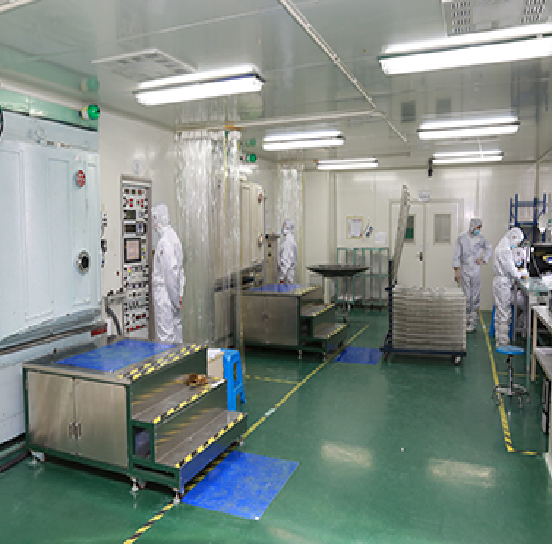
The coating process starts by placing metal components inside a vacuum chamber.
The vacuum environment:
- Removes contaminants
- Improves coating purity
- Enhances adhesion
This controlled setting is essential for achieving high-quality thin films.
Material Vaporization
Coating materials are vaporized using technologies such as:
- Magnetron sputtering
- Arc evaporation
- Electron beam evaporation
The vaporized particles travel through the vacuum chamber toward the metal substrate.
Thin Film Deposition
The vapor condenses onto the metal surface and forms a thin protective layer.
The resulting coating is:
- Dense
- Uniform
- Durable
- Strongly bonded
This enables long-lasting performance even in demanding environments.
Why Metal Parts Need Surface Coatings
Wear and Abrasion Challenges
Metal components frequently experience friction and mechanical contact.
Without protection, surfaces may suffer:
- Scratching
- Abrasion
- Surface degradation
PVD coatings significantly improve wear resistance.
Corrosion Risks
Moisture, chemicals, and environmental exposure can cause metal corrosion.
Protective coatings help prevent:
- Rust formation
- Oxidation
- Surface deterioration
Aesthetic Requirements
Many industries require metal parts that not only perform well but also look attractive.
PVD coatings can provide:
- Metallic finishes
- Color consistency
- Premium appearance
Key Benefits of PVD Coating for Metal Parts
Enhanced Hardness
PVD coatings create harder surfaces that resist:
- Scratches
- Wear
- Mechanical damage
This extends component lifespan.
Superior Corrosion Resistance
The coating acts as a barrier against:
- Moisture
- Salt exposure
- Industrial chemicals
This protection is valuable in both indoor and outdoor applications.
Decorative Finishes
PVD technology can create premium finishes including:
- Gold
- Black
- Silver
- Bronze
- Rose gold
For manufacturers producing control interfaces, appliance panels, and decorative metal assemblies, specialized Electrical Decorative Panel Coating solutions provide an ideal combination of visual appeal and long-term durability.
Environmental Advantages
Compared with many traditional finishing methods, PVD processes:
- Use fewer hazardous chemicals
- Produce less waste
- Support sustainable manufacturing goals
Common Metals Used in PVD Coating Applications
Stainless Steel
Stainless steel is one of the most common substrates due to its strength and versatility.
Applications include:
- Consumer products
- Appliances
- Architectural hardware
Aluminum
Lightweight aluminum components benefit from enhanced surface hardness and decorative finishes.
Brass and Copper Alloys
PVD coatings improve appearance while reducing oxidation and tarnishing.
Zinc Alloys
Often used in decorative and consumer product applications where premium finishes are required.
Industrial Applications of PVD Coating for Metal Parts
Consumer Electronics
Electronic devices rely heavily on coated metal components.
Applications include:
- Smartphone frames
- Buttons
- Camera rings
- Wearable devices
Many advanced electronic products also utilize Functional Coating for Cell Phone Camera technologies to improve optical performance, reduce reflections, and protect sensitive imaging components.
This combination of decorative and functional coatings helps manufacturers deliver premium products.
Home Appliances
PVD-coated metal parts are commonly used in:
- Refrigerators
- Ovens
- Washing machines
- Small kitchen appliances
These coatings improve both appearance and durability.
Automotive Components
Automotive manufacturers apply PVD coatings to:
- Interior trim
- Decorative accents
- Sensors
- Exterior metal parts
The coatings help components maintain their appearance despite challenging conditions.
Industrial Equipment
Industrial machinery benefits from coatings that improve:
- Wear resistance
- Corrosion protection
- Service life
This reduces maintenance requirements and operational costs.
Decorative vs Functional PVD Coatings
Decorative Coatings
Focused on:
- Appearance
- Color consistency
- Surface aesthetics
Functional Coatings
Designed to improve:
- Hardness
- Conductivity
- Optical performance
- Chemical resistance
Many applications combine both decorative and functional properties.
Factors Affecting PVD Coating Performance
Several variables influence coating quality.
Substrate Preparation
Proper cleaning and preparation are essential for strong adhesion.
Coating Material Selection
Material choice determines:
- Hardness
- Appearance
- Corrosion resistance
- Performance characteristics
Process Control
Critical parameters include:
- Vacuum quality
- Temperature
- Deposition rate
- Film thickness
Careful process management ensures consistent results.
Selecting the Right PVD Coating Partner
Choosing the right coating supplier can significantly impact product quality.
Technical Expertise
Look for experience in:
- Vacuum coating technologies
- Thin-film engineering
- Metal surface treatment
Production Capabilities
A reliable supplier should support:
- Prototyping
- Small-batch production
- Large-scale manufacturing
Quality Assurance Systems
Comprehensive testing helps ensure long-term coating performance.
Comprehensive Coating Solutions
Manufacturers often achieve the best results by working with providers that offer multiple coating technologies and application expertise. Businesses seeking advanced surface engineering services can explore Vacuum Coating Solutions for metal parts, electronics, optical systems, decorative products, and industrial applications.
Future Trends in Metal Surface Engineering
Nano-Structured Coatings
Nano-engineered films provide enhanced performance while reducing material consumption.
Smart Functional Surfaces
Emerging innovations include:
- Anti-fingerprint coatings
- Self-cleaning surfaces
- Antimicrobial treatments
Sustainable Manufacturing
Environmental regulations continue encouraging the adoption of vacuum-based coating technologies.
High-Performance Industrial Applications
Growing demand from advanced manufacturing sectors is driving ongoing innovation in PVD coating systems.
Frequently Asked Questions
What is PVD coating for metal parts?
PVD coating is a vacuum deposition process that applies durable thin films to metal surfaces for protection and enhanced performance.
What metals can be PVD coated?
Stainless steel, aluminum, brass, copper alloys, zinc alloys, and many other metals can be coated.
Why is PVD coating used on metal components?
It improves wear resistance, corrosion protection, appearance, and overall product lifespan.
Is PVD coating durable?
Yes. High-quality PVD coatings offer excellent hardness, scratch resistance, and long-term performance.
Can PVD coatings provide decorative finishes?
Absolutely. PVD technology can create gold, black, silver, bronze, and custom metallic finishes.
Is PVD coating environmentally friendly?
Compared with many traditional finishing methods, PVD processes generally have a lower environmental impact.
What industries use PVD-coated metal parts?
Consumer electronics, appliances, automotive manufacturing, industrial equipment, and architectural products commonly use PVD-coated components.
How do I choose a PVD coating supplier?
Evaluate technical expertise, manufacturing capabilities, quality systems, and application experience.
Conclusion
PVD coating for metal parts has become a cornerstone technology in modern manufacturing, providing an ideal balance of durability, corrosion resistance, functional performance, and premium aesthetics. Whether used in consumer electronics, appliances, automotive systems, or industrial equipment, PVD coatings help manufacturers create higher-value products that perform reliably in demanding environments.
As global industries continue to prioritize quality, sustainability, and innovation, advanced PVD coating technologies will remain essential for enhancing the performance and appearance of metal components across countless applications.