

PVD Coating for Consumer Electronics: Driving Performance, Durability, and Premium Design
The consumer electronics industry is one of the fastest-evolving sectors in the world. Smartphones, smartwatches, tablets, wireless earbuds, and connected home devices are becoming increasingly sophisticated, compact, and design-focused. As competition intensifies, manufacturers are looking for technologies that can improve product performance while creating a premium user experience. This is where PVD coating for consumer electronics has become a game-changing solution.
Physical Vapor Deposition (PVD) is an advanced vacuum coating technology that applies ultra-thin films to product surfaces. These coatings not only enhance appearance but also improve durability, corrosion resistance, scratch protection, and functional performance. Today, PVD coating is widely used by leading consumer electronics brands to create devices that are visually appealing, highly reliable, and built to withstand daily use.
As consumer expectations continue to rise, PVD coating technology is becoming an essential part of modern electronics manufacturing.
Understanding PVD Coating for Consumer Electronics
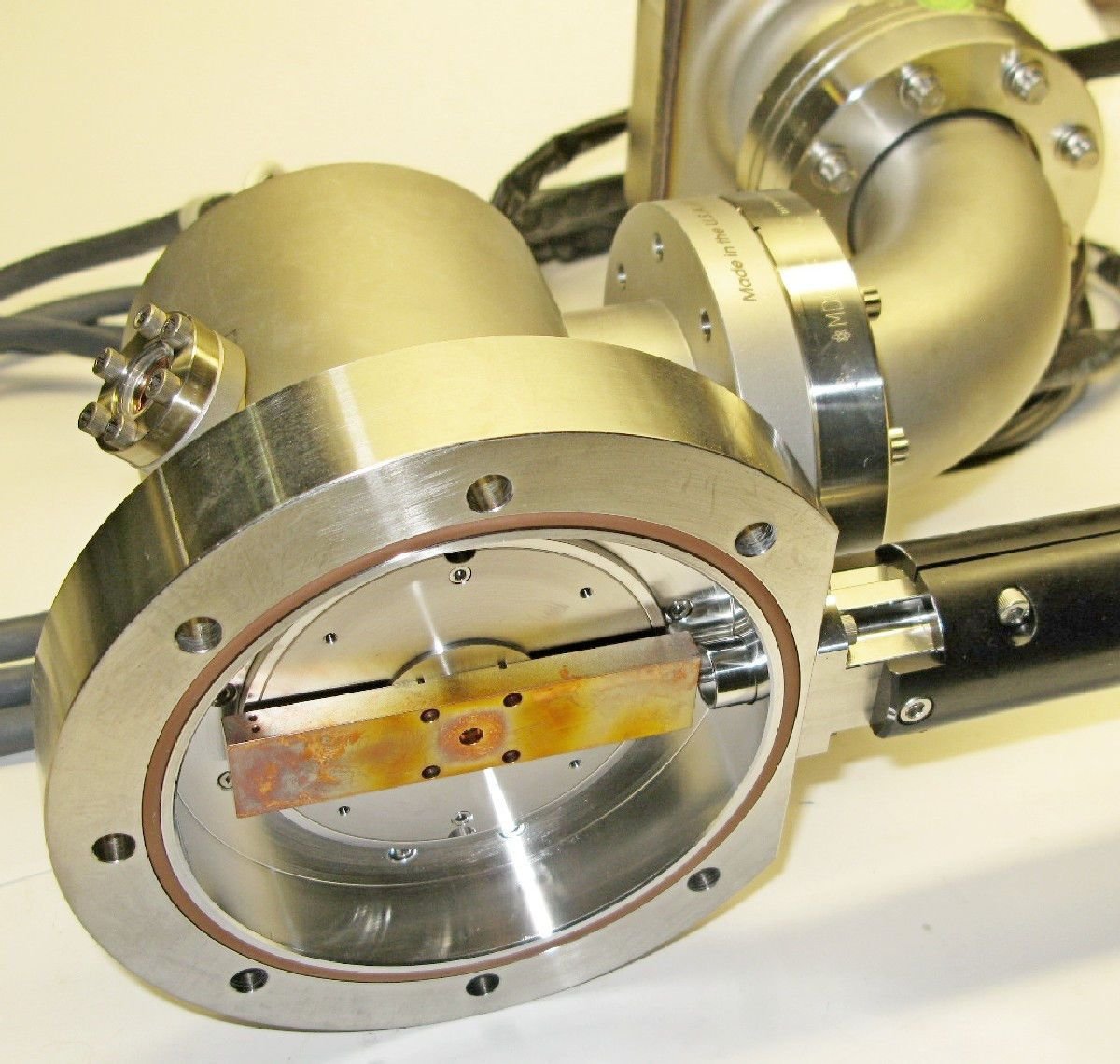
PVD coating is a vacuum-based process that deposits thin layers of material onto electronic components. The process occurs inside a controlled vacuum chamber where coating materials are vaporized and then condensed onto a target surface.
Unlike conventional painting or electroplating methods, PVD coatings offer:
- Exceptional adhesion
- Precise thickness control
- Superior durability
- Enhanced appearance
- Functional surface properties
Because these coatings are extremely thin, they do not significantly affect component dimensions, making them ideal for miniaturized electronic devices.
Why Consumer Electronics Manufacturers Choose PVD Coating
Enhanced Product Durability
Consumer devices experience constant handling and environmental exposure.
PVD coatings help protect against:
- Scratches
- Abrasion
- Corrosion
- Sweat and skin oils
- Environmental contaminants
This protection helps extend product lifespan and maintain appearance.
Premium Aesthetic Appeal
Modern consumers often associate metallic finishes and refined surfaces with quality and innovation.
PVD coatings provide:
- Metallic finishes
- Uniform color consistency
- Premium textures
- Long-lasting appearance
These benefits make products more attractive to customers.
Functional Performance Improvements
Beyond appearance, PVD coatings contribute to technical performance.
Benefits may include:
- Improved optical transmission
- Reduced surface reflection
- Better conductivity
- Enhanced environmental resistance
These characteristics support advanced electronic functionality.
How PVD Coating Technology Works
Vacuum Deposition Process
The coating process begins inside a vacuum chamber.
The vacuum environment:
- Eliminates contamination
- Improves coating purity
- Enhances adhesion quality
This ensures a highly controlled deposition process.
Thin Film Formation
Coating materials are vaporized through methods such as:
- Magnetron sputtering
- Arc evaporation
- Electron beam evaporation
The vapor then condenses onto the product surface, forming a durable thin film.
Precision Engineering and Quality Control
Consumer electronics require exceptional manufacturing precision.
Critical parameters include:
- Film thickness
- Chamber pressure
- Deposition rate
- Temperature control
Careful process management ensures consistent product quality.
Common PVD Coating Applications in Consumer Electronics
Smartphones
Smartphones are among the largest application areas for PVD technology.
Coatings are commonly applied to:
- Metal frames
- Camera rings
- Buttons
- Decorative trims
- Internal components
These coatings improve both durability and aesthetics.
Smartwatches and Wearables
Wearable devices must withstand constant skin contact and environmental exposure.
PVD coatings provide:
- Scratch resistance
- Corrosion protection
- Premium metallic appearance
These qualities help maintain product quality over time.
Tablets and Laptops
Manufacturers use PVD coatings to create:
- Durable housings
- Decorative finishes
- Wear-resistant surfaces
This helps improve user experience and product longevity.
Smart Home Devices
Smart speakers, smart displays, and connected home products increasingly utilize PVD coatings to achieve premium design and long-term durability.
Audio Equipment
Wireless earbuds and premium headphones often feature PVD-coated components that combine luxury aesthetics with robust performance.
Functional Coatings in Modern Electronics
Consumer electronics increasingly rely on functional coatings to improve device performance.
One of the most important applications involves advanced imaging systems. Modern smartphones use sophisticated Functional Coating for Cell Phone Camera technologies that help improve image clarity, reduce glare, enhance light transmission, and protect delicate optical components.
As mobile photography continues to evolve, functional coatings play a critical role in delivering professional-level imaging performance.
Decorative PVD Coatings for Consumer Devices
Decorative coatings are equally important in consumer electronics.
Manufacturers seek finishes that:
- Differentiate products
- Enhance brand identity
- Improve user perception
For premium control panels, smart appliances, and electronic interfaces, Electrical Decorative Panel Coating solutions provide attractive metallic finishes while maintaining excellent durability and wear resistance.
This combination of aesthetics and performance is increasingly valuable in today’s design-focused electronics market.
Benefits of PVD Coating for Consumer Electronics
Longer Product Lifespan
PVD coatings help protect surfaces from daily wear and environmental damage.
Improved Brand Perception
Premium finishes contribute to a higher perceived product value.
Enhanced User Experience
Scratch-resistant and durable surfaces help maintain product quality throughout the product lifecycle.
Environmentally Friendly Manufacturing
Compared with many traditional finishing methods, PVD technology generally uses fewer hazardous chemicals and generates less waste.
Challenges and Considerations in Electronics Coating
Despite its advantages, successful implementation requires attention to several factors.
Material Compatibility
Different substrates may require different coating strategies.
Process Optimization
Variables such as:
- Vacuum quality
- Coating thickness
- Deposition temperature
must be carefully controlled.
Application-Specific Requirements
Each device category may require unique coating properties.
How to Select a Reliable PVD Coating Partner
Choosing the right coating provider is essential for achieving consistent quality.
Consider the following:
Technical Expertise
Look for proven experience in:
- Electronics manufacturing
- Thin film engineering
- Optical coating technologies
Production Capabilities
A reliable supplier should support:
- Prototyping
- Small-batch production
- High-volume manufacturing
Quality Assurance Systems
Comprehensive testing ensures reliable coating performance.
Broad Surface Engineering Capabilities
Manufacturers often benefit from suppliers offering a complete portfolio of coating technologies. Businesses seeking advanced solutions can explore Vacuum Coating Solutions covering consumer electronics, optics, decorative finishes, and industrial applications.
Future Trends in Consumer Electronics Coatings
Advanced Camera Technologies
Multi-camera systems and AI-powered imaging will continue driving demand for high-performance optical coatings.
Foldable and Flexible Devices
Flexible electronics require coatings that maintain performance under repeated mechanical stress.
Smart Surface Technologies
Emerging innovations include:
- Anti-fingerprint coatings
- Self-cleaning surfaces
- Antimicrobial films
Sustainable Manufacturing Growth
Vacuum coating technologies are expected to play a growing role in environmentally responsible manufacturing strategies.
Frequently Asked Questions
What is PVD coating for consumer electronics?
It is a vacuum deposition process used to apply thin, durable coatings that improve appearance, protection, and performance of electronic devices.
Why is PVD coating used in smartphones?
It enhances scratch resistance, corrosion protection, decorative appearance, and optical performance.
Can PVD coatings improve camera quality?
Yes. Specialized optical coatings help reduce reflections and improve image clarity.
Are PVD coatings durable?
High-quality PVD coatings offer excellent resistance to wear, scratches, and environmental exposure.
What consumer devices use PVD coatings?
Smartphones, smartwatches, tablets, laptops, wireless earbuds, and smart home products commonly use PVD coatings.
Is PVD coating environmentally friendly?
Compared with many traditional surface finishing methods, PVD technology generally has a lower environmental impact.
Can PVD coatings be customized?
Yes. Coatings can be tailored for specific decorative, optical, electrical, or protective requirements.
How do I choose a PVD coating supplier?
Look for technical expertise, quality control systems, manufacturing capacity, and experience in consumer electronics applications.
Conclusion
PVD coating for consumer electronics has become an essential technology for manufacturers seeking to combine premium design with long-term durability and advanced functionality. From smartphone camera systems and wearable devices to smart home products and premium audio equipment, PVD coatings provide the performance advantages needed in today’s highly competitive electronics market.
As device innovation continues to accelerate, the demand for advanced thin-film technologies will only grow, making PVD coating a key driver of quality, reliability, and product differentiation across the global consumer electronics industry.