

Optical Interference Coating: Process and Applications
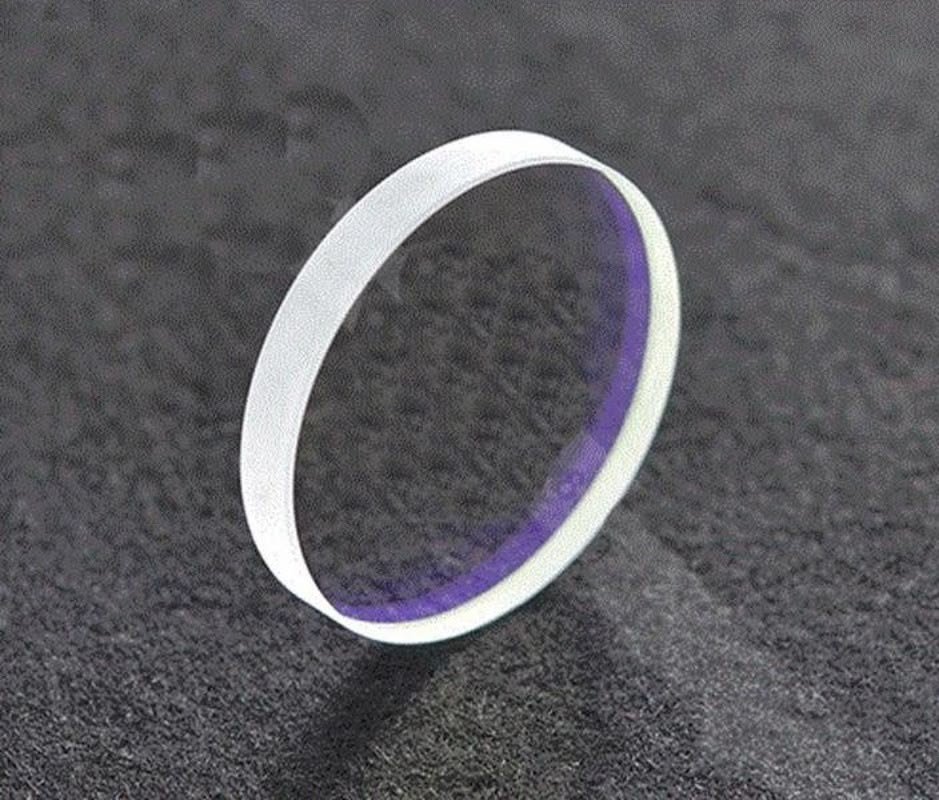
Light control is an important part of modern optical technology. From camera lenses and optical sensors to laser systems and scientific instruments, optical components need precise control of reflection and transmission to achieve stable performance.
Optical interference coating is a thin film coating technology that uses the interference effect of light waves to control optical behavior.
By designing multiple thin film layers with different optical properties, these coatings can reduce reflection, increase transmission, or achieve specific wavelength control.
Today, optical interference coatings are widely used in imaging systems, electronics, scientific equipment, and precision optical applications.
What Is Optical Interference Coating?
Optical interference coating is a type of optical thin film coating based on the principle of light interference.
When light reaches a coated surface, part of the light is reflected from different layers inside the coating structure. These reflected light waves interact with each other, creating either constructive or destructive interference.
By controlling the thickness and refractive index of each layer, manufacturers can design coatings with specific optical functions.
Common functions include:
- Anti reflective performance
- High reflection
- Wavelength filtering
- Light transmission control
Optical interference coatings are usually produced by depositing multiple thin film layers onto optical substrates.
How Does Optical Interference Coating Work?
The working principle of optical interference coating depends on the interaction between light waves and thin film layers.
A typical coating structure contains alternating layers of materials with different refractive indexes.
When light enters the coating:
- Light reaches the coating surface
- Part of the light reflects from each layer
- Reflected waves interact with each other
- Specific wavelengths are enhanced or reduced
Through precise layer design, engineers can control the final optical performance.
Important design factors include:
- Layer thickness
- Material refractive index
- Number of layers
- Target wavelength range
- Substrate properties
Optical Interference Coating Process
The production of optical interference coatings requires precise thin film deposition technology.
The main process includes:
Substrate Preparation
Before coating, optical components must be carefully cleaned.
Surface quality affects:
- Coating adhesion
- Film uniformity
- Optical performance
Thin Film Deposition
During deposition, coating materials are applied layer by layer onto the substrate surface.
Common technologies include:
- Physical Vapor Deposition (PVD)
- Magnetron sputtering
- Electron beam evaporation
These processes allow accurate control of film thickness and coating structure.
Optical Testing
After coating, components are tested for:
- Reflection rate
- Transmission performance
- Wavelength response
- Coating stability
Common Types of Optical Interference Coatings
Anti Reflective Coating (AR Coating)
Anti reflective coating is one of the most common optical interference coatings.
It uses destructive interference to reduce unwanted reflection from optical surfaces.
Applications include:
- Camera lenses
- Smartphone optical components
- Eyeglasses
- Optical windows
AR coatings improve light transmission and reduce glare.
High Reflective Coating
High reflective coatings use interference effects to increase reflection at specific wavelengths.
Applications include:
- Optical mirrors
- Laser systems
- Scientific instruments
These coatings are designed to reflect specific wavelength ranges efficiently.
Optical Filter Coating
Optical filter coatings use interference structures to selectively transmit or block certain wavelengths.
Applications include:
- Sensors
- Imaging equipment
- Spectroscopy systems
Multilayer Optical Coating
Multilayer optical coating is based on multiple thin film layers with different optical properties.
By combining different materials, manufacturers can create complex optical functions.
Applications include:
- Laser components
- Optical filters
- Precision optical systems
Materials Used in Optical Interference Coating
The choice of materials directly affects coating performance.
Silicon Dioxide (SiO₂)
Silicon dioxide is commonly used as a low refractive index material.
It provides:
- Good transparency
- Chemical stability
- Reliable optical performance
Applications include:
- AR coatings
- Multilayer optical structures
Titanium Dioxide (TiO₂)
Titanium dioxide is a high refractive index material used in many interference coating designs.
It helps control:
- Reflection characteristics
- Transmission properties
- Wavelength response
Magnesium Fluoride (MgF₂)
Magnesium fluoride is widely used in optical coatings because of its good transparency and stability.
It is commonly applied in anti reflective coating designs.
Applications of Optical Interference Coating
Camera and Imaging Systems
Optical interference coatings are widely used in imaging products.
Applications include:
- Camera lenses
- Smartphone camera modules
- Industrial cameras
These coatings help improve image quality by controlling reflection and increasing light efficiency.
SRNC focuses on vacuum coating and optical thin film technologies for optical components and imaging applications.
More information:
https://srnc.net/optical-coating/
Laser Systems
Laser equipment requires coatings designed for specific wavelengths.
Optical interference coatings are used in:
- Laser mirrors
- Beam splitters
- Optical windows
They help maintain stable laser transmission and reflection performance.
Scientific Instruments
Scientific equipment often requires precise optical control.
Applications include:
- Microscopes
- Spectrometers
- Measurement systems
Optical interference coatings improve accuracy by controlling light behavior.
Electronic Glass and Optical Components
Optical interference coatings are also applied to glass and electronic components.
Applications include:
- Display glass
- Optical sensors
- Functional glass surfaces
Optical Interference Coating and Vacuum Coating Technology
Optical interference coatings require accurate control of thin film layers.
Vacuum coating technology provides a controlled environment for depositing optical materials.
Through technologies such as PVD and magnetron sputtering, manufacturers can achieve:
- Uniform coating layers
- Precise thickness control
- Stable optical performance
SRNC provides vacuum coating and thin film coating technologies for optical components, glass substrates, and functional surfaces.
Learn more:
https://srnc.net/
Factors Affecting Optical Interference Coating Performance
Several factors influence the final coating quality.
Important factors include:
- Coating material selection
- Film thickness accuracy
- Substrate quality
- Deposition method
- Environmental requirements
Different applications require different coating designs.
For example, camera lenses focus on reducing reflection, while laser systems require precise wavelength control.
Future Development of Optical Interference Coating
With the development of optical systems and electronic products, demand for optical interference coating continues to increase.
Future trends include:
- More precise multilayer structures
- Improved coating durability
- Wider wavelength applications
- Multifunctional optical coatings
Optical interference coating will continue to support industries that require accurate light control and stable optical performance.Light control is an important part of modern optical technology. From camera lenses and optical sensors to laser systems and scientific instruments, optical components need precise control of reflection and transmission to achieve stable performance.
Optical interference coating is a thin film coating technology that uses the interference effect of light waves to control optical behavior.
By designing multiple thin film layers with different optical properties, these coatings can reduce reflection, increase transmission, or achieve specific wavelength control.
Today, optical interference coatings are widely used in imaging systems, electronics, scientific equipment, and precision optical applications.
What Is Optical Interference Coating?
Optical interference coating is a type of optical thin film coating based on the principle of light interference.
When light reaches a coated surface, part of the light is reflected from different layers inside the coating structure. These reflected light waves interact with each other, creating either constructive or destructive interference.
By controlling the thickness and refractive index of each layer, manufacturers can design coatings with specific optical functions.
Common functions include:
- Anti reflective performance
- High reflection
- Wavelength filtering
- Light transmission control
Optical interference coatings are usually produced by depositing multiple thin film layers onto optical substrates.
How Does Optical Interference Coating Work?
The working principle of optical interference coating depends on the interaction between light waves and thin film layers.
A typical coating structure contains alternating layers of materials with different refractive indexes.
When light enters the coating:
- Light reaches the coating surface
- Part of the light reflects from each layer
- Reflected waves interact with each other
- Specific wavelengths are enhanced or reduced
Through precise layer design, engineers can control the final optical performance.
Important design factors include:
- Layer thickness
- Material refractive index
- Number of layers
- Target wavelength range
- Substrate properties
Optical Interference Coating Process
The production of optical interference coatings requires precise thin film deposition technology.
The main process includes:
Substrate Preparation
Before coating, optical components must be carefully cleaned.
Surface quality affects:
- Coating adhesion
- Film uniformity
- Optical performance
Thin Film Deposition
During deposition, coating materials are applied layer by layer onto the substrate surface.
Common technologies include:
- Physical Vapor Deposition (PVD)
- Magnetron sputtering
- Electron beam evaporation
These processes allow accurate control of film thickness and coating structure.
Optical Testing
After coating, components are tested for:
- Reflection rate
- Transmission performance
- Wavelength response
- Coating stability
Common Types of Optical Interference Coatings
Anti Reflective Coating (AR Coating)
Anti reflective coating is one of the most common optical interference coatings.
It uses destructive interference to reduce unwanted reflection from optical surfaces.
Applications include:
- Camera lenses
- Smartphone optical components
- Eyeglasses
- Optical windows
AR coatings improve light transmission and reduce glare.
High Reflective Coating
High reflective coatings use interference effects to increase reflection at specific wavelengths.
Applications include:
- Optical mirrors
- Laser systems
- Scientific instruments
These coatings are designed to reflect specific wavelength ranges efficiently.
Optical Filter Coating
Optical filter coatings use interference structures to selectively transmit or block certain wavelengths.
Applications include:
- Sensors
- Imaging equipment
- Spectroscopy systems
Multilayer Optical Coating
Multilayer optical coating is based on multiple thin film layers with different optical properties.
By combining different materials, manufacturers can create complex optical functions.
Applications include:
- Laser components
- Optical filters
- Precision optical systems
Materials Used in Optical Interference Coating
The choice of materials directly affects coating performance.
Silicon Dioxide (SiO₂)
Silicon dioxide is commonly used as a low refractive index material.
It provides:
- Good transparency
- Chemical stability
- Reliable optical performance
Applications include:
- AR coatings
- Multilayer optical structures
Titanium Dioxide (TiO₂)
Titanium dioxide is a high refractive index material used in many interference coating designs.
It helps control:
- Reflection characteristics
- Transmission properties
- Wavelength response
Magnesium Fluoride (MgF₂)
Magnesium fluoride is widely used in optical coatings because of its good transparency and stability.
It is commonly applied in anti reflective coating designs.
Applications of Optical Interference Coating
Camera and Imaging Systems
Optical interference coatings are widely used in imaging products.
Applications include:
- Camera lenses
- Smartphone camera modules
- Industrial cameras
These coatings help improve image quality by controlling reflection and increasing light efficiency.
SRNC focuses on vacuum coating and optical thin film technologies for optical components and imaging applications.
More information:
https://srnc.net/optical-coating/
Laser Systems
Laser equipment requires coatings designed for specific wavelengths.
Optical interference coatings are used in:
- Laser mirrors
- Beam splitters
- Optical windows
They help maintain stable laser transmission and reflection performance.
Scientific Instruments
Scientific equipment often requires precise optical control.
Applications include:
- Microscopes
- Spectrometers
- Measurement systems
Optical interference coatings improve accuracy by controlling light behavior.
Electronic Glass and Optical Components
Optical interference coatings are also applied to glass and electronic components.
Applications include:
- Display glass
- Optical sensors
- Functional glass surfaces
Optical Interference Coating and Vacuum Coating Technology
Optical interference coatings require accurate control of thin film layers.
Vacuum coating technology provides a controlled environment for depositing optical materials.
Through technologies such as PVD and magnetron sputtering, manufacturers can achieve:
- Uniform coating layers
- Precise thickness control
- Stable optical performance
SRNC provides vacuum coating and thin film coating technologies for optical components, glass substrates, and functional surfaces.
Learn more:
https://srnc.net/
Factors Affecting Optical Interference Coating Performance
Several factors influence the final coating quality.
Important factors include:
- Coating material selection
- Film thickness accuracy
- Substrate quality
- Deposition method
- Environmental requirements
Different applications require different coating designs.
For example, camera lenses focus on reducing reflection, while laser systems require precise wavelength control.
Future Development of Optical Interference Coating
With the development of optical systems and electronic products, demand for optical interference coating continues to increase.
Future trends include:
- More precise multilayer structures
- Improved coating durability
- Wider wavelength applications
- Multifunctional optical coatings
Optical interference coating will continue to support industries that require accurate light control and stable optical performance.
Although these coatings are extremely thin, they have a significant influence on the performance of modern optical systems.
Although these coatings are extremely thin, they have a significant influence on the performance of modern optical systems.