

Optical Component Film for Advanced Thin Film Coating Solutions
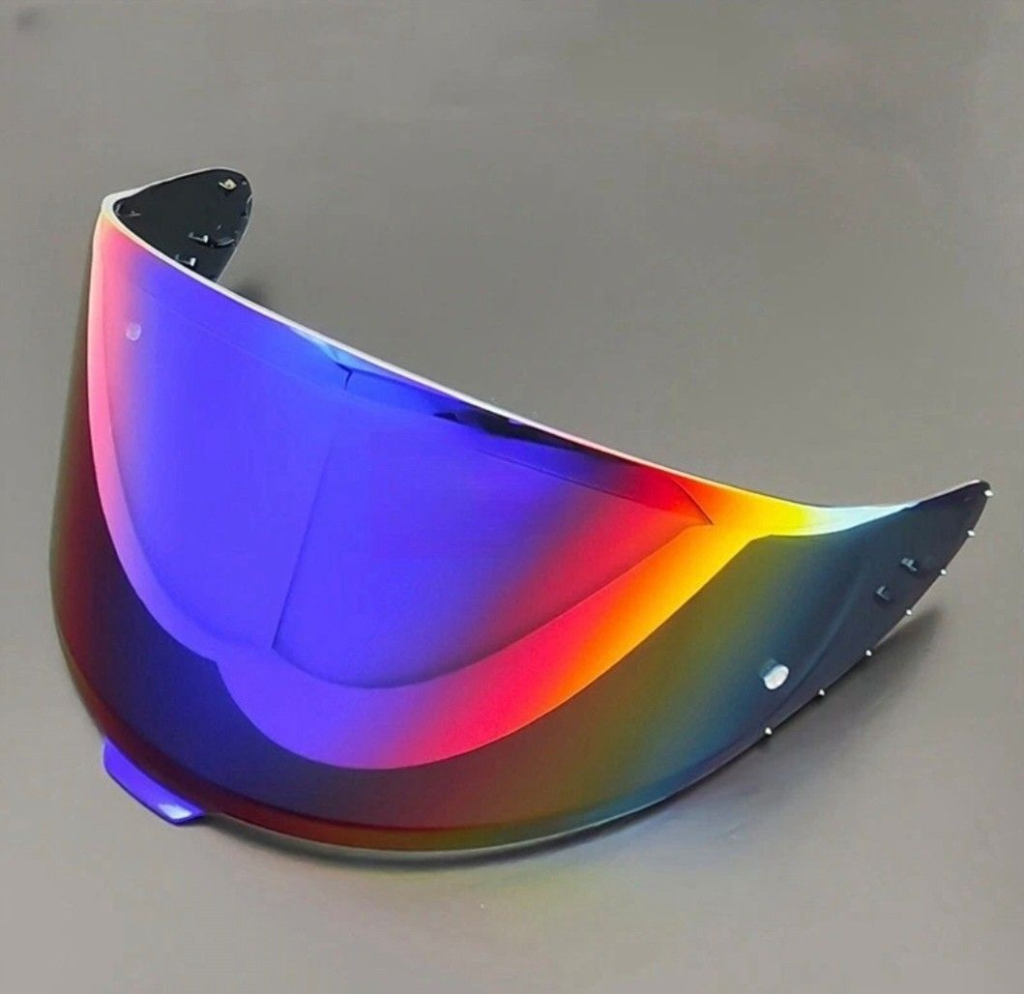
Modern optical systems require components with high precision, stable performance, and reliable light control. Optical Component Film is an advanced thin film technology designed to improve the optical performance and protection of optical elements.
By applying carefully designed film layers onto optical substrates, these coatings can control light transmission, reflection, and wavelength response while improving surface durability.
Optical component films are widely used in lenses, laser systems, sensors, imaging equipment, and precision optical devices.
What Is Optical Component Film?
Optical Component Film refers to a functional thin film layer applied to optical components to enhance their optical or protective performance.
Unlike ordinary surface coatings, optical component films are designed according to specific optical requirements, including:
- Light transmission control
- Reflection reduction
- Wavelength management
- Surface protection
- Optical performance enhancement
Common optical substrates include:
- Optical glass
- Quartz
- Sapphire
- Silicon
- Ceramic materials
Typical applications include:
- Optical lenses
- Laser components
- Optical windows
- Filters
- Sensor elements
How Does Optical Component Film Work?
Optical component films work by controlling how light interacts with the coated surface.
The film structure is carefully designed based on:
- Refractive index
- Film thickness
- Layer arrangement
- Target wavelength
Through thin film interference principles, different coating structures can achieve different optical functions.
For example:
- Anti reflective films reduce unwanted surface reflection.
- High reflection films enhance reflected light.
- Filter films control selected wavelengths.
- Protective films improve surface durability.
Manufacturing Process of Optical Component Film
Producing high-performance optical films requires precise coating technology.
Substrate Preparation
Before coating, optical components undergo surface cleaning and preparation.
This process helps improve:
- Coating adhesion
- Film uniformity
- Optical stability
A clean substrate surface is important for achieving consistent coating performance.
Thin Film Deposition
Optical component films are commonly produced using advanced deposition technologies.
Typical processes include:
- Physical Vapor Deposition (PVD)
- Vacuum coating
- Magnetron sputtering
- Electron beam evaporation
These technologies provide accurate control of:
- Film thickness
- Material composition
- Optical properties
Materials Used in Optical Component Film
Silicon Dioxide (SiO₂)
Silicon dioxide is widely used as a low refractive index material.
Advantages:
- High transparency
- Low optical absorption
- Good chemical stability
Applications include:
- Anti reflective coatings
- Multilayer optical films
- Optical windows
Titanium Dioxide (TiO₂)
Titanium dioxide is a high refractive index material used in advanced optical structures.
Applications include:
- Reflection coatings
- Optical filters
- Dielectric multilayer films
Magnesium Fluoride (MgF₂)
Magnesium fluoride is commonly used in optical transmission applications.
Advantages:
- Good transparency
- Low reflection performance
- Optical stability
Applications include:
- Lens coatings
- Optical components
- Anti reflective films
Applications of Optical Component Film
Camera and Imaging Systems
Imaging systems require efficient light transmission and stable optical performance.
Optical component films are used for:
- Camera lenses
- Imaging modules
- Machine vision systems
Benefits include:
- Improved light transmission
- Reduced reflection
- Better image quality
Laser Optical Components
Laser systems require highly accurate optical control.
Applications include:
- Laser mirrors
- Beam splitters
- Optical windows
Optical films help achieve:
- Stable wavelength performance
- Reduced optical loss
- Improved system efficiency
Optical Sensors
Sensors depend on precise light detection.
Applications include:
- Optical sensors
- Detection equipment
- Measurement systems
Optical component films help improve signal stability and detection accuracy.
Display and Electronic Optical Components
Modern electronic devices require high-performance optical surfaces.
Applications include:
- Display glass
- Touch panels
- Electronic optical components
Functional films help maintain:
- Transparency
- Surface durability
- Optical clarity
Optical Component Film and Vacuum Coating Technology
Advanced optical component films require accurate control of thin film structures.
Vacuum coating technology provides a controlled environment for depositing optical materials with high precision.
Through advanced deposition processes, manufacturers can achieve:
- Uniform coating layers
- Precise thickness control
- Stable optical performance
SRNC provides vacuum coating technology for optical components, precision products, and advanced thin film applications.
Learn more:
https://srnc.net/
For optical coating applications, SRNC provides precision solutions including multilayer optical films, functional coatings, and advanced thin film structures.
Learn more:
https://srnc.net/optical-coating/
Advantages of Optical Component Film
Optical component films provide several advantages:
- Improved optical efficiency
- Better surface protection
- Customized wavelength control
- Enhanced component reliability
- Stable performance in demanding environments
Different optical applications require different coating designs. Material selection and film structure must match the operating wavelength, substrate characteristics, and performance requirements.
Future Development of Optical Component Film
With the development of photonics, imaging technology, and precision optical systems, demand for optical component films continues to increase.
Future trends include:
- More precise multilayer structures
- Low-loss optical films
- Multifunctional coatings
- Advanced thin film materials
Optical component film technology will continue supporting high-performance optical devices and advanced manufacturing applications.
Frequently Asked Questions
What is Optical Component Film?
Optical Component Film is a functional thin film coating applied to optical components to improve light control, protection, and optical performance.
What technologies are used to produce optical component films?
Common technologies include PVD coating, vacuum deposition, magnetron sputtering, and thin film coating processes.
Where are optical component films used?
They are widely used in lenses, lasers, sensors, displays, and precision optical equipment.