

Optical Coating vs Thin Film Coating: Understanding the Differences and Applications“
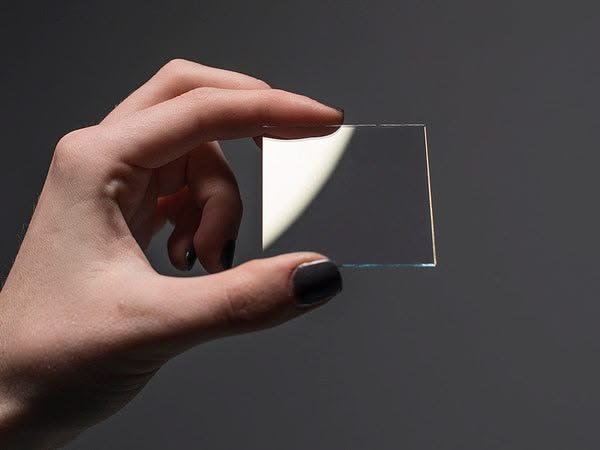
Advanced surface coating technologies play an important role in modern optics, electronics, and precision manufacturing.
When selecting a coating solution, manufacturers often compare optical coating vs thin film coating to understand which technology is more suitable for their application.
Although these two terms are sometimes used interchangeably, they represent different concepts.
Thin film coating refers to the broader technology of depositing extremely thin layers onto a surface, while optical coating is a specialized type of thin film coating designed specifically to control the interaction between light and a surface.
Understanding the relationship between optical coatings and thin film coatings helps manufacturers choose the correct solution for glass, lenses, displays, and precision optical components.
What Is Thin Film Coating?
Thin film coating refers to the process of depositing one or multiple extremely thin layers of material onto a substrate surface.
The coating thickness can range from nanometers to micrometers depending on the application requirements.
Thin film coatings can be designed to improve:
- Surface protection
- Electrical properties
- Optical performance
- Chemical resistance
- Functional characteristics
Thin film coating technologies are widely used in:
- Electronics
- Optics
- Semiconductor components
- Display technology
- Precision manufacturing
Common deposition methods include:
- PVD coating
- Vacuum evaporation
- Sputtering
- Other vacuum deposition technologies
What Is Optical Coating?
Optical coating is a specialized category of thin film coating designed to control how light interacts with a surface.
Optical coatings are commonly applied to materials such as:
- Glass
- Quartz
- Sapphire
- Optical lenses
- Camera components
The main purpose of optical coating is to modify light behavior, including:
- Reflection
- Transmission
- Absorption
Common optical coating functions include:
- Anti-reflective coating
- High reflection coating
- Beam splitter coating
- Filter coating
Optical Coating vs Thin Film Coating: Main Differences
| Feature | Optical Coating | Thin Film Coating |
|---|---|---|
| Definition | Light-control coating technology | General thin-layer deposition technology |
| Main purpose | Control optical performance | Improve various surface properties |
| Application focus | Optics and imaging | Electronics, optics, industry |
| Materials | Optical dielectric materials, metals | Metals, ceramics, compounds, polymers |
| Performance target | Reflection and transmission control | Functional surface enhancement |
| Common products | Lenses, cameras, displays | Electronic parts, optical parts, precision components |
Relationship Between Optical Coating and Thin Film Coating
The relationship can be explained simply:
Thin film coating is the technology.
Optical coating is one application of that technology.
For example:
A manufacturer may apply a thin film coating to:
- Improve wear resistance
- Increase electrical performance
- Protect a surface
However, when the purpose is to control light transmission or reflection, the thin film coating becomes an optical coating.
Optical Coating Applications
Camera Lens Coating
Modern cameras require precise control of light transmission.
Optical coatings help improve:
- Image quality
- Reflection reduction
- Light efficiency
Applications include:
- Smartphone camera lenses
- Industrial cameras
- Imaging systems
Display Glass Coating
Displays require excellent optical performance and surface quality.
Optical coatings can help achieve:
- Reduced reflection
- Improved visibility
- Better light management
Applications include:
- Touch displays
- Electronic screens
- Smart devices
Precision Optical Components
Optical coatings are widely used for:
- Optical windows
- Quartz components
- Sapphire components
- Precision lenses
Thin Film Coating Applications
Electronic Components
Thin film coatings support applications requiring:
- Surface protection
- Functional enhancement
- Improved durability
Industrial Components
Applications include:
- Precision mechanical parts
- Wear-resistant surfaces
- Functional components
Advanced Materials
Thin film coatings can be applied to:
- Glass
- Ceramic
- Sapphire
- Quartz
- Metal components
Advantages of Optical Coating
Improved Light Performance
Optical coatings allow engineers to precisely control:
- Reflection
- Transmission
- Light efficiency
Better Image Quality
In optical systems, reducing unwanted reflection helps improve image clarity and performance.
Customized Optical Properties
Optical coatings can be designed for specific wavelengths and applications.
Advantages of Thin Film Coating
Flexible Surface Enhancement
Thin film technology can improve multiple surface characteristics depending on coating design.
Precision Control
Thin film deposition allows accurate control of:
- Thickness
- Layer structure
- Material composition
Wide Material Compatibility
Thin film coatings can be applied to many substrates, including:
- Glass
- Metals
- Ceramics
- Crystal materials
Choosing Between Optical Coating and Thin Film Coating
The correct choice depends on the application objective.
Choose optical coating when you need:
- Reflection control
- Light transmission improvement
- Imaging performance
- Optical precision
Choose thin film coating when you need:
- Surface protection
- Functional improvement
- Wear resistance
- Electronic or industrial performance enhancement
In many advanced applications, optical coatings are actually created through thin film coating technologies.
Optical and Thin Film Coating Processing for Customer-Supplied Components
At SRNC, we specialize in advanced surface coating processing for customer-supplied components.
We do not manufacture optical lenses, glass products, or finished electronic devices.
Instead, customers provide their own components, and SRNC applies customized coating solutions designed to improve:
- Optical performance
- Surface functionality
- Durability
- Appearance
Our coating processing capabilities support applications including:
- Optical glass components
- Camera-related parts
- Electronic glass components
- Sapphire and quartz components
- Precision surfaces
By focusing on coating technology, SRNC helps customers achieve consistent surface performance while maintaining the original precision requirements of their components.
Future Trends in Optical and Thin Film Coating Technology
As industries demand higher performance materials, coating technologies continue to evolve.
Future developments include:
- Multi-layer optical coatings
- Advanced thin film structures
- Better optical efficiency
- Functional multifunctional coatings
- Improved durability
These technologies will continue supporting innovation in:
- Electronics
- Optics
- Imaging systems
- Precision manufacturing
Conclusion
Optical coating vs thin film coating is not a comparison between two completely separate technologies.
Thin film coating is a broad surface engineering technology, while optical coating is a specialized thin film application designed to control light behavior.
For manufacturers working with glass, lenses, cameras, displays, and precision components, selecting the right coating technology depends on the required optical and functional performance.
SRNC provides customized coating processing solutions for customer-supplied components, helping manufacturers achieve improved optical performance and surface functionality.