

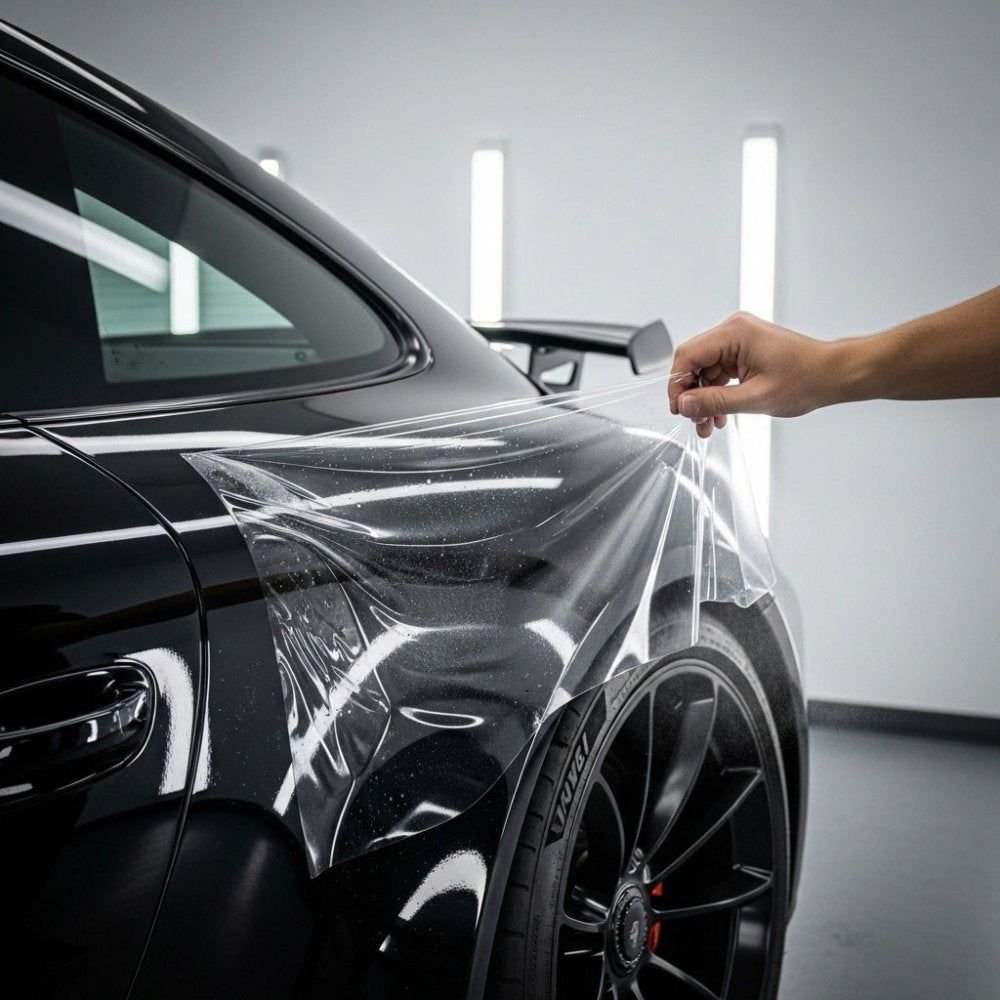
Oil Repellent Coating for Cell Phone Camera: 7 Effective Ways to Keep Lens Surfaces Cleaner
Smartphone cameras have become essential tools for capturing everyday moments, professional images, and high-quality videos. As camera systems continue to improve, the requirements for camera surface protection have also become more demanding.
The camera cover glass is one of the most frequently exposed parts of a mobile device. During daily use, it can come into contact with fingerprints, skin oils, cosmetics, dust, and other contaminants. These substances may reduce image clarity, create unwanted reflections, or make the lens surface appear dirty.
This is why oil repellent coating technology is becoming increasingly important for modern cell phone camera applications.
An oil-repellent coating creates a functional surface that reduces the adhesion of oily contaminants. By improving resistance against fingerprints and grease, the coating helps maintain a cleaner camera surface while supporting consistent optical performance.
For advanced smartphone camera modules, surface functionality is no longer only about protection. It is about ensuring that the camera remains reliable, clear, and easy to maintain throughout everyday use.
What Is Oil Repellent Coating?
An oil repellent coating is a functional surface treatment designed to reduce the attachment of oil-based contaminants.
The technology works by modifying surface characteristics so that oils and organic residues have less tendency to spread and remain on the surface.
This type of coating is often associated with oleophobic technology, which focuses on reducing interactions between oily substances and the coated surface.
Common benefits include:
- Reduced fingerprint adhesion
- Easier cleaning
- Lower surface contamination
- Improved appearance
- Better user experience
- Longer-lasting surface cleanliness
For camera cover glass, these benefits help maintain the optical path between the environment and the camera sensor.
Why Cell Phone Cameras Need Oil Repellent Protection
A smartphone camera is handled constantly.
Users often touch their phones hundreds of times each day, and fingerprints can easily transfer oils onto nearby surfaces.
Although camera lenses are not usually touched directly, contaminants can reach the camera area through:
- Hand contact
- Phone cases
- Pockets
- Bags
- Environmental particles
Oil contamination can create several problems:
- Reduced image sharpness
- Lower contrast
- Light scattering
- Visible smudges
- Difficult cleaning
An oil repellent coating helps minimize these issues by creating a surface that is easier to keep clean.
How Oil Repellent Coating Works
The performance of an oil repellent coating depends on surface chemistry and energy characteristics.
An untreated surface may allow oil to spread and strongly attach.
A specially designed coating reduces surface interaction, making oily substances easier to remove.
Important factors include:
- Surface energy
- Coating chemistry
- Film uniformity
- Surface structure
- Adhesion strength
The goal is not only to repel oil but also to maintain other important properties such as optical transparency and durability.
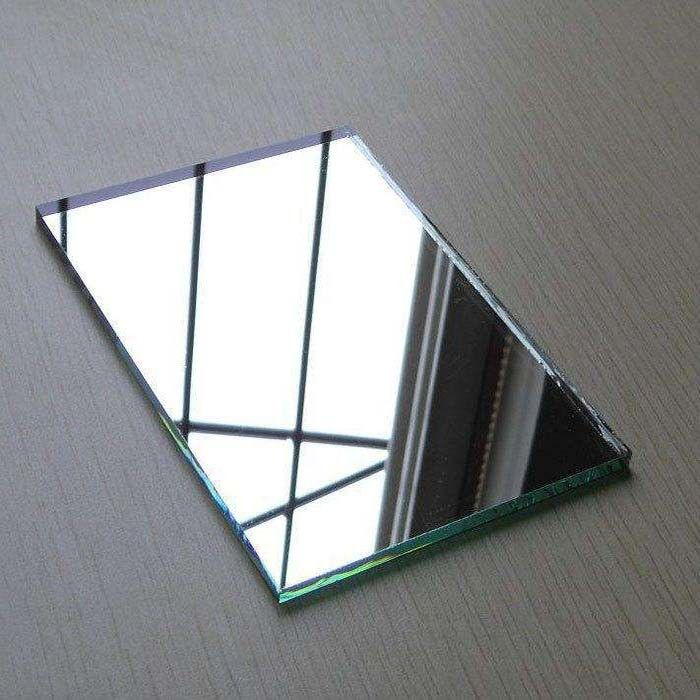
7 Effective Ways Oil Repellent Coating Improves Camera Performance
1. Reducing Fingerprint Marks
Fingerprints are one of the most common sources of surface contamination.
Natural skin oils can leave visible marks on glass surfaces.
An oil repellent coating reduces the ability of these oils to spread, helping minimize fingerprint visibility.
This keeps camera cover glass looking cleaner and reduces the frequency of manual cleaning.
For premium smartphones, this small improvement can significantly enhance the user experience.
2. Maintaining Clear Optical Performance
Camera systems rely on precise light transmission.
Oil films or fingerprints on the cover glass can interfere with incoming light.
Potential effects include:
- Reduced contrast
- Hazy images
- Light scattering
- Reduced clarity
An oil-resistant surface helps maintain cleaner optical conditions.
For camera applications, the coating must achieve a balance between:
- Oil repellency
- High transmission
- Low haze
- Optical consistency
3. Improving Cleaning Efficiency
Without protection, oil contamination can require repeated wiping.
An oil repellent coating makes cleaning easier because contaminants are less likely to strongly bond with the surface.
This provides advantages such as:
- Faster cleaning
- Reduced residue
- Better surface appearance
- Improved daily usability
This is particularly valuable for devices that are frequently handled.
4. Protecting Against Daily Contamination
Smartphones experience many types of exposure.
Camera surfaces may encounter:
- Finger oils
- Cosmetic residues
- Food-related grease
- Environmental pollutants
- Cleaning materials
An oil repellent coating acts as a functional surface barrier that helps reduce contamination buildup.
5. Supporting Long-Term Surface Quality
Repeated contamination and cleaning cycles can gradually affect untreated surfaces.
A durable coating helps maintain surface performance by reducing direct interaction between contaminants and the substrate.
Important durability factors include:
- Chemical stability
- Abrasion resistance
- Adhesion
- Environmental resistance
6. Enhancing Premium Device Experience
Consumers notice small details.
A camera surface that stays cleaner and wipes easily creates a more premium feeling.
Oil repellent coatings contribute to:
- Cleaner appearance
- Smoother maintenance
- Better product perception
For high-end mobile devices, these surface characteristics are an important part of product design.
7. Working Together With Other Functional Coatings
Modern camera coatings usually combine multiple functions.
An advanced camera surface may include:
- Oil repellent coating
- Water repellent coating
- Anti-fingerprint coating
- Anti-reflection coating
- Hard protective coating
Each layer provides a specific benefit.
The combination creates a more complete protection system for camera components.
Oil Repellent Coating for Camera Cover Glass
Camera cover glass has strict performance requirements.
Unlike ordinary glass surfaces, it must protect the camera while maintaining optical quality.
A suitable oil repellent coating should provide:
| Requirement | Function |
|---|---|
| Oil resistance | Reduce fingerprint and grease adhesion |
| High transparency | Maintain image quality |
| Low haze | Prevent optical distortion |
| Strong adhesion | Improve coating durability |
| Scratch resistance | Protect against daily wear |
| Chemical resistance | Handle cleaning exposure |
The coating design must consider both surface functionality and optical performance.
Oil Repellent Coating and Oleophobic Technology
Oil repellent coatings are closely related to oleophobic coatings.
Oleophobic technology specifically focuses on reducing oil adhesion.
The effectiveness of an oleophobic surface can be evaluated through:
- Oil contact angle
- Sliding behavior
- Surface durability
- Cleaning performance
However, oil repellency alone is not enough for camera applications.
A successful coating must also maintain:
- Optical clarity
- Mechanical stability
- Long-term reliability
Oil Repellent Coating vs. Water Repellent Coating
Although they are often combined, these coatings target different contaminants.
| Coating Type | Main Function |
|---|---|
| Oil repellent coating | Reduces oil and fingerprint adhesion |
| Water repellent coating | Reduces moisture adhesion |
| Anti-smudge coating | Minimizes visible marks |
For smartphone camera applications, combining oil and water resistance creates more comprehensive surface protection.
Functional Coating Technology for Cell Phone Camera
Camera modules require carefully engineered surface solutions.
A functional coating system can help improve:
- Optical performance
- Surface cleanliness
- Durability
- Environmental resistance
SRNC’s Functional Coating for Cell Phone Camera provides advanced coating solutions designed for camera components requiring precise optical and functional performance.
The coating structure can be customized according to application requirements, including optical performance, surface protection, and durability targets.
Materials and Deposition Methods
Oil repellent coatings are commonly created using advanced thin-film technologies.
Possible manufacturing methods include:
- Vacuum deposition
- PVD processes
- Plasma-assisted coating
- Functional thin-film deposition
These technologies allow control over:
- Film thickness
- Surface chemistry
- Uniformity
- Adhesion
- Durability
For camera applications, manufacturing precision is essential.
Testing Oil Repellent Coatings
Performance testing helps ensure coating reliability.
| Test | Purpose |
|---|---|
| Oil contact angle test | Measures oil repellency |
| Fingerprint test | Evaluates smudge resistance |
| Abrasion test | Checks durability |
| Chemical resistance test | Measures stability |
| Adhesion test | Evaluates bonding |
| Optical transmission test | Confirms transparency |
| Haze test | Checks image impact |
Testing should simulate real usage conditions.
How to Choose an Oil Repellent Coating Solution
Manufacturers should consider several factors.
Optical Requirements
The coating should maintain high transmission and low haze.
Surface Performance
The coating should effectively reduce oil and fingerprint adhesion.
Durability
The coating should survive repeated cleaning and handling.
Substrate Compatibility
The coating must bond effectively with camera cover glass.
Manufacturing Capability
The process should provide consistent quality for mass production.
Frequently Asked Questions
What is oil repellent coating?
Oil repellent coating is a functional surface coating designed to reduce the adhesion of oil-based contaminants such as fingerprints and grease.
Why is oil repellent coating used on smartphone cameras?
It helps keep camera cover glass cleaner by reducing fingerprints, oily marks, and surface contamination that may affect image quality.
Is oil repellent coating the same as oleophobic coating?
They are closely related. Oleophobic coatings are specifically designed to resist oils and oily contaminants.
Does oil repellent coating improve photo quality?
Indirectly, yes. By reducing oil and fingerprint contamination on the camera surface, it helps maintain clearer optical conditions.
Can oil repellent coating be combined with water repellent coating?
Yes. Many advanced functional coatings combine oil and water resistance for improved surface protection.
How long does oil repellent coating last?
Service life depends on coating materials, thickness, adhesion, abrasion exposure, and cleaning frequency.
Can oil repellent coating be applied to glass?
Yes. It is commonly applied to glass surfaces including smartphone camera cover glass and optical components.
How is oil repellency tested?
Testing may include oil contact angle measurement, fingerprint resistance testing, abrasion testing, chemical exposure, and durability evaluation.
Conclusion
A clean camera surface is essential for maintaining reliable smartphone photography.
Oil repellent coating provides an effective solution by reducing fingerprint adhesion, minimizing oily contamination, and helping camera cover glass remain clearer during everyday use.
For modern smartphone cameras, the ideal surface coating must provide more than oil resistance. It must also maintain optical clarity, strong adhesion, durability, and environmental stability.
SRNC’s Functional Coating for Cell Phone Camera offers advanced functional coating solutions designed to support high-performance camera applications.
Through precise thin-film engineering and surface treatment technology, oil repellent coatings help create camera surfaces that stay cleaner, perform better, and deliver a more reliable user experience.