

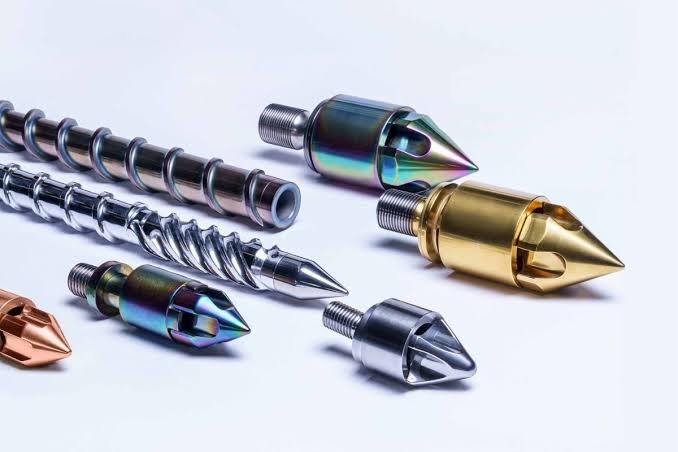
Industrial PVD Coating Service: Advanced Surface Engineering for High-Performance Manufacturing
Modern industrial environments demand materials and components that can withstand extreme wear, corrosion, heat, and continuous mechanical stress. From heavy machinery and precision tooling to automation systems and energy equipment, surface durability plays a critical role in operational efficiency and cost control. This is where industrial PVD coating service has become an essential technology for manufacturers worldwide.
Physical Vapor Deposition (PVD) is a vacuum-based surface engineering process that applies ultra-thin, highly durable coatings to metal and engineered materials. These coatings significantly improve hardness, wear resistance, corrosion protection, and chemical stability without affecting dimensional accuracy.
As industries continue to focus on efficiency, reliability, and sustainability, industrial PVD coating services are increasingly used to extend equipment lifespan and improve performance across demanding applications.
What Is Industrial PVD Coating Service?
An industrial PVD coating service refers to the application of advanced vacuum-deposited thin films on industrial components to enhance their functional properties.
The process involves:
- Cleaning and preparing the component surface
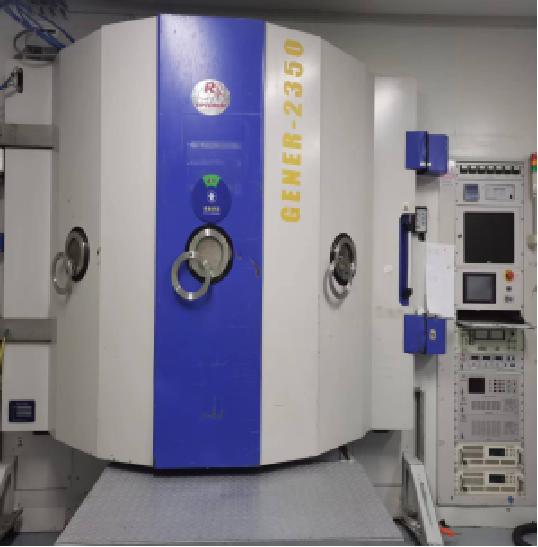
- Placing parts inside a vacuum chamber
- Vaporizing coating materials
- Depositing atoms onto the surface
- Forming a dense protective thin film
The resulting coating is tightly bonded to the substrate, offering superior durability compared to many conventional surface treatments.
Typical coating materials include:
- Titanium nitride (TiN)
- Chromium nitride (CrN)
- Titanium aluminum nitride (TiAlN)
- Zirconium nitride (ZrN)
- Hard metal oxide coatings
These materials are selected based on performance requirements such as wear resistance, corrosion protection, or thermal stability.
How Industrial PVD Coating Works
Surface Cleaning and Preparation
Proper preparation is essential for industrial-grade performance.
Processes typically include:
- Degreasing
- Ultrasonic cleaning
- Surface polishing
- Activation treatments
This ensures maximum coating adhesion and consistency.
Vacuum Deposition Process
Coating is performed inside a high-vacuum chamber to eliminate contamination.
Common deposition methods include:
- Magnetron sputtering
- Arc ion plating
- Electron beam evaporation
These techniques allow precise control over coating composition and thickness.
Thin Film Formation
Vaporized particles condense onto the component surface, forming a dense, uniform coating.
Key controlled parameters include:
- Temperature
- Pressure
- Deposition rate
- Ion energy
This ensures high-performance industrial coatings.
Why Industrial Applications Need PVD Coating
Wear and Abrasion Resistance
Industrial parts often face constant friction and mechanical stress.
PVD coatings help reduce:
- Surface wear
- Tool degradation
- Material fatigue
Corrosion Protection
Harsh industrial environments expose components to:
- Moisture
- Chemicals
- Salt
- Oxidation
PVD coatings provide a strong protective barrier.
Thermal and Chemical Stability
Many industrial applications require coatings that maintain performance under:
- High temperatures
- Chemical exposure
- Continuous operation
PVD coatings offer excellent stability under these conditions.
Key Benefits of Industrial PVD Coating Service
Extended Equipment Lifespan
Coated components last significantly longer under demanding conditions.
Reduced Maintenance Costs
Improved durability reduces downtime and replacement frequency.
Improved Surface Performance
PVD coatings enhance:
- Hardness
- Friction resistance
- Chemical resistance
Environmentally Friendly Process
Compared with traditional electroplating and chemical coating methods, PVD technology generally:
- Produces less waste
- Uses fewer hazardous chemicals
- Supports sustainable manufacturing
Common Industrial Applications
Machinery Components
Used in:
- Bearings
- Shafts
- Mechanical joints
- Precision assemblies
Cutting and Tooling Equipment
PVD coatings significantly improve tool life for:
- Milling tools
- Drills
- Dies
- Cutting inserts
Metal Parts and Assemblies
Industrial metal components benefit from improved durability and corrosion resistance.
In many cases, decorative and functional finishing technologies used in advanced manufacturing—such as Electrical Decorative Panel Coating—also share similar precision vacuum coating principles applied in industrial environments.
Automation Systems
Robotics and automation equipment require coatings that reduce wear and improve reliability.
Energy and Heavy Industry Equipment
Applications include:
- Power generation systems
- Oil and gas components
- Heavy machinery parts
Types of Industrial PVD Coatings
Industrial coatings are typically categorized into:
Hard Coatings
Designed for maximum wear resistance and durability.
Corrosion-Resistant Coatings
Used in chemically aggressive environments.
Thermal Barrier Coatings
Protect components exposed to high temperatures.
Low-Friction Coatings
Reduce wear and improve mechanical efficiency.
PVD Coating vs Traditional Industrial Coatings
| Feature | Industrial PVD Coating | Traditional Coatings |
|---|---|---|
| Wear Resistance | Excellent | Moderate |
| Adhesion Strength | High | Lower |
| Environmental Impact | Low | Higher |
| Coating Precision | Very High | Moderate |
| Lifespan | Long | Shorter |
Factors Affecting Coating Performance
Base Material
Different metals respond differently to coating processes.
Surface Preparation Quality
Poor preparation reduces adhesion and performance.
Coating Material Selection
Material choice determines:
- Hardness
- Friction behavior
- Corrosion resistance
Process Control
Critical variables include:
- Vacuum level
- Temperature stability
- Ion density
- Deposition rate
How to Choose an Industrial PVD Coating Partner
When selecting a supplier, consider:
Technical Capability
Experience in industrial-grade applications is essential.
Production Capacity
The supplier should support both prototype and mass production.
Quality Control Systems
Look for:
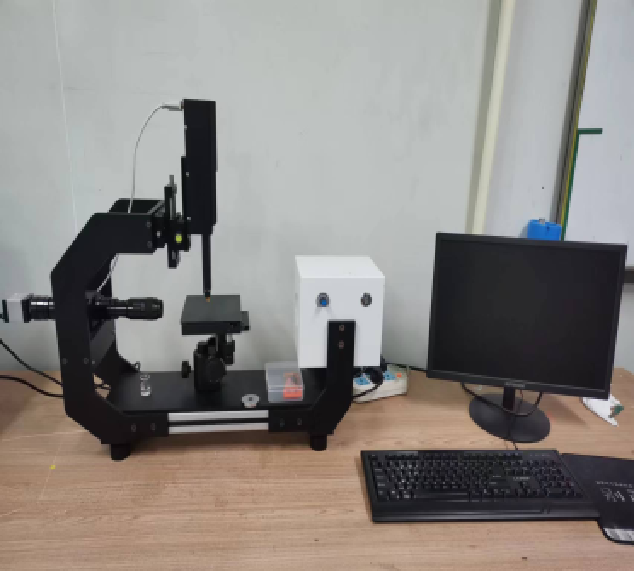
- Adhesion testing
- Thickness measurement
- Wear testing
- Corrosion testing
Engineering Support
Strong technical teams can optimize coatings for specific industrial needs.
Manufacturers seeking broader coating capabilities can also explore Vacuum Coating Solutions for electronics, industrial components, and precision surface engineering applications.
Future Trends in Industrial Surface Engineering
Advanced Wear-Resistant Coatings
Next-generation coatings will provide even higher hardness and durability.
Smart Functional Surfaces
Emerging technologies include:
- Self-lubricating coatings
- Anti-corrosion smart layers
- Sensor-integrated surfaces
Sustainable Manufacturing
Industries are shifting toward cleaner, low-emission coating processes.
High-Performance Multi-Layer Systems
Multi-layer coatings will further enhance durability and performance.
Frequently Asked Questions
What is industrial PVD coating service?
It is a vacuum coating process that applies durable thin films to industrial components to improve wear resistance, corrosion protection, and performance.
Where is industrial PVD coating used?
It is used in machinery, tooling, automotive systems, energy equipment, and automation industries.
Is PVD coating durable for industrial use?
Yes. It offers excellent hardness, wear resistance, and long-term stability.
Can PVD coatings reduce maintenance costs?
Yes. They extend component lifespan and reduce downtime.
Is industrial PVD coating environmentally friendly?
Compared with traditional coating methods, it is cleaner and produces less waste.
What materials can be coated?
Common materials include stainless steel, tool steel, aluminum, titanium, and alloys.
Can coatings be customized?
Yes. Coatings can be tailored for hardness, friction, corrosion resistance, and thermal performance.
How do I choose a supplier?
Evaluate technical expertise, production capacity, quality systems, and industrial experience.
Conclusion
Industrial PVD coating service plays a critical role in modern manufacturing by improving durability, performance, and reliability across a wide range of demanding applications. From heavy machinery and tooling to automation systems and energy equipment, PVD coatings help extend service life, reduce maintenance costs, and enhance operational efficiency.
As industries continue to evolve toward higher performance standards and more sustainable production methods, industrial PVD coating technology will remain a key solution for advanced surface engineering worldwide.