

How Scratch-Resistant Coatings Improve the Durability of Metal Components
In today’s manufacturing industry, metal components are expected to deliver more than structural strength. Whether used in consumer electronics, household appliances, or industrial equipment, metal surfaces must maintain their appearance and performance throughout their service life.
Scratches, abrasion, and daily wear can quickly reduce product quality, affecting both aesthetics and functionality. This is why scratch resistant coating for metal has become an important surface engineering solution for manufacturers seeking improved durability and product value.
Why Metal Surfaces Need Scratch-Resistant Coatings
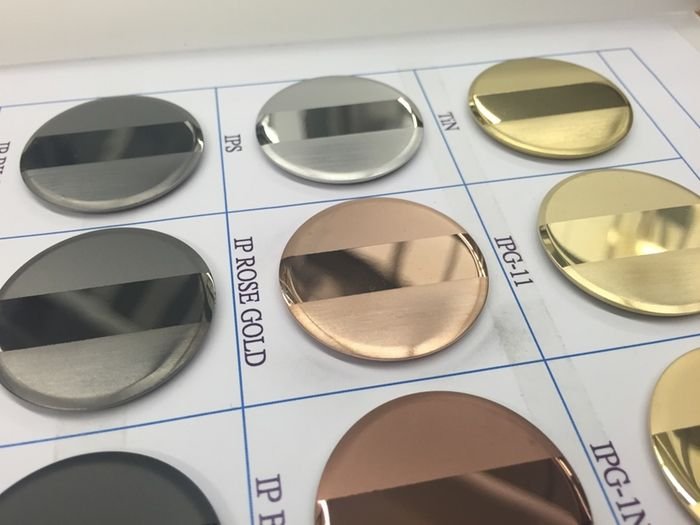
Even high-quality metals such as stainless steel, aluminum, and titanium are vulnerable to surface damage during manufacturing, transportation, assembly, and everyday use.
Repeated contact with hard objects, friction between components, and frequent handling can leave visible marks that reduce the perceived quality of a product. In industrial applications, surface wear may also shorten the service life of tools and precision parts.
A properly designed scratch-resistant coating creates a durable protective layer that helps preserve both appearance and performance without changing the dimensions of the component.
How Scratch-Resistant Coatings Work
Scratch-resistant coatings are engineered to increase surface hardness while maintaining strong adhesion to the base material. Depending on the application, advanced coating technologies such as PVD (Physical Vapor Deposition) can produce dense and uniform films with excellent wear resistance.
Unlike conventional paint or decorative finishes, functional coatings are designed to withstand repeated mechanical contact and provide long-term protection under demanding operating conditions.
The result is a surface that resists scratches, reduces wear, and maintains a consistent appearance over time.
Typical Applications
Scratch-resistant coatings are widely used across different industries where surface quality directly affects product performance or customer experience.
Common applications include:
- Smartphone frames and back panels
- Camera decorative rings
- Laptop and tablet housings
- Refrigerator and home appliance panels
- Precision metal components
- Industrial cutting tools
- Molds and mechanical parts
Each application requires a coating solution tailored to the material, operating environment, and performance requirements.
Key Benefits of Scratch-Resistant Coatings
Improved Product Appearance
A durable surface helps products maintain their original finish, even after prolonged use. This is especially important for consumer electronics and decorative metal components where appearance influences product value.
Enhanced Wear Resistance
Hard coatings reduce surface wear caused by friction, helping extend the service life of industrial components and mechanical tools.
Better Long-Term Reliability
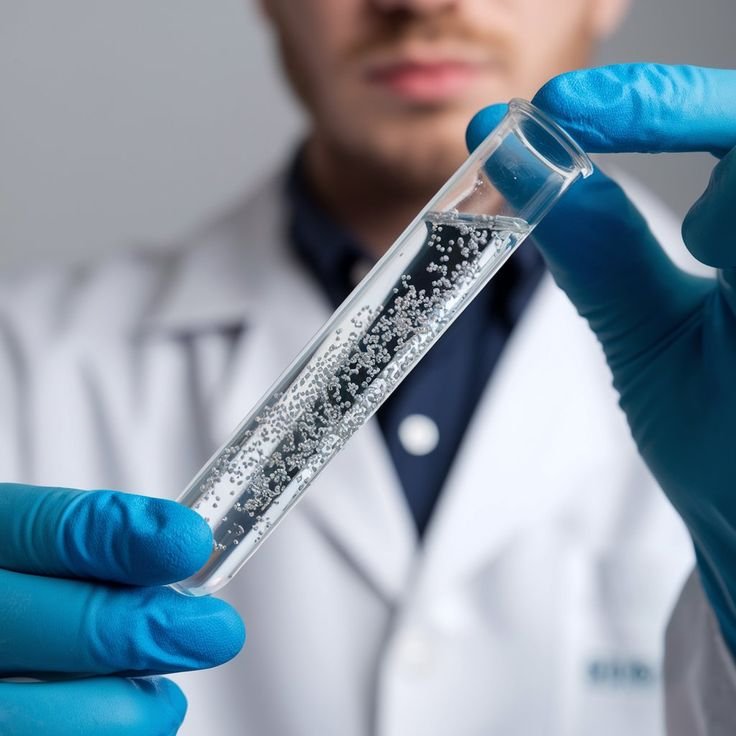
Protective coatings reduce the likelihood of premature surface damage, minimizing maintenance requirements and improving overall product reliability.
Greater Customer Satisfaction
Products that remain attractive and functional for longer periods contribute to a better user experience and stronger brand reputation.
Choosing the Right Coating Solution
Selecting an appropriate scratch-resistant coating depends on several factors, including:
- Base material
- Required hardness
- Surface finish
- Operating environment
- Appearance requirements
- Functional performance
Rather than applying the same coating to every component, manufacturers should evaluate the final application to determine the most suitable surface treatment.
Surface Coating Processing for Customer-Supplied Components
Many manufacturers already produce high-quality metal components but require specialized surface treatment to achieve the desired appearance or performance.
At SRNC, we focus exclusively on advanced surface coating processing for customer-supplied parts. Instead of manufacturing the components themselves, we apply customized coating solutions based on the material, application, and functional requirements of each project.
Our coating services support a wide range of industries, including consumer electronics, home appliances, precision metal components, and industrial tooling. By combining stable coating processes with strict quality control, we help customers improve scratch resistance, surface durability, and product consistency without altering the original component design.
Conclusion
As manufacturers continue to demand higher product quality and longer service life, scratch resistant coating for metal has become an essential part of modern surface engineering.
Whether the goal is protecting consumer electronics from daily wear or extending the life of industrial components, selecting the right coating process can significantly improve both performance and appearance.
Working with an experienced surface coating processing partner ensures that customer-supplied components receive a coating solution matched to their technical requirements and end-use applications.