

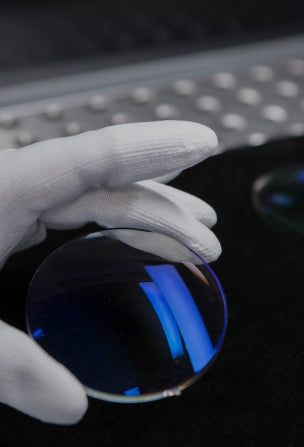
High Light Transmission: Engineering Optical Coatings for Maximum Light Throughput
Introduction
For cameras, optical sensors, lenses, and transparent electronic components, controlling how much light reaches the functional part of the system is essential.
This is why high light transmission is an important performance objective in optical coating technology.
When light reaches a glass or optical surface, not all of it necessarily passes through. Some light can be reflected, absorbed, or scattered. Even when these losses appear small, they can become important when multiple optical interfaces are involved.
A carefully engineered coating can help reduce unwanted optical losses and improve the amount of useful light transmitted through the component.
However, achieving high light transmission is not simply a matter of selecting a transparent coating material. It involves optical design, refractive-index control, film thickness, layer structure, substrate quality, surface preparation, deposition accuracy, and production consistency.
This article explains the principles behind high light transmission and how precision coating technology can help manufacturers optimize optical surfaces.
What Does High Light Transmission Mean?
High light transmission describes a condition in which a large proportion of incident light passes through an optical component.
In simplified terms:
Incident Light = Transmitted Light + Reflected Light + Absorbed Light + Scattered Light
The objective of a high-transmission optical surface is to maximize the useful transmitted portion while minimizing unwanted losses.
The actual transmission requirement depends on the application.
For example:
- A smartphone camera may require efficient transmission across a defined visible or infrared wavelength range.
- An optical sensor may require stable transmission at specific wavelengths.
- A display component may prioritize visible-light transmission and color consistency.
- An optical window may need broad spectral transmission combined with mechanical protection.
Therefore, “high light transmission” should always be specified in relation to wavelength, substrate, coating structure, and application.
Why Does Light Transmission Decrease at a Surface?
One of the main sources of optical loss is reflection.
Whenever light travels between materials with different refractive indices, a portion of the light can be reflected at the interface.
For example, an uncoated glass surface reflects some incident light rather than transmitting all of it.
If an optical system contains several surfaces, these reflection losses can accumulate.
Other possible causes of transmission loss include:
- Material absorption
- Surface contamination
- Scattering
- Surface roughness
- Coating defects
- Incorrect film thickness
- Non-uniform coating structure
A high-performance optical coating is designed to manage these effects as effectively as possible within the requirements of the application.
How Optical Coatings Improve Light Transmission
One common strategy is to control surface reflection using a thin-film coating.
The coating is engineered so that light reflected from different interfaces interacts in a controlled way.
Under appropriate conditions, destructive interference can reduce reflected light over a selected wavelength range.
This can increase the amount of light transmitted through the component.
A simplified concept is:
Incident Light → Optical Thin Film → Reduced Reflection → Increased Transmission
The effectiveness of this approach depends on several variables, including:
- Refractive index
- Film thickness
- Number of layers
- Wavelength
- Angle of incidence
- Substrate refractive index
- Deposition accuracy
This is why optical coating design is fundamentally different from simply applying a clear protective layer.
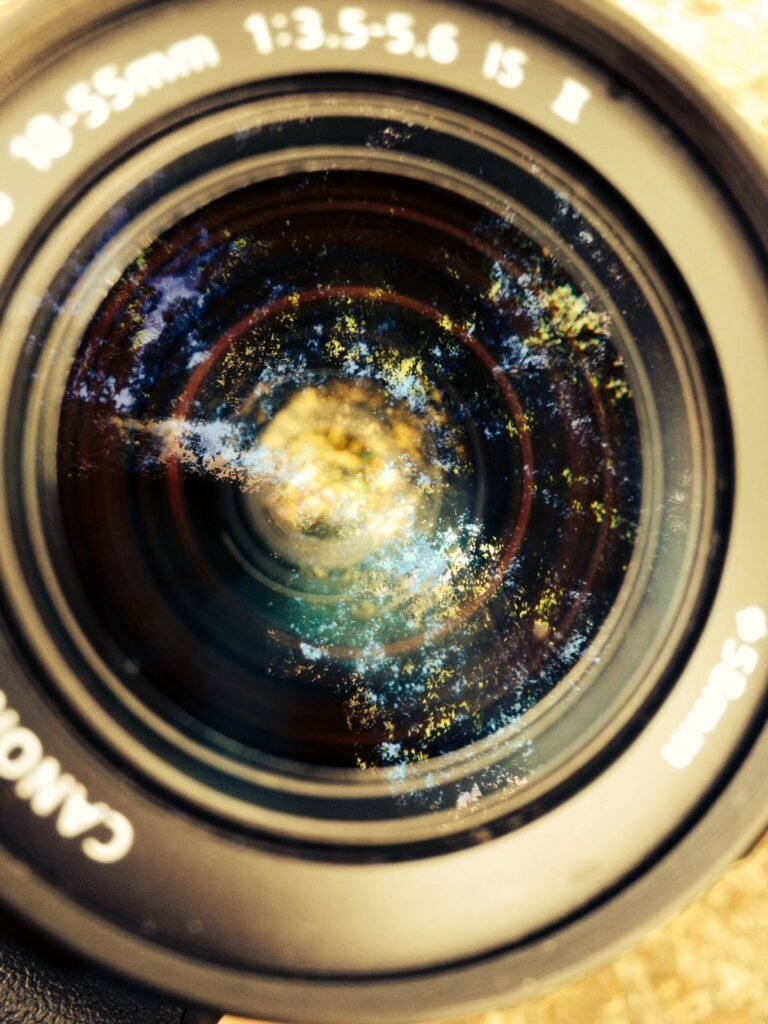
Refractive Index and High Light Transmission
Refractive index is one of the most important parameters in optical thin-film design.
The difference between the refractive index of the substrate and the surrounding environment affects how strongly light is reflected at the surface.
A coating with a carefully selected refractive index can modify this interaction.
For more advanced designs, coatings may use multiple materials with different refractive indices.
This creates a multilayer optical structure.
By controlling the thickness and refractive index of each layer, engineers can tailor the coating’s optical response.
The result can be optimized for a particular wavelength range rather than relying on a generic transparent material.
Why Film Thickness Matters
Film thickness is critical because thin-film interference depends directly on the physical thickness of the coating.
A small variation in thickness can change the phase relationship between reflected light waves.
As a result, thickness variation can affect:
- Transmission
- Reflection
- Color
- Spectral response
- Optical uniformity
For this reason, precision optical coatings require accurate deposition and monitoring.
A coating may be chemically transparent but still fail to provide the intended optical performance if its thickness is not controlled accurately.
Single-Layer vs. Multilayer Optical Coatings
Optical coatings can use different structures depending on the performance requirements.
Single-Layer Coatings
A single carefully selected layer can modify reflection at a specific wavelength or wavelength range.
This approach can be relatively simple, but its performance may be limited across broad spectral ranges or varying angles of incidence.
Multilayer Coatings
Multiple thin-film layers can provide more precise optical control.
Different layers may have different refractive indices and thicknesses.
This enables engineers to create more sophisticated transmission and reflection characteristics.
Multilayer structures are especially useful when the application requires:
- Broadband transmission
- Low reflection
- Specific spectral response
- Controlled color
- Different behavior across wavelengths
The appropriate architecture depends on the optical requirements of the final component.
High Light Transmission for Camera Components
Camera systems are a major application where high light transmission matters.
A camera receives light through a series of optical interfaces before it reaches the image sensor.
These may include:
- Cover glass
- Lens surfaces
- Filters
- Protective windows
- Other optical elements
Every interface can introduce reflection or other optical losses.
Coatings can therefore be designed to help maintain efficient transmission through the optical path.
For smartphone cameras, additional requirements may include:
- Scratch resistance
- Anti-reflective performance
- Fingerprint resistance
- Chemical resistance
- Environmental durability
- Optical uniformity
This means a camera coating needs to balance optical performance with practical surface protection.
SRNC’s Functional Coating for Cell Phone Camera is relevant to this type of advanced optical surface application.
High Light Transmission and Wavelength
One of the most important considerations is the wavelength range.
Light transmission is not necessarily constant across the entire electromagnetic spectrum.
A coating can be highly effective in one wavelength range while providing different performance elsewhere.
Visible Light
Visible-light transmission is important for many consumer electronic and optical applications.
Near-Infrared
Some cameras and sensors also operate in near-infrared wavelengths.
Broadband Transmission
Other optical systems require stable transmission across a wider wavelength range.
Therefore, a coating specification should identify the relevant spectral range rather than simply stating “high transmission.”
This allows the coating structure to be designed around the actual optical requirement.
Angle of Incidence Also Matters
Light does not always strike an optical surface at exactly the same angle.
Changes in angle of incidence can influence thin-film interference and therefore affect reflection and transmission.
This can be particularly relevant for:
- Camera lenses
- Curved optical surfaces
- Wide-angle optical systems
- Large optical windows
- Complex optical assemblies
An optical coating should therefore be evaluated under conditions that reflect the actual application.
A coating optimized for normal incidence may not produce identical performance at significantly different angles.
Substrate Quality Affects Light Transmission
The coating is only one part of the optical system.
The substrate itself also influences transmission.
Important factors can include:
- Material absorption
- Refractive index
- Surface roughness
- Internal defects
- Flatness
- Cleanliness
- Surface contamination
Glass, quartz, sapphire, and other optical materials can have different optical characteristics.
A coating design must therefore be compatible with the substrate rather than being developed independently.
Surface Roughness and Scattering
Reflection is not the only source of optical loss.
Surface roughness can also cause scattering.
Scattered light can reduce optical clarity and contribute to haze.
Potential sources include:
- Rough substrate surfaces
- Particles
- Coating defects
- Non-uniform film growth
- Surface contamination
For high light transmission applications, maintaining a clean and appropriately smooth optical surface is therefore essential.
This is one reason substrate cleaning and preparation receive significant attention during optical coating production.
Vacuum Deposition for Precision Optical Coatings
Vacuum deposition technologies can provide the controlled environment required for precision thin-film manufacturing.
Technologies such as sputtering and evaporation allow coating materials to be deposited under controlled vacuum conditions.
A simplified manufacturing sequence may include:
Inspection → Cleaning → Surface Preparation → Vacuum Loading → Deposition → Film Monitoring → Unloading → Optical Inspection
During deposition, process parameters may include:
- Vacuum pressure
- Deposition rate
- Gas flow
- Substrate temperature
- Material composition
- Film thickness
- Layer sequence
Precise process control helps maintain coating uniformity across production batches.
Film Uniformity Across the Optical Surface
High light transmission needs to be consistent across the functional area of the component.
A coating with strong performance at the center but significant variation near the edge may not meet the requirements of a precision optical application.
Non-uniformity can lead to variations in:
- Transmission
- Reflection
- Color
- Spectral response
- Image quality
Equipment design and component positioning can therefore be important in production.
For mass manufacturing, suppliers need to demonstrate that optical performance can be reproduced consistently rather than achieved only on individual samples.
Combining High Transmission With Surface Durability
Optical coatings often face a difficult engineering trade-off.
The surface may need to transmit light efficiently while also resisting physical and chemical damage.
Potential durability requirements include:
- Scratch resistance
- Abrasion resistance
- Chemical resistance
- Moisture resistance
- Fingerprint resistance
- Cleaning resistance
Adding a protective layer can change the optical characteristics of the surface.
Therefore, the coating architecture should be developed as an integrated system.
For applications where surface protection is especially important, SRNC’s Sapphire Super Hard Coating provides an example of advanced surface protection technology.
High Light Transmission vs. Transparency
These terms are closely related but should not be treated as identical.
Transparency generally describes how clear a material appears and how effectively it allows light to pass through.
Light transmission is a measurable optical property describing the proportion of incident light transmitted through a material or optical system under defined conditions.
A component can look visually transparent but still have measurable reflection or absorption losses.
For technical applications, manufacturers should therefore define measurable optical specifications rather than relying solely on visual appearance.
Testing High Light Transmission
Optical coatings should be evaluated using appropriate measurement methods.
Potential tests include:
Total Transmission
Measures the amount of light passing through the component.
Spectral Transmission
Measures transmission across a range of wavelengths.
Reflection
Determines how much incident light is reflected from the surface.
Haze
Evaluates scattered light that can reduce optical clarity.
Film Thickness
Confirms the physical consistency of the deposited film.
Surface Inspection
Identifies particles, defects, pinholes, and other surface imperfections.
Environmental Reliability
Evaluates whether optical performance remains stable after temperature, humidity, or other environmental exposure.
The exact testing program should reflect the component’s intended application.
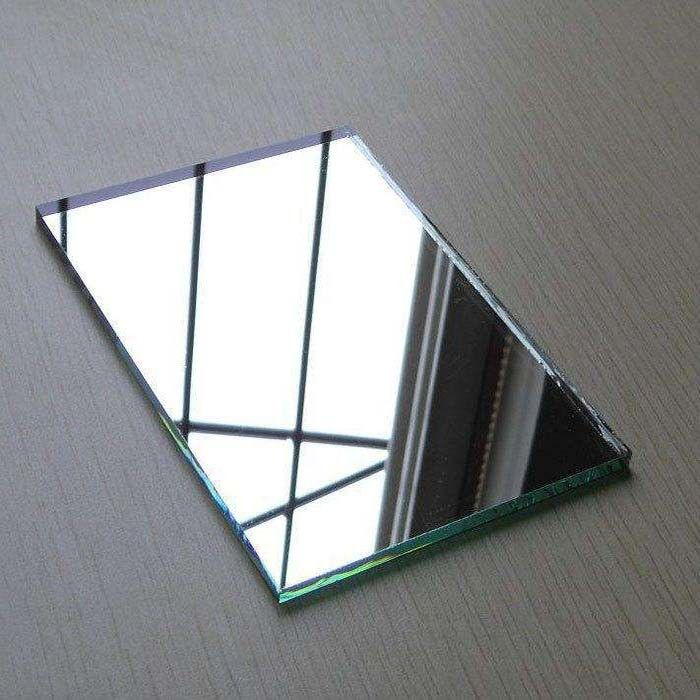
High Light Transmission in Smartphone Cameras
Smartphone camera modules illustrate the complexity of modern optical coating requirements.
A camera component may need to combine:
High Light Transmission + Low Reflection + Surface Protection + Durability + Optical Uniformity
At the same time, the coating must be compatible with the geometry and manufacturing process of the component.
The optical coating should not be evaluated separately from the entire camera assembly.
Instead, manufacturers should consider how the coated surface interacts with:
- Cover glass
- Optical filters
- Lens elements
- Image sensors
- Housing components
- Environmental conditions
This system-level approach is important when developing production-ready camera coatings.
How to Select a High Light Transmission Coating Supplier
Manufacturers evaluating optical coating suppliers should consider several technical factors.
1. Optical Design Capability
Can the supplier design coatings around the required wavelength range and transmission target?
2. Deposition Technology
What vacuum coating or thin-film deposition technologies are available?
3. Thickness Control
How is film thickness monitored and maintained during production?
4. Substrate Compatibility
Can the supplier process the actual glass, ceramic, sapphire, or other material used in the component?
5. Surface Preparation
What cleaning and pre-treatment capabilities are available?
6. Testing
Can the supplier verify transmission, reflection, adhesion, durability, and environmental performance?
7. Production Consistency
Can the same optical characteristics be maintained across large production volumes?
These questions help distinguish a supplier with genuine optical coating capability from one that only offers general decorative surface treatment.
From Optical Prototype to Mass Production
High light transmission coatings often require several stages of engineering validation.
A typical development path is:
Optical Specification → Material Selection → Coating Design → Sample Preparation → Optical Measurement → Reliability Testing → Pilot Production → Process Qualification → Mass Production
At each stage, engineers can evaluate whether the coating maintains:
- Transmission
- Reflection characteristics
- Film uniformity
- Adhesion
- Surface quality
- Durability
This process helps reduce the risk of performance differences between prototype samples and production parts.
Conclusion
High light transmission is a key requirement in precision optical coating, particularly for cameras, lenses, optical windows, sensors, and transparent electronic components.
Achieving high transmission requires more than selecting a clear coating material. Reflection, absorption, scattering, substrate characteristics, refractive index, film thickness, multilayer structure, and surface quality all influence the final optical result.
Precision thin-film technologies such as vacuum deposition can provide the control required to engineer these properties. At the same time, the coating must remain compatible with the mechanical and environmental requirements of the finished component.
For advanced camera and electronic applications, the ideal coating is therefore not simply the most transparent coating. It is a carefully engineered surface system that provides high light transmission, controlled reflection, reliable adhesion, optical uniformity, and appropriate durability.
For manufacturers developing high-performance optical components, integrating optical design with coating process control is essential for achieving consistent results from prototype development through mass production.
Related SRNC resources: