

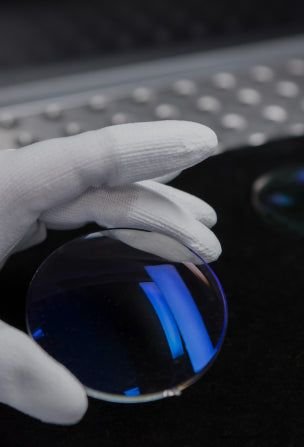
Hard Coating for Camera Lens: Enhancing Durability Without Compromising Image Quality
Modern camera systems rely on precision optics to capture sharp, high-resolution images. Whether used in smartphones, automotive vision systems, security cameras, or industrial equipment, camera lenses are constantly exposed to scratches, dust, fingerprints, and daily wear. Hard coating for camera lens is designed to protect these sensitive optical components while maintaining excellent optical performance.
Advanced vacuum coating technology creates an ultra-thin protective film that significantly improves surface hardness without affecting light transmission or image clarity. As camera modules become more compact and sophisticated, hard coatings play an increasingly important role in extending product lifespan and ensuring consistent imaging performance.
What Is Hard Coating for Camera Lens?
Hard coating for camera lens is a transparent thin-film coating applied to the surface of camera lenses or protective cover glass. It increases resistance to scratches, abrasion, and environmental exposure while preserving the optical properties required for high-quality imaging.
Typical coated components include:
- Smartphone camera cover glass
- Camera lenses
- Protective optical windows
- Security camera lenses
- Automotive camera modules
- Industrial vision optics
The coating is deposited at the nanometer scale, ensuring excellent protection without altering the lens profile or optical accuracy.
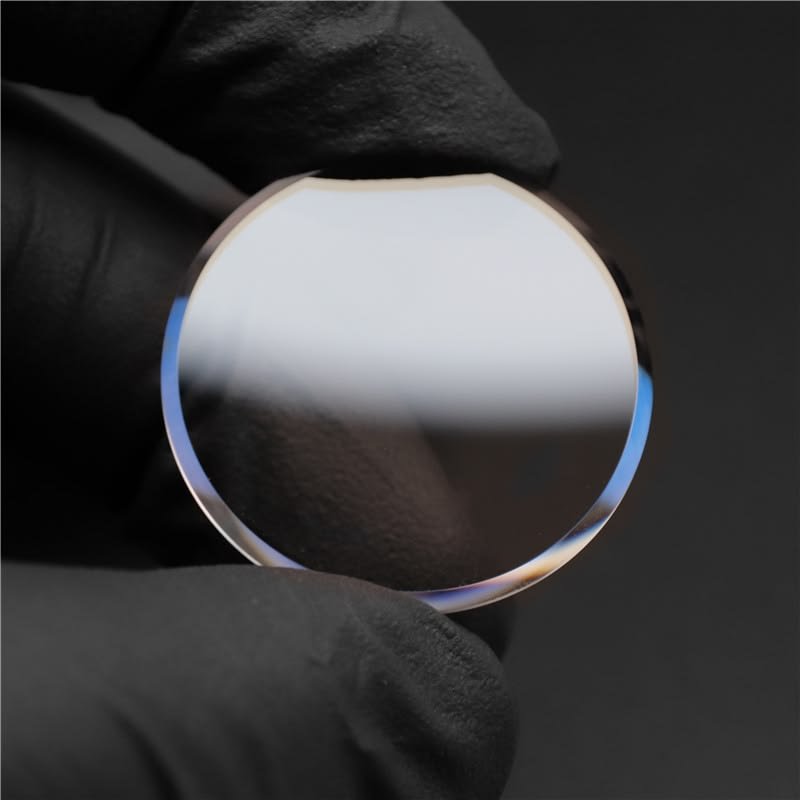
Benefits of Hard Coating for Camera Lens
Outstanding Scratch Resistance
Camera lenses are vulnerable to scratches caused by dust, sand, cleaning cloths, and everyday handling. A hard coating creates a durable surface that minimizes damage and helps preserve image quality.
Superior Wear Resistance
Frequent use and environmental exposure can gradually degrade untreated optical surfaces. Hard coatings improve abrasion resistance, allowing lenses to maintain their appearance and performance over extended periods.
Excellent Optical Transparency
High-quality hard coatings are engineered to maintain outstanding visible light transmission, ensuring accurate color reproduction and sharp image resolution.
Long-Term Environmental Protection
Hard-coated camera lenses provide enhanced resistance against:
- Dust and airborne particles
- Surface abrasion
- Moisture and humidity
- Temperature fluctuations
- Routine cleaning
This added protection supports reliable operation in both consumer and industrial environments.
Advanced Vacuum Coating Technology
Precision Thin-Film Deposition
Modern hard coatings are manufactured using advanced vacuum coating technologies such as:
- Magnetron sputtering
- Plasma-assisted deposition
- Multi-layer thin-film coating
These processes provide:
- Uniform coating thickness
- Excellent adhesion
- Stable optical performance
- High production consistency
Nanometer-Level Process Control
Vacuum deposition enables precise thickness control, allowing manufacturers to optimize durability while maintaining exceptional optical performance.
Applications Across Multiple Industries
Smartphone Camera Modules
Smartphone cameras are among the most demanding applications for optical protection. Camera cover glass must resist scratches without reducing image quality. Sapphire Super Hard Coating provides exceptional surface hardness and wear resistance, helping protect camera lenses while maintaining excellent optical transparency for premium mobile devices.
Consumer Electronics
Hard-coated camera lenses are widely used in:
- Smartphones
- Tablets
- Smartwatches
- Action cameras
- Wearable devices
Automotive Vision Systems
ADAS cameras, surround-view systems, and autonomous driving sensors require durable optical surfaces capable of withstanding harsh weather and road conditions.
Security and Surveillance Cameras
Outdoor cameras operate continuously in demanding environments. Hard coatings help protect lens surfaces from abrasion, dust, and environmental exposure while maintaining reliable image quality.
Industrial and Medical Imaging
Machine vision equipment, inspection systems, microscopes, and medical imaging devices rely on durable optical coatings to ensure consistent performance and extended service life.
Integrated Optical Coating Solutions
Modern camera modules often require several functional coatings working together to maximize optical performance.
For applications requiring enhanced light transmission and reduced reflections, Functional Coating for Cell Phone Camera complements hard coatings by improving optical efficiency while preserving image quality.
Manufacturers seeking complete vacuum coating solutions can integrate protective, optical, and decorative coatings into a unified production process, improving manufacturing efficiency and product consistency.
Choosing the Right Hard Coating Supplier
Optical Engineering Expertise
An experienced supplier should have capabilities in:
- Optical thin-film coating
- Precision vacuum deposition
- Camera module manufacturing
- Surface engineering
Advanced Manufacturing Capability
Professional coating providers typically offer:
- Automated vacuum coating systems
- High-volume production
- Customized coating development
- Strict process monitoring
- Stable product quality
Comprehensive Quality Testing
Reliable quality control includes:
- Scratch resistance testing
- Abrasion resistance evaluation
- Adhesion testing
- Optical transmission measurement
- Environmental durability testing
- Surface defect inspection
Future Trends in Hard Coating for Camera Lens
As imaging technology continues to advance, hard coating solutions are evolving toward:
- Higher surface hardness
- Improved anti-fingerprint performance
- Better optical transmission
- Multi-functional protective coatings
- Ultra-thin high-performance films
- Sustainable vacuum coating processes
These innovations support the next generation of smartphone cameras, automotive imaging systems, and precision optical devices.
Industry Resources
For additional information about optical coating technologies and thin-film engineering, visit:
These organizations provide valuable technical resources covering optics, photonics, and advanced coating technologies.
Frequently Asked Questions
What is hard coating for camera lens?
Hard coating for camera lens is a transparent protective thin film that increases scratch resistance, wear resistance, and surface durability while maintaining excellent optical clarity.
Why is hard coating important for camera lenses?
It protects precision optical surfaces from scratches, abrasion, and environmental damage, helping preserve image quality and extend product lifespan.
Which camera products benefit from hard coatings?
Smartphone cameras, automotive cameras, surveillance systems, industrial vision equipment, action cameras, and medical imaging devices all benefit from hard-coated lenses.
Does hard coating reduce image quality?
No. Properly engineered hard coatings maintain high light transmission and optical clarity while providing superior surface protection.
How is hard coating applied to camera lenses?
Hard coatings are deposited using advanced vacuum technologies such as magnetron sputtering and plasma-assisted thin-film deposition, ensuring uniform coverage and excellent adhesion.
Conclusion
As camera systems continue to deliver higher resolutions and more advanced imaging capabilities, hard coating for camera lens has become an essential technology for protecting optical components without compromising performance. By improving scratch resistance, enhancing wear durability, and maintaining exceptional optical transparency, hard coatings help manufacturers deliver reliable imaging solutions for demanding applications.
With Sapphire Super Hard Coating, manufacturers can enhance the durability of camera lenses and protective cover glass used in smartphones, automotive cameras, industrial vision systems, and medical optics. Combined with Functional Coating for Cell Phone Camera and comprehensive vacuum coating solutions, these advanced coating technologies provide complete optical protection and long-term performance for modern imaging devices.