

Glass Coating Solutions for Enhanced Protection, Optical Performance, and Surface Functionality
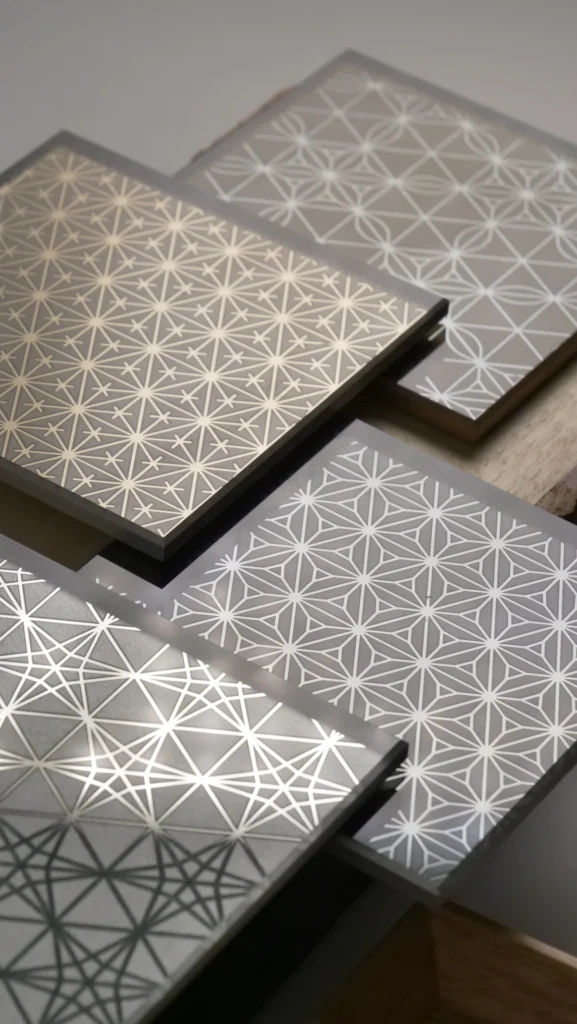
Glass has become an essential material in many advanced products, including electronic devices, optical systems, display technologies, and precision equipment. Its transparency, smooth surface, and excellent appearance make it ideal for applications where both performance and design are important.
However, untreated glass surfaces may face challenges such as scratches, fingerprints, reflection, and environmental exposure. To overcome these limitations, manufacturers increasingly rely on advanced glass coating technologies to enhance surface performance while maintaining the original properties of the glass.
Through precision coating processes, glass components can achieve improved durability, optical characteristics, and functional performance without changing their original structure.
What Is Glass Coating?
Glass coating is a specialized surface treatment process that applies a thin functional layer onto a glass substrate.
The coating layer is designed to modify specific surface characteristics according to the requirements of the final application.
Depending on the coating technology and material selection, glass coatings can provide:
- Improved scratch resistance
- Reduced surface reflection
- Better light transmission
- Anti-fingerprint properties
- Enhanced durability
- Decorative appearance
- Environmental protection
Because coating thickness is extremely small, manufacturers can improve glass performance while maintaining dimensional accuracy and transparency.
Why Glass Components Need Coating
Although glass provides excellent optical clarity and aesthetic value, many applications require additional surface functions.
Glass components are often exposed to:
- Frequent handling
- Mechanical contact
- Dust and contamination
- Cleaning processes
- Environmental conditions
Without proper surface treatment, glass may experience:
- Surface scratches
- Fingerprint contamination
- Reduced optical performance
- Lower product appearance quality
Advanced glass coating provides an effective way to enhance these characteristics.
Common Applications of Glass Coating
Optical Glass Components
Optical systems require precise control of light behavior.
Glass coatings are commonly used to improve:
- Light transmission
- Reflection control
- Image clarity
- Optical stability
Applications include:
- Camera components
- Optical lenses
- Imaging systems
- Precision optical devices
Electronic Glass Components
Modern electronic products use glass in many visible and functional areas.
Applications include:
- Smartphone cover glass
- Display panels
- Touchscreen components
- Smart devices
Coatings help provide:
- Anti-fingerprint performance
- Surface protection
- Better user experience
Display and Touch Applications
Display glass requires both optical quality and surface durability.
Functional coatings can improve:
- Visibility
- Reflection reduction
- Surface cleanliness
- Wear resistance
Decorative Glass Components
Glass coating can also create customized visual effects for premium products.
Applications include:
- Electronic decorative panels
- Consumer product components
- Design-focused glass parts
Benefits of Glass Coating
Improved Surface Durability
Protective coatings help glass components resist scratches and daily wear.
This is especially important for products requiring long-term appearance retention.
Enhanced Optical Performance
Optical coatings help control light reflection and transmission, improving performance in imaging and display applications.
Better Surface Cleanliness
Functional coatings can reduce fingerprints and contamination, making glass surfaces easier to maintain.
Design Flexibility
Glass coatings allow manufacturers to achieve different visual effects while preserving the original characteristics of the glass substrate.
Types of Glass Coating Solutions
Anti-Reflective Glass Coating
Designed to reduce unwanted reflection and improve light efficiency.
Common applications:
- Optical glass
- Camera components
- Display-related glass
Anti-Fingerprint Glass Coating
Used to improve surface cleanliness and user experience.
Common applications:
- Touchscreens
- Smart devices
- Electronic glass panels
Protective Glass Coating
Provides additional resistance against scratches and surface damage.
Common applications:
- Electronic covers
- Precision glass components
Decorative Glass Coating
Used to create customized appearances and premium surface finishes.
Selecting the Right Glass Coating Solution
The correct coating depends on several technical requirements:
- Glass material
- Application environment
- Optical requirements
- Surface durability expectations
- Production specifications
- Final product function
A successful coating solution requires understanding both the glass substrate and the intended application.
Glass Coating Processing for Customer-Supplied Components
Many manufacturers produce their own glass components but require specialized coating processing before final assembly.
At SRNC, we specialize in advanced surface coating processing for customer-supplied components.
We do not manufacture glass products. Instead, customers provide their own glass or precision components, and SRNC applies customized coating solutions designed to improve surface durability, optical performance, appearance, and functional characteristics.
Our coating processing capabilities support applications including:
- Optical glass components
- Electronic glass parts
- Display-related components
- Consumer electronics surfaces
- Precision glass applications
By focusing on coating technology, SRNC helps customers achieve consistent surface performance while maintaining the original design and dimensional requirements of their components.
Future Trends in Glass Coating Technology
As industries continue to demand smarter and more durable products, glass coatings are becoming increasingly multifunctional.
Future glass coating technologies will combine:
- Optical enhancement
- Scratch resistance
- Anti-fingerprint performance
- Easy-clean properties
- Decorative effects
- Environmental durability
These developments will support innovation across electronics, optics, automotive technology, and precision manufacturing.
Conclusion
Glass coating is an important surface engineering technology that improves the durability, optical performance, and functionality of glass components used across modern industries.
By applying advanced coating processes to customer-supplied glass parts, manufacturers can achieve improved performance while maintaining precision, transparency, and design requirements.
For companies requiring professional glass coating processing services, SRNC provides customized coating solutions based on specific material requirements and application goals.