

Glass Coating: Advanced Surface Treatment for Durable and Functional Glass
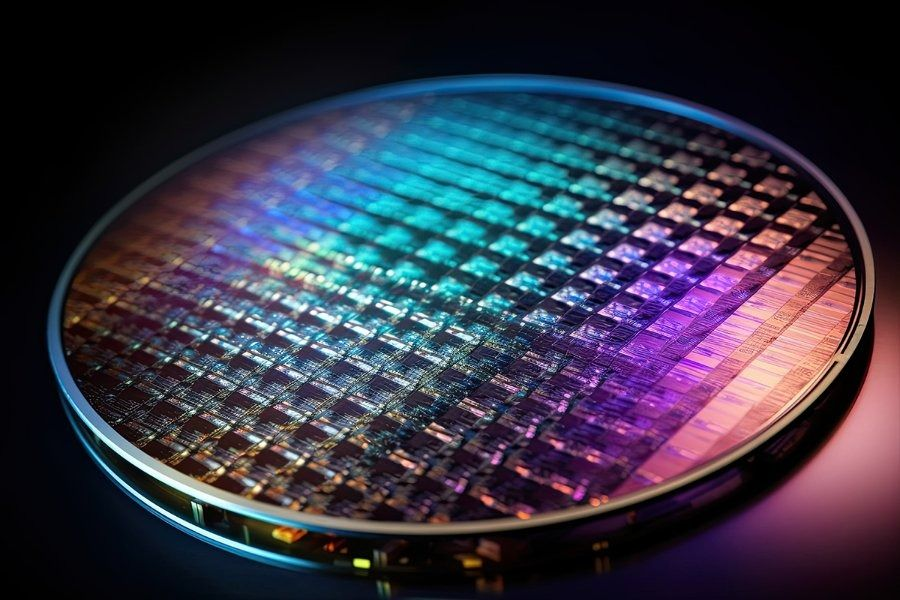
Glass has become an essential material in modern electronics, optical systems, appliances, and precision components. Its transparency, dimensional stability, surface quality, and aesthetic characteristics make it suitable for applications ranging from smartphone components to optical windows and decorative panels.
However, the surface of glass may need additional functionality depending on the application.
Manufacturers may require improved resistance to scratching and abrasion, specific optical behavior, enhanced chemical durability, or a controlled decorative appearance. In these situations, glass coating technology can transform a conventional glass surface into an engineered functional interface.
Rather than modifying the entire glass substrate, a thin coating can be deposited onto the surface to introduce selected properties.
This makes surface coating an important tool for manufacturers looking to combine the inherent characteristics of glass with additional performance requirements.
What Is Glass Coating?
Glass coating refers broadly to the application of a thin functional or decorative layer onto a glass substrate.
The purpose of the coating depends on the final product.
A coating may be designed to provide:
- Scratch resistance
- Abrasion resistance
- Surface hardness
- Chemical resistance
- Environmental protection
- Optical control
- Decorative effects
- Specific surface characteristics
- Improved long-term appearance
Different coating materials and deposition technologies can be selected according to the required performance.
For high-performance components, the coating should be considered as part of the complete surface system rather than as an independent layer.
The glass substrate, surface preparation, coating structure, deposition conditions, and final testing all influence the result.
Glass Coating for Functional Performance
One of the major advantages of coating glass is the ability to add functionality without changing the basic properties of the substrate.
For example, a glass component may already provide the required transparency and dimensional stability but lack sufficient resistance to repeated mechanical contact.
A suitable coating can provide an additional protective surface.
In other applications, the glass may need a specific optical or decorative effect. The coating can then become part of the product’s functional or visual design.
This flexibility makes glass coating useful across multiple industries and product categories.
Main Types of Glass Coating Requirements
Although coating technologies vary, glass surface treatment can generally be developed around several major objectives.
Protective Glass Coating
Protective coatings are used when the primary objective is to improve resistance to scratches, abrasion, chemicals, or environmental exposure.
Optical Glass Coating
Optical coatings are designed around the interaction between light and the glass surface. Transmission, reflection, haze, color, and other optical properties may need to be controlled.
Decorative Glass Coating
Decorative coatings can create controlled colors, gloss levels, metallic effects, or other visual characteristics.
Functional Surface Coating
Some applications require specific surface behavior in addition to mechanical protection, depending on the product design.
The boundaries between these categories can overlap. A modern electronic component may require a coating that is simultaneously protective, optical, and decorative.
Scratch and Abrasion Resistance
Glass surfaces used in consumer products can encounter frequent mechanical contact.
During manufacturing and assembly, glass may contact fixtures, packaging, tools, and other components. During use, it may be repeatedly touched or cleaned.
A suitable hard coating can provide an additional surface layer engineered to reduce the likelihood of mechanical damage.
However, practical scratch resistance depends on several variables:
- Coating hardness
- Coating thickness
- Adhesion
- Glass surface condition
- Surface roughness
- Contact pressure
- Counterface material
- Repeated contact
- Contamination
This means a coating should be tested under conditions that represent the actual product environment.
For advanced applications, scratch resistance and abrasion resistance should be evaluated separately because repeated wear can produce different failure mechanisms from a single scratching event.
Adhesion Between Coating and Glass
Glass provides a stable substrate, but reliable coating performance still depends heavily on the interface.
A coating with insufficient adhesion can crack, peel, or delaminate when exposed to mechanical or environmental stresses.
Surface preparation is therefore a critical part of the glass coating process.
Before deposition, manufacturers may need to control:
- Surface cleanliness
- Organic contamination
- Particulate contamination
- Surface condition
- Substrate handling
- Vacuum environment
A clean and properly prepared surface helps establish a stable interface between the glass and deposited film.
For mass production, surface preparation must also be repeatable because variations in cleaning can translate into variations in coating performance.
Vacuum Deposition for Glass Coating
Vacuum deposition is an important technology for precision glass surface treatment.
Processes such as magnetron sputtering and electron-beam evaporation can be used to deposit controlled thin films onto suitable glass substrates.
The process can be engineered around parameters such as:
- Vacuum conditions
- Deposition rate
- Film thickness
- Substrate temperature
- Substrate positioning
- Substrate movement
- Layer sequence
- Surface preparation
One of the major benefits of vacuum deposition is the ability to create thin and controlled coating structures.
This is particularly useful when the final component requires both functional performance and a consistent visual or optical result.
Multilayer Glass Coating Technology
Modern glass coating systems can use multiple layers instead of a single deposited film.
Each layer can contribute a different function.
A multilayer architecture may be designed to combine:
Adhesion support + hardness + wear protection + optical control + environmental stability
This approach allows engineers to optimize the complete system rather than forcing one material to provide every required property.
For example, a coating may require a strong interface with the glass, a hard protective layer above it, and additional functional layers that influence the final surface behavior.
The exact architecture depends on the application and performance specifications.
Optical Considerations in Glass Coating
When glass is used for optical applications, coating development becomes more demanding.
A deposited film changes the optical interface between air and glass. Its material properties and thickness can influence how light is transmitted or reflected.
Important parameters may include:
- Film thickness
- Refractive properties
- Layer structure
- Surface uniformity
- Optical transmission
- Reflection
- Haze
- Color characteristics
For this reason, optical glass coating should be developed with optical specifications from the beginning.
A coating that provides excellent mechanical protection but produces unacceptable optical changes may not be suitable for the final component.
The goal is to balance optical performance with mechanical and environmental durability.
Decorative Glass Coating for Consumer Electronics
Glass is increasingly used as a design element in consumer electronics.
Smartphone components, electronic panels, appliance surfaces, and other products may use glass because it provides a clean and premium visual appearance.
However, manufacturers often need more than natural glass.
A coating can be used to create controlled:
- Color
- Gloss
- Reflectivity
- Metallic appearance
- Surface texture
- Visual depth
The coating must remain consistent across the production area so that different components do not show noticeable differences in appearance.
When surface texture is also part of the product design, coating technology can be combined with texture engineering.
SRNC offers Texture Coating for Cell Phone Back Panel for applications where surface appearance and texture are important.
Glass Coating for Consumer Electronics
Consumer electronics place particularly demanding requirements on glass surfaces.
A smartphone or other portable device may be exposed to repeated handling, cleaning, dust, moisture, chemicals, and accidental contact.
As a result, manufacturers may require glass surfaces that combine:
Durability + appearance + functionality + production consistency
Depending on the component, the coating may need to support mechanical protection, optical performance, decorative appearance, or surface functionality.
Camera-related components present an additional challenge because surface treatment must be compatible with optical performance.
SRNC’s Functional Coating for Cell Phone Camera provides a relevant solution for smartphone camera coating applications.
Chemical and Environmental Resistance
Glass itself offers useful chemical stability, but the complete coated surface needs to be evaluated according to the actual application.
The coating and interface can be exposed to:
- Water
- Humidity
- Cleaning agents
- Oils
- Perspiration
- Cosmetics
- Salt
- Temperature variation
Depending on the coating structure, environmental exposure can influence adhesion, appearance, or surface functionality.
Environmental testing is therefore important when a coated glass component will be used in demanding conditions.
Potential evaluation methods include humidity testing, salt spray testing, chemical exposure, and temperature-related testing.
Glass Coating and Surface Appearance
Appearance consistency is a major production consideration for coated glass.
Small variations in film thickness can sometimes affect color, reflectivity, gloss, or other visual characteristics.
For decorative applications, coating uniformity must therefore be controlled across the complete component.
Factors that can influence appearance include:
- Film thickness
- Deposition uniformity
- Substrate position
- Surface cleanliness
- Coating architecture
- Deposition parameters
- Component geometry
This makes equipment configuration and process control important parts of the coating solution.
Testing Glass Coating Performance
A complete glass coating evaluation should address the requirements that matter to the final product.
Hardness Testing
Used to evaluate resistance to surface deformation.
Scratch Testing
Used to assess resistance to localized mechanical damage.
Abrasion Testing
Used to evaluate durability under repeated rubbing or contact.
Adhesion Testing
Used to determine whether the coating remains securely bonded to the glass substrate.
Chemical Resistance Testing
Used to assess behavior after exposure to specified chemicals or cleaning agents.
Environmental Testing
Humidity, salt spray, temperature, and other environmental tests can be used according to application requirements.
Optical Testing
For optical glass, measurements such as transmission, reflection, haze, or color may be required.
Testing should be designed around the actual service conditions rather than relying on a generic coating specification.
Glass Coating for High-Volume Manufacturing
A laboratory coating process is only the beginning.
For OEM production, the coating must be stable enough to deliver consistent results across large quantities.
Production control may involve:
- Incoming substrate inspection
- Controlled cleaning
- Fixture and loading control
- Vacuum deposition
- Process inspection
- Performance testing
- Packaging
- Final quality inspection
Each stage can influence the final coating quality.
Batch-to-batch consistency is particularly important for consumer electronics, where appearance and functional specifications can be tightly controlled.
From Prototype to Mass Production
A structured development process helps manufacturers reduce production risks.
1. Define the Glass Application
Establish the substrate, geometry, appearance, mechanical requirements, optical requirements, and environmental conditions.
2. Analyze the Surface
Evaluate cleanliness, roughness, geometry, and other characteristics that may influence coating adhesion.
3. Select the Coating Architecture
Determine whether the application requires a protective, optical, decorative, or multifunctional structure.
4. Develop the Deposition Process
Select appropriate vacuum deposition technology and establish controlled process parameters.
5. Test Coated Samples
Evaluate scratch resistance, abrasion, adhesion, appearance, environmental durability, and optical properties where required.
6. Optimize the Process
Use test results to refine film structure and deposition conditions.
7. Validate Pilot Production
Confirm consistency under production-oriented conditions.
8. Establish Production Controls
Define inspection procedures and process requirements for continued mass production.
This approach helps transform a coating concept into a repeatable manufacturing process.
How to Select a Glass Coating Manufacturer
The right coating manufacturer should understand both the substrate and the intended application.
When evaluating suppliers, manufacturers can consider:
- Experience with glass substrates
- Vacuum coating capabilities
- Thin-film process control
- Coating uniformity
- Scratch and abrasion testing
- Adhesion testing
- Environmental testing
- Optical measurement capabilities
- Decorative coating experience
- Prototype development
- Mass-production capacity
It is also useful to ask how the supplier handles process optimization when the component geometry or performance requirements change.
A technically capable supplier should be able to connect material selection, surface preparation, deposition, testing, and production quality into one engineering workflow.
Choosing Glass Coating Based on the Application
There is no universal glass coating specification.
A smartphone cover, optical window, decorative electronic panel, and industrial glass component may require completely different performance combinations.
Before selecting a coating, manufacturers should define:
- What type of damage is expected?
- How frequently will the surface be handled?
- Is optical performance critical?
- Is appearance a key product requirement?
- What chemicals will contact the surface?
- What environmental conditions are expected?
- What substrate geometry is involved?
- What production volume is required?
These answers provide the foundation for selecting an appropriate coating architecture and deposition process.
Conclusion
Glass coating provides manufacturers with a flexible way to transform conventional glass surfaces into engineered functional interfaces.
Depending on the application, a coating can contribute to scratch resistance, abrasion durability, optical control, chemical resistance, environmental protection, and decorative appearance.
The most effective results come from treating the coating as part of a complete manufacturing system. Substrate preparation, coating architecture, vacuum deposition, film uniformity, adhesion, testing, and production control all influence the final performance.
For advanced electronic and precision components, the objective is not simply to put a film onto glass. It is to engineer a stable surface that continues to meet the product’s mechanical, functional, optical, and visual requirements throughout its intended service life.
For high-hardness surface protection, explore SRNC’s Sapphire Super Hard Coating. For broader information on durable surface treatment, visit SRNC’s Hard Coating resource.