

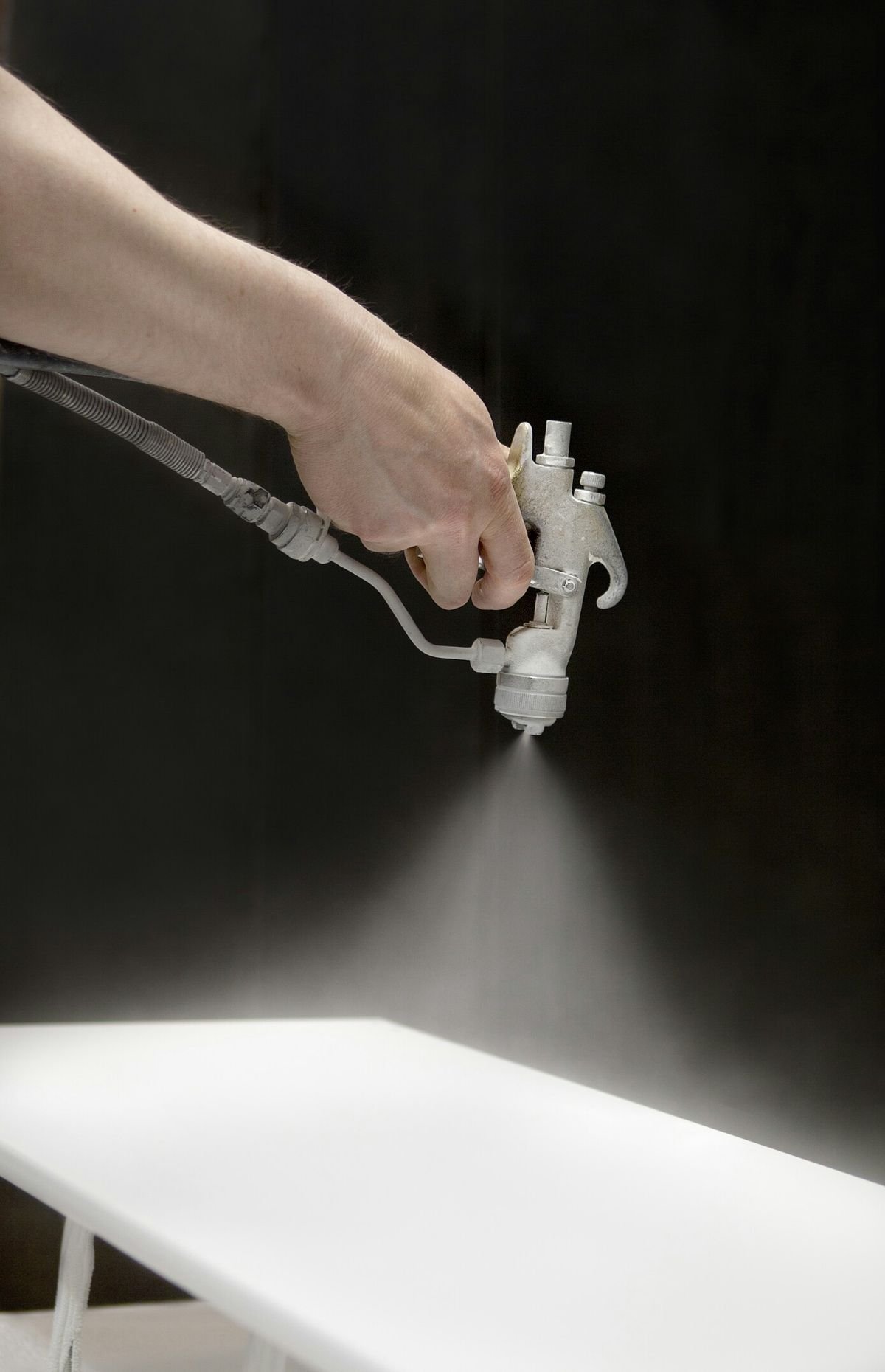
Functional Coating for Camera: Enhancing Image Quality with Advanced Optical Coatings
Modern camera technology depends on more than high-resolution image sensors. Every optical component—from the cover glass to the lens—must work together to deliver sharp images, accurate colors, and reliable performance. Functional coating for camera is a key technology that enhances optical efficiency while protecting delicate components from scratches, contamination, and environmental exposure.
Using advanced vacuum thin-film deposition, functional coatings optimize light transmission, suppress unwanted reflections, and improve the durability of camera optics. These coatings are widely used in smartphone cameras, automotive imaging systems, security cameras, and industrial vision equipment where consistent optical performance is essential.
What Is Functional Coating for Camera?
Functional coating for camera is a precision optical coating applied to camera components to improve imaging performance and surface durability. Unlike decorative coatings, these thin films are engineered to provide specific optical functions while maintaining excellent transparency.
Common coated components include:
- Camera cover glass
- Camera lenses
- Optical filters
- Sensor protection windows
- Infrared optical windows
- Precision imaging optics
Because the coating thickness is controlled at the nanometer level, it enhances optical performance without affecting component dimensions or imaging accuracy.
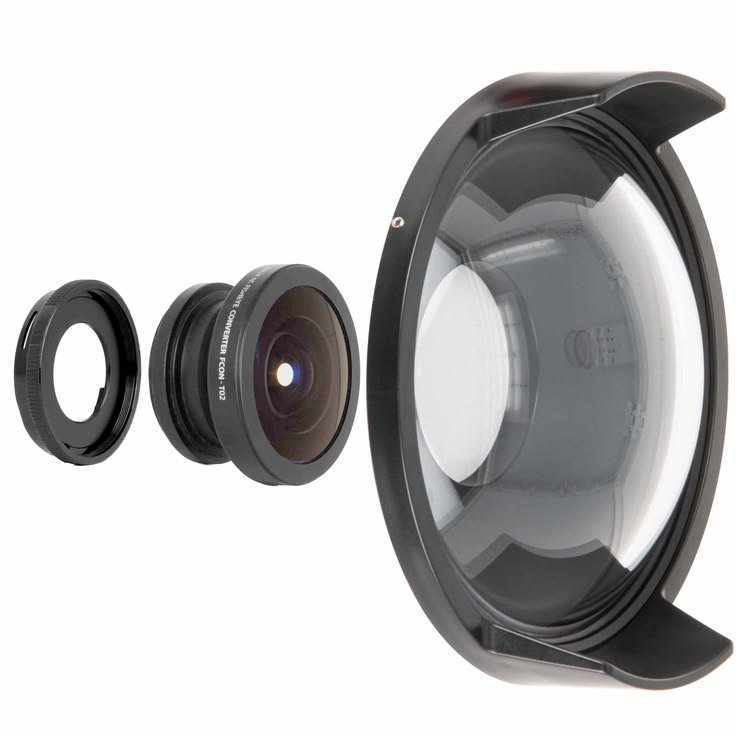
Key Benefits of Functional Coating for Camera
Higher Light Transmission
Functional optical coatings maximize the amount of light reaching the image sensor, improving image brightness, color reproduction, and low-light photography.
Reduced Reflection
Multi-layer thin-film coatings minimize reflected light, reducing glare, ghost images, and flare while improving overall image contrast.
Enhanced Image Quality
Optimized optical coatings help deliver:
- Sharper images
- Better color accuracy
- Higher contrast
- Improved low-light performance
- Greater imaging consistency
Improved Surface Protection
In addition to optical performance, functional coatings provide increased resistance to:
- Surface scratches
- Dust contamination
- Fingerprints
- Moisture
- Daily cleaning and handling
These protective properties extend the lifespan of optical components while maintaining imaging quality.
Advanced Vacuum Optical Coating Technology
Precision Thin-Film Deposition
Modern functional coatings are produced using advanced vacuum technologies such as:
- Magnetron sputtering
- Plasma-assisted deposition
- Multi-layer optical thin-film coating
These processes provide:
- Uniform coating thickness
- High optical consistency
- Excellent adhesion
- Stable large-scale manufacturing
Nanometer-Level Process Control
Precise coating thickness control ensures every optical layer delivers consistent transmission and reflection characteristics across high-volume production.
Applications Across Multiple Industries
Smartphone Camera Modules
One of the most important applications of functional coating for camera is smartphone imaging. Functional Coating for Cell Phone Camera improves light transmission, reduces reflections, and protects optical components, helping manufacturers produce clearer images, improved night photography, and more reliable camera modules.
Consumer Electronics
Functional optical coatings are widely used in:
- Smartphones
- Tablets
- Smartwatches
- AR and VR devices
- Video conferencing equipment
Automotive Vision Systems
ADAS cameras, parking cameras, surround-view systems, and autonomous driving sensors require advanced optical coatings to ensure reliable imaging in changing environmental conditions.
Industrial Vision Equipment
Machine vision systems, inspection cameras, and barcode scanners benefit from functional coatings that improve imaging accuracy while protecting optical surfaces.
Medical Imaging Devices
Medical cameras, endoscopes, and diagnostic imaging systems rely on precision optical coatings for high-resolution imaging and long-term durability.
Complete Camera Coating Solutions
Many camera modules require multiple coating technologies to achieve optimal performance.
For components requiring exceptional scratch resistance, Sapphire Super Hard Coating provides durable surface protection for sapphire cover glass and optical windows while maintaining excellent transparency.
Manufacturers seeking complete vacuum coating solutions can combine functional, protective, and optical coatings within one integrated manufacturing process to improve product quality and production efficiency.
Why Choose SRNC for Functional Camera Coatings?
SRNC develops advanced vacuum thin-film technologies for precision optical applications and consumer electronics.
Key advantages include:
- High optical transmission
- Low reflectance
- Excellent coating adhesion
- Uniform thin-film deposition
- Outstanding environmental durability
- Custom optical coating development
- Precision manufacturing
- Stable mass production capability
These capabilities enable manufacturers to produce reliable, high-performance camera modules for demanding applications.
Future Trends in Functional Camera Coatings
The demand for advanced camera coatings continues to grow alongside improvements in imaging technology. Future developments include:
- Ultra-low reflectance coatings
- Higher light transmission
- Multi-functional thin-film structures
- Improved fingerprint resistance
- Ultra-thin optical coatings
- Environmentally friendly vacuum coating processes
These innovations will support the next generation of smartphones, automotive cameras, AI vision systems, and wearable imaging devices.
Industry Resources
For more information about optical coating technologies and thin-film engineering, visit:
These organizations provide valuable technical resources on optics, photonics, and precision optical coatings.
Frequently Asked Questions
What is functional coating for camera?
Functional coating for camera is a precision optical thin film that improves light transmission, reduces reflections, and protects optical components from scratches and environmental damage.
How does functional coating improve camera performance?
It increases optical efficiency by allowing more light to reach the sensor while minimizing glare and reflections, resulting in sharper and brighter images.
Which camera components use functional coatings?
Camera cover glass, optical lenses, infrared filters, sensor protection windows, and other precision optical elements commonly receive functional coatings.
Which industries benefit from functional camera coatings?
Smartphone manufacturing, automotive electronics, medical imaging, industrial machine vision, surveillance systems, and consumer electronics all use functional optical coatings.
How are functional coatings applied?
They are typically deposited using advanced vacuum coating technologies such as magnetron sputtering and multi-layer thin-film deposition, ensuring high optical performance and manufacturing consistency.
Conclusion
As imaging technology advances, functional coating for camera has become an essential solution for improving optical performance and protecting precision camera components. By increasing light transmission, reducing reflections, and enhancing surface durability, functional coatings help manufacturers produce camera modules that deliver outstanding image quality and long-term reliability.
With Functional Coating for Cell Phone Camera, SRNC provides advanced optical coating solutions that optimize smartphone camera performance through precision vacuum thin-film technology. Combined with Sapphire Super Hard Coating and complete vacuum coating solutions, SRNC offers comprehensive coating solutions for next-generation optical and electronic products.