

Friction Reduction Coating: Technology and Applications
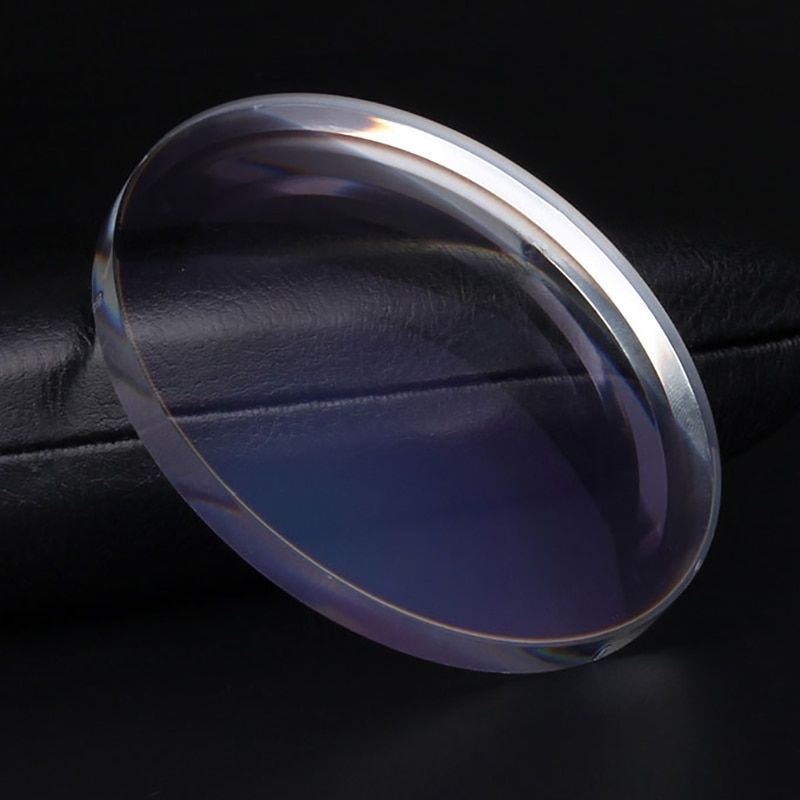
Friction is one of the major factors affecting the performance, efficiency, and service life of mechanical components. In many industrial applications, continuous contact between surfaces can generate heat, accelerate wear, and reduce operating reliability.
To solve these challenges, manufacturers use advanced surface engineering technologies to improve surface performance.
Friction reduction coating is a specialized coating technology designed to reduce surface friction, improve wear resistance, and enhance the durability of mechanical components.
Through advanced processes such as PVD coating, DLC coating, and vacuum deposition, friction reduction coatings create smooth and durable surface layers that improve operational efficiency.
What Is Friction Reduction Coating?
Friction reduction coating refers to applying a thin protective coating layer onto component surfaces to minimize friction during operation.
These coatings modify surface characteristics by improving:
- Surface smoothness
- Lubrication performance
- Wear resistance
- Contact stability
Common applications include:
- Automotive components
- Precision mechanical parts
- Cutting tools
- Molds and dies
- Aerospace components
- Industrial equipment
The main functions of friction reduction coatings include:
- Reducing friction coefficient
- Lowering heat generation
- Improving wear resistance
- Extending component lifetime
Why Is Friction Reduction Coating Important?
Friction affects the efficiency and reliability of many mechanical systems.
High friction can lead to:
- Increased energy consumption
- Surface wear
- Heat generation
- Reduced component lifetime
- Higher maintenance costs
By applying a friction reduction coating, manufacturers can improve surface interaction and reduce unnecessary energy loss.
Benefits include:
- Longer service life
- Improved operating efficiency
- Reduced maintenance requirements
- Better performance under demanding conditions
How Does Friction Reduction Coating Work?
Friction reduction coatings work by modifying the surface properties of components.
Different coating technologies achieve friction reduction through several mechanisms.
Low Friction Surface
Certain coatings create smoother surfaces that reduce resistance between contacting materials.
Reduced Adhesion
Special coating materials prevent materials from sticking to component surfaces.
Wear Protection
Hard coating layers protect surfaces from damage caused by repeated friction.
Thermal Control
Some coatings reduce heat accumulation caused by surface contact.
The performance of friction reduction coatings depends on:
- Coating material
- Surface structure
- Film thickness
- Operating environment
- Substrate material
Friction Reduction Coating Process
High-performance friction reduction coatings are usually produced through advanced vacuum coating technologies.
Surface Preparation
Before coating, components require precise surface preparation.
Typical processes include:
- Cleaning
- Degreasing
- Polishing
- Plasma treatment
Proper preparation improves:
- Coating adhesion
- Surface quality
- Long-term stability
PVD Friction Reduction Coating Process
Physical Vapor Deposition (PVD) is widely used for industrial friction reduction coatings.
During the PVD process, coating materials are deposited onto component surfaces inside a vacuum chamber.
Advantages include:
- High coating hardness
- Strong adhesion
- Precise thickness control
- Excellent wear resistance
Applications:
- Precision tools
- Mechanical components
- Industrial parts
Learn more about SRNC vacuum coating technology:
https://srnc.net/
Types of Friction Reduction Coating
DLC Low Friction Coating
Diamond-Like Carbon (DLC) coating is one of the most widely used low-friction coatings.
Advantages:
- Low friction coefficient
- High hardness
- Excellent wear resistance
- Smooth surface performance
Applications:
- Automotive components
- Precision parts
- Mechanical systems
PVD Low Friction Coating
PVD coatings provide both friction reduction and wear protection.
Benefits:
- Improved surface durability
- Reduced mechanical resistance
- Longer component life
Applications:
- Cutting tools
- Molds
- Industrial components
Anti Friction Coating
Anti-friction coatings are designed to minimize surface resistance during operation.
Applications:
- Moving mechanical parts
- Bearings
- Precision equipment
Benefits:
- Reduced friction loss
- Improved efficiency
- Better reliability
Wear Resistant Low Friction Coating
Some coatings combine friction reduction with strong wear protection.
Advantages:
- Lower friction
- Better surface durability
- Improved performance under heavy loads
Applications:
- Industrial tools
- Automotive parts
- Manufacturing equipment
Applications of Friction Reduction Coating
Automotive Industry
Automotive components operate under continuous movement and friction.
Applications include:
- Engine components
- Transmission parts
- Fuel system components
Friction reduction coatings help improve:
- Component durability
- Energy efficiency
- Operating stability
Cutting Tools
Cutting tools experience high friction and heat during machining.
Friction reduction coatings provide:
- Lower cutting resistance
- Improved tool life
- Better surface finish
Applications:
- Milling cutters
- Drills
- Carbide tools
Mold Industry
Molds often require improved release performance.
Applications:
- Injection molds
- Precision molds
- Forming tools
Benefits:
- Reduced material adhesion
- Easier demolding
- Improved mold lifetime
Aerospace Components
Aerospace systems require reliable performance under demanding conditions.
Applications:
- Precision mechanical parts
- Moving components
- High-performance systems
Coatings provide:
- Reduced friction
- Improved durability
- Better reliability
SRNC provides PVD coating and vacuum coating solutions for precision components, industrial tools, molds, and advanced surface engineering applications.
Learn more:
https://srnc.net/optical-coating/
Friction Reduction Coating and Surface Engineering
Friction reduction coating is an important part of modern surface engineering.
Through vacuum coating technology, manufacturers can create:
- Thin functional layers
- Strong surface protection
- Customized friction performance
Compared with traditional surface treatments, advanced coating technologies provide:
- Better consistency
- Higher durability
- Improved surface functionality
Factors Affecting Friction Reduction Coating Performance
Several factors influence coating effectiveness:
Coating Material
Different materials provide different friction characteristics.
Surface Condition
Surface roughness and preparation affect coating performance.
Operating Environment
Temperature, pressure, and load conditions influence coating selection.
Application Requirements
Different industries require different coating solutions.
For example:
- Cutting tools require low friction and high wear resistance.
- Automotive components require durability and efficiency.
- Precision parts require stable surface performance.
Future Development of Friction Reduction Coating
With the development of advanced manufacturing, friction reduction coating technology continues to evolve.
Future trends include:
- Nano coating technology
- Advanced DLC coatings
- Multilayer thin film structures
- Improved low-friction materials
Friction reduction coatings will continue to support industries by improving efficiency, reducing wear, and extending component service life.
Although coating layers are extremely thin, they provide important improvements in modern mechanical performance and surface engineering.