

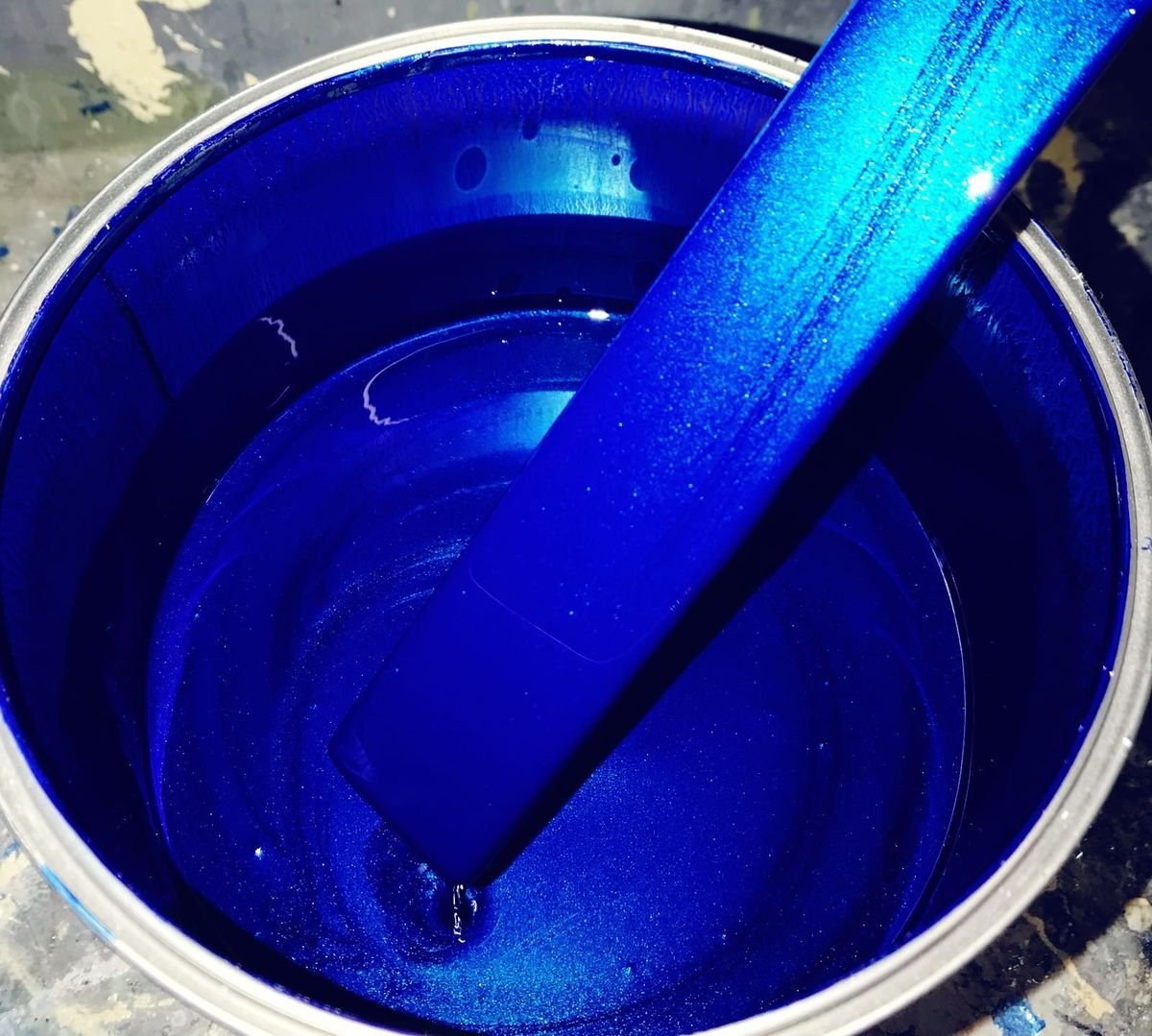
Decorative Coating Manufacturer: Engineering Premium Finishes for Consumer Electronics
Decorative Coating Is Now Part of Product Design
For modern consumer electronics, appearance is closely connected to product identity.
A smartphone, electronic housing, decorative panel, or other visible component can use surface finishing to communicate qualities such as sophistication, precision, durability, and technological performance. Color, texture, gloss, reflectivity, and tactile characteristics can all influence how users perceive a finished product.
This makes decorative coating much more than a final cosmetic process.
A well-engineered coating can transform the visual and tactile characteristics of a substrate while supporting the manufacturing requirements of the finished component. However, achieving a premium appearance consistently requires much more than applying a decorative layer.
The process can involve substrate preparation, cleaning, coating material selection, vacuum deposition, texture development, process optimization, inspection, and performance testing.
For companies developing consumer electronics, choosing the right decorative coating manufacturer can therefore have a direct impact on both product appearance and manufacturing reliability.
What Is Decorative Coating?
Decorative coating refers to a surface treatment designed primarily to modify or enhance the appearance of a product while potentially providing additional protective or functional characteristics.
Depending on the application, decorative coating can create:
- Metallic effects
- Matte finishes
- Satin surfaces
- Glossy appearances
- Frosted textures
- Fine textures
- Controlled reflectivity
- Layered visual effects
- Customized colors
- Premium tactile surfaces
The final result depends on the interaction between the substrate, coating materials, layer structure, surface preparation, and deposition conditions.
This is why decorative coating should be viewed as a complete surface-engineering system rather than a single material.
Why Consumer Electronics Require Advanced Decorative Finishes
Consumer electronics are highly competitive products.
When hardware specifications become increasingly similar between competing products, industrial design becomes an important source of differentiation.
A distinctive surface can help a product establish a recognizable visual language.
For example, two components with the same dimensions and basic substrate can appear dramatically different when one uses a high-gloss metallic finish and the other uses a fine matte texture.
Surface treatment can influence:
- How light interacts with the product
- How fingerprints are perceived
- How the component feels in the hand
- How premium the product appears
- How individual product models are visually differentiated
For smartphone back panels in particular, the surface is highly visible and frequently handled, making decorative coating an important part of the overall product-development strategy.
From Industrial Design to Coating Engineering
A designer may start with a visual reference, color sample, rendering, or physical prototype.
A manufacturer, however, needs engineering parameters that can be reproduced in production.
For a decorative coating project, these parameters may include:
- Color target
- Gloss level
- Texture characteristics
- Surface roughness
- Reflectivity
- Coating thickness
- Layer configuration
- Adhesion
- Abrasion resistance
- Environmental durability
The role of a capable coating manufacturer is to bridge these two worlds.
The manufacturer needs to understand the desired appearance and determine how it can be translated into a stable coating process.
This is particularly important when a customer requests a customized finish rather than an existing standard coating.
Substrate Selection Changes the Coating Strategy
A decorative coating is only as reliable as the surface on which it is applied.
Common substrates in consumer electronics include:
- Glass
- Aluminum
- Stainless steel
- Ceramic
- Composite materials
- Engineering plastics
These materials differ in surface chemistry, thermal characteristics, mechanical properties, and response to coating processes.
Consequently, a coating developed for one substrate may require modification before being used on another.
Before production, a decorative coating manufacturer may evaluate the substrate’s:
Surface Condition
Existing scratches, contamination, unevenness, or other defects can affect the final appearance.
Surface Cleanliness
Contaminants can interfere with adhesion and may generate coating defects.
Thermal Characteristics
Some substrates have tighter temperature limitations than others, influencing process selection.
Surface Energy
Surface characteristics can affect how subsequent layers interact with the substrate.
Mechanical Requirements
The final coating must work with the mechanical properties and intended use of the component.
Understanding these factors early can reduce development problems later in the production cycle.
Vacuum Deposition for Decorative Surface Effects
Vacuum deposition is an important technology for producing controlled decorative finishes.
In a vacuum environment, coating materials can be deposited onto prepared substrates to create thin-film structures with carefully controlled optical and surface characteristics.
Depending on the application, technologies such as sputtering and evaporation may be used.
The choice depends on:
- Substrate material
- Component geometry
- Desired color
- Required reflectivity
- Layer structure
- Performance requirements
- Production volume
Vacuum coating can provide a high level of process control, making it suitable for applications where appearance needs to be consistent and precisely engineered.
The technology is particularly useful when manufacturers need more sophisticated visual effects than conventional painting or basic surface finishing can provide.
Texture and Light: Designing the Surface Experience
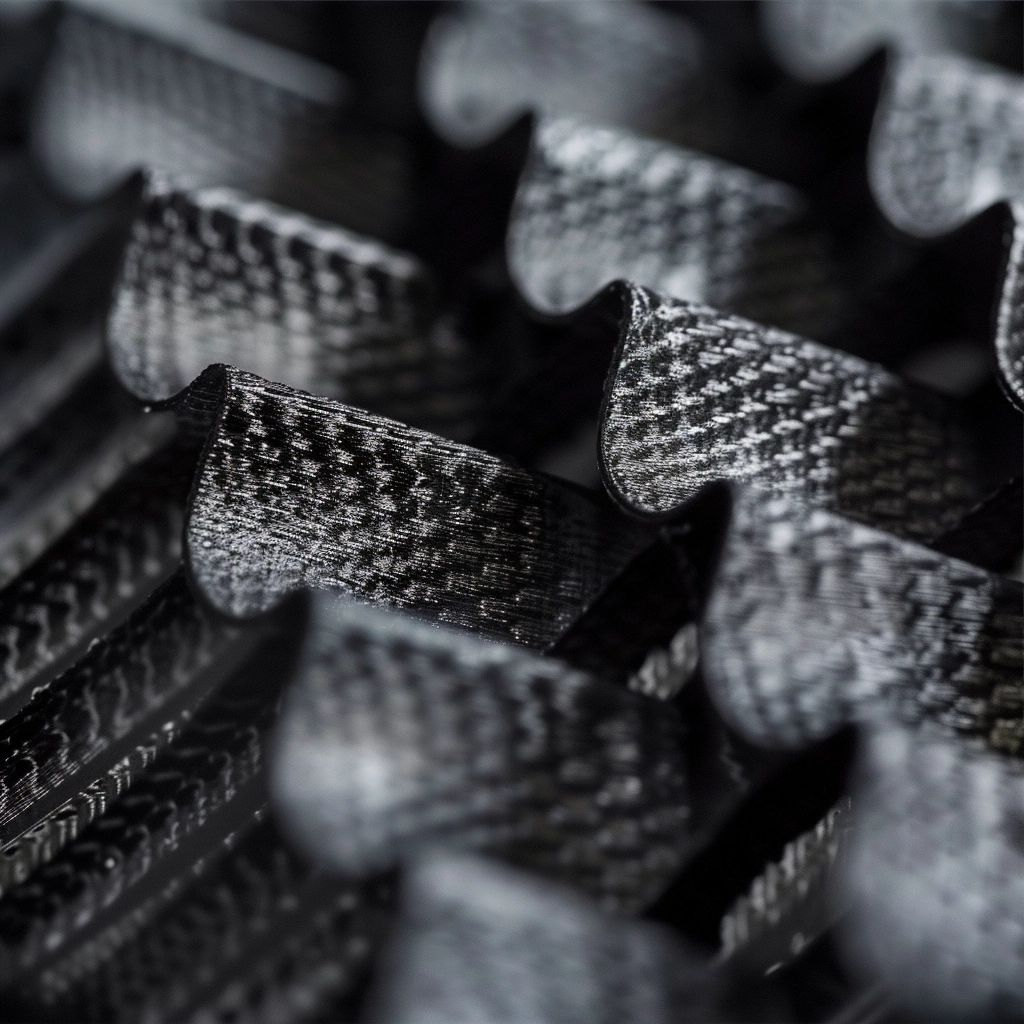
Texture is one of the most effective ways to change the appearance of a product.
A smooth surface reflects light differently from a finely textured or matte surface. Even when the underlying color remains similar, changing surface structure can dramatically alter the visual effect.
Decorative textures can include:
- Fine matte
- Satin
- Frosted
- Subtle metallic
- Fine patterned
- Controlled reflective finishes
For smartphone manufacturers, these effects can help establish distinct product families or differentiate individual models.
SRNC’s Texture Coating for Cell Phone Back Panel focuses specifically on this type of surface application.
Texture development requires careful control because excessive variation can make products appear inconsistent. The goal is to create a surface structure that remains visually stable under different lighting conditions and throughout production.
Color Development Is a Process, Not Just a Formula
Color is another important element of decorative coating.
A customer may provide a target color, but achieving that appearance on a particular substrate requires consideration of the complete coating system.
Factors that can influence perceived color include:
- Substrate characteristics
- Coating materials
- Film thickness
- Layer structure
- Surface texture
- Reflectivity
- Deposition conditions
- Lighting conditions
This means that color matching should be validated using production-relevant samples rather than relying only on digital representations.
A coating manufacturer can progressively adjust process parameters and coating structures until the required appearance is achieved.
Once the target is established, the next challenge is reproducing it consistently.
Decorative Coating Must Survive Real-World Handling
Although appearance is the primary purpose of a decorative coating, durability cannot be ignored.
Consumer electronics are handled frequently. Surfaces may encounter friction, contact with other objects, fingerprints, cleaning, and environmental conditions.
A decorative surface may therefore need to balance visual performance with:
- Scratch resistance
- Abrasion resistance
- Adhesion
- Environmental resistance
- Surface stability
This creates an engineering trade-off.
A surface with a particular visual effect may require a specific coating structure, while durability requirements may require additional layers or process optimization.
The final coating system should be developed around the complete product specification rather than appearance alone.
Quality Control Protects the Visual Identity of the Product
In premium consumer electronics, even small visual differences can be noticeable.
A slight color shift, inconsistent texture, unexpected particle, or difference in gloss may cause one component to look different from another.
For this reason, decorative coating production requires systematic quality control.
A controlled workflow can include:
Incoming Material Inspection → Loading → Cleaning → Coating → Process Inspection → Packaging → Outgoing Inspection → Shipping
Each step helps protect the final result.
Incoming inspection verifies substrate condition before coating.
Cleaning prepares the surface for deposition.
Process inspection identifies potential issues during manufacturing.
Final inspection verifies that finished components meet established requirements before shipment.
The objective is to control variation rather than simply identify defects after production is complete.
Testing Decorative Coating Performance
Testing provides objective information about coating quality.
Depending on the application, manufacturers may use equipment for:
- Film abrasion testing
- Reflection measurement
- Contact angle testing
- Cross-cut adhesion testing
- Resistance testing
- Constant temperature and humidity testing
- Salt spray testing
These tests can help evaluate whether the coating meets the required technical specifications.
For example, abrasion testing can provide information about how a surface responds to repeated mechanical contact, while adhesion testing evaluates the bond between the coating and substrate.
Environmental testing can provide additional information about coating stability under controlled conditions.
The appropriate testing program should be established according to the customer’s product requirements.
Scaling a Decorative Finish From Sample to Production
One of the biggest differences between decorative coating development and decorative coating manufacturing is scale.
A prototype can be adjusted repeatedly by engineers until the desired appearance is achieved.
Mass production is different.
Production introduces variables such as:
- Different substrate batches
- Equipment loading conditions
- Material variation
- Process drift
- Production cycle differences
- Equipment maintenance
- Yield requirements
A successful coating development program must therefore establish a production window that is sufficiently stable for repeated manufacturing.
This is where manufacturing experience becomes especially valuable.
The goal is not simply to reproduce one approved sample. The goal is to reproduce the same visual and technical characteristics throughout production.
What Makes a Capable Decorative Coating Manufacturer?
A strong coating partner combines several capabilities rather than relying on one piece of equipment.
Surface Engineering Knowledge
The manufacturer should understand how substrates, pretreatment, coating structures, and surface characteristics interact.
Vacuum Coating Technology
Appropriate deposition technology is essential for sophisticated decorative finishes.
Custom Development
Customers may require proprietary colors, textures, gloss levels, or combinations of visual characteristics.
Testing Capability
Testing allows coating performance to be evaluated objectively.
Process Control
Stable processes are essential for consistent mass production.
Production Capability
A coating solution must be scalable from development samples to commercial quantities.
Quality Management
Inspection and process monitoring should be integrated into manufacturing rather than treated as an afterthought.
These capabilities collectively determine whether a manufacturer can support a demanding consumer electronics project.
Decorative Coating for Different Electronic Components
Decorative coating technology can be applied to many product surfaces.
Depending on the substrate and requirements, applications can include:
- Smartphone back panels
- Electronic housings
- Decorative panels
- Appliance panels
- Metal components
- Glass components
- Other visible consumer electronics surfaces
Different applications require different balances between appearance and functionality.
For example, a smartphone camera component has optical requirements that are fundamentally different from those of a decorative back panel.
SRNC’s Functional Coating for Cell Phone Camera demonstrates a more specialized coating application for camera components.
For applications where surface hardness and protection are particularly important, Sapphire Super Hard Coating provides another example of specialized coating technology.
These applications demonstrate why coating development should be based on the requirements of the final component.
Questions to Ask Before Selecting a Manufacturer
When evaluating a potential coating partner, procurement and engineering teams can consider several practical questions.
Can the manufacturer work with the required substrate?
Material compatibility should be confirmed before development begins.
Can it reproduce the desired visual finish?
Ask for relevant development experience and sample-validation capabilities.
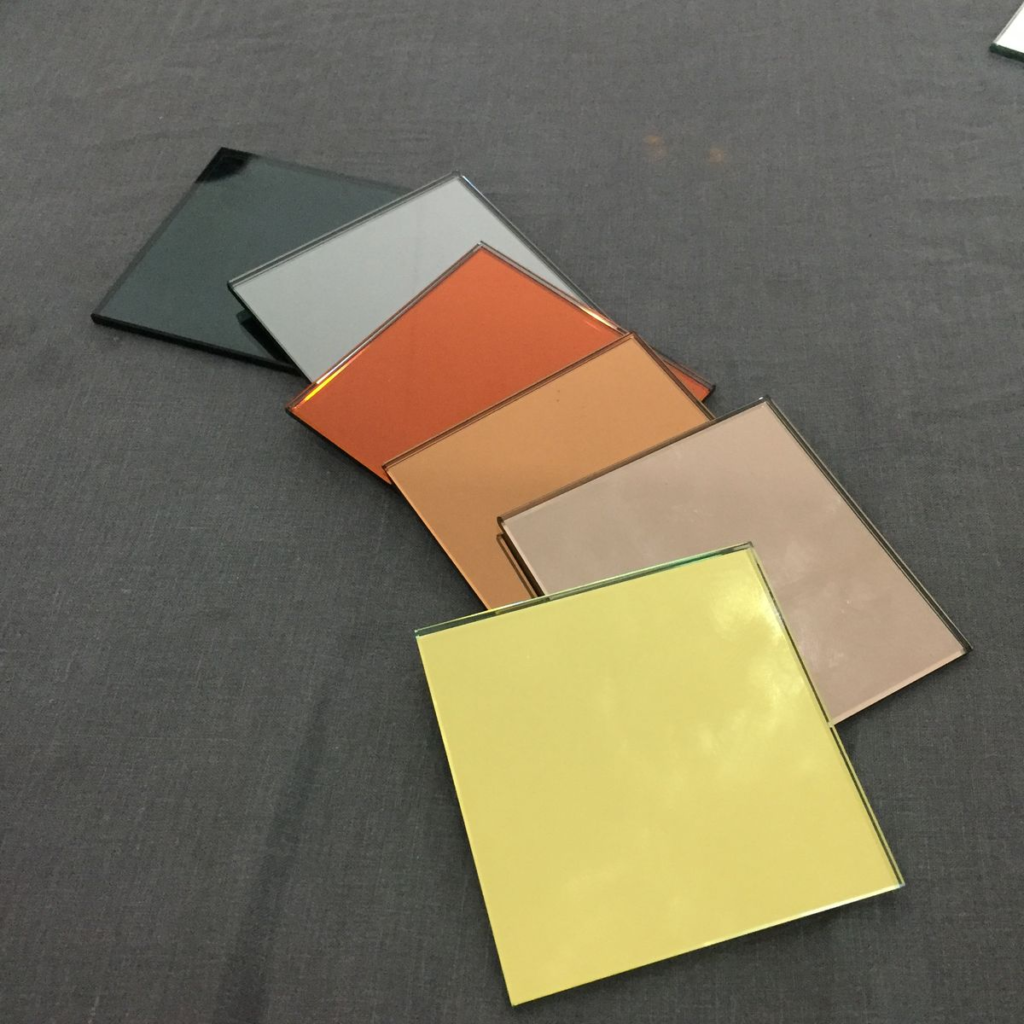
Can the finish be customized?
For differentiated products, customization may be essential.
What testing can be performed?
Testing capabilities should correspond to the required durability and environmental specifications.
Can the process support mass production?
Prototype capability does not automatically mean production capability.
How is consistency controlled?
The supplier should have defined procedures for monitoring critical process parameters and finished-product characteristics.
Can engineering teams collaborate during development?
Surface coating often requires multiple rounds of adjustment, making technical communication important.
Why Long-Term Cooperation Can Improve Coating Results
A surface coating program does not necessarily end after the first successful production run.
Long-term cooperation can support continuous improvements in:
- Process stability
- Yield
- Surface consistency
- Production efficiency
- Testing procedures
- Material utilization
- Product development speed
As a coating manufacturer becomes more familiar with a customer’s product requirements, future development projects can potentially benefit from accumulated process knowledge.
This is particularly useful for consumer electronics manufacturers developing multiple products with related surface-design requirements.
The Strategic Value of Decorative Coating
A decorative coating can influence how customers perceive a product before they even interact with its technical specifications.
The surface communicates visual quality.
However, achieving a premium surface consistently requires a combination of design understanding and manufacturing discipline.
A successful decorative coating system should therefore connect:
Design Intent → Material Selection → Surface Preparation → Coating Development → Vacuum Deposition → Testing → Process Validation → Mass Production
Every stage contributes to the final product.
When these stages are integrated, decorative coating becomes a controlled engineering process rather than an unpredictable finishing step.
Conclusion
The role of a decorative coating manufacturer extends far beyond adding color or texture to a product.
For modern consumer electronics, advanced decorative coating can influence appearance, tactile perception, product differentiation, and surface durability. Achieving these results consistently requires knowledge of substrates, vacuum deposition, coating structures, texture development, testing, and production control.
For smartphone back panels and other visible electronic components, the ideal coating partner should be able to translate design concepts into measurable specifications, develop customized finishes, validate performance, and scale the approved solution into stable mass production.
In this way, decorative coating becomes an integral part of product engineering—helping manufacturers create surfaces that are not only visually distinctive, but also technically reliable and production-ready.