


Consumer Electronics Coating Trends: Why Surface Engineering Matters for Modern Devices
Today’s consumer electronics products are expected to do more than simply work well. They also need to look attractive, feel comfortable in the hand, resist everyday wear, and maintain their appearance for as long as possible.
This is especially true for smartphones.
The back panel of a modern phone is no longer just a structural component. It has become an important part of the product’s visual identity and user experience. Texture, gloss, color, touch feel, fingerprint resistance, and durability can all influence how consumers perceive a device.
This is where consumer electronics coating technology becomes increasingly valuable.
Advanced surface coatings allow manufacturers to modify the appearance and functional performance of glass, metal, plastic, ceramic, and other substrates. Instead of relying solely on the inherent properties of the substrate, manufacturers can use engineered coatings to create specific surface characteristics.
For smartphone back panels, this can include decorative textures, soft-touch finishes, anti-fingerprint performance, scratch resistance, chemical resistance, and easier cleaning.
The challenge is finding the right combination of aesthetics, functionality, durability, and production consistency.
What Is Consumer Electronics Coating?
Consumer electronics coating refers to specialized surface coatings developed for electronic products used by consumers.
These coatings can be applied to components such as:
- Smartphone housings
- Cell phone back panels
- Tablets
- Laptops
- Wearable devices
- Smart home products
- Electronic accessories
Depending on the product, the coating may provide decorative, protective, or functional properties.
Common coating functions include:
| Coating Function | Main Purpose |
|---|---|
| Decorative coating | Creates color and visual effects |
| Texture coating | Produces a specific surface texture |
| Hard coating | Improves scratch resistance |
| Anti-fingerprint coating | Reduces visible fingerprints |
| Easy-clean coating | Makes contamination easier to remove |
| Chemical-resistant coating | Protects against chemical exposure |
| Soft-feel coating | Creates a smoother tactile experience |
This flexibility makes surface coating an important tool for consumer electronics manufacturers.
Why Surface Engineering Has Become Important in Consumer Electronics
Consumers interact directly with electronic devices every day.
A smartphone may be:
- Held for hours
- Placed on tables
- Stored in pockets
- Exposed to sweat
- Cleaned repeatedly
- Contacted by cosmetics or other chemicals
These conditions can gradually affect the surface.
At the same time, consumers expect premium products to maintain their appearance.
This creates a demanding combination of requirements:
Good appearance + comfortable touch + strong durability + easy maintenance.
A carefully engineered coating can help manufacturers achieve this balance.
Texture Coating for Smartphone Back Panels
Texture is one of the most visible characteristics of a phone’s exterior.
A textured coating can create different visual and tactile effects without completely changing the underlying substrate.
Depending on the process, manufacturers can develop:
- Fine matte textures
- Micro-textures
- Satin finishes
- Frosted effects
- Soft-touch surfaces
- Decorative patterns
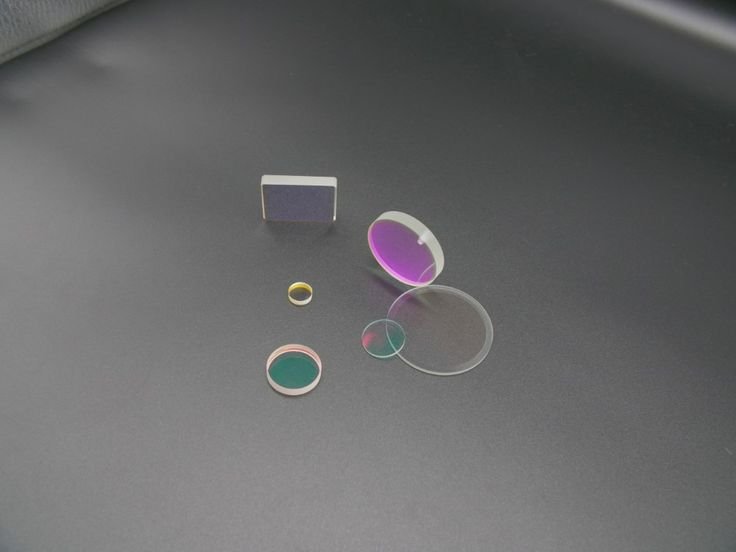
Texture can also influence how fingerprints and light interact with the surface.
A controlled micro-texture may reduce the visibility of minor marks while giving the phone a distinctive appearance.
SRNC’s Texture Coating for Cell Phone Back Panel is designed around this type of application, combining decorative surface effects with functional coating requirements.
How Consumer Electronics Coating Changes Surface Performance
A coating can alter the surface without requiring a major change to the underlying material.
For example, the same substrate can potentially be engineered to have different:
- Gloss levels
- Roughness
- Friction
- Surface energy
- Color effects
- Touch characteristics
This makes coating technology particularly useful for product designers.
Instead of selecting a substrate based solely on its natural surface properties, manufacturers can use coating technology to fine-tune the final user experience.
1. Scratch Resistance
Consumer electronics are constantly exposed to mechanical contact.
A hard coating can improve resistance against everyday scratches and abrasion.
This is especially useful for smartphone back panels that are frequently placed on desks, carried in bags, or handled alongside other objects.
Durability testing can help determine whether a coating meets the required performance level.
2. Fingerprint Resistance
Fingerprints can quickly change the appearance of a glossy smartphone surface.
Anti-fingerprint functionality can reduce the visibility and adhesion of skin oils.
This can help maintain a cleaner appearance between cleaning cycles.
3. Easy Cleaning
A surface that is difficult to clean can quickly lose its premium appearance.
Easy-clean coatings are designed to reduce the adhesion of contaminants such as:
- Oils
- Dust
- Grease
- Cosmetic residue
This makes routine maintenance simpler.
4. Chemical Resistance
Smartphones may encounter sweat, skin oils, cleaning agents, and other chemicals.
A chemically resistant coating helps protect the surface against degradation caused by these exposures.
This is particularly important when the product is expected to maintain its appearance over a long service life.
5. Soft-Touch Performance
Some consumer electronics products are designed to feel smooth, warm, or slightly soft when held.
A soft-touch coating can modify the tactile experience.
This can create a more comfortable grip while supporting a distinctive product identity.
Decorative and Functional Performance in One Coating System
Modern consumer electronics design often combines decorative and functional requirements.
A smartphone manufacturer may want a back panel that:
- Looks premium
- Has a unique texture
- Resists fingerprints
- Doesn’t scratch easily
- Is easy to clean
- Feels comfortable
These requirements can sometimes be addressed through a carefully designed coating system.
However, not every property needs to come from one layer.
Different coating layers or surface treatments may be combined to achieve the final specification.
Consumer Electronics Coating for Different Substrates
The coating process must be matched to the substrate.
Glass
Glass is widely used for smartphone back panels because of its appearance and surface characteristics.
Coatings can add:
- Texture
- Decorative effects
- Scratch resistance
- Fingerprint resistance
- Easy-clean functionality
Plastic
Plastic housings offer design flexibility and lightweight construction.
A coating can help improve:
- Surface hardness
- Appearance
- Chemical resistance
- Tactile properties
Metal
Metal housings require coating systems compatible with the underlying metal surface.
Surface preparation and adhesion are especially important.
Ceramic
Ceramic back panels can provide a distinctive premium appearance.
Functional coatings can be used to modify surface behavior while maintaining the desired visual characteristics.
Surface Texture and Light Interaction
Texture doesn’t only affect how a surface feels.
It also changes how light interacts with the surface.
A micro-textured finish can scatter incident light in different directions, influencing:
- Gloss
- Haze
- Visual depth
- Reflection
- Surface appearance
This gives designers another tool for creating distinctive finishes.
However, texture must be carefully controlled.
Too much roughness can create an undesirable appearance, while insufficient texture may not produce the desired visual or tactile effect.
Manufacturing Consumer Electronics Coatings
The manufacturing process depends on the coating material and substrate.
Possible technologies include:
- Vacuum coating
- PVD
- Spray coating
- Precision surface treatment
- Thin-film deposition
- Texture-forming processes
A typical production process may involve:
Substrate Preparation
The surface is cleaned and prepared to promote coating adhesion.
Coating Deposition
The selected coating is applied under controlled process conditions.
Texture Formation
Where required, a controlled surface texture is introduced.
Curing or Treatment
The coating may undergo curing or additional treatment to achieve the desired properties.
Inspection
The finished surface is inspected for:
- Color
- Gloss
- Texture
- Adhesion
- Defects
- Durability
Important Quality Tests
Consumer electronics coatings need to withstand realistic usage conditions.
| Test | Purpose |
|---|---|
| Pencil hardness | Evaluates surface hardness |
| Abrasion test | Measures wear resistance |
| Adhesion test | Checks coating bonding |
| Chemical resistance | Evaluates resistance to chemicals |
| Fingerprint test | Measures surface contamination |
| Cleaning test | Evaluates ease of maintenance |
| Gloss measurement | Checks visual consistency |
| Surface roughness | Measures texture |
| Environmental aging | Evaluates long-term stability |
Testing should reflect the final product’s expected environment.
How to Choose a Consumer Electronics Coating
Manufacturers should consider both appearance and function.
Define the Desired Appearance
Specify:
- Color
- Gloss
- Texture
- Surface roughness
- Visual effect
Define Functional Requirements
Determine whether the coating needs:
- Scratch resistance
- Anti-fingerprint performance
- Easy cleaning
- Chemical resistance
- Soft-touch characteristics
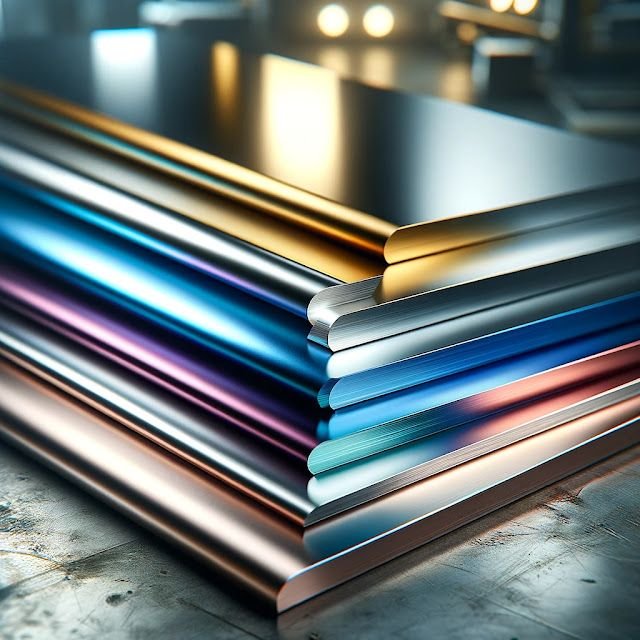
Match the Coating to the Substrate
Glass, plastic, metal, and ceramic may require different coating structures and surface preparation.
Consider Mass Production
The coating must be stable and repeatable at production scale.
Evaluate Long-Term Durability
Laboratory appearance isn’t enough. The coating needs to maintain its performance after handling, cleaning, abrasion, and environmental exposure.
Consumer Electronics Coating and Premium Product Design
Surface finish has become an important part of product differentiation.
Two devices with similar internal specifications can feel very different because of their exterior finishes.
Texture and coating can influence:
- Visual identity
- Tactile experience
- Perceived quality
- Product differentiation
This is particularly important in competitive smartphone markets.
A carefully engineered surface can make a product instantly recognizable while also providing practical protection.
Frequently Asked Questions
What is consumer electronics coating?
Consumer electronics coating refers to specialized surface coatings used on products such as smartphones, tablets, laptops, wearables, and electronic housings to provide decorative, protective, or functional properties.
Why is coating important for smartphone back panels?
Coatings can improve appearance, texture, scratch resistance, fingerprint resistance, chemical resistance, and cleaning performance.
Can consumer electronics coating be applied to glass?
Yes. Glass is a common substrate for smartphone back panels and can receive decorative and functional coatings.
Can coatings create a textured smartphone surface?
Yes. Specialized texture coating processes can create matte, satin, micro-textured, frosted, or other decorative surface effects.
Does texture coating help reduce fingerprints?
A properly designed textured surface can make fingerprints less visually obvious, while dedicated anti-fingerprint functionality can further reduce oil adhesion.
Can consumer electronics coatings improve scratch resistance?
Yes. Hard coating systems can improve resistance to scratches and everyday abrasion, depending on the coating structure and substrate.
Can one coating provide several functions?
It can, but complex requirements may be better achieved through multiple compatible coating layers or surface treatments.
How are consumer electronics coatings tested?
Common tests include hardness, abrasion, adhesion, chemical resistance, fingerprint resistance, cleaning performance, gloss, texture, and environmental aging.
Conclusion
The exterior of a modern electronic device is more than decoration. It is a functional interface between the product and its user.
Consumer electronics coating technology gives manufacturers greater control over this interface by combining visual design with practical surface performance.
For smartphone back panels, coatings can provide texture, scratch resistance, fingerprint resistance, easy cleaning, chemical resistance, and improved tactile characteristics.
The most effective solution depends on the substrate, desired appearance, coating structure, manufacturing process, and expected service conditions.
SRNC’s Texture Coating for Cell Phone Back Panel provides a specialized solution for manufacturers looking to develop distinctive and functional smartphone surface finishes.
For applications requiring additional surface durability, SRNC’s Sapphire Super Hard Coating demonstrates how advanced coating technology can be engineered for demanding protective requirements.
As consumer electronics continue to become more design-focused, surface engineering will remain an important way to combine premium appearance, tactile quality, durability, and everyday functionality in a single product.