

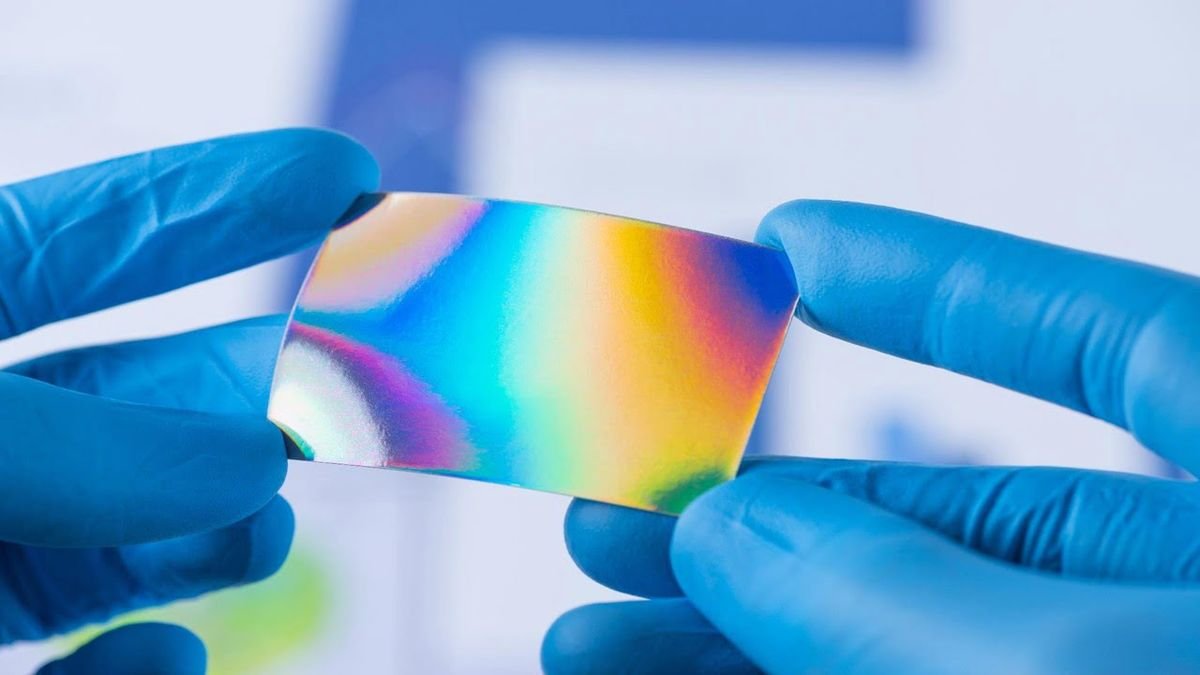
Chemical Resistant Coating: Protecting Smartphone Back Panels From Everyday Chemical Exposure
A smartphone back panel is exposed to much more than physical contact.
Every day, the surface may come into contact with skin oils, sweat, cosmetics, hand creams, cleaning agents, alcohol-based wipes, and other substances. Most of these interactions are brief and harmless. However, repeated exposure can gradually affect a surface if its coating system isn’t designed to withstand them.
For premium smartphones, this can become an important durability concern.
Chemical exposure may cause changes in gloss, color, texture, adhesion, or tactile feel. In some cases, repeated contact with aggressive substances can weaken a surface coating and make it more vulnerable to subsequent wear.
This is where chemical resistant coating technology becomes valuable.
A properly engineered coating can help protect the smartphone back panel from common chemical contaminants while preserving the visual and tactile characteristics of the original surface. When used with a texture coating, it can also help maintain the fine surface structure that gives a premium phone its distinctive appearance.
Chemical resistance is therefore not simply about preventing visible damage. It’s about maintaining the complete surface experience throughout everyday use.
What Is Chemical Resistant Coating?
Chemical resistant coating is a surface treatment designed to withstand contact with selected chemicals without significant deterioration.
The exact level of resistance depends on the coating formulation and the chemicals involved.
For smartphone back panels, relevant substances can include:
- Human sweat
- Skin oils
- Cosmetics
- Hand lotion
- Sunscreen
- Cleaning solutions
- Alcohol-based wipes
- Household contaminants
- Food residues
- Moisture containing dissolved substances
A chemically resistant surface helps reduce the possibility that these substances will cause unwanted changes to the coating or underlying material.
However, chemical resistance isn’t absolute.
A coating should always be evaluated against the specific substances, concentrations, exposure times, temperatures, and cleaning conditions expected during product use.
Why Chemical Exposure Matters for Smartphone Back Panels
Smartphones are handled directly with bare hands.
Human skin naturally transfers oils, sweat, and moisture to the device. Users may also apply cosmetics, lotion, or sunscreen before handling their phones.
The phone may later be cleaned with a wipe or cleaning solution.
Each individual exposure may be minor.
The issue is repeated exposure.
A surface that encounters the same substances hundreds or thousands of times during its service life needs to maintain stable performance.
Potential problems from poor chemical resistance can include:
- Gloss changes
- Color changes
- Surface softening
- Loss of texture
- Reduced coating adhesion
- Tactile changes
- Surface discoloration
For a premium smartphone, even subtle changes can affect the perceived quality of the product.
Chemical Resistance Is Different From Scratch Resistance
Scratch resistance and chemical resistance protect against different forms of surface damage.
Scratch resistance addresses mechanical contact from objects.
Wear resistance addresses repeated friction and abrasion.
Chemical resistance addresses degradation caused by chemical exposure.
These properties can interact.
For example, a chemical substance may weaken a surface slightly. Repeated rubbing can then produce damage more easily.
This means a high-performance smartphone coating may need to provide several types of durability at the same time.
The ideal surface system balances mechanical and chemical performance rather than focusing on only one characteristic.
Common Chemicals That Can Contact a Smartphone
The exact exposure conditions vary between users, but several categories are common in everyday life.
Sweat
Sweat contains water, salts, and other compounds. Repeated contact can create a demanding environment for some surface finishes.
Skin Oils
Natural oils can accumulate on frequently handled areas and interact with functional coatings.
Cosmetics
Makeup, sunscreen, moisturizers, and other personal-care products can remain on the skin and transfer to the smartphone.
Cleaning Products
Users may wipe their devices with alcohol-based or other cleaning products.
Household Contaminants
A phone can occasionally come into contact with food, beverages, or other substances.
A coating intended for mobile applications should therefore be evaluated around realistic use scenarios.
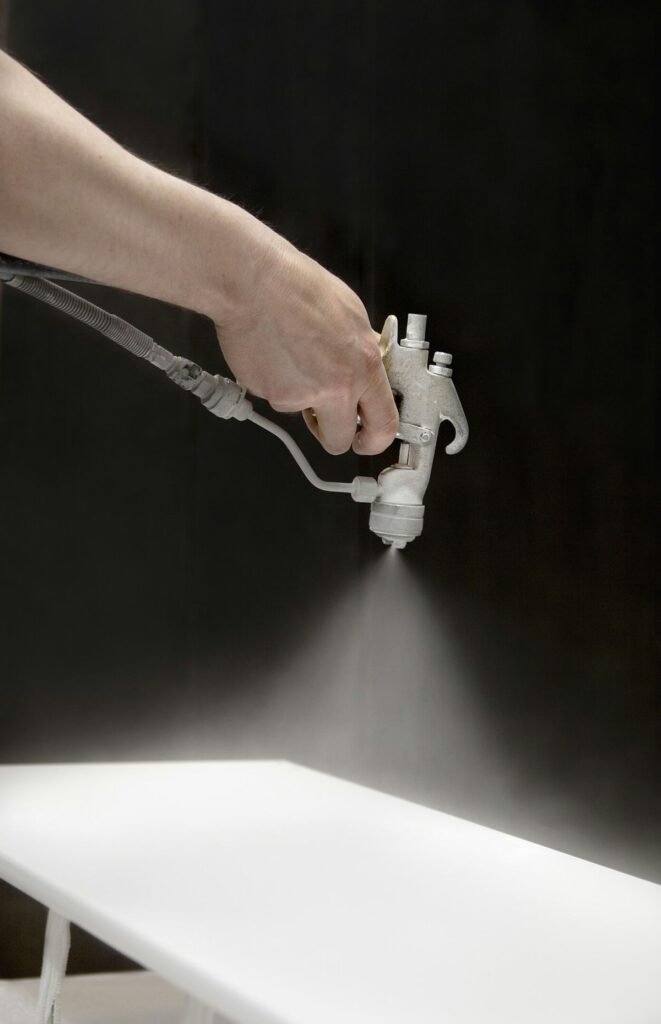
How Chemical Exposure Can Affect Surface Texture
Texture is an important part of modern smartphone back-panel design.
Manufacturers may use microtextures, matte structures, sand textures, or other decorative patterns to create a distinctive visual and tactile effect.
If chemical exposure changes the coating, however, the texture may also be affected.
Potential effects include:
- Reduced texture definition
- Changes in surface friction
- Localized gloss differences
- Uneven appearance
- Changes in tactile response
This is why chemical resistance is particularly important for textured surfaces.
The goal is not simply to protect the substrate. The coating should help preserve the surface characteristics that designers intentionally created.
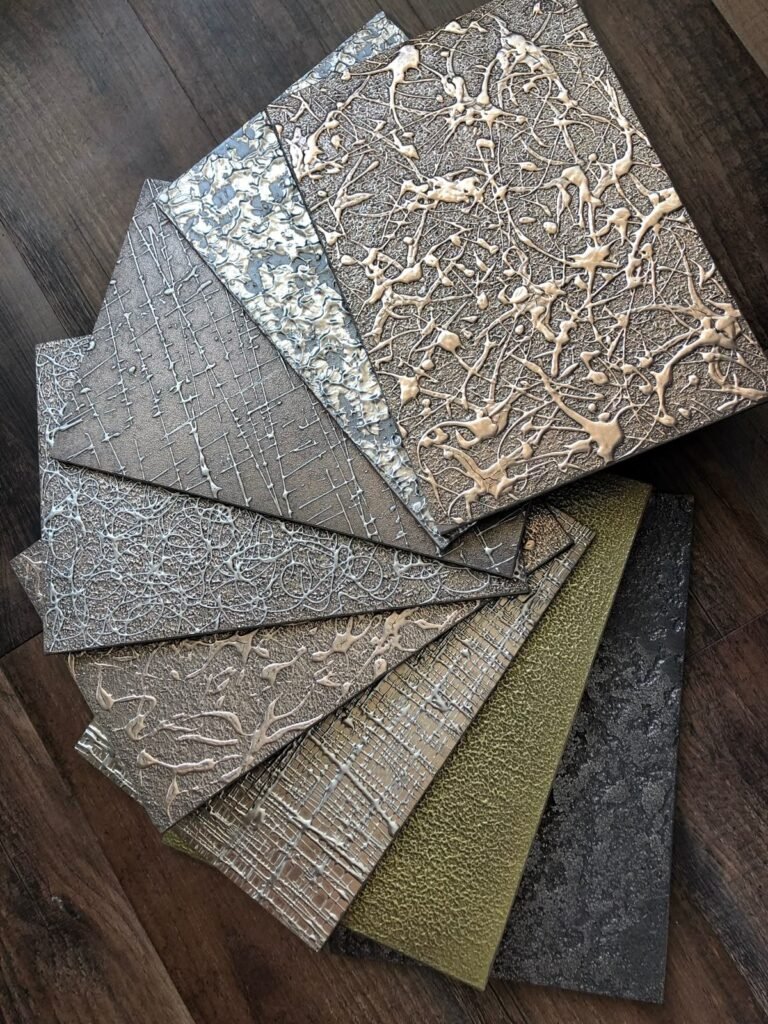
Texture Coating for Cell Phone Back Panel
SRNC’s Texture Coating for Cell Phone Back Panel is designed for smartphone back-panel applications requiring controlled textures and premium surface finishing.
Its key application advantages include:
- Premium texture effects
- Uniform surface finishing
- Customized texture designs
- Strong scratch and wear resistance
- Improved grip
- Sleek tactile characteristics
When chemical resistance is included as part of the performance requirements, the coating system can be evaluated not only for appearance but also for its ability to maintain surface characteristics during everyday chemical exposure.
This integrated approach is especially useful for premium mobile devices where the back panel must combine decorative quality with functional durability.
Chemical Resistance and Surface Appearance
One of the biggest problems with chemical exposure is that the damage isn’t always immediately obvious.
A coating may gradually change after repeated contact.
For example, a surface can develop:
- Slight gloss variation
- Fading
- Cloudiness
- Local discoloration
- Uneven texture
These changes can be difficult to notice individually but become more apparent when the device is viewed under strong lighting.
For a premium smartphone, maintaining visual uniformity is important.
A chemically stable coating helps protect the surface from gradual appearance changes caused by everyday contaminants.
Chemical Resistance and Tactile Feel
Smartphone users don’t only look at the back panel—they touch it constantly.
A coating’s chemical stability can therefore influence the long-term tactile experience.
If chemical exposure changes the surface structure or coating properties, the phone may feel:
- More slippery
- More sticky
- Rougher
- Smoother
- Less consistent
This can be especially noticeable on textured surfaces.
Maintaining the original friction and texture helps preserve the intended hand feel.
For manufacturers, chemical resistance should therefore be evaluated as both a visual and tactile property.
Why Sweat Resistance Matters
Human sweat is one of the most common chemical exposures a handheld electronic device experiences.
The composition of sweat varies between individuals, but it generally contains water, salts, and organic compounds.
Repeated contact can place stress on a surface coating.
This is especially relevant around areas where the user grips the phone most frequently.
A chemically resistant surface can help maintain its intended appearance and performance despite repeated handling.
However, realistic testing should be used rather than assuming that all sweat exposure is identical.
Cosmetic Resistance for Smartphone Surfaces
Modern users regularly apply personal-care products such as:
- Sunscreen
- Hand cream
- Moisturizer
- Makeup
- Skin-care products
Residues from these products can transfer to a smartphone during normal use.
Some formulations may contain oils, alcohols, surfactants, or other ingredients that interact differently with surface coatings.
For premium devices, cosmetic resistance can therefore be considered as part of broader chemical durability.
A coating designed for mobile applications should be evaluated against the substances most relevant to the intended market and user behavior.
Cleaning Resistance Is Becoming More Important
Smartphones are frequently cleaned.
Users may wipe the surface with:
- Microfiber cloths
- Alcohol wipes
- Cleaning solutions
- Water-dampened cloths
- Specialized electronic-device cleaners
Cleaning can be beneficial, but repeated exposure to cleaning chemicals can also become a durability challenge.
A coating should ideally maintain its surface properties after repeated cleaning cycles.
This includes preserving:
- Texture
- Gloss
- Color
- Adhesion
- Tactile characteristics
Cleaning resistance is therefore closely connected to long-term chemical durability.
Chemical Resistance and Coating Adhesion
Chemical exposure can sometimes affect the interface between a coating and its substrate.
If the coating loses adhesion, the surface may eventually develop:
- Peeling
- Blistering
- Delamination
- Localized defects
- Uneven appearance
Strong adhesion is therefore an important part of a durable coating system.
The coating needs to remain firmly attached even after exposure to the chemicals specified for the application.
This makes substrate preparation and coating-process control essential.
How Chemical Resistance Is Tested
Chemical resistance should be evaluated using controlled exposure conditions.
A typical test program may consider:
Chemical Exposure
The surface is exposed to selected substances relevant to the application.
Exposure Time
The coating may be tested for both short-term and prolonged contact.
Temperature
Higher temperatures can sometimes accelerate chemical interactions.
Repeated Exposure
Multiple exposure and cleaning cycles can better represent real-world use.
Visual Inspection
The surface is examined for color, gloss, texture, or other changes.
Adhesion Evaluation
The coating is checked to determine whether chemical exposure has affected its bonding to the substrate.
Tactile Evaluation
The surface feel can be compared before and after testing.
The specific chemicals and test conditions should be defined according to the customer’s product requirements.
Chemical Resistance and Wear Resistance Work Together
Chemical and mechanical durability can influence one another.
Imagine a smartphone surface that is exposed to sweat and skin oils every day. Later, the same area is repeatedly rubbed by the user’s hand or cleaned with a cloth.
If chemical exposure weakens the coating, repeated mechanical contact may cause surface degradation more quickly.
A strong surface system therefore needs to consider both factors.
This is one reason multifunctional coating development is becoming increasingly important for mobile-device applications.
Why Coating Uniformity Matters
Chemical resistance needs to be consistent across the entire surface.
If one area has a thinner or less uniform coating, it may respond differently to chemical exposure.
This can create localized changes in:
- Gloss
- Color
- Texture
- Friction
- Durability
For large-scale smartphone production, uniform coating is therefore essential.
Stable process parameters and consistent surface preparation help manufacturers achieve predictable results across large numbers of back panels.
Chemical Resistant Coating for Glass Back Panels
Glass is an attractive material for smartphone back panels because it provides a refined appearance and can support many decorative effects.
However, the glass itself isn’t the only consideration.
The final surface may include decorative layers and functional coatings.
A typical structure can involve:
- Glass substrate
- Decorative treatment
- Texture structure
- Functional surface coating
Each layer needs to be compatible with the others.
The chemical resistance of the final surface should therefore be evaluated as a complete system rather than by looking at the substrate alone.
How to Select a Chemical Resistant Coating
Manufacturers should define the expected chemical environment before selecting a coating.
Important questions include:
What Chemicals Will the Surface Encounter?
Sweat, cosmetics, cleaners, and other substances may have different effects.
How Long Will Exposure Last?
Brief contact and prolonged exposure can produce different results.
Will the Surface Be Cleaned Frequently?
Repeated cleaning cycles can become an important durability factor.
What Surface Finish Is Required?
Gloss, matte, texture, and soft-touch finishes may have different coating requirements.
What Mechanical Performance Is Needed?
Chemical resistance should ideally work alongside scratch and wear resistance.
What Production Process Is Available?
The coating must be compatible with the intended manufacturing process and production volume.
Nine Benefits of Chemical Resistant Coating
For smartphone back panels, properly engineered chemical resistance can help provide:
- Better resistance to sweat and skin oils
- Improved tolerance to cosmetic residues
- Better cleaning durability
- More stable surface appearance
- Improved texture retention
- More consistent tactile performance
- Better coating adhesion stability
- Longer-lasting decorative quality
- Greater confidence in everyday surface durability
The actual performance depends on the coating formulation and the chemicals used during testing.
The Future of Chemical-Resistant Smartphone Coatings
As smartphones become more design-focused, surface coatings are expected to provide more functions in a single system.
Future coating development may combine:
- Chemical resistance
- Wear resistance
- Scratch resistance
- Anti-smudge performance
- Fingerprint resistance
- Fine texture
- Grip enhancement
- Soft-touch characteristics
The goal is to create surfaces that remain attractive and functional under real-world conditions.
For smartphone manufacturers, this means chemical durability is becoming part of the broader conversation about product quality—not simply a laboratory specification.
Frequently Asked Questions
What is chemical resistant coating?
Chemical resistant coating is a surface treatment designed to withstand exposure to selected chemicals while maintaining its intended physical and visual properties.
Why is chemical resistance important for smartphone back panels?
Smartphones regularly encounter sweat, skin oils, cosmetics, cleaning products, and other substances. Chemical resistance helps the surface maintain its appearance and performance during repeated exposure.
Can chemical resistant coating be used on glass?
Yes. It can be designed for glass back panels and integrated with decorative or textured surface treatments.
Does chemical resistance mean the coating is resistant to every chemical?
No. Chemical resistance is substance-specific. A coating should be tested against the chemicals, concentrations, temperatures, and exposure times relevant to the intended application.
Can sweat damage a smartphone coating?
Repeated sweat exposure can affect some surface finishes over time. A properly engineered chemical-resistant coating can improve the surface’s ability to withstand this type of exposure.
Can cleaning products affect smartphone coatings?
Yes. Certain cleaning chemicals may affect surface coatings after repeated exposure. Cleaning resistance should therefore be included in durability testing.
Does chemical resistant coating protect smartphone texture?
It can help preserve the coating and surface structure against chemical degradation, helping maintain the intended texture and tactile characteristics.
Can chemical resistance be combined with wear resistance?
Yes. Multifunctional surface coatings can be developed to provide chemical durability alongside mechanical wear and scratch resistance.
How is chemical resistance tested?
The surface can be exposed to specified chemicals for controlled periods and then evaluated for changes in appearance, adhesion, texture, and tactile performance.
Conclusion
Smartphone back panels face a wide range of chemical exposure during everyday use. Sweat, skin oils, cosmetics, cleaning agents, and other substances can gradually affect a surface if the coating system isn’t designed for the expected environment.
Chemical resistant coating helps address this challenge by improving the surface’s ability to withstand selected chemical exposures while maintaining its appearance, texture, adhesion, and tactile properties.
For textured smartphone back panels, the value goes beyond chemical protection. The coating should help preserve the surface design that users see and feel every day.
SRNC’s Texture Coating for Cell Phone Back Panel is designed around premium surface textures, customized designs, uniform finishing, strong scratch and wear resistance, improved grip, and a sleek tactile feel.
By combining controlled texture with durable functional surface technology, manufacturers can develop smartphone back panels that remain visually refined, comfortable to hold, and better prepared for the chemical conditions of everyday use.