

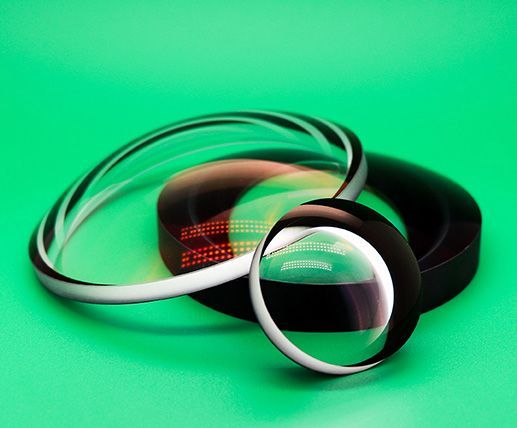
Anti Fog Coating for Cell Phone Camera: 7 Reliable Benefits for Clear Lens Performance
Smartphone cameras are expected to deliver clear images in almost every environment. From outdoor photography in changing weather conditions to everyday use in humid areas, users rely on their devices to maintain stable image quality.
However, temperature changes and moisture exposure can create a common problem: fogging.
When warm, humid air contacts a cooler camera cover glass surface, tiny water droplets may form. This condensation can create a foggy layer that reduces transparency and affects image quality.
This is where anti fog coating technology becomes important.
An anti-fog coating is a functional surface treatment designed to reduce condensation problems and maintain optical clarity. By controlling how moisture interacts with the surface, the coating helps camera components remain clearer under challenging environmental conditions.
For advanced smartphone camera modules, anti-fog performance is not only about appearance. It directly supports stable optical performance, reliability, and user experience.
What Is Anti Fog Coating?
An anti fog coating is a specialized functional coating applied to transparent surfaces to reduce or prevent fog formation.
Fog occurs when water vapor condenses into tiny droplets on a surface. These droplets scatter light and create a cloudy appearance.
An anti-fog coating changes the way moisture behaves on the surface.
Instead of allowing separated water droplets to form, the coating helps moisture spread more evenly into a thin transparent layer.
This reduces light scattering and helps maintain visibility.
Common benefits include:
- Reduced condensation
- Improved surface clarity
- Better optical performance
- Enhanced environmental reliability
- Reduced maintenance requirements
For camera cover glass, these advantages are especially valuable because image quality depends on a clean and transparent optical path.
Why Cell Phone Cameras Need Anti Fog Protection
Modern smartphone cameras are used in many different environments.
Users may take photos in:
- Rainy weather
- Cold outdoor conditions
- Humid locations
- Temperature-changing environments
- Indoor and outdoor transitions
These conditions can cause condensation on the camera surface.
For example, moving from an air-conditioned room into a hot and humid outdoor environment can create a sudden temperature difference.
The result may include:
- Blurry images
- Reduced contrast
- Light diffusion
- Temporary camera performance issues
An anti-fog coating helps minimize these effects by improving moisture management on the surface.
How Anti Fog Coating Works
The effectiveness of an anti-fog coating depends on surface chemistry and water behavior.
Without protection, condensed water forms many small droplets.
These droplets scatter incoming light and create fog.
An anti-fog surface encourages water molecules to form a more uniform film instead of isolated droplets.
This creates a clearer surface condition.
Important coating factors include:
- Hydrophilic or moisture-control properties
- Film uniformity
- Surface energy
- Adhesion strength
- Optical transparency
The coating must maintain its anti-fog function while preserving the optical quality required for camera applications.
7 Reliable Benefits of Anti Fog Coating for Camera Applications
1. Preventing Condensation-Related Image Problems
The primary advantage of anti-fog coating is reducing the impact of condensation.
When fog forms on camera cover glass, it can interfere with light transmission.
Potential image problems include:
- Blurred details
- Lower contrast
- Reduced sharpness
- Uneven brightness
By controlling moisture behavior, anti-fog coatings help maintain clearer optical conditions.
2. Maintaining Optical Transparency
Camera cover glass must allow light to pass through with minimal interference.
A fogged surface can significantly affect optical performance.
An effective anti-fog coating helps preserve:
- High light transmission
- Low haze
- Clear imaging
- Stable visual performance
For smartphone cameras, maintaining optical clarity is essential because even small surface changes can influence image quality.
3. Improving Performance in Humid Environments
Humidity is one of the main causes of condensation.
Devices used in tropical regions, coastal areas, or rainy climates may face higher moisture exposure.
Anti-fog coatings provide additional protection by helping camera surfaces remain clearer in humid conditions.
This improves reliability in different environmental situations.
4. Supporting Faster Recovery After Temperature Changes
Rapid temperature changes can cause temporary fogging.
Common examples include:
- Moving outdoors from a cold room
- Entering a warm environment
- Using devices in changing weather
An anti-fog coating helps moisture distribute more evenly, allowing the surface to regain optical clarity more quickly.
5. Reducing Surface Maintenance
Fog and moisture marks often require manual cleaning.
A functional coating reduces the need for frequent intervention by improving surface behavior.
This helps users maintain:
- Cleaner camera surfaces
- More consistent performance
- Better daily usability
6. Enhancing Long-Term Camera Reliability
Camera components are designed for long-term use.
Repeated moisture exposure may affect surface quality over time.
A durable anti-fog coating contributes to improved environmental resistance when combined with other protective functions.
Important durability factors include:
- Coating adhesion
- Chemical resistance
- Abrasion resistance
- Environmental stability
7. Combining With Other Functional Coatings
Modern camera protection usually requires multiple functions.
An advanced camera coating system may combine:
- Anti fog coating
- Water repellent coating
- Oil repellent coating
- Anti-fingerprint coating
- Anti-reflection coating
- Hard protective coating
Each function addresses a different challenge.
Together, these coatings create a more complete surface protection solution.
Anti Fog Coating for Camera Cover Glass
Camera cover glass has strict performance requirements because it must protect the camera while maintaining optical accuracy.
A suitable anti-fog coating should provide:
| Performance Requirement | Purpose |
|---|---|
| Anti-condensation ability | Reduce fog formation |
| High transmission | Maintain image quality |
| Low haze | Prevent optical distortion |
| Strong adhesion | Improve durability |
| Chemical resistance | Handle environmental exposure |
| Surface stability | Maintain long-term performance |
The coating design must balance moisture control with optical requirements.
Anti Fog Coating Technology for Cell Phone Camera
Functional camera coatings require advanced surface engineering.
Different coating technologies may be used depending on the required performance, including:
- Thin film deposition
- Vacuum coating
- Plasma treatment
- Functional surface modification
These processes allow manufacturers to control:
- Surface chemistry
- Film thickness
- Uniformity
- Adhesion
- Durability
For precision camera components, manufacturing consistency is critical.
SRNC’s Functional Coating for Cell Phone Camera provides advanced coating solutions designed for camera applications requiring reliable optical and protective performance.
Anti Fog Coating Materials
Different material systems can be selected depending on the application.
Common coating characteristics include:
- Moisture control capability
- Optical transparency
- Chemical stability
- Strong bonding
- Environmental durability
Material selection depends on:
- Substrate type
- Operating environment
- Required performance
- Manufacturing process
For camera applications, the material must be carefully selected to avoid affecting image quality.
Anti Fog Coating vs. Water Repellent Coating
Although both technologies manage moisture, they work differently.
| Coating Type | Main Function |
|---|---|
| Anti fog coating | Prevents visible fog formation by controlling condensation |
| Water repellent coating | Reduces water adhesion and promotes droplet formation |
| Hydrophobic coating | Lowers surface energy to repel water |
For camera systems, the best solution depends on the expected environment and performance requirements.
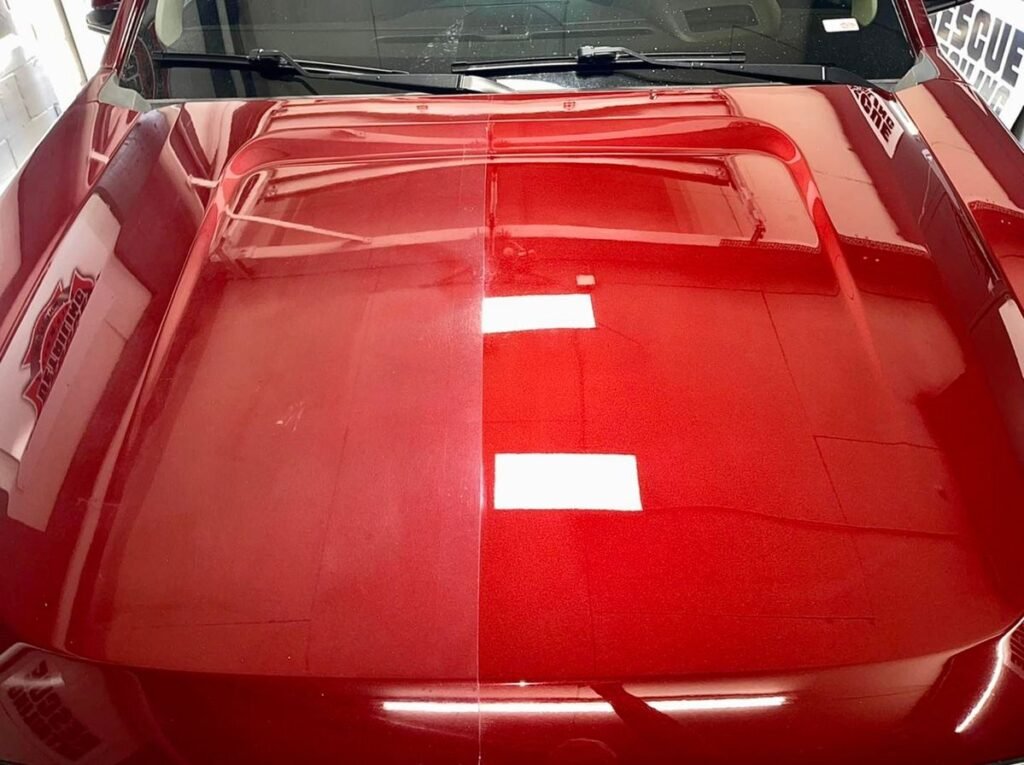
Testing Anti Fog Coatings
Anti-fog performance requires specialized testing.
| Test | Purpose |
|---|---|
| Fog resistance test | Evaluates condensation prevention |
| Optical transmission test | Measures transparency |
| Haze test | Checks image impact |
| Adhesion test | Evaluates coating bonding |
| Abrasion test | Measures durability |
| Environmental aging test | Tests long-term stability |
| Temperature cycling test | Evaluates performance changes |
Testing should represent real-world usage conditions.
How to Choose an Anti Fog Coating Solution
When selecting an anti-fog coating for camera applications, manufacturers should evaluate:
Optical Performance
The coating should maintain clarity and minimize haze.
Environmental Requirements
Consider humidity, temperature changes, and exposure conditions.
Durability
The coating should withstand repeated use and cleaning.
Compatibility
The coating must work effectively with camera cover glass materials.
Production Capability
The manufacturing process should provide stable and repeatable results.
Frequently Asked Questions
What is anti fog coating?
Anti fog coating is a functional surface coating designed to reduce condensation and prevent fog formation on transparent surfaces.
Why is anti fog coating used on smartphone cameras?
It helps prevent moisture-related fogging that can reduce image clarity and affect camera performance.
How does anti fog coating prevent fog?
The coating changes surface behavior so condensed water spreads more evenly instead of forming light-scattering droplets.
Can anti fog coating improve photo quality?
Yes. By reducing fog and moisture interference on the camera surface, it helps maintain clearer optical conditions.
Is anti fog coating the same as water repellent coating?
No. Anti-fog coatings manage condensation differently, while water-repellent coatings reduce water adhesion and encourage droplet formation.
Can anti fog coating be applied to glass?
Yes. Anti-fog coatings are commonly applied to transparent materials including glass and optical components.
How durable is anti fog coating?
Durability depends on coating materials, adhesion, environmental exposure, abrasion, and manufacturing quality.
Can anti fog coating be combined with other camera coatings?
Yes. It can be combined with anti-reflection, oil repellent, water repellent, and protective coatings.
Conclusion
Camera clarity depends on more than advanced sensors and lenses. The condition of the camera surface also plays a critical role.
Anti fog coating provides an effective solution for reducing condensation problems, maintaining optical transparency, and improving camera reliability in changing environments.
For modern smartphone cameras, the ideal coating must combine anti-fog performance with durability, optical clarity, strong adhesion, and environmental resistance.
SRNC’s Functional Coating for Cell Phone Camera offers advanced functional coating solutions designed to support high-performance camera components.
Through precision thin-film technology and advanced surface engineering, anti-fog coatings help create camera surfaces that remain clearer, more reliable, and better prepared for real-world conditions.