

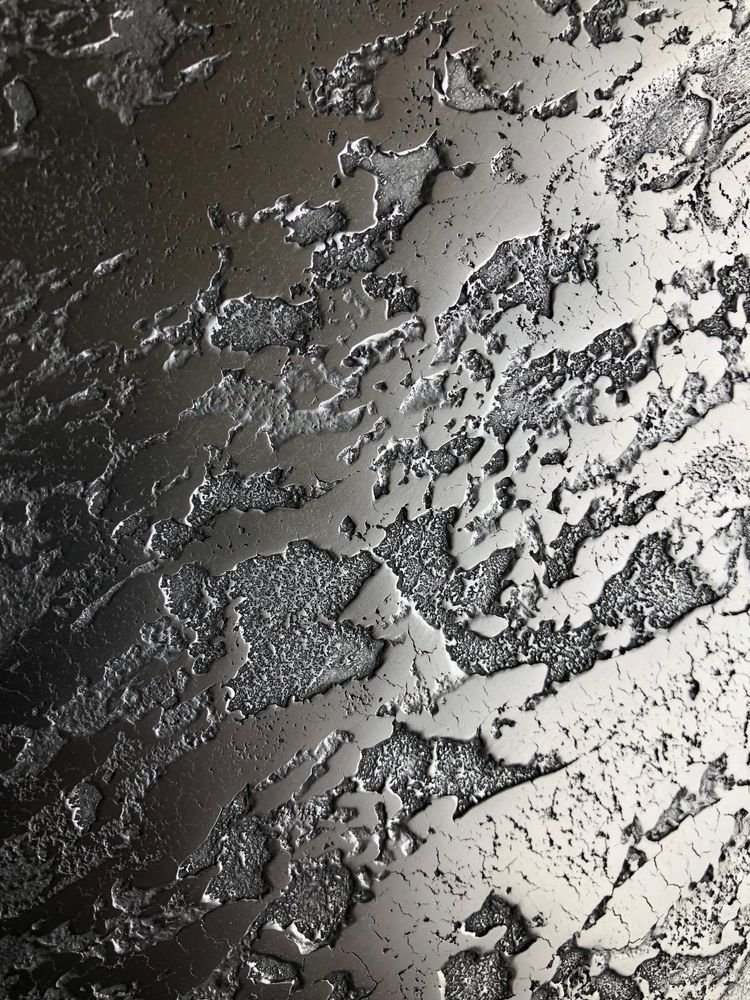
Anti Fingerprint Coating: Smarter Surface Protection for Smartphone Back Panels
A smartphone back panel is touched constantly throughout the day. Fingers grip the device, slide across its surface, and leave behind oils, moisture, and other residues. On a smooth, glossy surface, these marks can become highly visible within minutes.
For smartphone manufacturers, this creates a surface-design challenge.
A back panel needs to look premium while also remaining comfortable to hold, resistant to everyday wear, and easy to keep clean. A surface that looks attractive in the showroom may quickly lose that appearance after repeated handling.
This is where anti fingerprint coating can make a meaningful difference.
Rather than simply adding a protective layer, an anti-fingerprint surface can be engineered to influence how skin oils and moisture interact with the back panel. When combined with controlled surface texture, the coating can help reduce the visibility and retention of fingerprints while preserving the desired visual and tactile characteristics.
For modern smartphones, this makes surface engineering an important part of product design rather than an afterthought.
Why Fingerprints Become So Visible on Smartphone Back Panels
Human skin naturally contains oils and moisture. When a finger touches a phone, some of these substances can transfer onto the surface.
How visible the mark becomes depends on several factors, including:
- Surface smoothness
- Gloss level
- Surface energy
- Texture
- Material
- Lighting conditions
- Amount of skin oil transferred
A highly smooth and glossy surface can make fingerprints particularly easy to see because the deposited oil changes the way light reflects from the surface.
The contrast between clean and touched areas can therefore become obvious.
This is especially noticeable on dark smartphone back panels.
A well-designed surface treatment aims to reduce this visual problem while maintaining the appearance and feel expected from a premium mobile device.
What Is Anti Fingerprint Coating?
Anti fingerprint coating is a functional surface treatment designed to reduce fingerprint visibility, oil adhesion, and residue retention on a product surface.
For smartphone back panels, the coating can be engineered to influence the interaction between the surface and contaminants transferred from human skin.
The objective isn’t necessarily to make fingerprints physically impossible.
Instead, the coating can help:
- Reduce oil adhesion
- Minimize visible fingerprint marks
- Improve surface cleanliness
- Make residue easier to remove
- Maintain a more consistent appearance
- Support a smoother or softer touch experience
The final result depends on the coating chemistry, substrate, surface structure, texture, and manufacturing process.
This is why anti-fingerprint performance should be considered together with the overall surface design.
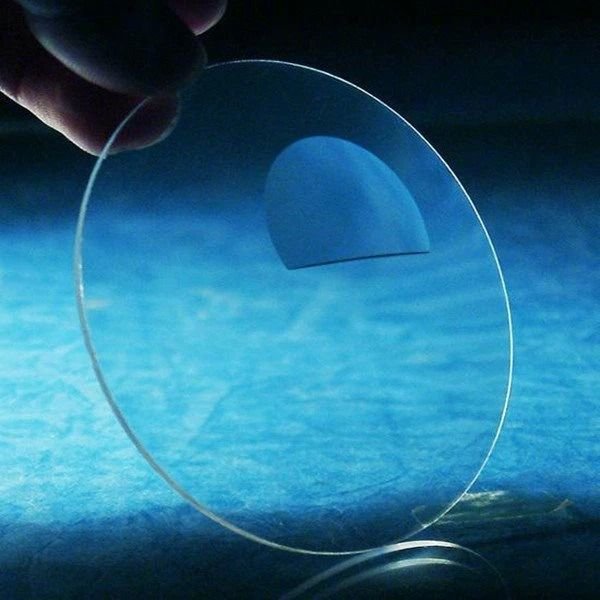
Surface Texture Can Change How Fingerprints Look
One of the most interesting aspects of smartphone back-panel design is the relationship between texture and fingerprint visibility.
A perfectly smooth surface creates a continuous optical plane. When oils are deposited on it, they can produce obvious changes in gloss and reflection.
A controlled microtexture can break up this visual effect.
Instead of allowing a fingerprint to appear as one highly visible glossy mark, the surface can distribute the visual interaction across a more complex texture.
This doesn’t mean that texture alone replaces an anti-fingerprint coating.
Rather, the two technologies can complement each other.
Controlled texture + functional coating = improved fingerprint management
This combination is particularly useful when manufacturers want to create distinctive back-panel finishes without sacrificing everyday usability.
How Surface Energy Influences Fingerprint Resistance
Surface chemistry plays an important role in how liquids and oils interact with a material.
When a surface has a lower affinity for certain contaminants, residues may be less likely to spread across the surface or remain strongly attached.
In practical smartphone design, this can influence:
- Oil spreading
- Fingerprint visibility
- Cleaning behavior
- Surface appearance
- Long-term maintenance
Coating formulation can therefore be developed around the desired surface characteristics.
However, fingerprint resistance isn’t determined by chemistry alone.
The substrate, coating thickness, surface roughness, texture pattern, and curing or deposition conditions can all influence the final performance.
Why Premium Smartphones Need More Than Fingerprint Resistance
A smartphone back panel is a highly visible design element.
Consumers don’t only evaluate whether it stays clean. They also notice:
- Color
- Gloss
- Texture
- Hand feel
- Grip
- Surface uniformity
- Scratch appearance
This creates a balancing act for manufacturers.
A coating that strongly reduces fingerprints but produces an undesirable appearance or uncomfortable tactile response may not be suitable for a premium product.
The ideal surface treatment should therefore support multiple design objectives at the same time.
Anti Fingerprint Coating and Back Panel Texture
Texture is one of the main ways smartphone manufacturers differentiate the appearance of a back panel.
Different textures can create very different visual and tactile experiences.
For example:
| Surface Design | Typical User Impression |
|---|---|
| Smooth Gloss | Bright, reflective, premium |
| Matte | Soft visual reflection |
| Fine Texture | Subtle surface detail |
| Sand Texture | More pronounced tactile character |
| Micro Texture | Refined, controlled feel |
| Soft Touch | Smooth and comfortable handling |
An anti-fingerprint coating needs to work with the selected texture rather than hide or damage it.
This is especially important for decorative back panels where the texture itself is part of the product identity.
Texture Coating for Cell Phone Back Panel
SRNC’s Texture Coating for Cell Phone Back Panel is designed for smartphone back-panel applications where manufacturers need controlled surface appearance and tactile characteristics.
The coating concept can support requirements such as:
- Premium surface textures
- Uniform finishing
- Customized texture designs
- Improved grip
- Wear resistance
- Distinctive visual effects
When fingerprint resistance is added as a functional requirement, the surface can be developed around both appearance and everyday handling.
This makes coating development particularly relevant for high-end smartphones where the back panel needs to look attractive while remaining practical in daily use.
The Relationship Between Texture and Grip
Fingerprint resistance isn’t the only functional reason to engineer a smartphone back panel.
A phone that feels too smooth can be difficult to hold securely.
A carefully controlled texture can introduce additional surface structure, changing how the fingers interact with the panel.
This can contribute to a more secure and comfortable grip.
The challenge is finding the right balance.
If the texture is too rough, the phone may feel uncomfortable or abrasive. If it is too smooth, the intended tactile effect may disappear.
A well-engineered coating can help manufacturers achieve a controlled texture without creating an unnecessarily aggressive surface.
Fingerprint Resistance and Surface Durability
An anti-fingerprint coating must survive repeated handling.
A smartphone back panel can experience thousands of touch interactions over its service life. It may also come into contact with:
- Clothing
- Tables
- Bags
- Cleaning cloths
- Dust
- Other objects
If the functional surface wears away too quickly, fingerprint performance may decline.
This makes abrasion resistance an important part of coating development.
The coating should maintain its intended surface characteristics after repeated mechanical contact.
Why Uniform Coating Matters
A premium back panel needs to look consistent from edge to edge.
If coating thickness or texture varies across the surface, the result may include:
- Uneven gloss
- Visible texture differences
- Inconsistent color appearance
- Different tactile sensations
- Uneven fingerprint behavior
Manufacturing consistency is therefore critical.
For mass-produced mobile devices, the coating process needs to maintain stable parameters across production batches.
This requires controlled surface preparation, accurate coating processes, process inspection, and final quality checks.
Anti Fingerprint Coating on Glass Back Panels
Glass remains an important material for premium smartphone back panels because it can provide a high-quality appearance and support sophisticated decorative effects.
However, smooth glass can also make fingerprints highly visible.
A functional coating can modify the surface characteristics of the glass while preserving its underlying appearance.
Depending on the design, manufacturers may combine:
- Glass substrate
- Decorative layer
- Texture structure
- Functional coating
- Protective finish
The exact stack depends on the desired appearance and performance.
This allows designers to create back panels that are visually distinctive without relying exclusively on a completely glossy surface.
How Anti Fingerprint Performance Should Be Tested
Fingerprint resistance should be evaluated under realistic conditions rather than judged only by visual inspection.
A practical testing program may consider:
Fingerprint Visibility
How noticeable is a fingerprint after repeated touching?
Oil Resistance
How does the surface respond to skin oils?
Cleaning Performance
How easily can fingerprints and residues be removed?
Abrasion Resistance
Does repeated handling change the coating’s surface properties?
Texture Retention
Does the coating preserve the intended texture after wear?
Appearance Stability
Does gloss, color, or surface uniformity remain consistent?
Testing methods should be selected according to the actual product requirements and customer specifications.
Anti Fingerprint Coating vs. Oleophobic Treatment
These terms are closely related but shouldn’t always be treated as identical.
An oleophobic surface is designed to resist or reduce interaction with oils.
An anti-fingerprint coating focuses more broadly on reducing the visible and practical effects of fingerprints.
A coating can use oleophobic characteristics as part of its fingerprint-resistant performance, but the complete result also depends on surface texture, gloss, material, and visual design.
For smartphone back panels, the best solution often combines surface chemistry with controlled texture.
Seven Design Factors for Better Fingerprint Resistance
Manufacturers developing a fingerprint-resistant smartphone back panel should consider the entire surface system.
1. Surface Chemistry
The coating formulation influences how oils and moisture interact with the surface.
2. Surface Texture
Microtexture can influence both fingerprint visibility and tactile feel.
3. Gloss Level
Gloss strongly affects how easily oil marks can be seen.
4. Coating Uniformity
Consistent coating helps maintain consistent appearance and performance.
5. Mechanical Durability
The functional surface needs to survive repeated contact.
6. Cleaning Behavior
Fingerprints should be removable without excessive cleaning effort.
7. Visual and Tactile Design
Fingerprint resistance shouldn’t come at the expense of the desired premium appearance or hand feel.

How Anti Fingerprint Coating Supports Premium Smartphone Design
The back panel is one of the first surfaces users see and touch.
A fingerprint-resistant finish can therefore influence the perceived quality of the entire phone.
A cleaner surface can help maintain:
- Color consistency
- Texture visibility
- Premium appearance
- Better tactile quality
- Easier daily maintenance
This is especially valuable for dark-colored and highly polished devices, where fingerprints can otherwise become immediately visible.
At the same time, combining fingerprint resistance with texture technology gives manufacturers more freedom to create differentiated surface designs.
Future Trends in Fingerprint-Resistant Back Panel Coatings
Smartphone surfaces are becoming more sophisticated.
Manufacturers are increasingly looking for coatings that combine several functions rather than solving one problem at a time.
Future surface technologies are likely to focus on:
- Stronger fingerprint resistance
- Better oil repellency
- Higher abrasion resistance
- More durable microtextures
- Improved soft-touch characteristics
- More customizable decorative effects
- Better compatibility with glass and other substrates
The direction is clear: surface coatings are moving toward multifunctional systems where appearance, touch, protection, and cleanliness are engineered together.
Frequently Asked Questions
What is anti fingerprint coating?
Anti fingerprint coating is a functional surface treatment designed to reduce fingerprint visibility and help prevent oils and residues from remaining strongly attached to a product surface.
Does anti fingerprint coating completely prevent fingerprints?
No. Fingerprints can still be deposited through normal contact. The purpose of the coating is to reduce their visibility, adhesion, or ease of removal rather than guarantee a completely fingerprint-free surface.
Can anti fingerprint coating be used on smartphone back panels?
Yes. It can be developed for glass and other smartphone housing materials, depending on the substrate and required surface characteristics.
Does texture help reduce visible fingerprints?
A controlled texture can make fingerprints less visually obvious by changing how oils interact with and reflect from the surface. Texture and functional coating can work together for better results.
Is anti fingerprint coating the same as oleophobic coating?
Not always. Oleophobic performance relates specifically to resistance to oils, while anti-fingerprint performance considers the broader visual and functional effect of fingerprints on the surface.
Can anti fingerprint coating affect the feel of a phone?
Yes. Surface chemistry and texture can influence friction, smoothness, grip, and tactile sensation. A well-designed coating should be developed together with the desired hand feel.
How durable is anti fingerprint coating?
Durability depends on the coating formulation, substrate, deposition or application process, and usage conditions. Abrasion and repeated-touch testing are important when evaluating long-term performance.
Can anti fingerprint coating be combined with decorative textures?
Yes. Combining functional coating technology with controlled surface textures can allow manufacturers to create distinctive back-panel designs while also improving fingerprint resistance.
Conclusion
A smartphone back panel needs to do more than look attractive when it leaves the factory. It must continue to look and feel good after repeated touching, handling, cleaning, and everyday wear.
Anti fingerprint coating provides an important surface-engineering solution by helping reduce the visibility and retention of fingerprints while supporting the visual and tactile requirements of modern mobile devices.
The strongest results come from treating fingerprint resistance as part of the complete surface design. Coating chemistry, texture, gloss, substrate, abrasion resistance, grip, and appearance all influence the final user experience.
SRNC’s Texture Coating for Cell Phone Back Panel is designed to help manufacturers create customized smartphone back-panel surfaces with controlled textures, premium appearance, improved grip, and functional durability.
By combining texture engineering with functional surface coating, manufacturers can develop back panels that don’t just look premium in the showroom—they’re designed to remain attractive and practical through everyday use.