

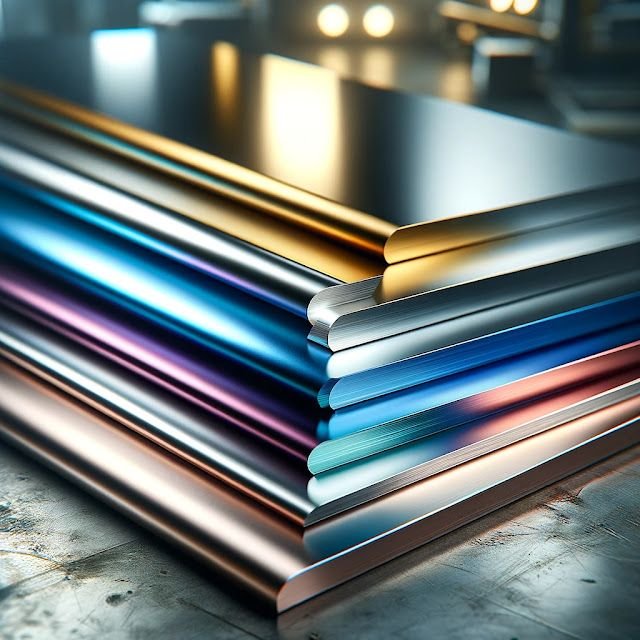
Abrasion Resistant Coating: Enhancing the Durability of Sapphire and Optical Surfaces
In modern electronic and optical devices, surface durability has become a critical performance requirement. Components such as sapphire windows, optical lenses, and protective glass are frequently exposed to friction, cleaning, environmental particles, and daily handling. Without proper surface protection, repeated abrasion can gradually reduce appearance, optical performance, and product lifespan.
Abrasion resistant coating provides an advanced solution by creating a highly durable protective layer on the surface of optical and electronic components. Through precision thin-film coating technology, manufacturers can improve resistance against mechanical wear while maintaining excellent optical clarity and premium surface quality.
For high-end mobile devices and optical applications, this technology helps extend component reliability while supporting demanding design requirements.
Why Surface Abrasion Is a Challenge for Modern Devices
Electronic products are becoming thinner, more sophisticated, and more visually focused. At the same time, consumers expect surfaces to remain flawless throughout daily use.
Common causes of surface abrasion include:
- Contact with keys and metal objects
- Repeated cleaning processes
- Dust and environmental particles
- Frequent handling
- Mechanical friction during operation
Over time, these factors can create:
- Visible scratches
- Reduced transparency
- Surface defects
- Lower product appearance quality
For premium devices, maintaining a durable surface is essential.
How Abrasion Resistant Coating Protects Optical Surfaces
An abrasion resistant coating is a specially engineered thin-film layer designed to improve the hardness and wear performance of a substrate surface.
Using advanced vacuum deposition processes, the coating forms a strong bond with materials such as sapphire and optical glass. The protective layer helps reduce surface damage while preserving the original optical properties of the component.
Key performance advantages include:
- Enhanced wear resistance
- Improved scratch protection
- Strong coating adhesion
- Stable optical transparency
- Long-term surface durability
This makes it suitable for applications where both appearance and performance are important.
Sapphire and Advanced Surface Protection
Sapphire is naturally recognized as one of the hardest transparent materials available, making it valuable for demanding optical applications. However, additional surface engineering can further enhance its performance in harsh environments.
Sapphire Super Hard Coating is designed to improve sapphire surface durability with excellent scratch resistance, strong wear protection, uniform surface finishing, and reliable coating performance.
For premium mobile devices and optical components, this technology provides an additional layer of protection while maintaining the elegant appearance and optical characteristics of sapphire materials.
Key Applications of Abrasion Resistant Coating
Smartphone and Mobile Device Components
High-end smartphones increasingly use premium materials for camera windows, protective glass, and decorative surfaces. Durable coatings help maintain appearance and performance during daily use.
Optical Glass Components
Optical lenses, windows, and precision components require excellent surface protection to maintain clarity and reliability.
Camera Cover Glass
Camera systems are frequently exposed to fingerprints, dust, and cleaning. Protective coatings help preserve image quality by maintaining a clear optical surface.
Industrial Optical Equipment
Machine vision systems, inspection equipment, and optical sensors benefit from coatings that improve operational lifespan under continuous use.
Automotive Optical Systems
Vehicle cameras and optical sensors require durable surfaces that can withstand environmental exposure and mechanical wear.
Important Performance Factors of Abrasion Resistant Coatings
When selecting a protective coating solution, manufacturers usually evaluate several important characteristics.
| Performance Feature | Importance |
|---|---|
| Surface Hardness | Improves resistance against mechanical damage |
| Adhesion Strength | Ensures long-term coating reliability |
| Optical Transparency | Maintains imaging performance |
| Uniform Thickness | Provides consistent protection |
| Wear Resistance | Extends component lifespan |
| Environmental Stability | Supports demanding applications |
A successful coating solution must balance durability with optical and aesthetic requirements.
Advanced Vacuum Coating Technology for Reliable Performance
The quality of an abrasion-resistant layer depends heavily on the coating process. Advanced vacuum coating technologies enable manufacturers to achieve precise and consistent results.
Modern thin-film deposition provides:
- Accurate thickness control
- Uniform coating coverage
- Excellent film stability
- Strong substrate bonding
- Repeatable mass production quality
These advantages make vacuum coating technology suitable for industries requiring high precision and reliability.
Customized Coating Solutions for Different Applications
Different products require different levels of protection. A smartphone camera cover glass may prioritize optical transparency, while industrial optical components may require maximum wear resistance.
A professional coating supplier should provide:
- Customized coating structures
- Material compatibility evaluation
- Process optimization
- Reliable production capability
- Quality inspection support
SRNC provides advanced vacuum coating solutions for optical and electronic applications, helping manufacturers develop durable surfaces that meet specific performance requirements.
Future Development of Abrasion Resistant Coatings
As electronic devices become more advanced, protective coating technology continues to evolve.
Future trends include:
- Higher surface durability
- Multi-functional protective layers
- Improved optical performance
- More environmentally friendly coating processes
- Ultra-thin protective structures
- Customized coating designs
These developments will support next-generation smartphones, optical devices, and precision electronic components.
Frequently Asked Questions
What is abrasion resistant coating?
Abrasion resistant coating is a protective thin-film layer designed to improve surface durability and reduce damage caused by friction, wear, and repeated contact.
Why is abrasion resistance important for sapphire components?
Although sapphire is highly durable, additional coating protection can further improve surface reliability and maintain premium appearance in demanding environments.
Does abrasion resistant coating affect optical clarity?
No. High-quality optical coatings are designed to improve surface protection while maintaining excellent transparency and optical performance.
Where is abrasion resistant coating used?
It is commonly used for sapphire windows, optical lenses, camera cover glass, industrial optics, automotive sensors, and electronic components.
How is abrasion resistant coating applied?
It is typically applied using advanced vacuum thin-film deposition technologies that provide precise thickness control and strong coating adhesion.
Conclusion
As manufacturers continue developing premium electronic and optical products, surface durability has become a key factor in product performance and user experience. Abrasion resistant coating provides reliable protection against mechanical wear while maintaining optical clarity and aesthetic quality.
Through Sapphire Super Hard Coating, SRNC delivers advanced coating technology designed to enhance sapphire and optical component durability with excellent scratch resistance, uniform surface quality, and long-term reliability.
Combined with comprehensive vacuum coating solutions, SRNC helps global manufacturers create high-performance products that require both superior protection and exceptional surface appearance.