Manufacturing resources for a defined coating requirement
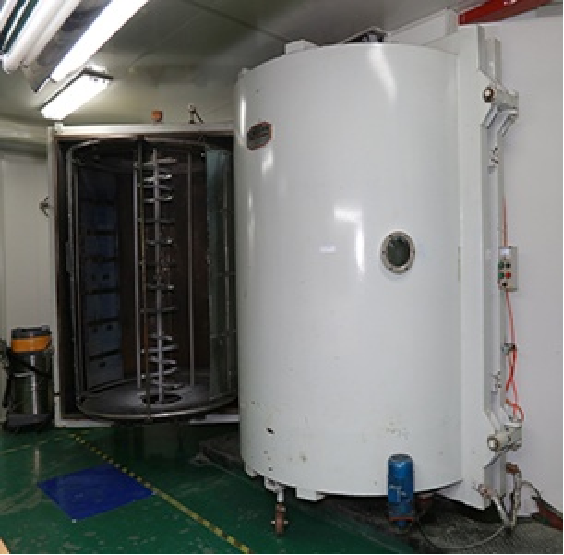
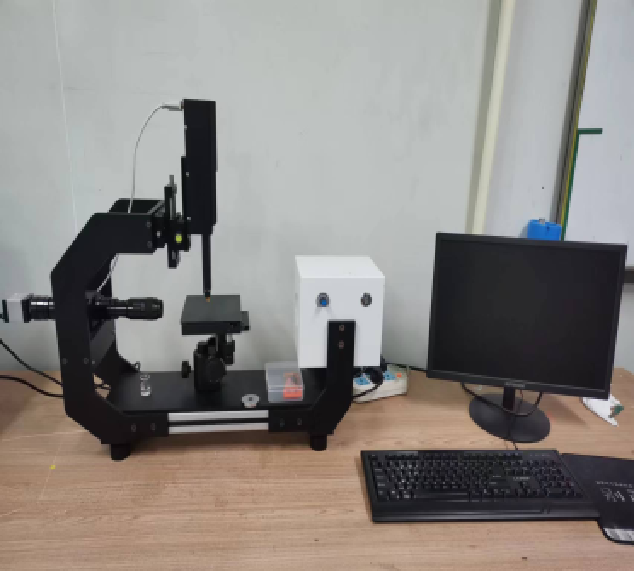
SRNC's existing equipment library presents vacuum coating and related preparation resources. This page brings those resources together with the information needed to plan an evaluation. Equipment photographs provide context; suitability for a component depends on its substrate, geometry, coating structure and acceptance requirements. Confirm the specific process and available project scope during the technical review.
Vacuum coating and preparation equipment
The equipment library includes optical coating, evaporation, sputtering and surface-cleaning resources. These process categories serve different requirements and should not be treated as interchangeable. Identify the coating objective, component material and dimensions, coated surfaces and any temperature limits. The discussion should establish an appropriate process route rather than infer finished-part performance from an equipment photograph.
Fixtures, masking and component handling
Preparation and handling form part of the manufacturing discussion. Share the coated area, surfaces that must remain uncoated, permitted contact points and any restrictions on cleaning or assembly. Component geometry and loading arrangements can affect the evaluation scope. Identify existing coating layers and surface treatments so they can be considered alongside the proposed preparation and deposition steps.
Optical measurement requirements
For an optical coating, define the transmission or reflection target together with wavelength, angle of incidence and measurement conditions. State the clear aperture and whether uniformity across the component is part of acceptance. Available testing resources should be reviewed against the specific measurement task. A coating result is meaningful when the test method, sample and acceptance basis are documented together.
Surface-function and durability evaluation
The existing SRNC library presents reflection, abrasion, contact-angle, adhesion and environmental testing resources. Identify which measurements are relevant to your component and ask for the applicable test method and reporting scope. Wear, wetting and environmental stability describe different properties. A result from one test should not be used as a substitute for another requirement without a technical basis.
Agree a sample evaluation plan
Before sample work, define the reference component, preparation responsibility, coating scope, sample quantity and test sequence. Agree who will perform each measurement and how results will be compared with the acceptance criteria. Where exposure or wear matters, identify which measurements will be repeated afterwards. Evaluation timing, cost and further qualification requirements are established for the individual project.
Evidence to request for your project
Ask which equipment and measurement methods are proposed for your specific component. Relevant evidence may include a sample result, measurement curve, test description or project-specific inspection record where available. This page does not claim certification, calibration coverage, production capacity or a universal performance tolerance. Those details need supporting documentation and should be confirmed when they form part of the purchasing requirement.
Choose the next technical discussion
For a component that needs coating, review the coating-service route. For a current coating problem or proposed process change, begin with process development. For equipment intended for in-house production, provide the process, loading, output and site requirements. The optical component guide and camera component guide provide application-specific starting points.