Choose the component before the coating
Application requirements connect the coating objective with the component that needs treatment. The same phrase, such as optical protection, can describe different parts with different substrates, geometries and acceptance tests. Use this overview to choose the relevant SRNC application guide, then prepare the information needed for a technical review. The guides describe enquiry inputs; they do not establish that every coating is compatible with every material or component.
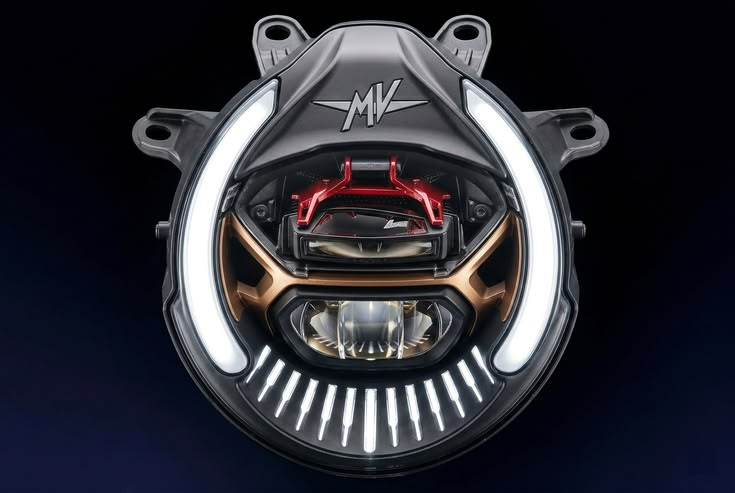
Automotive lighting components
Reflector, optical and decorative lighting parts may have different priorities. Identify the component, substrate, geometry, coated area and masking requirements. Optical targets need a wavelength range and measurement conditions; appearance requirements benefit from an agreed reference. Adhesion, thermal and environmental validation should be defined for the intended use. The automotive lighting coating guide explains the initial information to prepare.
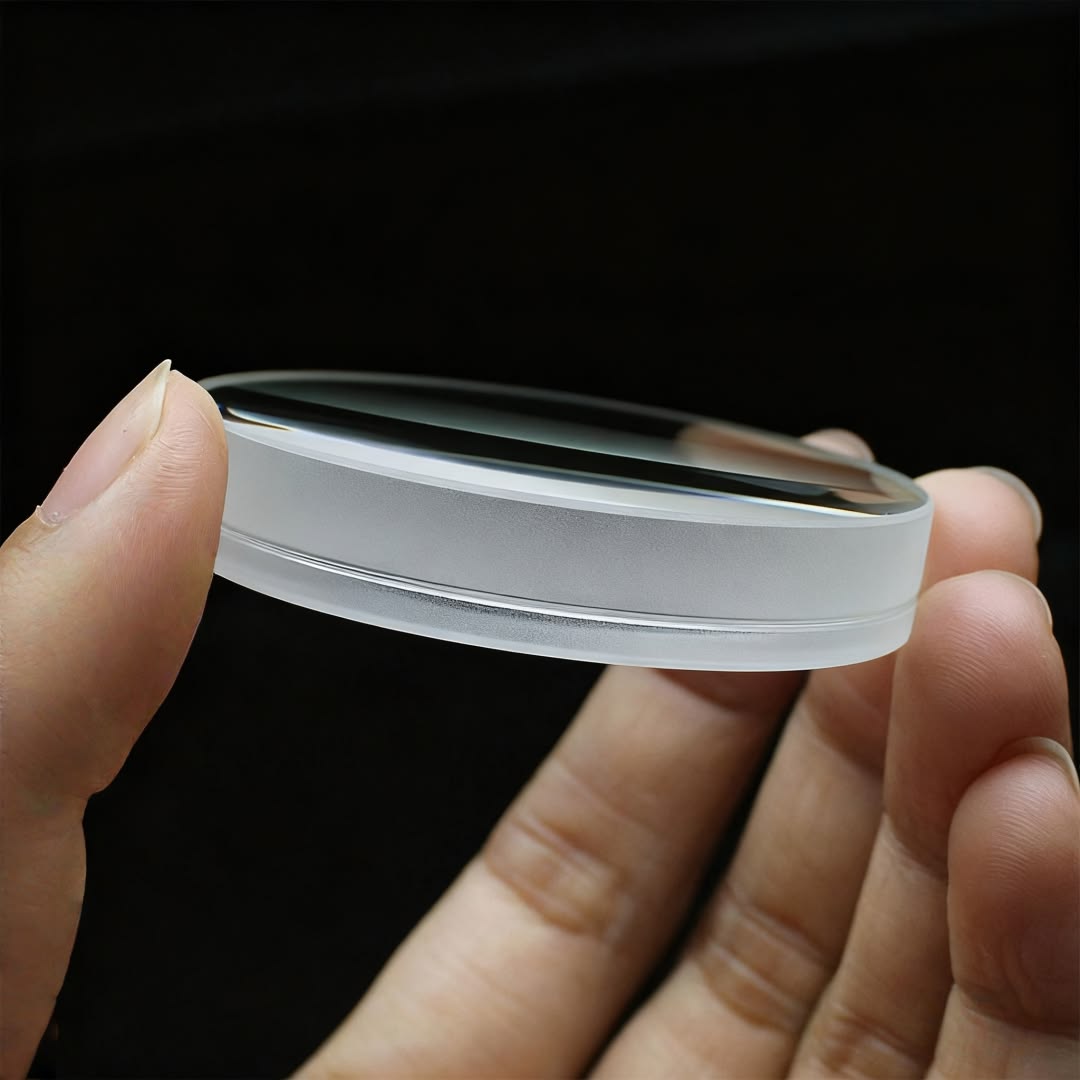
Optical lenses, filters and windows
An optical component enquiry should define its role within the system. Specify the substrate, clear aperture, coated surfaces, wavelength range, transmission or reflection target and angle of incidence. Include polarization, uniformity and durability requirements where relevant. Identify whether acceptance applies to an individual coated surface, a complete part or an assembly. Review the optical lens and filter coating guide for application-specific inputs.
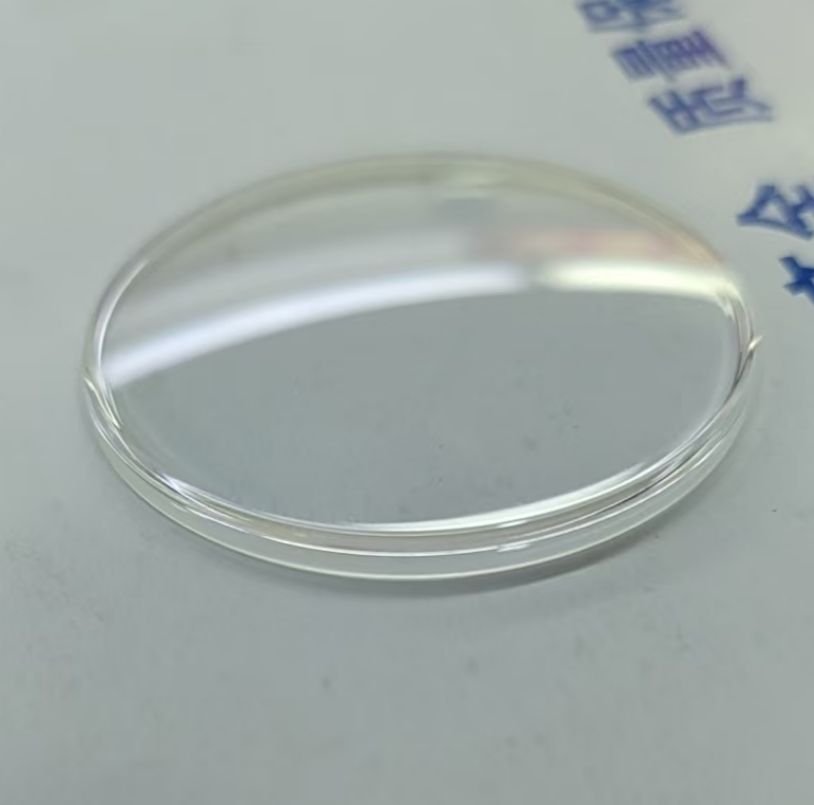
Eyeglass lens substrates and treatments
Eyeglass lens discussions begin with the lens material and existing surface treatment. Hard coats, preparation steps and previous layers can affect process compatibility and the evaluation scope. Define the optical and surface-function objectives separately, together with cleaning, adhesion, abrasion and environmental tests where applicable. The eyeglass lens coating guide helps structure the brief without assuming a universal coating stack.
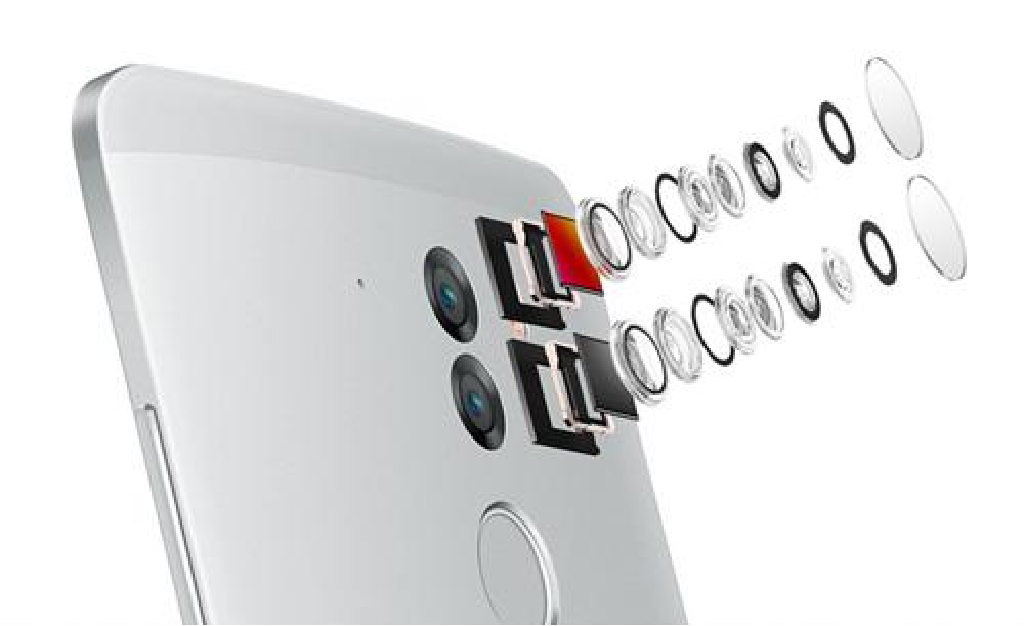
Camera-related optical components
Distinguish a camera lens element, optical filter and cover component from the complete camera module. State whether the component is produced internally or sourced from another supplier, and identify who owns the coating specification and validation. Optical performance, surface wear and cleaning requirements should each have defined measurements. Review the camera component coating guide to prepare a focused enquiry.
Match the application with the service route
Choose coating services when the enquiry concerns a component that needs coating. Choose process development when a coating stack, preparation step or observed problem requires investigation. Equipment discussions need the process, component loading, output target and installation conditions. An application guide helps define the part; the service route helps define the work to be discussed. You can identify open questions without selecting a final technical solution.
Prepare evidence and acceptance criteria
Include drawings or dimensions, material information, available test results, coating objectives and quantities. Distinguish confirmed requirements from assumptions. Agree the test methods, acceptance conditions, sample responsibilities and evaluation scope before sample work. Start with a non-confidential summary and arrange suitable document exchange before sharing recipes, confidential drawings or restricted production information.