

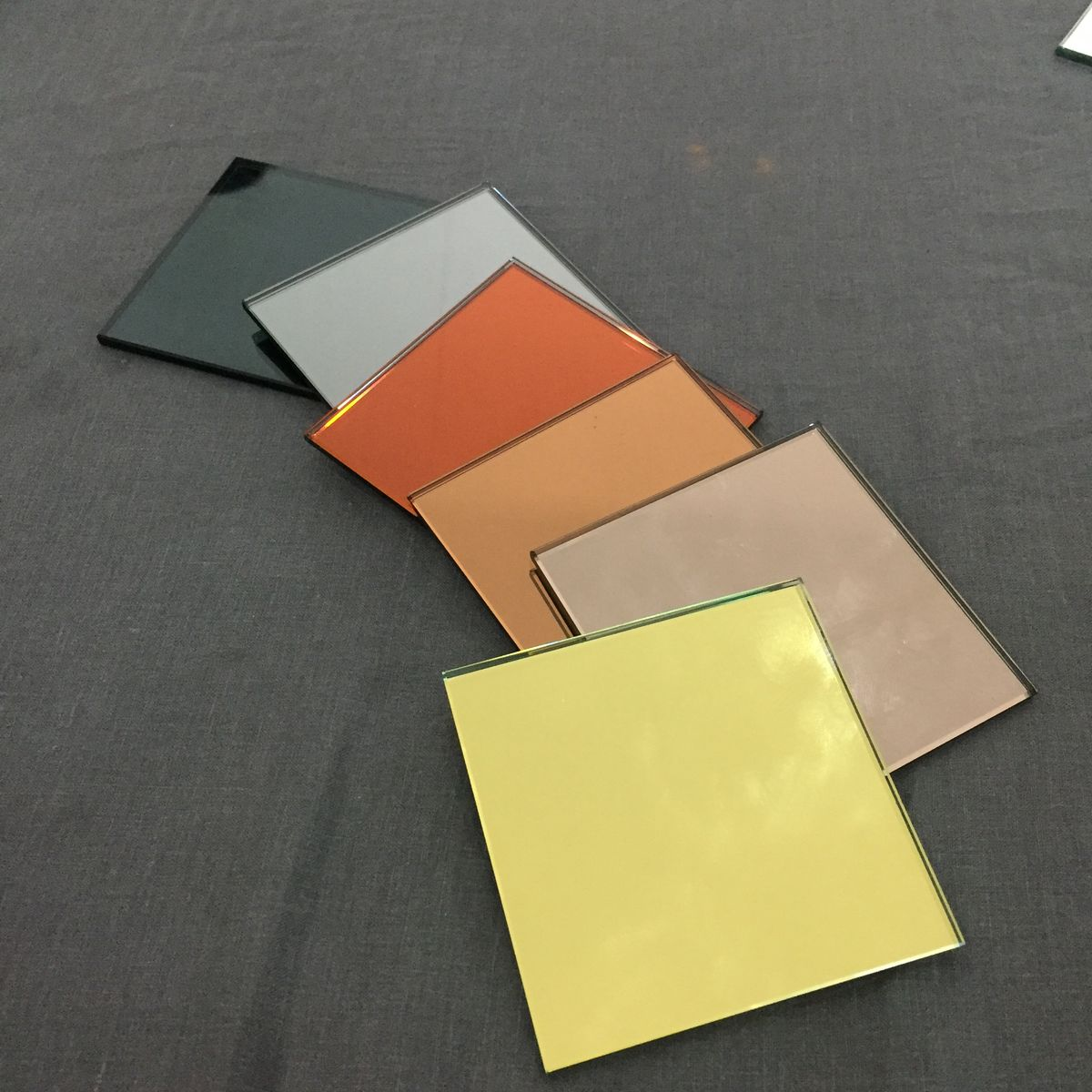
Premium Protective Coating: Advanced Surface Protection for High-Value Components
What Is a Premium Protective Coating?
A premium protective coating is an advanced surface treatment engineered to protect a component while maintaining the functional, optical, mechanical, or aesthetic properties required by the finished product.
The word “premium” should not simply refer to appearance or price. In an engineering context, it should represent a higher level of control over surface performance, consistency, durability, and application requirements.
A premium coating may be designed to provide a combination of:
- High surface hardness
- Scratch resistance
- Abrasion resistance
- Chemical resistance
- Environmental stability
- Strong adhesion
- Optical control
- Surface cleanliness
- Decorative appearance
- Long-term performance
The exact combination depends on the application.
For high-value electronic and optical components, surface protection must often be achieved without compromising the characteristics that make the component valuable in the first place.
Why Premium Surface Protection Matters
The surface of a precision component is exposed to many potential sources of damage.
During manufacturing, transportation, assembly, and everyday use, surfaces may encounter:
- Mechanical contact
- Repeated rubbing
- Dust and particles
- Fingerprints
- Oils
- Cleaning agents
- Humidity
- Temperature variation
- Chemicals
- Environmental contaminants
Even relatively small amounts of surface damage can become visible or affect functionality.
For consumer electronics, surface condition strongly influences perceived product quality.
For optical components, scratches, contamination, haze, or unwanted reflection can affect optical performance.
For industrial components, surface degradation can influence service life and reliability.
A well-designed protective coating provides an engineered barrier between the component and these external stresses.
Premium Does Not Mean One Coating Material
There is no universal coating material that provides the best solution for every application.
A premium coating system should be selected according to:
- Substrate material
- Surface geometry
- Required performance
- Operating environment
- Optical requirements
- Appearance requirements
- Production volume
- Testing standards
- Expected service conditions
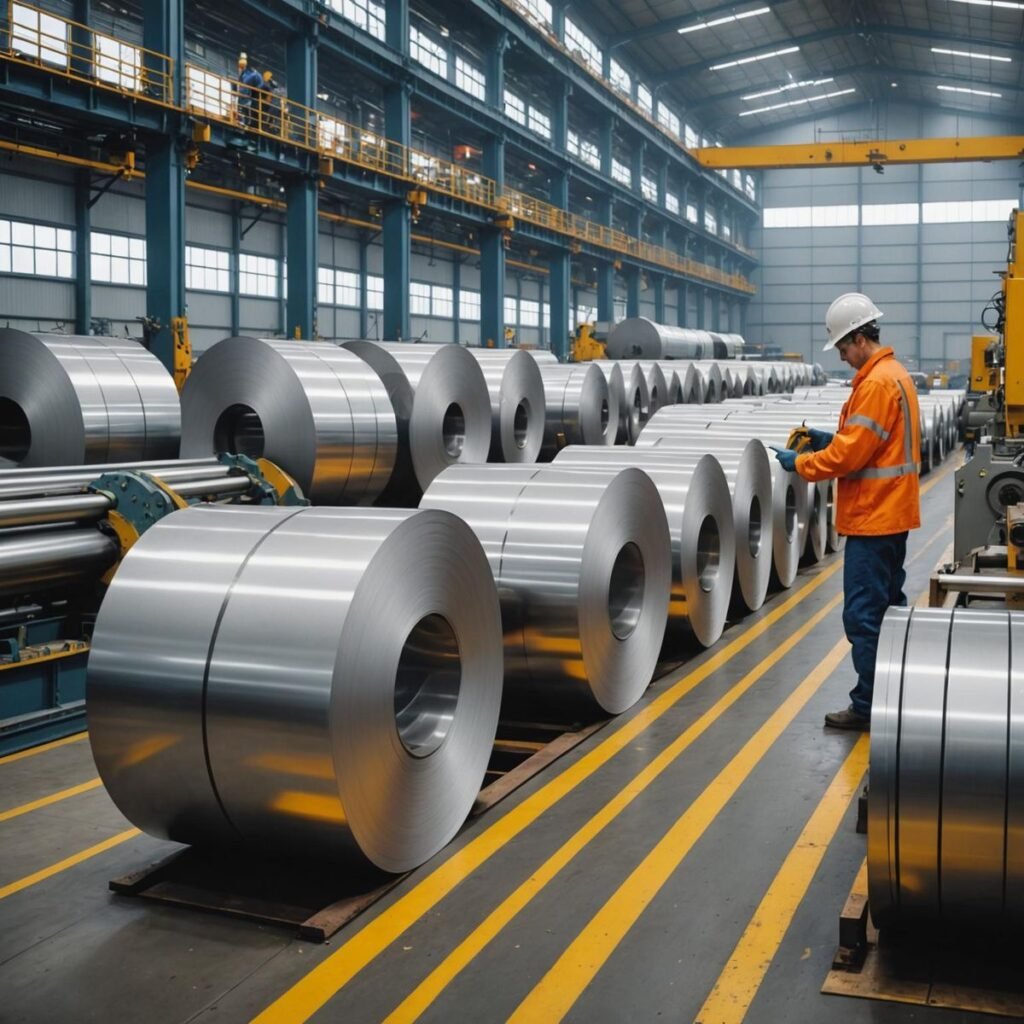
Glass, sapphire, stainless steel, aluminum, ceramic, and engineering plastics can require different surface preparation and deposition strategies.
Therefore, the quality of a coating solution depends not only on the coating material but also on how well the complete process is engineered around the product.
Key Performance Characteristics
Surface Hardness
Hardness helps the surface resist deformation under mechanical contact.
It is particularly relevant when components are frequently handled or exposed to contact with harder materials.
However, hardness should not be considered independently from adhesion, toughness, and internal stress.
Scratch Resistance
A protective coating can reduce susceptibility to localized surface damage.
Scratch resistance is particularly important for visible consumer products and optical components where fine marks may affect appearance or functionality.
Abrasion Resistance
Abrasion involves repeated mechanical contact that gradually wears a surface.
A premium protective system should be designed for the actual wear conditions rather than relying solely on a single hardness value.
Chemical Resistance
Components can encounter sweat, oils, cosmetics, cleaning agents, or industrial chemicals.
The appropriate coating structure can provide additional resistance against selected chemical exposures.
Environmental Stability
Humidity, temperature changes, salt, and other environmental factors can challenge surface performance.
A coating should therefore be evaluated under the conditions expected during the product’s service life.
The Importance of Adhesion
A coating cannot provide reliable protection if it separates from the substrate.
Strong coating adhesion depends on the interface between the deposited film and the underlying material.
Factors that influence adhesion include:
- Surface cleanliness
- Surface preparation
- Substrate chemistry
- Pretreatment
- Deposition conditions
- Film composition
- Internal stress
- Thermal conditions
For this reason, premium coating development begins before deposition.
Cleaning and surface preparation are critical parts of the overall process.
Vacuum Coating for Advanced Protection
Vacuum deposition technologies are widely used when manufacturers require controlled thin-film performance.
Under vacuum conditions, coating materials can be deposited onto carefully prepared substrates to create a controlled surface layer.
Depending on the application, technologies may include:
- Magnetron sputtering
- Physical vapor deposition
- Electron beam evaporation
- Ion-assisted deposition
- Other vacuum thin-film processes
These technologies allow manufacturers to engineer coating thickness, layer structure, and surface characteristics with relatively high precision.
For precision components, this is particularly useful because the coating can modify surface properties without substantially changing the underlying component.
Premium Protective Coating for Glass
Glass is used extensively in smartphones, optical systems, displays, cameras, protective covers, and other precision applications.
A glass surface may require protection against repeated contact and abrasion while maintaining high optical quality.
A premium coating system for glass may therefore need to balance:
- Surface durability
- Adhesion
- Optical transmission
- Reflection
- Haze
- Surface uniformity
- Chemical resistance
For transparent components, protection cannot be achieved at the expense of optical performance.
This makes coating development more demanding than applying a conventional protective finish.
Premium Protective Coating for Sapphire
Sapphire is known for its high hardness and is used in applications where durable optical or protective surfaces are required.
However, the surface can still be engineered to meet additional application-specific requirements.
A coating can complement the properties of sapphire by providing a controlled thin-film surface with targeted characteristics.
SRNC’s Sapphire Super Hard Coating is relevant to applications requiring advanced surface protection and high hardness.
The final coating system should still be evaluated according to the substrate, environment, and required performance rather than assuming that one specification applies universally.
Premium Protective Coating for Consumer Electronics
Consumer electronics are particularly demanding because their surfaces need to combine technical performance with visual quality.
Smartphone Camera Components
Camera cover surfaces must protect the optical path while maintaining appropriate optical characteristics.
A coating may need to balance durability, transparency, reflection behavior, and resistance to contamination.
SRNC’s Functional Coating for Cell Phone Camera addresses this type of functional surface application.
Smartphone Back Panels
Back panels may require:
- Premium appearance
- Controlled texture
- Scratch resistance
- Abrasion resistance
- Chemical resistance
- Tactile characteristics
In these applications, surface protection becomes part of the overall product design.
Metal Components
Metal surfaces may require a combination of decorative appearance, wear resistance, corrosion resistance, and surface durability.
This demonstrates why premium protection should be designed around the actual component and not simply treated as a generic coating category.
Appearance Retention Is Part of Protection
For high-end consumer products, a coating can provide mechanical protection while also helping maintain the intended appearance.
Surface appearance may involve:
- Gloss level
- Matte finish
- Metallic appearance
- Texture
- Color
- Surface uniformity
Repeated handling and abrasion can gradually change these characteristics.
A premium protective coating should therefore be evaluated not only for whether the surface remains physically intact but also for whether the visual appearance remains within the required specification.
This is especially important for decorative electronic components.
Optical Protection Without Compromising Transmission
Optical components require a particularly careful balance.
A protective film can potentially affect light through:
- Reflection
- Absorption
- Scattering
- Interference effects
- Surface contamination
The coating must therefore be designed according to the relevant optical requirements.
Important parameters may include:
- Film thickness
- Refractive index
- Layer structure
- Surface uniformity
- Transmission
- Reflection
- Wavelength range
- Angle of incidence
For camera and optical applications, mechanical protection and optical performance must be engineered together.
Multilayer Thin-Film Structures
A multilayer architecture can provide greater flexibility when a component requires several performance characteristics.
Different layers may be designed to contribute different functions.
For example:
- An interface layer can support adhesion.
- A hard layer can contribute mechanical protection.
- Additional layers can provide optical or functional characteristics.
- A surface layer can be optimized for specific interaction with the environment.
The purpose is to create a coordinated system rather than simply increasing the number of layers.
The optimal structure depends on the substrate and required performance.
Long-Term Performance
Premium protection should be evaluated over the expected service period rather than only immediately after manufacturing.
Repeated exposure to mechanical and environmental stress can gradually change the surface.
Potential degradation mechanisms include:
- Abrasion
- Scratching
- Delamination
- Cracking
- Chemical attack
- Humidity-related degradation
- Thermal stress
- Surface contamination
Testing before and after controlled aging can help determine whether the coating retains its required properties.
Testing Premium Protective Coatings
A reliable coating specification should be supported by appropriate testing.
Potential evaluations include:
Abrasion Testing
Measures resistance to repeated mechanical contact.
Scratch Testing
Evaluates resistance to localized mechanical damage.
Adhesion Testing
Determines how securely the coating remains attached to the substrate.
Hardness Testing
Characterizes resistance to deformation.
Chemical Resistance Testing
Assesses performance after exposure to specified chemicals.
Environmental Testing
Temperature and humidity testing can help evaluate environmental stability.
Salt Spray Testing
Can be used for applications where corrosion resistance is important.
Optical Testing
Reflection and transmission measurements are relevant to transparent and optical components.
SRNC’s testing capabilities include film abrasion testing, reflection testing, automatic contact angle testing, cross-cut testing, resistance testing, constant temperature and humidity testing, and salt spray testing.
The appropriate test program should always reflect the actual product specification.
Premium Coating Requires Process Control
High-quality coating performance depends heavily on manufacturing consistency.
Important production variables include:
- Cleaning conditions
- Surface preparation
- Vacuum conditions
- Deposition parameters
- Film thickness
- Layer structure
- Fixture positioning
- Equipment condition
- Inspection procedures
Even a technically excellent coating can produce inconsistent results if the manufacturing process is poorly controlled.
For high-volume production, repeatability is therefore a key part of premium coating performance.
From Sample to Mass Production
A coating should be qualified through a structured development process.
1. Define the Requirement
Identify substrate, application, operating environment, appearance, optical requirements, and expected service conditions.
2. Develop Samples
Produce initial coating samples using suitable deposition parameters.
3. Evaluate Performance
Test mechanical, optical, chemical, and environmental characteristics as required.
4. Optimize the Process
Adjust surface preparation, coating structure, thickness, and deposition parameters.
5. Validate Pilot Production
Confirm repeatability under realistic manufacturing conditions.
6. Establish Mass Production Controls
Implement process monitoring, inspection, and quality procedures.
This approach reduces the risk of a coating that performs well during laboratory development but becomes inconsistent during large-scale production.
How to Select a Premium Protective Coating Supplier
When evaluating coating suppliers, buyers should look beyond marketing descriptions.
Consider the following questions:
Does the supplier understand your substrate?
A coating should be compatible with the material and surface condition.
Can the supplier customize the process?
Different products may require different coating structures and deposition parameters.
Can performance be verified?
Testing should be connected to the actual product requirements.
Can the supplier support scale-up?
The transition from samples to production should be technically manageable.
Does the supplier have process and inspection capabilities?
Consistent production is essential for high-value components.
Can multiple surface requirements be addressed together?
Modern products may require durability, optical performance, appearance, and environmental stability from the same surface.
Surface Engineering for High-Value Products
The role of a protective coating is increasingly moving beyond simple physical protection.
Advanced surface engineering allows manufacturers to treat the surface as a functional part of the product.
The same thin-film system may be engineered around several requirements, depending on the application:
Mechanical: hardness, abrasion resistance, scratch resistance.
Chemical: resistance to selected chemicals and contaminants.
Optical: transmission, reflection, and surface uniformity.
Environmental: humidity and temperature stability.
Aesthetic: color, gloss, texture, and appearance retention.
This integrated approach is especially valuable for advanced electronics and precision components where every surface characteristic can influence the finished product.
Conclusion
A premium protective coating is best understood as a carefully engineered surface system rather than simply a thicker or harder protective layer.
Its value comes from the ability to maintain important surface characteristics while protecting the underlying component from mechanical, chemical, and environmental stresses.
For glass, sapphire, metal, ceramic, optical components, and consumer electronics, advanced vacuum deposition technologies provide manufacturers with precise tools for developing durable and multifunctional surfaces.
The most effective solution begins with the product requirement: identify the substrate, understand the expected service environment, define the critical failure mechanisms, and then develop the coating structure, deposition process, and testing program around those requirements.
When material selection, surface preparation, thin-film engineering, testing, and production control work together, protective coating technology can contribute not only to longer surface life but also to better product consistency and overall component performance.